
Staying hydrated during your national park visits is key for safety and comfort. Many parks now offer water refill stations to provide safe drinking water and reduce plastic waste. These stations are often located at visitor centers, trailheads, and campgrounds. Parks like the Grand Canyon, Yosemite, and Big Bend have multiple refill locations, but availability can vary by season. For backcountry areas, carry filtration tools or be ready to boil water. Use tools like the NPS App or ask park staff for up-to-date refill point details. Always bring a reusable water bottle to save money and help protect park resources.
Water Refill Locations in Major U.S. National Parks
Here’s where you can find water refill stations in some of the most visited national parks. Knowing these locations can help you stay hydrated and prepared during your adventures.
Grand Canyon National Park
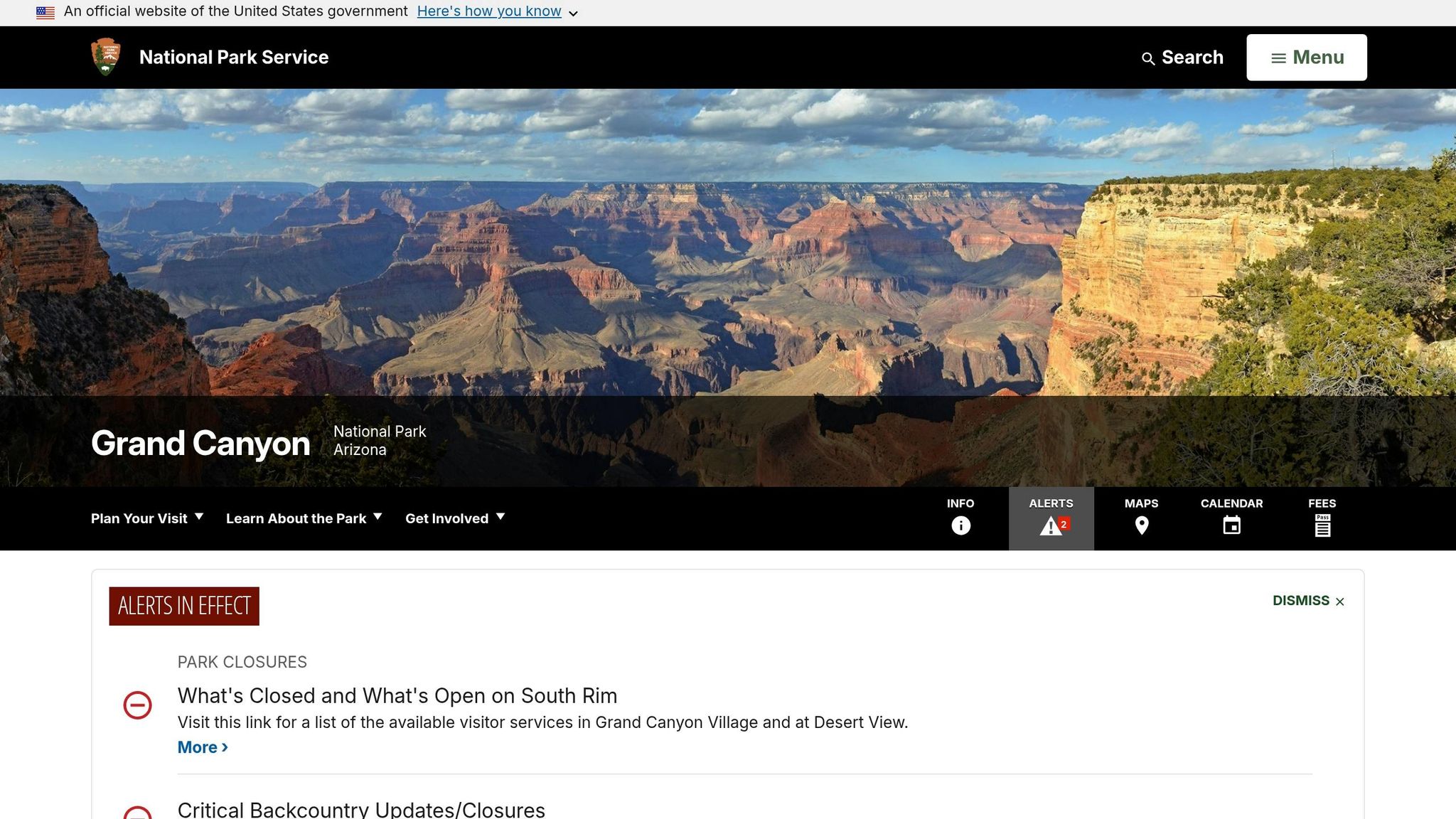
On the South Rim, you’ll find water refill stations at trailheads, visitor centers, and Hermits Rest. The North Rim offers refill points at the North Kaibab Trailhead, the North Rim Visitor Center, and the Backcountry Office. Since water availability can change with the seasons – especially in the inner canyon – make sure to check the "Backcountry Updates and Closures" page before you head out. If you have specific questions, you can call the Grand Canyon Backcountry Information Center at 638‑7875.
Yosemite National Park
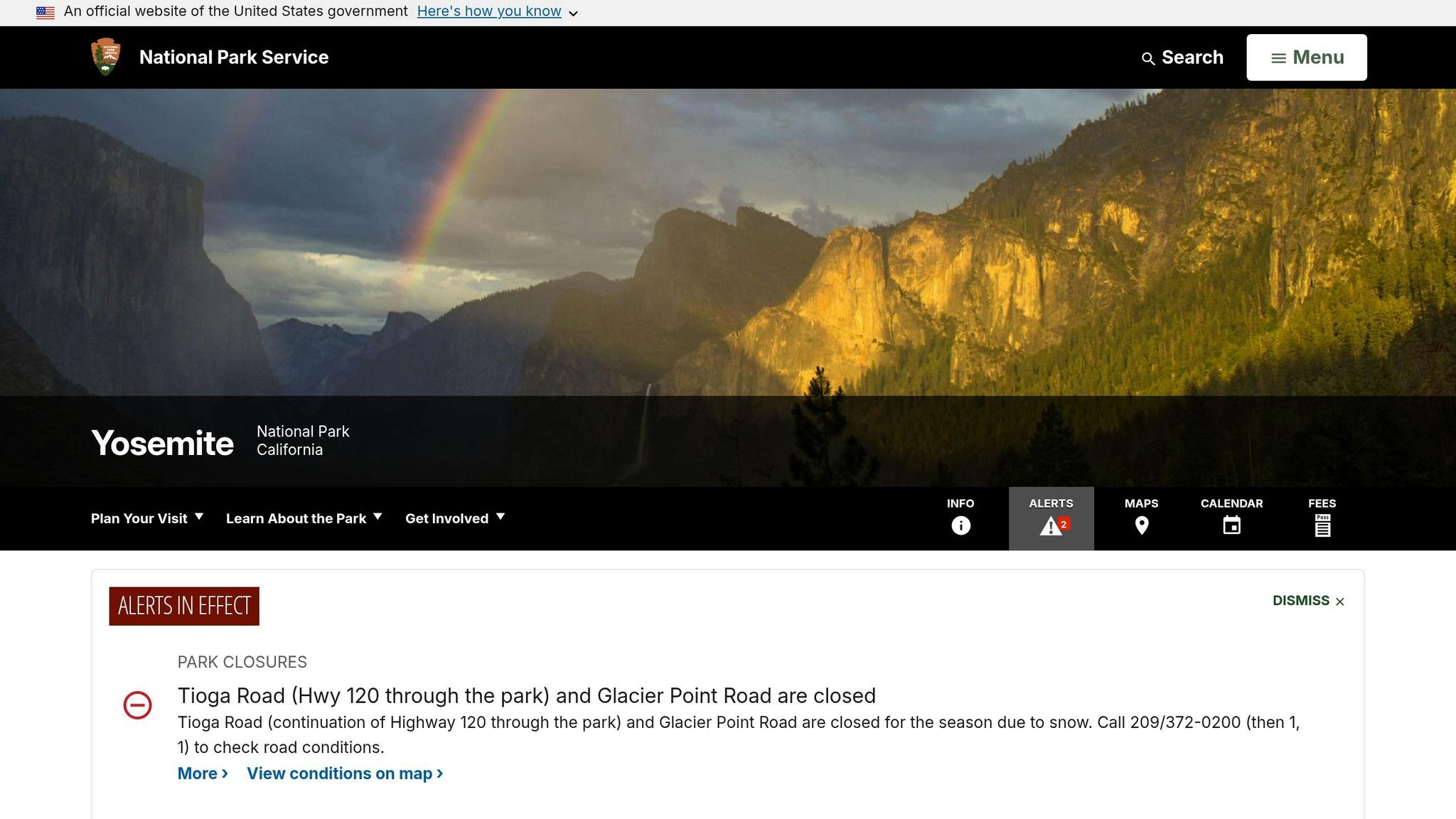
Trailhead restrooms with flush toilets, such as those at Happy Isles, Yosemite Falls (Camp 4), Rafferty Creek, Lyell Canyon, and the Mariposa Grove Welcome Center, provide access to drinking water. However, vault toilet sites like May Lake, Porcupine Creek, and Mirror Lake do not offer water. During the summer, additional water is available at trailheads in the Glacier Point area, including the Pohono Trail and the route from Glacier Point to Little Yosemite Valley. All designated RV campgrounds, including Upper Pines, Lower Pines, Wawona, and Tuolumne Meadows, also have potable water available.
Big Bend National Park
Big Bend offers refrigerated refill stations at Panther Junction, Rio Grande Village, and the Chisos Basin Visitor Center, where you can enjoy free Big Bend spring water. Potable water is also accessible at sinks and fountains in campgrounds and park facilities. However, in remote or backcountry areas, there are no refill stations. Natural water sources, like Boot Spring, are often dry and unreliable. These refill locations make it easier to plan a safe and hydrated visit.
How to Find Water Refill Points in Any National Park
When online details about water refill points are scarce, there are still plenty of ways to locate them. One of the best tools is the official NPS App. This app includes an "Amenities" feature that allows you to filter for water refill stations, restrooms, and food services across more than 400 national parks. Its interactive maps highlight the locations of water bottle filling stations and potable spigots, and you can even download park-specific content to use offline in remote areas. With over 6 million downloads and a 97% positive feedback rating, it’s a reliable resource for your park adventures.
Using National Park Service Apps and Maps
Park maps and trail guides are also handy tools, often marked with icons that identify frost-free hydrants and developed water fountains. These symbols help you figure out which water sources are available year-round and which are seasonal, as some may be turned off during winter. The NPS App takes this a step further with GPS-linked locations that work offline, so even if you’re deep in the park, you can navigate to the nearest refill station. Additionally, the "Plan Your Visit" section on official park websites lists potable water sources and includes any current water quality alerts. If you don’t have access to digital tools, park staff can provide the latest updates on water availability.
Asking Staff at Visitor Centers
Visitor center staff are a great resource when it comes to finding water refill points. They can tell you which water sources are operational and clarify whether certain stations are "seasonal" or "year-round." This is especially helpful during colder months when many campground and picnic area spigots are winterized. Some parks also have dedicated phone lines you can call for updates. For instance, Saguaro National Park offers water status information at 520-733-5153.
Bringing Reusable Water Bottles
Carrying a reusable water bottle is not only practical but also environmentally friendly. It allows you to take full advantage of refill stations while cutting down on plastic waste. Plus, refilling your bottle with park spring water is free, unlike buying packaged water, which contributes to greenhouse gas emissions during production and transport. A sturdy, refillable container is essential for staying hydrated and prepared for your outdoor adventures. These strategies ensure you’ll always have access to safe drinking water, keeping your explorations stress-free and enjoyable.
sbb-itb-00512f3
Safe Refilling and Hydration Tips
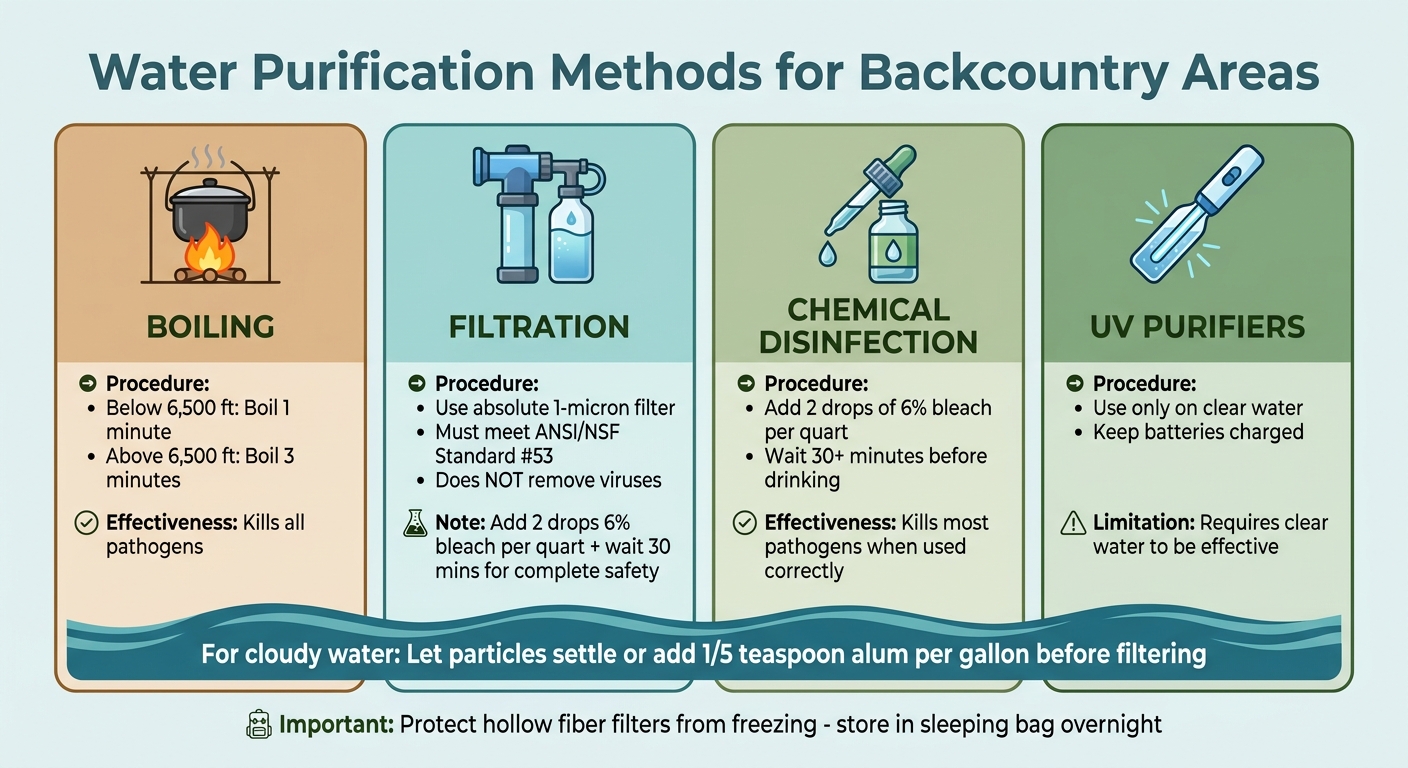
Water Purification Methods for National Park Backcountry Hiking
Checking Water Quality and Seasonal Availability
When relying on refill stations for water, make sure they are operational. These can include visitor centers, campgrounds, or designated filling stations. If you’re considering natural water sources, remember that they must be treated before drinking.
Check the park’s "Plan Your Visit" page or contact staff to stay informed about issues like harmful algal blooms, cyanobacteria, or chemical spills. For instance, in Zion National Park, some cyanotoxins found in rivers cannot be removed with typical recreational filtration or disinfection methods. Always stick to official safety information from websites ending in .gov and ensure the site uses HTTPS.
At higher elevations, refill stations may only operate seasonally since pipes can freeze during winter. Look at the "Current Conditions" or "Backcountry Updates" pages to confirm which stations are active.
Before handling water, wash your hands or use hand sanitizer. Additionally, make sure your water containers are thoroughly cleaned and sanitized to avoid contamination.
These steps are critical, especially when refill stations are unavailable, to ensure safe water collection.
Using Filtration Methods for Backcountry Water
When hiking in areas without refill stations, carrying a portable filtration system is a must. Water from natural sources requires both filtration and disinfection before it’s safe to drink. Use a filter with an absolute pore size of 1 micron or smaller, or one that meets ANSI/NSF Standard #53 for cyst removal. Keep in mind that most microfilters don’t eliminate viruses, so the National Park Service advises adding 2 drops of 6% bleach per quart of filtered water, then letting it sit for 30 minutes.
Boiling is another reliable method to kill all pathogens. The boiling times vary based on elevation:
- Boil for 1 minute if you’re below 6,500 feet.
- Boil for 3 minutes if you’re above 6,500 feet.
| Method | Procedure for Safety |
|---|---|
| Boiling | 1 min (below 6,500 ft); 3 mins (above 6,500 ft) |
| Filtration | Use an absolute 1-micron filter (ANSI/NSF #53) |
| Chemical Disinfection | Add 2 drops of 6% bleach per quart; wait 30+ mins |
| UV Purifiers | Use only on clear water; keep batteries charged |
If the water is cloudy, let the particles settle or add alum (1/5 teaspoon per gallon) before filtering. Also, protect hollow fiber filters from freezing by keeping them in your sleeping bag overnight – freezing can permanently damage them if they’re wet.
Once your water is safe to drink, the next step is staying aware of your hydration needs.
Recognizing Signs of Dehydration
Don’t wait until you’re thirsty to start drinking water, especially in hot weather. This is particularly important in desert parks like Saguaro, where summer temperatures can be extreme.
Early signs of dehydration include headaches, dizziness, fatigue, and dark-colored urine. In hot environments, pair your water intake with salty snacks or electrolyte replacements to avoid hyponatremia, a potentially dangerous sodium deficiency. Be extra cautious during the hottest part of the day, typically between 10 AM and 4 PM.
Follow the half-way rule: turn back from your hike once you’ve used half of your water supply. This ensures you have enough water for the return trip and helps keep your adventure safe.
Conclusion
Planning your water refill stops is key to enjoying a safe and responsible park visit. It’s important to know where to find potable water ahead of time, especially since many fountains and spigots are often turned off during the winter months. Taking the time to prepare ensures your safety while also helping to preserve park resources.
Carrying a reusable water bottle does more than keep you hydrated – it’s an easy way to help protect the parks you love. By using refill stations, you cut down on plastic waste and avoid the environmental toll of producing and transporting disposable bottles.
For backcountry adventures, don’t forget to bring a water filtration system or be prepared to boil water. Natural sources may look clean, but they still need purification to ensure they’re safe to drink. Starting the process early ensures you’ll have clean water when you need it most.
Being thoughtful about hydration not only keeps you healthy but also helps maintain the beauty and integrity of the parks for years to come. Whether you’re strolling maintained trails or trekking through remote wilderness, staying hydrated and reducing waste are always the right moves.
FAQs
How much water should I carry for a hike?
The water you’ll need for a hike varies depending on things like the temperature, how long you’ll be hiking, and how active you are. A good rule of thumb is to bring at least 2 liters per day, but if it’s hot or you’re tackling a tough trail, you might need 3 liters or more. For desert hikes, where water sources can be hard to find, plan on carrying 6–8 liters. Always pack enough to keep yourself hydrated based on the demands of your specific hike.
What’s the safest way to treat backcountry water?
The National Park Service advises making backcountry water safe to drink by disinfecting it properly. Start by filtering out any silt or particles. After that, use one of several methods to eliminate harmful pathogens: boiling the water, treating it with chemicals like iodine or chlorine tablets, or using UV purification devices. To avoid contamination, wash your hands before collecting the water. If the water is muddy or cloudy, allow it to settle before beginning the disinfection process for the most effective results.
How can I find refill stations when I have no signal?
To find refill stations when you’re off the grid, rely on offline tools like park maps or pre-downloaded apps. Many national parks offer maps or signs that highlight water refill spots, particularly around visitor centers or other developed locations. By planning in advance, you can ensure you’ll have this information handy even without a signal. Additionally, some parks label water sources like fountains or hydrants directly on-site, making them easy to spot.