
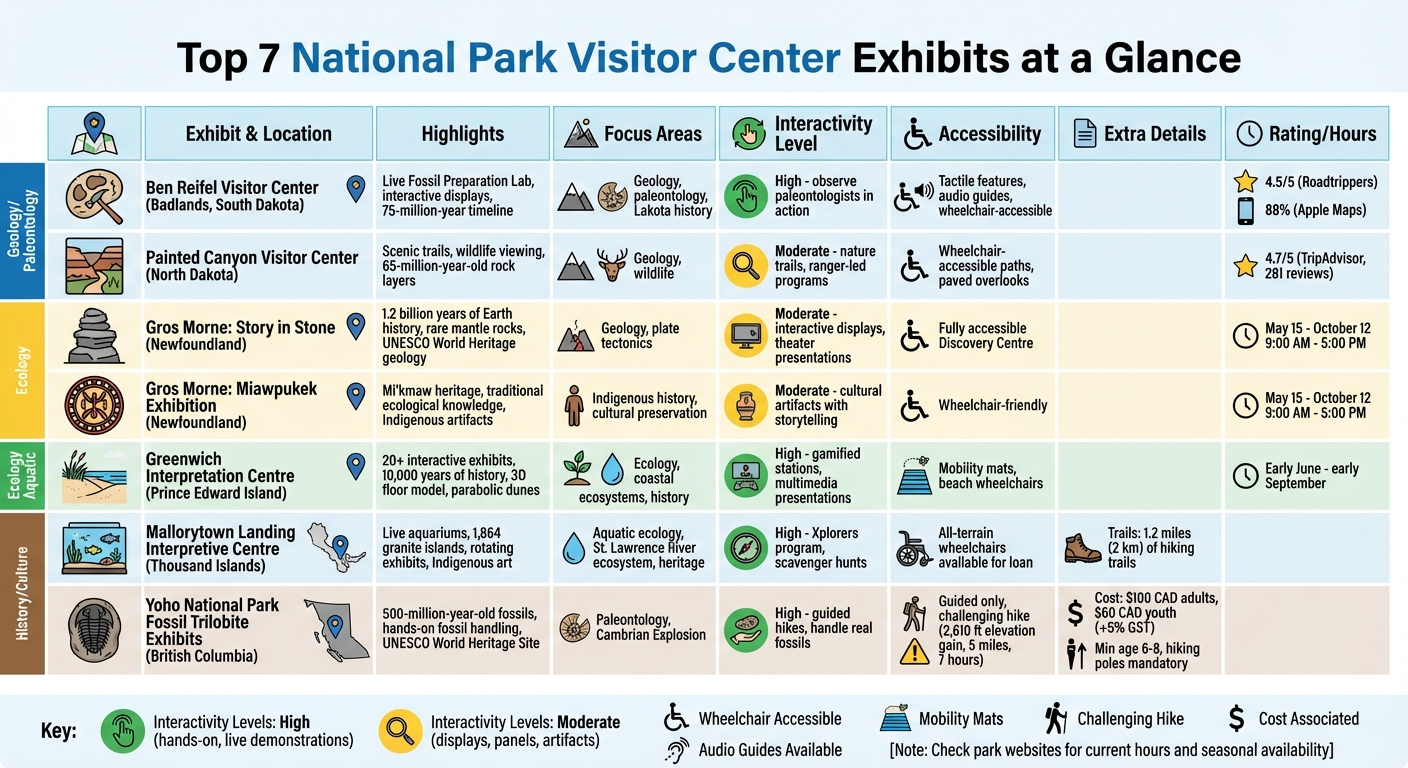
Visitor centers in national parks offer engaging exhibits that bring history, geology, and ecosystems to life. From fossil labs to interactive displays, these spaces provide an in-depth look at natural and human stories. Here’s a quick overview of the top exhibits:
- Ben Reifel Visitor Center (Badlands): Features a live Fossil Preparation Lab and a 75-million-year timeline of geology and Lakota history.
- Painted Canyon Visitor Center: Showcases the geological evolution of North Dakota’s badlands with scenic trails and wildlife viewing.
- Gros Morne: Story in Stone: Explains 1.2 billion years of Earth’s history, including rare mantle rocks and ancient ocean formations.
- Gros Morne: Miawpukek Exhibition: Highlights Mi’kmaw traditions and ecological knowledge through artifacts and storytelling.
- Greenwich Interpretation Centre: Offers interactive multimedia exhibits on PEI’s coastal ecosystems and parabolic dunes.
- Mallorytown Landing Interpretive Centre: Features live aquariums, rotating exhibits, and Indigenous heritage in the Thousand Islands region.
- Yoho National Park Fossil Trilobite Exhibits: Guided hikes to 500-million-year-old fossils with rare soft-tissue impressions.
These exhibits combine education with hands-on experiences, making them must-visits for park enthusiasts.
Quick Comparison
| Exhibit | Highlights | Focus Areas | Accessibility |
|---|---|---|---|
| Ben Reifel Visitor Center | Fossil lab, interactive displays | Geology, paleontology, Lakota | Tactile features, audio guides |
| Painted Canyon Visitor Center | Scenic trails, wildlife viewing | Geology, wildlife | Wheelchair-accessible paths |
| Gros Morne: Story in Stone | Rare mantle rocks, geological history | Geology | Fully accessible |
| Miawpukek Exhibition | Mi’kmaw heritage, ecological knowledge | Indigenous history | Wheelchair-friendly |
| Greenwich Interpretation Centre | Multimedia, coastal ecosystems | Ecology, history | Mobility mats, beach wheelchairs |
| Mallorytown Landing | Aquariums, Indigenous art | Aquatic ecology, heritage | All-terrain wheelchairs |
| Yoho Trilobite Exhibits | Guided hikes, fossil handling | Paleontology | Guided only, challenging hike |
These visitor centers provide a mix of history, science, and interactive learning, offering something for everyone.
Top 7 National Park Visitor Center Exhibits Comparison Guide
VISITING Everglades Visitors Center – Ernest F Coe Tour
sbb-itb-00512f3
1. Ben Reifel Visitor Center Fossil and Geology Displays
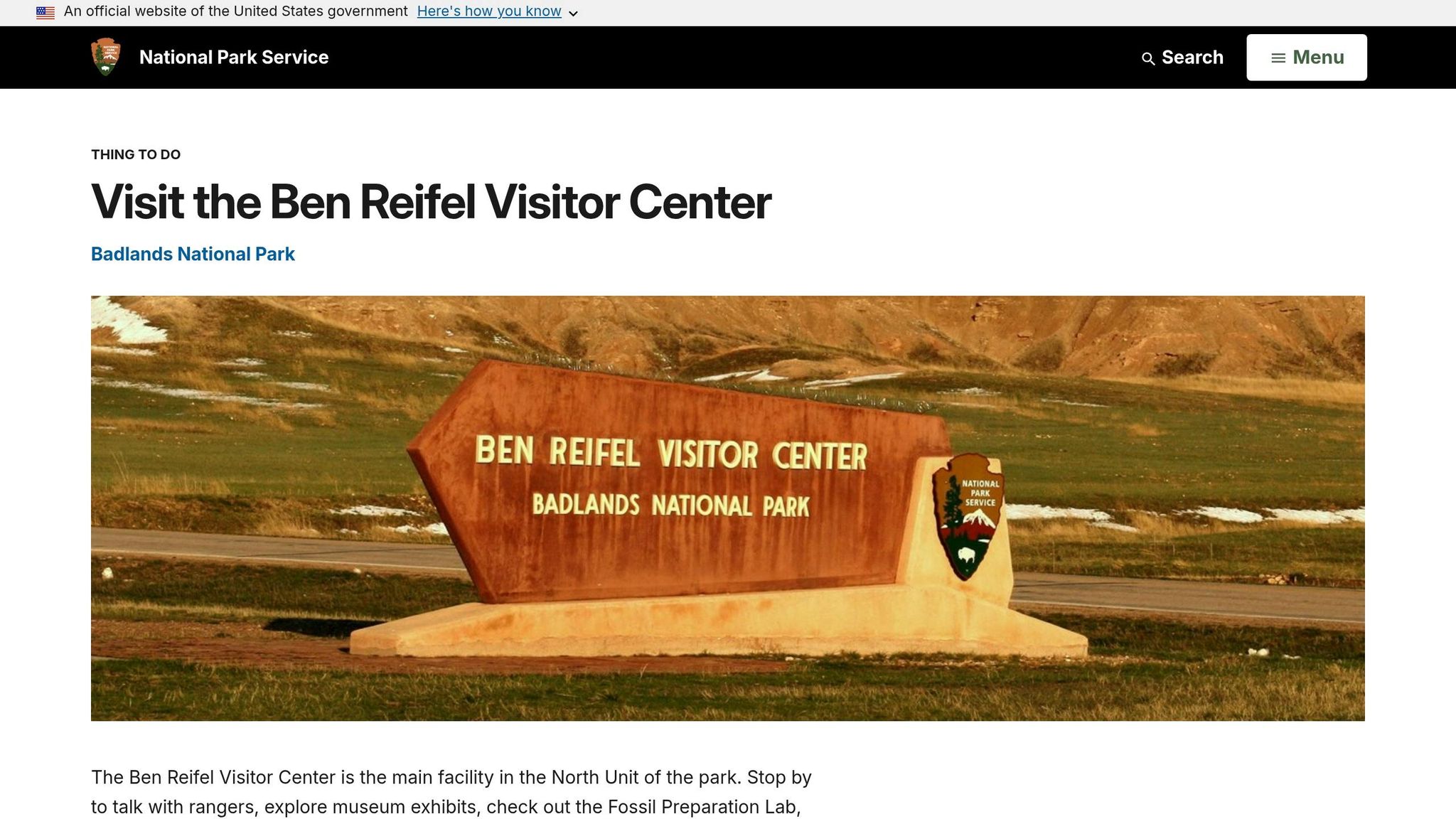
At Badlands National Park in South Dakota, the Ben Reifel Visitor Center offers a unique experience with its Fossil Preparation Lab. Here, paleontologists and interns work daily from mid-June to mid-September, carefully removing rock, identifying species, and cataloging fossils. Unlike traditional museum setups, this lab provides a front-row seat to ongoing scientific work, making it an exciting stop for visitors curious about the natural world.
Educational Value: Geology, History, and Ecology
The exhibits at the center cover an impressive 75-million-year timeline. You’ll start with mosasaurs, ancient marine reptiles that swam in what was once an inland sea, and move through the Cenozoic "Age of Mammals." The journey concludes with a look at the 11,000-year history of the Lakota people, who still live near the park today.
In September 2024, researchers Ed Welsh and Mattison Shreero added to this rich narrative by publishing findings on Santuccimeryx, a new genus of hornless deer that lived in the Badlands 32 million years ago. Visitors can now see a replica of Archaeotherium, a related entelodont species, as part of the center’s exhibits.
"From the mosasaurs which swam through the Badlands area 75 million years ago to more recent history with the Lakota who live south of the park today, these exhibits cover a vast time period and all of the different stories which come together to make the Badlands special." – National Park Service
This comprehensive timeline provides a fascinating backdrop for the center’s interactive features.
Interactivity and Engagement
The center goes beyond traditional displays by offering hands-on exhibits and audio-visual elements. Visitors can engage directly with rangers and paleontologists to learn about earth science and the latest research. For younger guests, the Junior Paleontologist program provides an opportunity to explore the exhibits through educational activities and earn a badge, adding an extra layer of fun.
Accessibility and Visitor Experience
The Ben Reifel Visitor Center is designed to accommodate everyone. It features ramp entrances, wide exhibit paths for wheelchair users, accessible seating in its 95-person theater, and tactile exhibits for visitors with low vision or blindness. Additional resources include audio-described or text-only brochures and captioned versions of the park’s 25-minute film, The Land of Stone and Light.
While the center operates shorter hours during the winter (8:00 AM – 4:00 PM or 9:00 AM – 4:00 PM), it continues to receive glowing reviews. With a 4.5/5 rating on Roadtrippers and an 88% rating on Apple Maps, visitors often highlight the "friendly and helpful" staff and the high-quality interactive displays.
2. Painted Canyon Visitor Center Scenic and Wildlife Exhibits
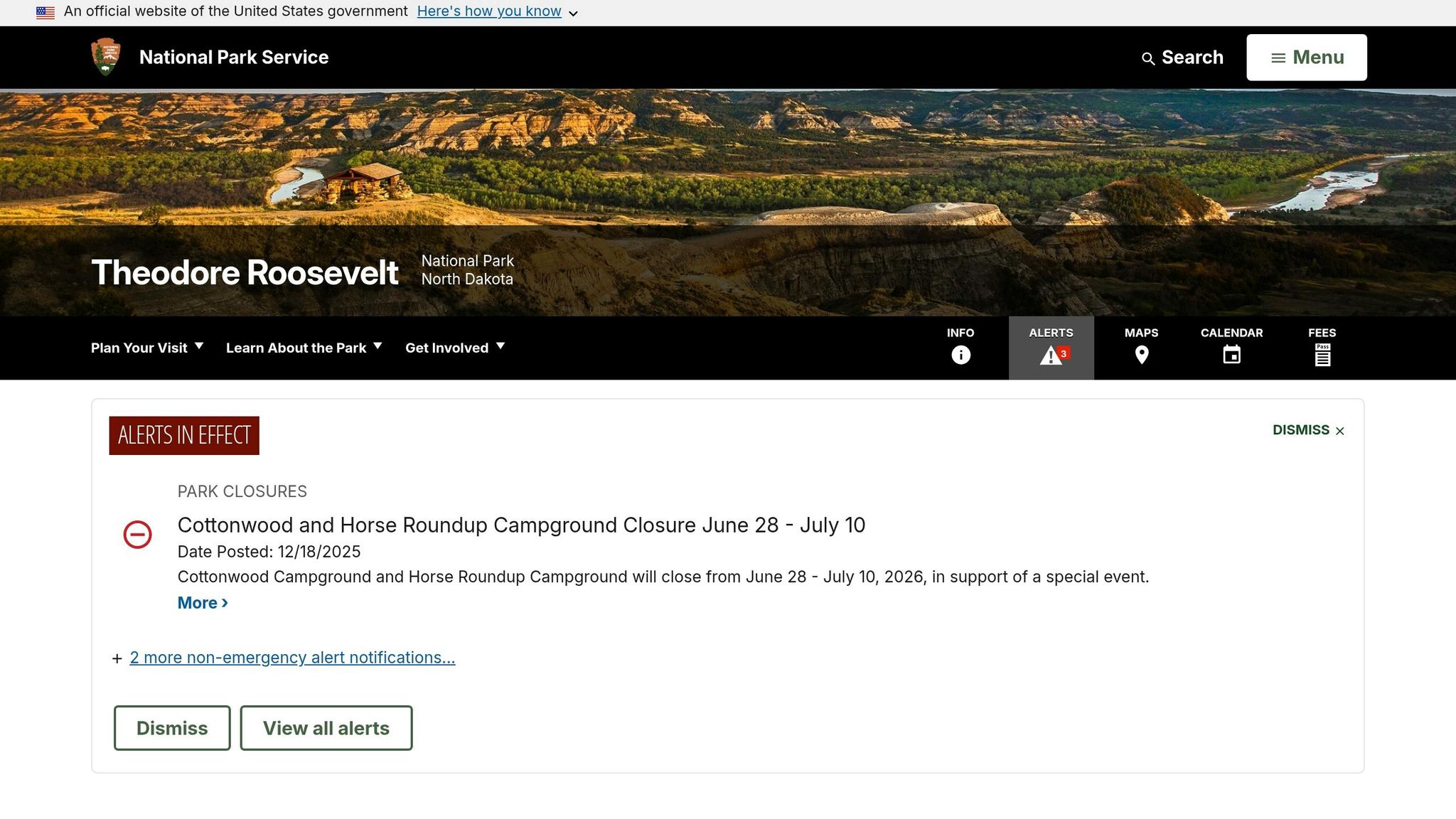
Just 7 miles east of Medora, North Dakota, on I-94, the Painted Canyon Visitor Center offers a mix of geological insights and live wildlife viewing. The center dives into the origins of the canyon’s striking "painted" appearance, which comes from layers of colorful rock deposited roughly 65 million years ago during the Paleogene epoch. It also serves as a gateway to the surrounding natural beauty.
Educational Value: Geology, History, and Ecology
The exhibits take you on a journey through the region’s geological past, starting with its transformation from a swampy plain gathering sediment from the Rocky Mountains. You’ll learn about the process of differential erosion, where harder sandstone shields softer clay beneath it, resulting in the rugged, "fantastically broken" badlands landscape Theodore Roosevelt once described. The displays also explain how, about 2 million years ago, massive ice sheets from Canada pushed southward, altering river flows and speeding up the canyon’s formation. By combining lessons on geological forces with a look at the area’s living wildlife, the center adds depth to any park visit.
Interactivity and Engagement
This isn’t just a place for static displays – step outside and you’re right on the Painted Canyon Nature Trail, where bison are often seen grazing near the parking lot. Inside, park rangers are available to help you plan your visit, answer questions about the rock formations, and guide you to a park film and interpretive signs along the canyon rim trail. These signs explain how natural forces like the Little Missouri River, wind, and water continue to shape the canyon today. Visitors love the experience, as reflected by its 4.7/5 TripAdvisor rating from 281 reviews, with many praising the sweeping views and frequent wildlife encounters.
Accessibility and Visitor Experience
The visitor center is free to enter and designed to accommodate everyone. It features wheelchair-accessible entrances, paved paths, restrooms, and plenty of accessible parking spaces. Other amenities include a picnic area, water bottle-filling stations, and a gift shop stocked with educational materials. Operating hours usually extend after June 1, but springtime access can be limited – so it’s worth checking the schedule ahead of time. Even those with limited mobility can take in the stunning North Dakota Badlands from nearby paved overlooks, making this a stop that everyone can enjoy. The combination of thoughtful design and engaging exhibits ensures a memorable experience for all visitors.
3. Gros Morne: The Story in Stone Geology Exhibit
At the Discovery Centre in Woody Point, Newfoundland, this exhibit packs an incredible 1.2 billion years of Earth’s history into an engaging narrative. Visitors learn about the forces of plate tectonics, massive continental collisions, and the reshaping of landscapes – key elements that earned Gros Morne its UNESCO World Heritage status.
Educational Value: Geology, History, and Ecology
The exhibit dives deep into the story of the Iapetus Ocean, which began forming roughly 570 million years ago and disappeared around 475 million years ago due to tectonic activity. It highlights the Tablelands, a striking area where ultramafic rocks like peridotite and serpentinite – usually found deep in the Earth’s mantle – have been pushed to the surface, creating a barren, otherworldly terrain. Visitors also learn about the Long Range Mountains, which consist of ancient Precambrian granite and gneiss, and the fascinating Mohorovicic Discontinuity (Moho), a rare visible boundary between the Earth’s crust and mantle. This geological journey provides a foundation for the exhibit’s interactive and thought-provoking experiences.
Cultural and Scientific Significance
"Gros Morne: The Story in Stone exhibition explains the rock formations that secured Gros Morne’s UNESCO status – a tale of continents, reborn oceans, and transformed mountain chains." – Parks Canada
The exhibit also highlights Green Point, home to the Global Boundary Stratotype Section and Point (GSSP), which marks the official boundary between the Cambrian and Ordovician periods. Another key feature is the ophiolite sequence, a complete section of ancient seafloor made up of layers like peridotite, dunite, gabbro, sheeted dykes, and pillow basalt. By blending these scientific marvels with cultural insights, the exhibit offers a deeper understanding of Earth’s ancient history and its influence on humanity.
Interactivity and Engagement
The Discovery Centre goes beyond static displays with interactive exhibits, live programming, and a theater that brings geological history to life. Knowledgeable staff are on hand to help visitors plan their trips to nearby geological landmarks, while the Parks Canada app provides tools for self-guided exploration, including features like the Tablelands. The Lookout Trail starts right at the Centre, offering a chance to experience the rugged beauty of the Tablelands up close. To add a creative touch, the on-site art gallery features rotating exhibitions, enriching the experience with artistic interpretations of the park’s natural wonders.
Accessibility and Visitor Experience
The Discovery Centre welcomes guests daily from 9:00 a.m. to 5:00 p.m., between May 15 and October 12. Access requires a National Park entry pass. Amenities include a gift shop, café, restrooms, and picnic tables, ensuring a comfortable visit. Recent federal funding of $10 million has upgraded visitor facilities across Gros Morne National Park, enhancing the experience within this vast 697-square-mile natural treasure.
4. Gros Morne: Miawpukek – The Middle River Exhibition
This exhibition shifts the focus from geological wonders to the enduring heritage of Indigenous communities. Located at the Discovery Centre in Woody Point, it highlights the story of the Miawpukek First Nation (Conne River), a Mi’kmaw community from Newfoundland’s south coast. Launched in 2021, the exhibit explores the continuous Indigenous presence in the region, dating back to prehistoric times [38,42].
Cultural and Scientific Significance
The exhibit is the result of an intensive three-month research collaboration. Artists Pam Hall and Jerry Evans partnered with the Miawpukek First Nation Band Council to honor Mi’kmaq ancestry and traditions. Together, they spotlighted what Hall calls "local knowledge", encompassing skills like canoe-building, traditional crafts, hunting, fishing, and food preservation.
"It is a privilege to reveal a small fragment of this local knowledge in a way it can be preserved, shared and brought into conversations about how we inhabit our places." – Pam Hall, Artist
Educational Value: History and Ecology
Visitors can gain insight into traditional ecological knowledge, such as foraging, hunting practices, and methods of preserving food – skills passed down through generations. The exhibit also incorporates translations into the Mi’kmaq language, preserving a vital part of this heritage that is often undocumented. For those looking to deepen their understanding, the nearby Mattie Mitchell Trail offers a chance to learn about a celebrated Mi’kmaw hunter and guide, recognized as a person of national historic significance [39,40].
Accessibility and Visitor Experience
The exhibition is included with the standard Gros Morne National Park pass and can be visited during the Discovery Centre’s operating season, from May 15 to October 12, between 9:00 a.m. and 5:00 p.m. [32,44]. Thanks to Parks Canada’s $12 million investment in visitor facilities, the exhibit benefits from improved accessibility and a stronger emphasis on Indigenous perspectives across the park.
5. Greenwich Interpretation Centre Multimedia Exhibits
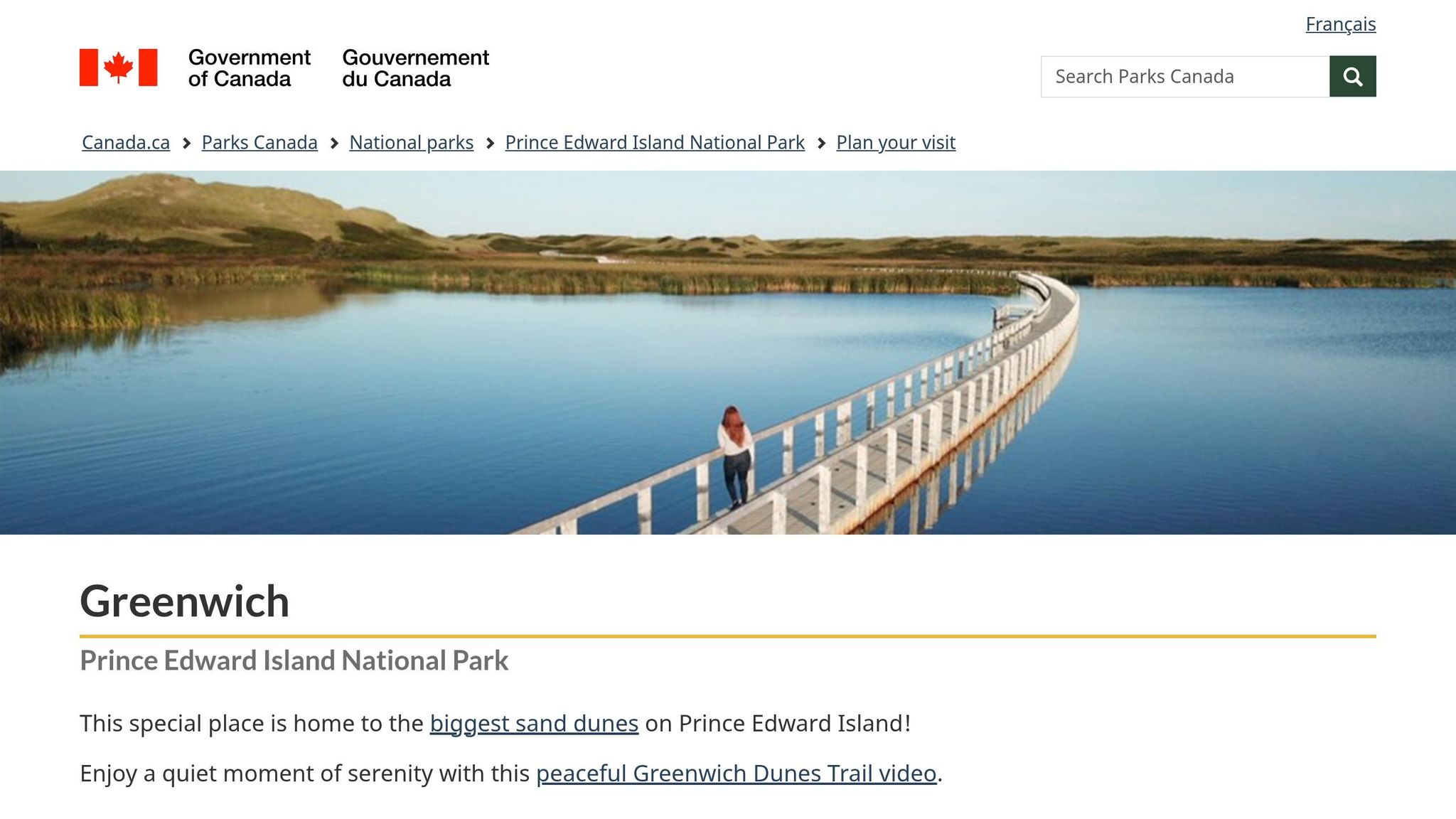
The Greenwich Interpretation Centre takes visitor experiences to the next level by blending technology with storytelling to explore natural and cultural history. Situated at the eastern entrance to Prince Edward Island National Park, the center offers over 20 interactive exhibits that span 10,000 years of history. Through hands-on activities and digital media, visitors can guide their own learning journey, moving beyond the static displays found in traditional museums.
Interactivity and Engagement
The center features gamified stations like the Shell Game, Shorebird Challenge, and Dune Plant quiz, which invite visitors to identify coastal species and learn about the delicate balance of local ecosystems. A standout feature is the 3D in-floor model of the Greenwich Peninsula and St. Peters Bay, offering a unique perspective of the area’s geography.
Another highlight is the 12-minute multimedia presentation, Wind, Sea and Sand: The Story of Greenwich. This visually rich experience explains how natural forces shaped the rare parabolic dunes in the region. The newest addition, unveiled in June 2023, is the "Aquatic Species at Risk" exhibit. It showcases life-size models of marine species like the great white shark, leatherback sea turtle, Atlantic wolffish, and winter skate, paired with videos and panels focused on marine conservation in Atlantic Canada.
Educational Value: Geology, History, Ecology
The exhibits delve into the area’s history, from the prehistoric Mi’kmaq communities to the French, Acadian, Scottish, Irish, and English settlers. A Time Line display traces this enduring human presence. On the ecological side, visitors can explore the fragile coastal dune system and learn about the rare plants found within the park’s 900 acres, which include the island’s highest sand dunes.
Accessibility and Visitor Experience
The center ensures accessibility with wheelchair-friendly facilities and bilingual services. Admission is free for visitors 17 and under, while adults pay the standard fee. Open seasonally from early June to early September, it’s best to check operating hours before planning your trip. The Greenwich Interpretation Centre seamlessly combines education and technology, creating an engaging and informative experience for all visitors.
6. Mallorytown Landing Interpretive Centre Aquarium and Traveling Exhibits
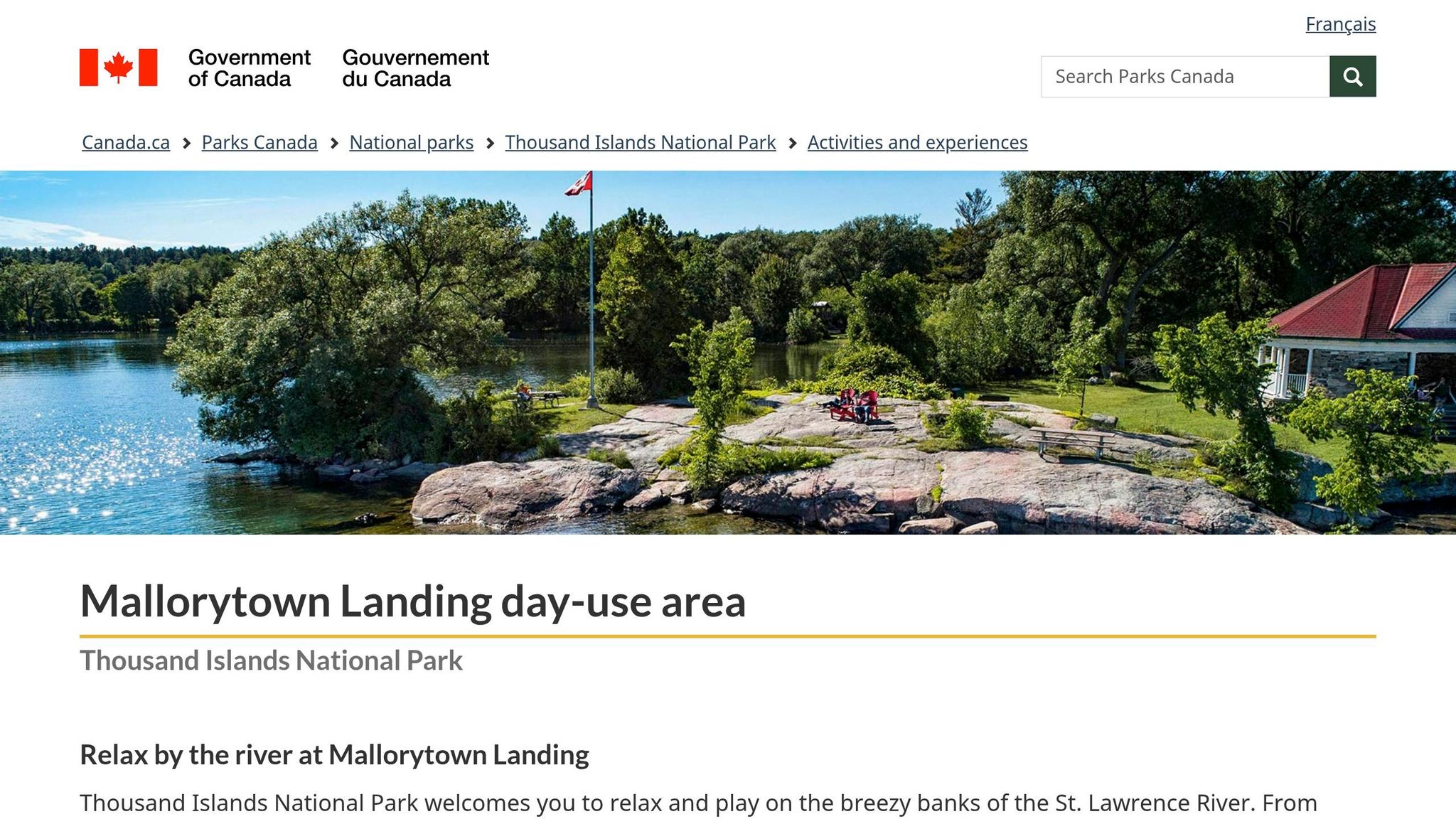
Nestled at the mainland hub of Thousand Islands National Park – the first national park established east of the Canadian Rockies – the Mallorytown Landing Interpretive Centre invites visitors to explore a region defined by its 1,864 granite islands. The center features live animal displays, including aquariums that showcase local fish species and small wildlife, offering a fascinating glimpse into the ecosystem of the Thousand Islands. As Visit 1000 Islands puts it:
"The Visitor Centre and exhibits offer a window on the Thousand Islands".
Beyond its permanent exhibits, the center also hosts rotating displays that delve into the area’s natural history and heritage, creating an engaging mix of education and discovery.
Interactivity and Engagement
The center is designed to captivate visitors of all ages with hands-on activities and interactive exhibits. Kids can dive into the Parks Canada Xplorers program, which provides activity booklets that guide them through exhibits and outdoor features. Completing the program earns them a certificate and a collectible souvenir. Families can also enjoy a scavenger hunt, searching for rock carvings of the Mohawk Thanksgiving Address scattered throughout the site. Outside, the themed playground adds a touch of storytelling to playtime, with structures like a river rat boat, a bird’s nest swing, and a turtle-shaped climbing rock.
Honoring Heritage and Art
The interpretive center also celebrates Indigenous heritage and the park’s history through art and cultural installations. A central rock carving at a scenic lookout pays tribute to the Mohawk Thanksgiving Address, while a 40-meter (about 131-foot) mural by Jan Swaren and osprey sculptures by Alanna Baird add artistic depth to the space. Visitors can also explore the 1904 Historical Pavilion, which highlights the park’s origins and the legacy of the Mallory family’s land grant.
Accessibility and Visitor Amenities
Conveniently located at 1121 Thousand Islands Parkway, the center is easily accessible for families and groups traveling between Montreal, Toronto, and Ottawa. Visitors can borrow guidebooks to identify wildlife in the butterfly gardens and bird boxes on-site. For those who enjoy hiking, the center offers approximately 1.2 miles (2 kilometers) of trails through red pine plantations and rocky mixed forests, with both easy and moderate loops available. Additional amenities include parking, boat docking, beaching, and camping facilities. For overnight stays, the park offers five oTENTik roofed accommodations, blending the comfort of a cabin with the charm of camping. Fees apply for these services, ensuring a well-maintained experience for all.
7. Yoho National Park Fossil Trilobite Exhibits
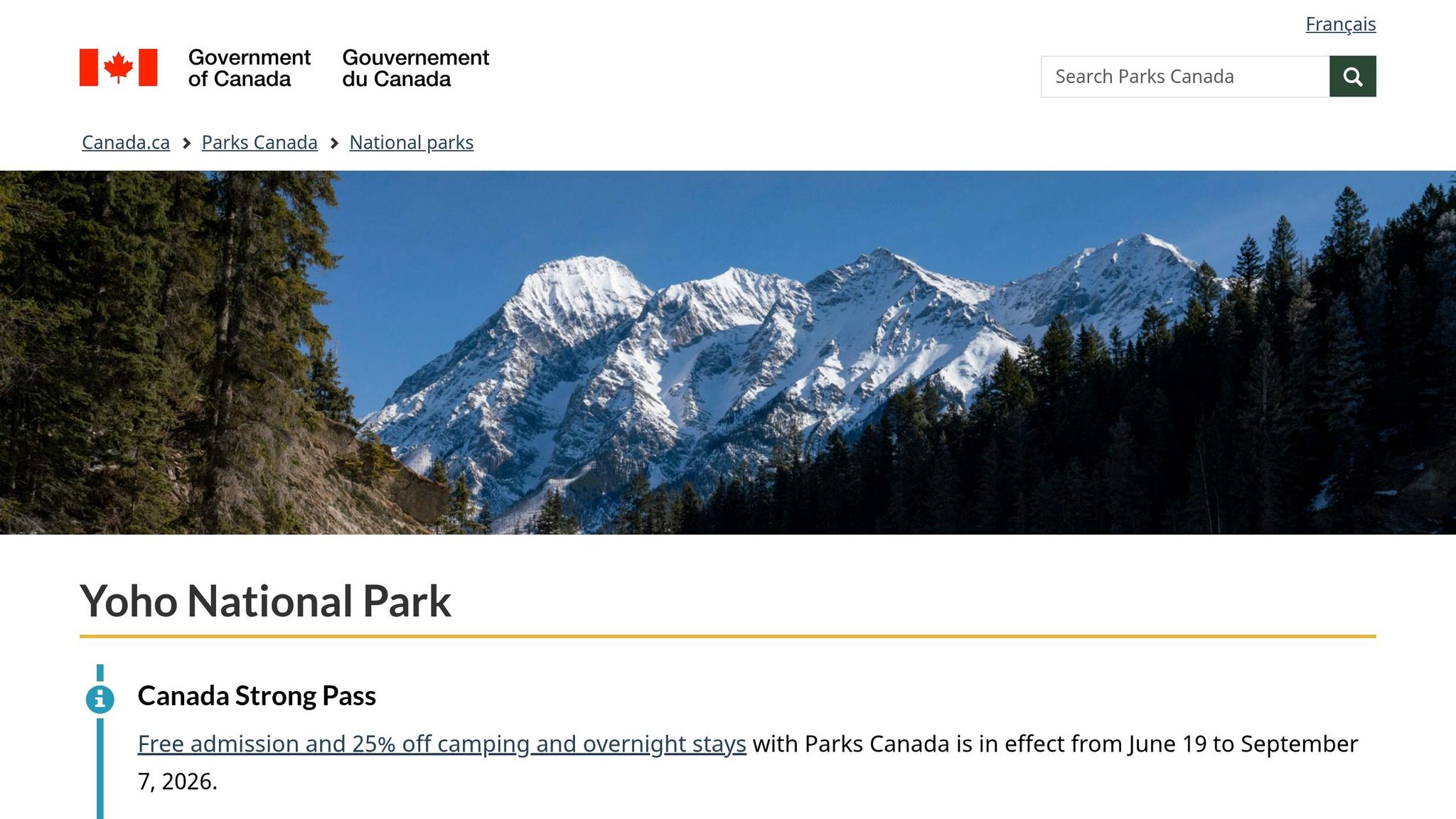
Yoho National Park in British Columbia offers visitors a rare chance to interact with 500-million-year-old trilobite fossils at the Mount Stephen Trilobite Beds. Unlike traditional museum displays encased in glass, this site allows you to see and even handle fossils in their natural setting. Among the treasures are rare soft-tissue impressions that reveal details like nervous systems, hearts, and livers. As part of the UNESCO Canadian Rocky Mountain Parks World Heritage Site, this area is celebrated as "one of the most significant fossil areas in the world".
Educational Value (Geology, History, Ecology)
Guided hikes at the Mount Stephen Trilobite Beds offer an incredible window into Earth’s distant past. Parks Canada interpreters provide a deep dive into the Cambrian Explosion, a pivotal era when complex animal life began to flourish. They explain how ancient mudslides at the base of the Cathedral Escarpment trapped organisms in oxygen-poor sediment, preserving them in extraordinary detail.
Visitors also learn about trilobites – nicknamed "stone bugs" by railway workers who first unearthed them in 1886. These creatures thrived for over 250 million years before the Permian extinction event wiped out most marine species. Among the fossils you’ll encounter are species like Ogygopsis klotzi, Olenoides serratus, and fragments of the ancient predator Anomalocaris canadensis. This hands-on experience brings Earth’s ancient history to life in a way that complements more traditional exhibits.
Yoho’s approach turns fossil exploration into an active, immersive journey through deep time, offering a perspective that goes far beyond passive observation.
Accessibility and Visitor Experience
Access to the Mount Stephen Trilobite Beds is restricted to guided hikes, ensuring the preservation of this remarkable site in accordance with the National Parks Act. The hike itself is challenging, featuring a 2,610-foot elevation gain over a 5-mile round trip, which takes about 7 hours to complete. Hiking poles are mandatory due to the steep descent, and the trail is not suitable for those with knee, back, or ankle issues.
Reservations for the 2026 season will open on Tuesday, January 20, 2026, at 8:00 a.m. MT. Pricing for hikes led by the Burgess Shale Geoscience Foundation is $100 CAD for adults (ages 19–75) and $60 CAD for youth (ages 6–18), plus a 5% GST and a required national park pass. The minimum age for participants is 6 for foundation-led hikes and 8 for Parks Canada tours. All guided hikes begin at the Yoho National Park Visitor Centre in Field, British Columbia.
This blend of physical challenge, expert guidance, and direct interaction with ancient fossils makes the experience truly unforgettable for those who embark on it.
Exhibit Comparison Table
These visitor center exhibits offer a variety of experiences, from hands-on fossil activities to engaging multimedia displays. Below is a comparison of key exhibits, highlighting their interactivity, educational themes, scientific relevance, and accessibility features to help you plan your visit.
| Exhibit | Interactivity Level | Educational Focus | Scientific Importance | Accessibility Features |
|---|---|---|---|---|
| Ben Reifel Visitor Center (Badlands) | High – Observe paleontologists in action at the Fossil Preparation Lab and interact with them directly | Geology, paleontology | Fossils from ancient ecosystems | Standard NPS accessibility, tactile features, and audio descriptions |
| Gros Morne: Story in Stone | Moderate – Detailed geological displays and interpretive panels | Geology, plate tectonics | UNESCO World Heritage geology | Fully accessible Discovery Centre |
| Gros Morne: Miawpukek Exhibition | Moderate – Cultural artifacts paired with storytelling | Indigenous heritage, history | Miʹkmaq cultural preservation | Wheelchair-accessible facilities |
| Greenwich Interpretation Centre | High – Interactive multimedia stations and touchscreens | Ecology, coastal systems | Dune ecosystem conservation | Mobility mats and beach wheelchairs available |
| Mallorytown Landing | High – Aquarium exhibits with rotating displays | Aquatic ecology, wildlife | St. Lawrence River ecosystem | Wheelchair-accessible exhibits and all-terrain wheelchairs available for loan |
This table captures the unique offerings of each exhibit, making it easier to choose based on your interests and needs.
While many visitor centers have improved physical accessibility, some informational gaps remain. For specific accommodations, reach out to the park’s ADA coordinator.
Conclusion
Across seven remarkable exhibits, these visitor centers enhance your park visits by breaking down complex geological, ecological, and human stories into engaging, understandable experiences. At the Ben Reifel Visitor Center, you’ll find captivating fossil and geology displays, while Gros Morne’s Story in Stone reveals the area’s geological transformation. The Miawpukek Exhibition shares Indigenous perspectives, offering a human connection to the landscape, and the Greenwich Interpretation Centre uses interactive multimedia to illustrate coastal ecosystems. Together, these exhibits highlight the rich narratives and scientific marvels that make our national parks so extraordinary.
What truly distinguishes these exhibits is their use of immersive technology and authentic artifacts. Many feature tactile elements like rock samples and audio stations, creating a multi-sensory experience that’s especially engaging for families. As the National Park Service puts it:
"These places share the things that make each park special."
These visitor centers are more than just stops along the way – they are educational gateways. They help you grasp vast geological timescales, understand volcanic activity, and connect deeply with the natural and human histories of each park. By offering these insights, they transform your outdoor adventures into richer, more meaningful experiences.
Make these exhibits a priority on your next national park trip to uncover the incredible stories behind the landscapes you explore.
FAQs
Which exhibit is best for kids?
The Kids in Parks Junior Ranger programs are a fantastic way for children to dive into the wonders of national parks. With engaging activities and official badges to earn, these programs spark curiosity and make learning an adventure. For kids eight and under, the Explore Yellowstone exhibit at the Martin Children’s Discovery Center offers hands-on, sensory experiences. This interactive space highlights Yellowstone’s incredible wildlife and natural features, creating a memorable way for younger visitors to connect with nature.
Which exhibits are easiest to visit with limited mobility?
Visitor centers with features like ramps, wide doorways, and smooth pathways make it easier for individuals with limited mobility to explore. For instance, the Lodgepole Visitor Center has updated its exhibits and short films to better accommodate visitors with mobility challenges. Many national park visitor centers are designed with accessibility in mind, creating a welcoming experience for everyone.
Do I need reservations or a guide for any of these exhibits?
Reservations and guides aren’t usually necessary for places like the Lehman Caves Visitor Center, Fossil Butte National Monument, or Tallgrass Prairie Visitor Center. That said, if you’re planning certain activities or visiting with a large group, you might need to arrange ahead or secure permits. Be sure to review the specific park’s guidelines before your trip to avoid any surprises.