
National parks are a cyclist’s dream, offering scenic trails, car-free roads, and options for all skill levels. Whether you’re looking for a peaceful ride through forests, a challenging climb with sweeping views, or a family-friendly paved path, there’s something for everyone. Biking in national parks not only avoids traffic but also allows you to connect with nature while reducing your carbon footprint.
Key Highlights:
- Types of Trails: Choose from paved multi-use paths for easy rides, historic scenic roads for moderate challenges, or rugged gravel and natural surface trails for adventure seekers.
- Top Parks:
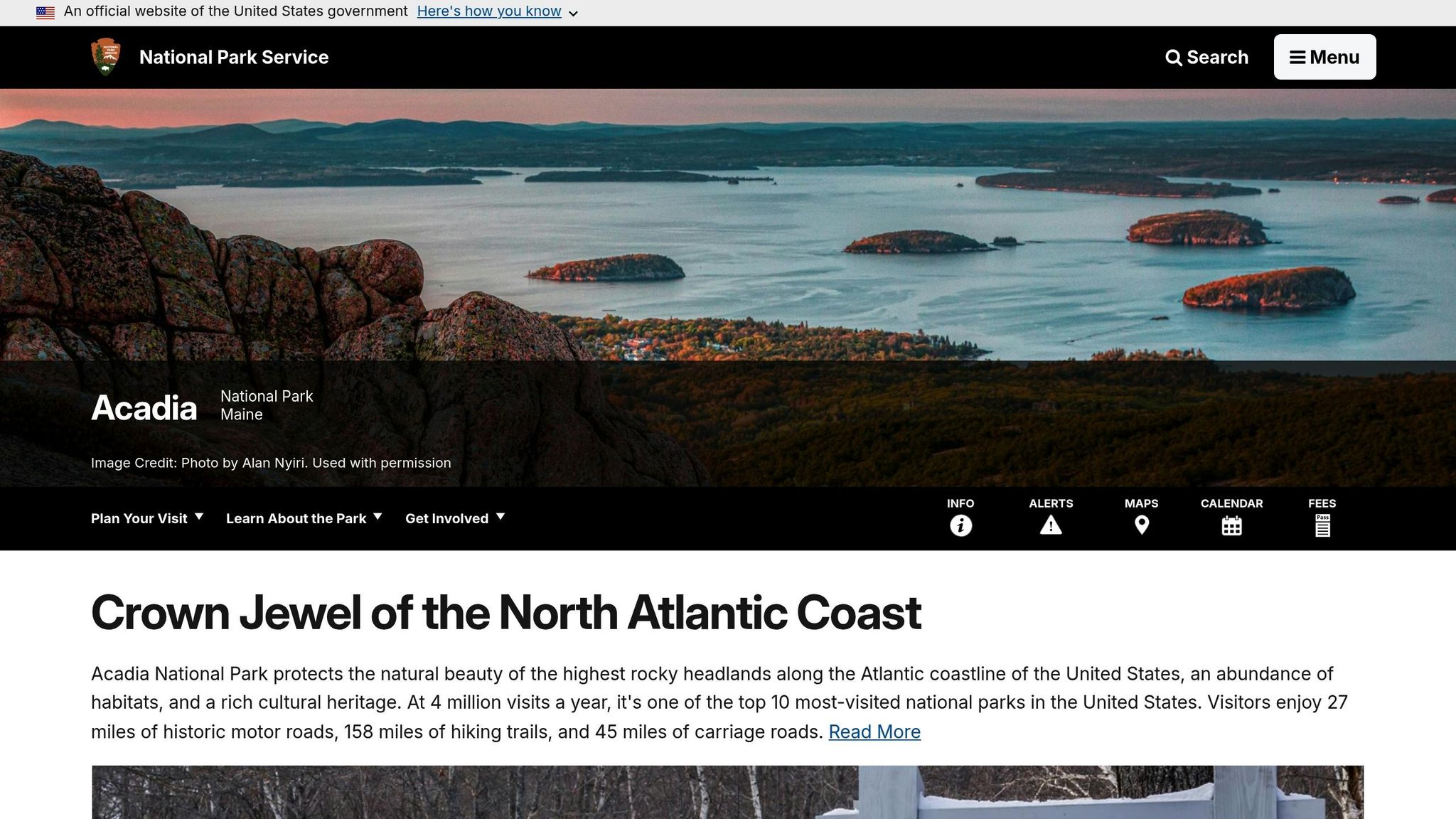
- Acadia (ME): Explore 45 miles of gravel carriage roads with serene forest views.
- Cuyahoga Valley (OH): Ride the flat, 20-mile Ohio & Erie Canal Towpath Trail.
- Zion (UT): Enjoy car-free periods on the 6-mile Zion Canyon Scenic Drive.
- Everglades (FL): Spot wildlife on the 15-mile Shark Valley Loop.
- Grand Teton (WY): Cycle on separated pathways with breathtaking mountain views.
- Practical Tips: Rent bikes, including e-bikes, near parks and plan trips during cooler hours for the best experience.
- Eco-Friendly Benefits: Biking helps reduce vehicle congestion, preserves tranquility, and minimizes environmental impact.
Cycling in national parks is an immersive way to experience their beauty while promoting conservation. Grab your bike and start exploring!
Biking Acadia National Park: Majestic Views on the Historic Carriage Roads!
Why National Parks Work Well for Cyclists
National parks combine breathtaking scenery with bike-friendly amenities, creating a perfect haven for cyclists. These protected areas encourage riders to slow down, soak in the surroundings, and enjoy the journey without the usual distractions of heavy traffic.
Car-Free Routes and Scenic Trails
Many national parks boast bike paths that are completely free of motorized vehicles, offering a safer and more immersive experience for cyclists. These trails often meander through diverse landscapes – thick forests, sparkling waterways, and open meadows with sweeping views. Some parks even close specific roads seasonally, giving cyclists exclusive access to explore iconic spots in peace and quiet.
Options for All Skill Levels
Whether you’re a casual rider or a seasoned cyclist, national parks have trails to suit every ability. Families and beginners can enjoy smooth, gently graded paths that are easy to navigate. Intermediate riders can tackle trails with moderate hills and varied terrain, offering just the right amount of challenge. For the adventurous, there are backcountry routes with steeper climbs and technical features that test your skills while rewarding you with incredible views.
Eco-Friendly Adventure
Cycling through national parks isn’t just fun – it’s also a sustainable way to explore. Bikes produce zero emissions and make less noise, helping to preserve the tranquility of natural habitats and minimize disturbances to wildlife. Choosing a bike over a car also reduces wear and tear on park roads and infrastructure, aligning perfectly with the conservation mission of these protected spaces. It’s an adventure that’s as kind to the environment as it is thrilling for the rider.
With these cyclist-friendly perks in mind, let’s dive into the variety of bike trails waiting to be explored in national parks.
Types of Bike Trails in National Parks
National parks provide a variety of bike trails, each offering a unique experience. Knowing the options can help you pick the perfect route based on your riding preferences, fitness level, and the type of adventure you’re aiming for.
Paved Multi-Use Paths
Paved multi-use paths are the most accessible option for cyclists in national parks. These smooth, well-maintained trails are shared by bikers, walkers, and even rollerbladers, making them a great choice for families or riders looking for a leisurely outing. The terrain is usually flat or gently sloped, so a cruiser or hybrid bike works just fine.
These routes often stretch for miles, winding through scenic spots like serene lakeshores, open meadows, and shaded forests. Designed to accommodate riders of all abilities, including those using adaptive bikes or hand cycles, these paths make it easy to enjoy the outdoors. Along the way, you’ll find restrooms, water fountains, and picnic areas, offering plenty of chances to pause and soak in the surroundings.
If you’re looking for a relaxed ride with easy access to amenities, paved multi-use paths are a fantastic option.
Historic and Scenic Roads
Historic and scenic roads offer a chance to ride through landscapes steeped in history and natural beauty. Many of these roads have reduced vehicle access or lower speed limits, creating a more peaceful cycling experience.
These routes, like park loop roads or rim drives, feature longer climbs and descents, rewarding your effort with stunning views and access to multiple overlooks. Early morning rides are particularly popular, as the soft light and cooler temperatures make for a more enjoyable outing – and you might even spot some wildlife along the way.
Some historic roads, originally built for horse-drawn carriages, feature gravel surfaces and charming details like stone bridges. Riding these paths feels like stepping back in time, with the added bonus of a tree-lined canopy overhead.
Choose these roads if you enjoy a mix of history, scenic vistas, and a bit of a physical challenge.
Gravel and Natural Surface Trails
For those craving a more rugged experience, gravel and natural surface trails deliver. These routes are perfect for mountain or gravel bikes equipped with wider, off-road tires.
Gravel trails often follow old service roads, fire roads, or historic paths that were never paved. The surfaces can range from firm, packed dirt to loose, uneven gravel, requiring careful handling. Weather can also play a big role – what’s an easy ride on a dry day can become much trickier after rain, so it’s best to take your time.
Towpaths along historic canals add another layer of variety. These compacted trails often run alongside waterways and can be narrow, so staying alert and courteous to others is important.
Natural surface trails, favored by mountain bikers, provide even more of a challenge. These singletrack or doubletrack routes are made of dirt, sand, and other natural materials, with obstacles like rocks, roots, and water crossings. The sharper elevation changes will test your skills while offering a sense of solitude, closer encounters with wildlife, and access to remote areas of the park.
If you’re after adventure, technical challenges, and a chance to explore the wilderness, gravel and natural surface trails are the way to go.
Top National Parks for Biking
Some national parks are a paradise for cycling enthusiasts, offering a mix of well-designed trails, breathtaking scenery, and routes for all skill levels. Here are five parks that stand out for their unique biking experiences, ranging from smooth paved paths to rugged backcountry adventures.
Acadia National Park, Maine
Acadia is famous for its historic carriage roads, a network of gravel paths specifically designed for non-motorized travel. These serene trails meander through lush forests of pine and birch, alongside sparkling lakes, and across charming stone bridges. Whether you opt for a 6-mile loop featuring stunning water views or a longer ride showcasing Jordan Pond and nearby peaks, there’s something for everyone. If you visit in late September or early October, you’ll be treated to the vibrant colors of autumn foliage. Winter conditions even open the door for fat biking adventures.
Cuyahoga Valley National Park, Ohio
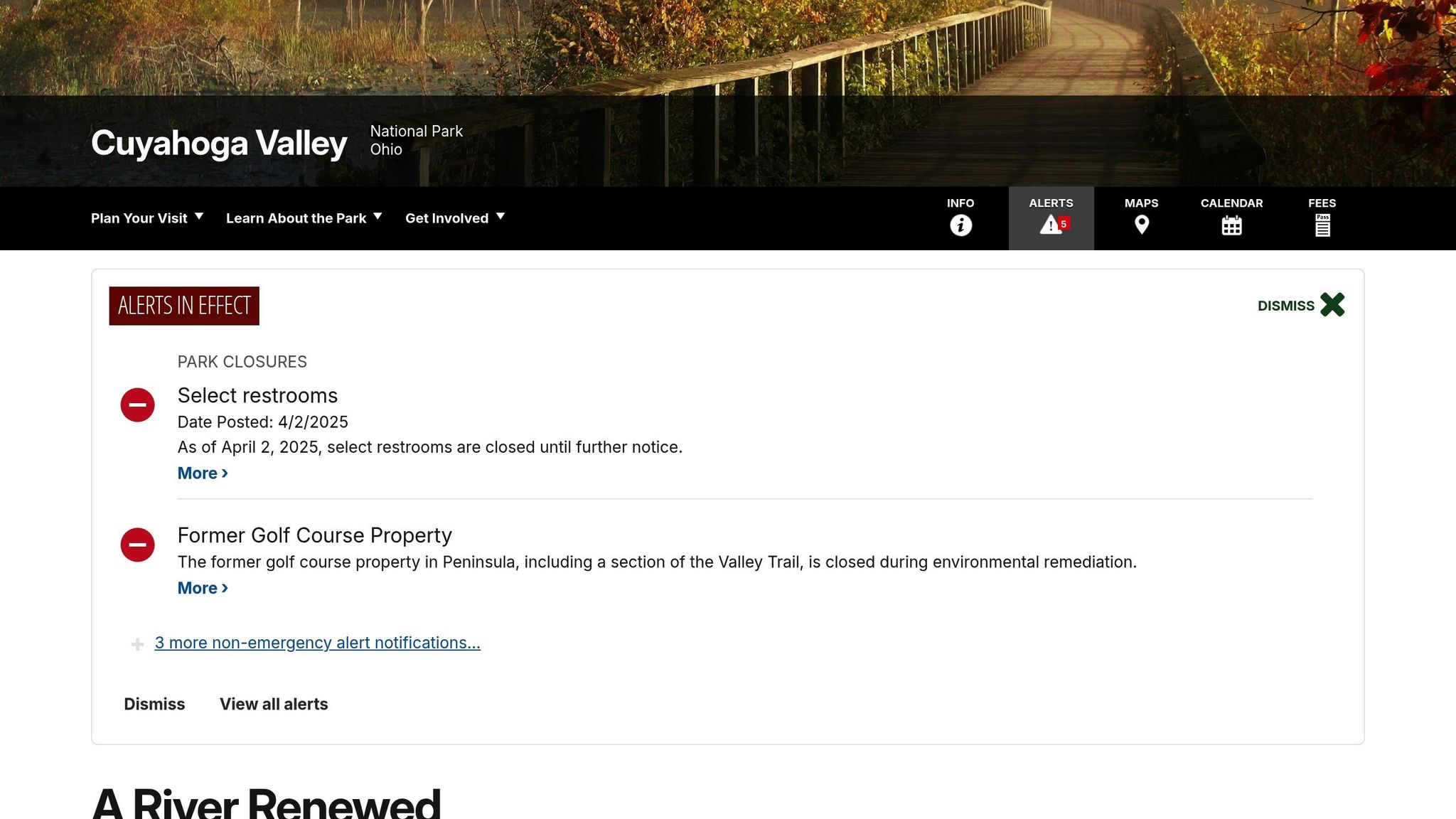
The Ohio & Erie Canal Towpath Trail offers a 20-mile stretch of flat, crushed limestone paths, making it ideal for riders of all ages and abilities. This scenic trail follows the Cuyahoga River, winding through wetlands, forests, and meadows while passing historic canal locks and lock houses that tell the story of Ohio’s transportation past. A highlight of the route is Beaver Marsh, a restored wetland teeming with wildlife like herons, turtles, and beavers. With multiple parking areas along the trail, you can choose to explore the full length or tackle shorter segments. Bike rentals are available in Peninsula from spring through fall, making it easy to enjoy this accessible and family-friendly ride.
Zion National Park, Utah
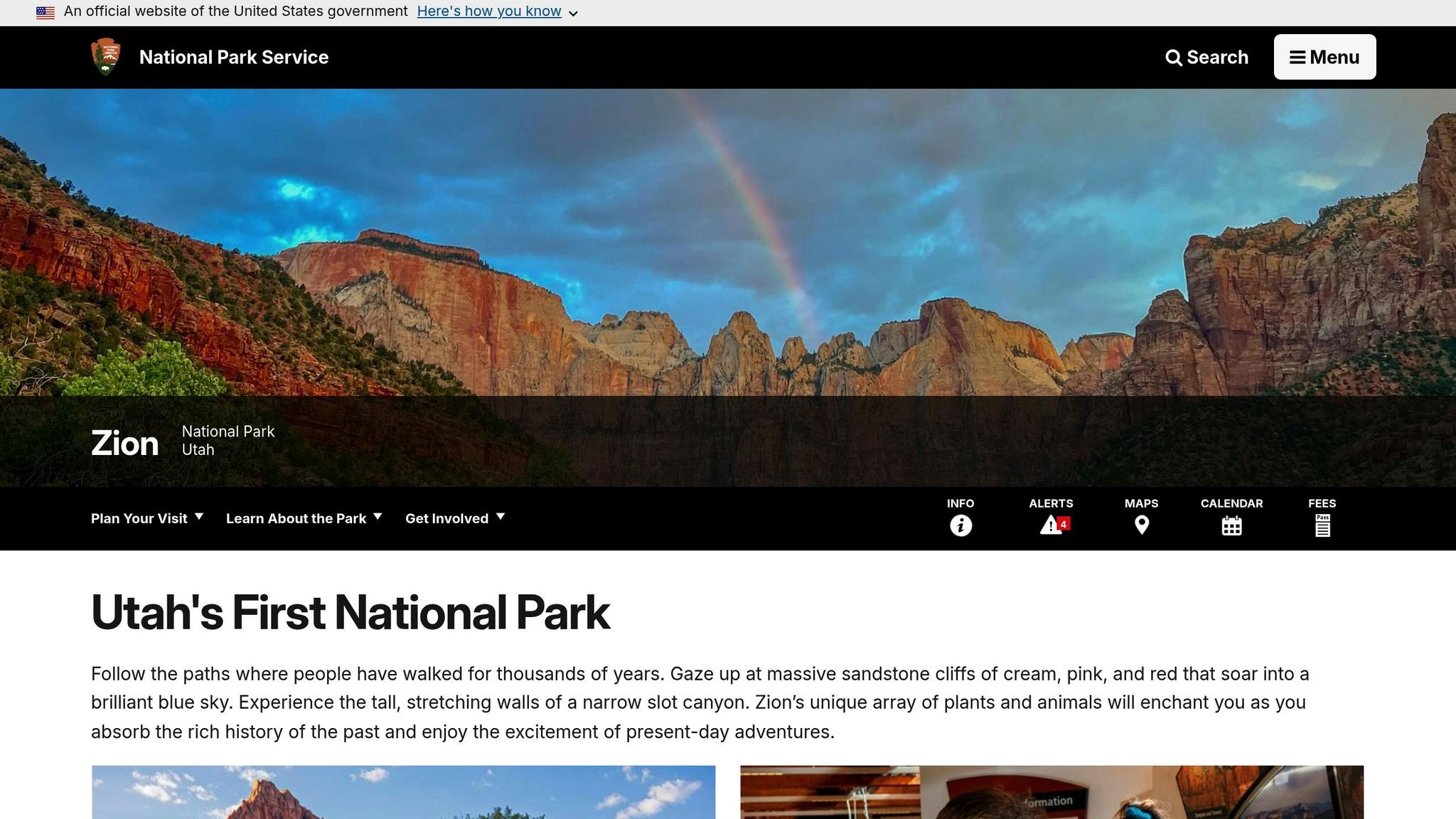
Zion offers two incredible biking options that showcase its iconic red rock landscapes and towering sandstone cliffs. The Pa’rus Trail is a 3.5-mile paved path that runs alongside the Virgin River, providing a flat, easy ride perfect for all skill levels. From April to October, the Zion Canyon Scenic Drive becomes a car-free route, giving cyclists a 6-mile stretch with gentle elevation gains of about 300 feet. Along the way, you can stop at scenic spots like Emerald Pools, Zion Lodge, and the Grotto. To beat the heat, plan your ride for early morning or late afternoon. Bike rentals, including e-bikes, are conveniently available in Springdale, just outside the park.
Everglades National Park, Florida

The Shark Valley Loop is a 15-mile paved trail that takes you deep into the heart of the Everglades’ sawgrass prairie. This easy, flat ride is a wildlife lover’s dream, with frequent sightings of alligators, wading birds, and turtles. The trail is largely free of vehicle traffic, aside from occasional park tram tours, and features a 65-foot observation tower offering sweeping views of the surrounding landscape. Wildlife is most active during the cooler hours of early morning and late afternoon, particularly in the dry season from December to April. Be sure to bring water, sunscreen, and insect repellent. Bike rentals are available at the Shark Valley entrance.
Grand Teton National Park, Wyoming
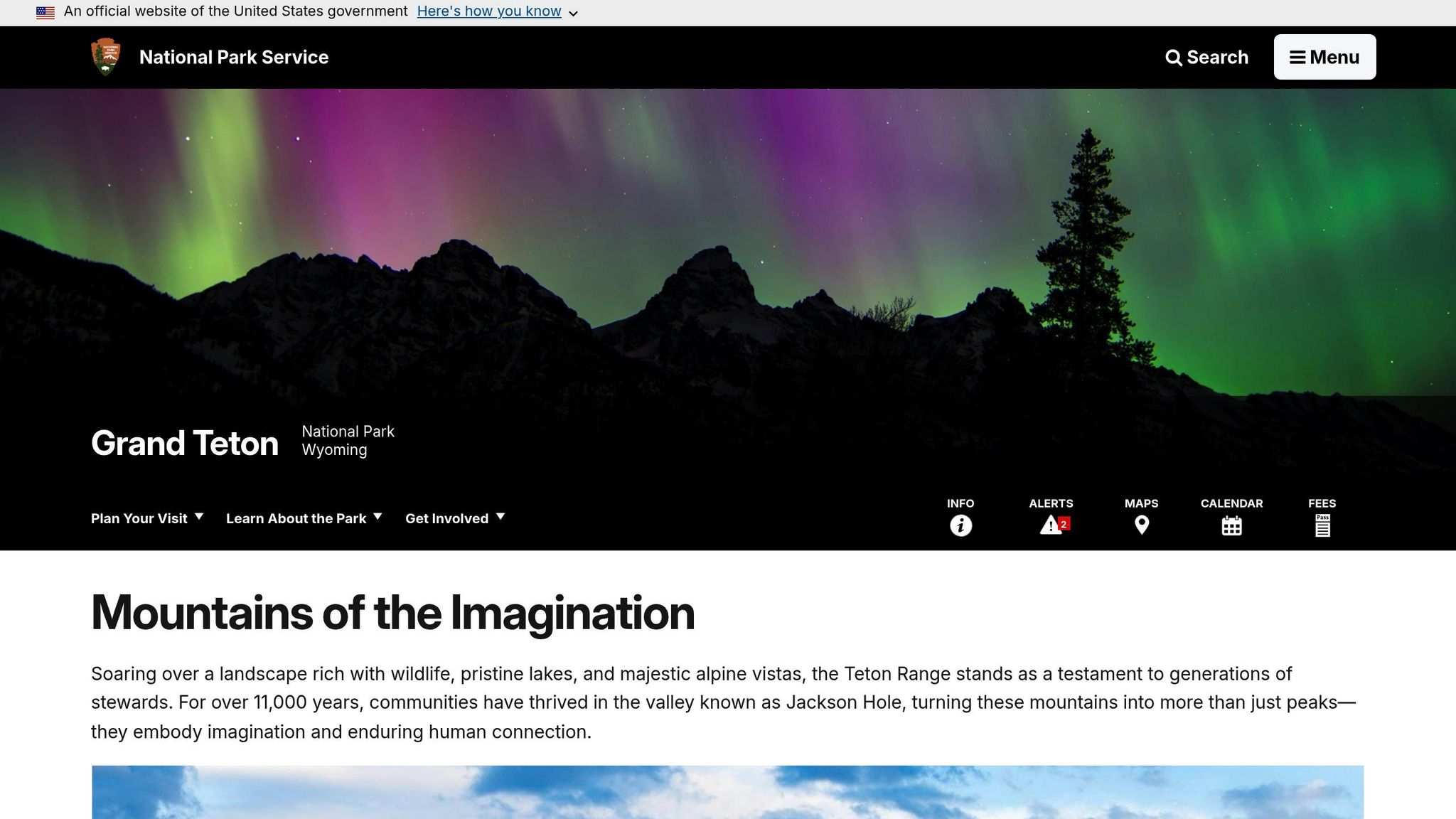
Grand Teton boasts a network of multi-use pathways that are completely separated from vehicle traffic, making for a peaceful and safe cycling experience. For those seeking more of a challenge, the main park road is also open to experienced road cyclists. These pathways allow you to soak in the stunning views of the Teton Range without the distraction of cars or RVs, making your ride both enjoyable and unforgettable. Whether you’re a casual rider or a seasoned cyclist, this park offers an ideal way to explore its majestic landscapes on two wheels.
sbb-itb-00512f3
Planning Your National Park Cycling Trip
Bike Rentals and E-Bike Options
Before setting out on your cycling adventure, check out the bike rental options available in and around the park. Many national parks and nearby shops provide both standard bikes and e-bikes, which can be a great help for longer routes or tackling those challenging uphill sections. Make sure to confirm the availability of equipment, rental prices, and any specific e-bike regulations for the park. You can usually get this information at the park’s visitor center or from local rental providers. Don’t forget to factor in the season and review safety guidelines to ensure a smooth and enjoyable trip.
Eco-Friendly Benefits of Cycling in National Parks
Cycling through national parks offers more than just breathtaking views and a great workout – it’s also a way to tread lightly on these cherished landscapes. Unlike cars, bikes produce zero emissions, ensuring cleaner air with every mile you ride. This is especially crucial in protected areas, where maintaining air quality benefits both the wildlife and the ecosystems they inhabit. Plus, cycling minimizes other disruptions that vehicles often cause.
When you trade an engine for pedals, you also trade noise for serenity. Cars and buses bring engine roars and exhaust fumes that can disturb wildlife and disrupt their habitats. Bikes, on the other hand, allow you to glide quietly through the parks, leaving animals undisturbed and the environment intact. It’s a low-impact way to enjoy the beauty around you without adding to the stress of the natural world.
Cycling doesn’t just help the environment – it also eases the human experience within the parks. Popular national parks often struggle with vehicle congestion, especially during peak seasons, leading to traffic jams that can feel more like a city commute than a nature retreat. By choosing a bike, you help reduce this gridlock, creating a safer, more tranquil experience for everyone. Less traffic also means less strain on park infrastructure, from roads to parking lots, and a healthier ecosystem overall.
Some parks even take steps to encourage cycling by implementing car-free periods, temporarily closing roads to motor vehicles. During these times, cyclists can enjoy the scenic routes without the noise and stress of traffic.
Acadia National Park stands out as an early champion of car-free cycling. Its 45 miles of carriage roads, funded by John D. Rockefeller Jr. and constructed between 1910 and the 1930s, were designed to blend seamlessly with the natural surroundings. These roads remain off-limits to motor vehicles, offering a timeless example of how thoughtfully planned cycling infrastructure can benefit both visitors and the environment.
When cyclists stick to designated trails and follow park rules, biking becomes one of the most nature-friendly activities. It causes minimal impact on vegetation and soil, often even less than hiking. Even e-bikes, with their electric assist, are considered environmentally friendly. They use a fraction of the energy that cars require and produce no direct emissions, making them a great choice for eco-conscious adventurers.
Beyond the environmental perks, cycling transforms your experience of the park. On a bike, you move at a pace that lets you truly take in your surroundings – spotting details you’d miss from behind a car window. This slower, more immersive way of exploring deepens your connection to nature and often sparks a greater appreciation for conservation. It’s a firsthand reminder of why protecting these incredible spaces is so important.
Conclusion
National parks provide some of the most memorable cycling experiences you can imagine. Whether it’s the car-free carriage roads of Acadia or the breathtaking canyon vistas in Zion, these protected areas invite you to explore at your own pace while staying immersed in the natural world. From easy, paved paths perfect for family outings to challenging gravel routes for seasoned riders, there’s a trail suited to every preference and skill level.
Cycling also offers a unique way to connect with the environment. Swapping your car for a bike changes the entire experience. You’ll catch the subtle sounds of rustling leaves, the melodies of birds, and the earthy aroma of pine trees – details that are often missed when driving. This slower, more thoughtful approach to exploring creates lasting memories and helps ensure these parks remain pristine for future generations by reducing your carbon footprint.
On a practical note, biking in national parks is incredibly convenient. Many parks provide bike rentals, so you don’t have to bring your own gear. Dedicated cycling paths and car-free periods make it safer and more enjoyable to navigate the trails without worrying about traffic. With routes ranging from short, easy loops to multi-day excursions, you can plan your adventure to fit your schedule and fitness level.
There’s no better time to experience the beauty of national parks from the saddle of a bike. Grab your gear and hit the trails – you’ll discover a perspective that’s not only refreshing but also beneficial for you, the environment, and your sense of adventure.
FAQs
When is the best time to go cycling in national parks, and how do the seasons impact the experience?
The ideal seasons for cycling in national parks are spring (April to May) and fall (late October to November). During these times, the weather is pleasant, the landscapes are breathtaking, and the parks are generally less crowded. Summer can also be a good option, particularly in parks located at higher elevations, where temperatures tend to stay cooler.
However, seasonal changes can greatly impact your biking experience. Winter often brings snow or icy conditions that may close certain trails, while summer heat can be overwhelming in desert areas. It’s always a good idea to check the specific conditions of the park you plan to visit and prepare accordingly to ensure a safe and enjoyable adventure.
What are the best safety tips for biking on gravel or natural surface trails in national parks?
Staying safe on gravel or natural surface trails comes down to being prepared and using the right techniques. Start with the basics: always wear a well-fitted helmet, and opt for bright clothing or lights to make sure you’re visible to others. Carry a small repair kit that includes essentials like a mini pump, a spare tube, and a multi-tool – these can be lifesavers if something goes wrong mid-ride.
While riding, keep your focus on the trail ahead instead of fixating on obstacles. Trust the setup of your bike, from the tires to its geometry, to handle the terrain. Stay relaxed, breathe evenly, and work on maintaining your balance, especially when navigating uneven surfaces. When descending or taking corners, press your outside foot down and apply gentle pressure to the inside handlebar to help stabilize your ride. If you’re using clip-in pedals, take some time to practice clipping in and out in a safe area before hitting the trails.
For added safety, consider riding with a buddy or at least sharing your location with someone. Stick to the right side of the trail, particularly near blind corners or hill crests, to avoid unexpected collisions. These simple steps can make your ride both safer and more enjoyable.
What are the rules for using e-bikes in national parks, and how do they compare to traditional bicycles?
E-bike rules in national parks can differ, but generally, they’re permitted wherever traditional bicycles are allowed. That said, e-bikes are not allowed in designated wilderness areas. Before heading out, it’s a good idea to check the specific regulations of the park you’re visiting, as some may have unique restrictions or guidelines.
E-bikes are divided into categories based on their speed and motor assistance, and certain parks may enforce rules for specific types. Make sure to ride responsibly, pay attention to posted signs, and respect the environment to ensure everyone has a safe and enjoyable visit.