
Hostels near national parks are an affordable way to explore the great outdoors without overspending. Dorm beds typically cost $25–$50 per night, while private rooms range from $70–$200. These hostels offer more than just budget-friendly stays – they’re social hubs for meeting other travelers, swapping hiking tips, and sharing trail stories. Many are located close to park entrances, saving you time and transportation costs. Extras like gear rentals, free tours, and shuttle services make them even more convenient.
Key Highlights:
- Budget Options: Dorms ($25–$50) and private rooms ($70–$200+).
- Social Atmosphere: Meet fellow adventurers in shared kitchens or by fire pits.
- Prime Locations: Close to park entrances for easy access.
- Added Perks: Gear rentals, guided tours, and shuttles.
Whether you’re hiking Glacier, exploring Yosemite, or visiting Yellowstone, hostels provide a practical, community-driven way to enjoy America’s national parks.
Why Stay in Hostels Near National Parks?
Budget-Friendly Accommodation
Staying in a hostel near a national park isn’t just about saving on nightly rates – it’s about cutting overall travel costs in clever ways. For example, communal kitchens let you cook your own meals, sparing you from pricey park restaurants that can charge about 30% more than grocery stores. Some hostels even sweeten the deal with extras like free breakfast, gear storage, and guided tours. A standout example is Banana Bungalow Maui, which offers daily excursions to Haleakala National Park at no extra cost. On top of that, you might find fellow travelers to carpool with, splitting costs for trailhead trips or rental cars.
For perspective, dorm beds in Yosemite hostels range from $40 to $50 per night, while motels in West Yellowstone typically start at $89. Hostels not only save you money but often include perks that add even more value. Plus, they’re great for creating a sense of community, which can make your park visit even more memorable.
Meet Other Travelers
Hostels are inherently social spaces, making them perfect for meeting like-minded adventurers. Shared kitchens become hubs for swapping trail tips over breakfast, while bonfire pits and game rooms offer a relaxed setting for sharing stories after a day of hiking. For solo travelers, this kind of environment is ideal for finding hiking companions or carpool partners for park trips.
Many hostels also organize activities to bring guests together. Think surf lessons at Loge at the Sands near Olympic National Park or yoga sessions at various locations. These activities not only enrich your stay but also help you connect with others. Guests often share real-time updates on trail conditions, wildlife sightings, or hidden gems that guidebooks might miss. A great example is the North Fork Hostel near Glacier National Park, which operates off-grid, naturally encouraging interaction among its guests. Beyond the social perks, hostels are often located in prime spots for easy access to the parks.
Easy Access to Parks and Activities
Hostels near national parks often boast unbeatable locations, making them perfect bases for adventure. Being close to park entrances means less time driving and more time exploring. For instance, North Yellowstone Lodge is just 10 miles from Yellowstone’s entrance, and Yosemite Bug Rustic Mountain Resort is about a 30-minute drive from Yosemite’s gates.
Beyond their convenient locations, many hostels offer amenities that enhance your park experience. Yosemite Bug, for example, has its own nature trail, while North Yellowstone Lodge features a private river beach that’s great for fly fishing. Gear rentals are another common perk – Loge at the Sands provides surf equipment, and Mountain Harbour Hiker’s Hostel near Great Smoky Mountains offers bike rentals. Some hostels even help with transportation, like those near Yosemite that connect to the YARTS bus system for easy park access.
Whether it’s the savings, the social connections, or the convenience, hostels near national parks make exploring these stunning landscapes even more enjoyable.
What to Expect in National Park Hostels
Common Amenities and Facilities
Hostels near national parks usually combine essential comforts with lively communal spaces. Most provide shared kitchens equipped with basics like refrigerators and microwaves, though some might not include cookware or utensils. If you’re planning to cook, it’s a good idea to confirm what’s available ahead of time. Other common amenities include free Wi-Fi, laundry facilities, luggage storage, and free parking.
The shared spaces often go beyond the basics, offering game rooms with foosball or ping pong, cozy lounges with fireplaces, and outdoor areas featuring fire pits, hammocks, and gardens. Some even offer unique perks like private river beaches or swimming holes. Boutique hostels may take it a step further with extras like outdoor hot tubs, saunas, and yoga studios. For instance, Yosemite Bug Rustic Mountain Resort includes a hot rock sauna and a yoga studio, along with a café serving locally sourced ingredients.
Many hostels also have their own nature trails or river access, giving you a chance to enjoy the outdoors before you even set foot in the park. Whether you’re looking for social spaces or a bit of solitude, there’s something for everyone.
Room Types and Privacy Levels
Hostels near national parks cater to a variety of budgets and privacy preferences. Shared dormitories with bunk beds are the most budget-friendly option, typically costing $25 to $50 per night. These dorms are available in mixed-gender or female-only setups and often feature thoughtful touches like privacy curtains, individual reading lights, and convenient power outlets.
“The more beds in a dorm room, the cheaper it is. But more people sharing the space also increases your chances of ending up with a dormmate whose hours or habits interfere with your own.” – HI USA
For those seeking more privacy, private rooms offer configurations ranging from twin and double beds to king-sized setups. Prices for private rooms typically range from $70 to over $200 per night, depending on the location and season. Some hostels also provide creative lodging options like tent cabins, treehouses, or rustic huts, often priced between $45 and $50 per night. For example, The Hostel in Teton Village ensures complete privacy, even in multi-bed “quad” rooms, which are exclusively booked for single groups. Bathrooms may be private or shared, so it’s worth checking the specifics when booking.
Local Information and Resources
Hostels near national parks often serve as informal visitor centers, staffed by outdoor enthusiasts eager to share their knowledge. Many hostels have dedicated travel desks where staff provide expert advice on hiking trails, park itineraries, and nearby attractions. Yosemite Bug Rustic Mountain Resort, for example, offers this kind of personalized guidance. Staff members often share insider tips that you won’t find in official park guides.
Some hostels also organize tours and activities. Loge at the Sands, for instance, offers surf equipment rentals and guided outdoor adventures. The communal spaces in these hostels become vibrant hubs for swapping tips and stories. Around fire pits or in shared kitchens, fellow travelers often share real-time trail conditions, wildlife sightings, and hidden gems. These conversations can provide insights just as valuable as any guidebook.
BEGINNERS GUIDE TO HOSTELS (What to REALLY expect)
Top 10 Hostels Near US National Parks
Looking for an affordable yet immersive way to explore some of the most stunning national parks in the U.S.? These hostels combine budget-friendly stays with unique local experiences and easy access to outdoor adventures.
North Fork Hostel Near Glacier National Park
Nestled in Polebridge, Montana, right on Glacier National Park’s northwest edge, North Fork Hostel offers a rustic, off-grid retreat – no tent required. With no electricity, you’ll need to pack a headlamp or flashlight, but the charm of this place more than makes up for it. Guests can enjoy a communal kitchen, a greenhouse, and surprisingly well-kept outhouses. Rates start at $40 for shared rooms, while private rooms go for $70.
Loge at the Sands Near Olympic National Park
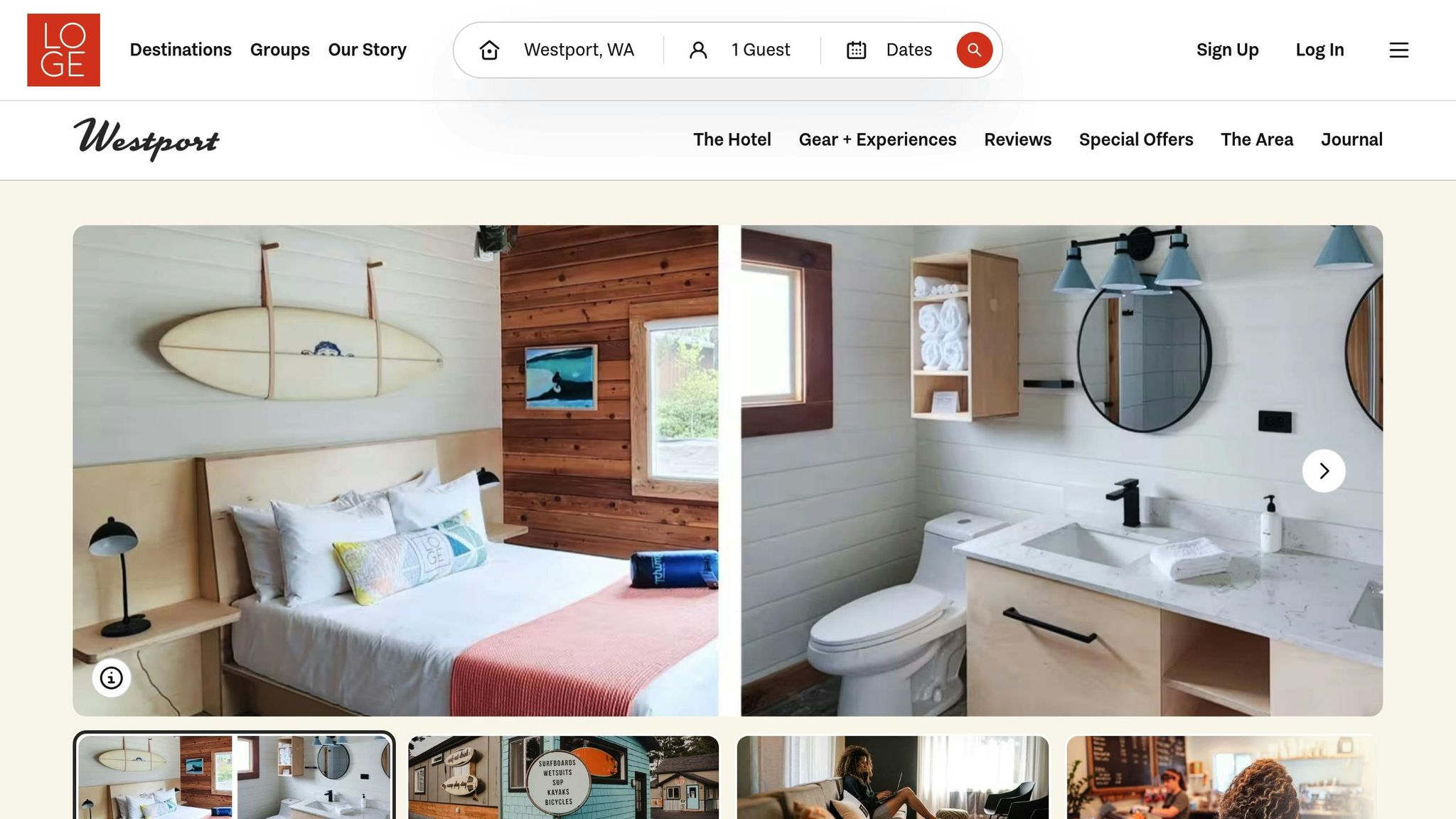
Located in Westport, Washington, southwest of Olympic National Park, Loge at the Sands is a vibrant mix of hostel and surf camp. It’s designed for outdoor enthusiasts, offering surfboard rentals, lessons, and guided trips. After a day in the waves, unwind by the outdoor fire pit and swap stories with fellow travelers. Shared rooms start at $35, with private accommodations from $100.
North Yellowstone Lodge & Hostel Near Yellowstone National Park
Perched along the Yellowstone River in Gardiner, Montana, this hostel is just 10 miles from Yellowstone’s entrance. The 2.5-acre property boasts a private river beach, an apple orchard, fly fishing opportunities, and lawn games. Shared rooms are priced from $30, while private rooms start at $80.
“An easy 10 highway miles north of Yellowstone National Park and Gardiner, we welcome you to share and enjoy our piece of Montana.”
Mountain Harbour Hiker’s Hostel Near Great Smoky Mountains National Park

At the eastern edge of the Great Smoky Mountains, near the Appalachian Trail, Mountain Harbour is a favorite among hikers. Known for its hearty breakfasts, the rustic hostel also features a food truck to refuel adventurers. Shared rooms start at $35, with private options beginning at $90.
The Hostel in Teton Village Near Grand Teton National Park
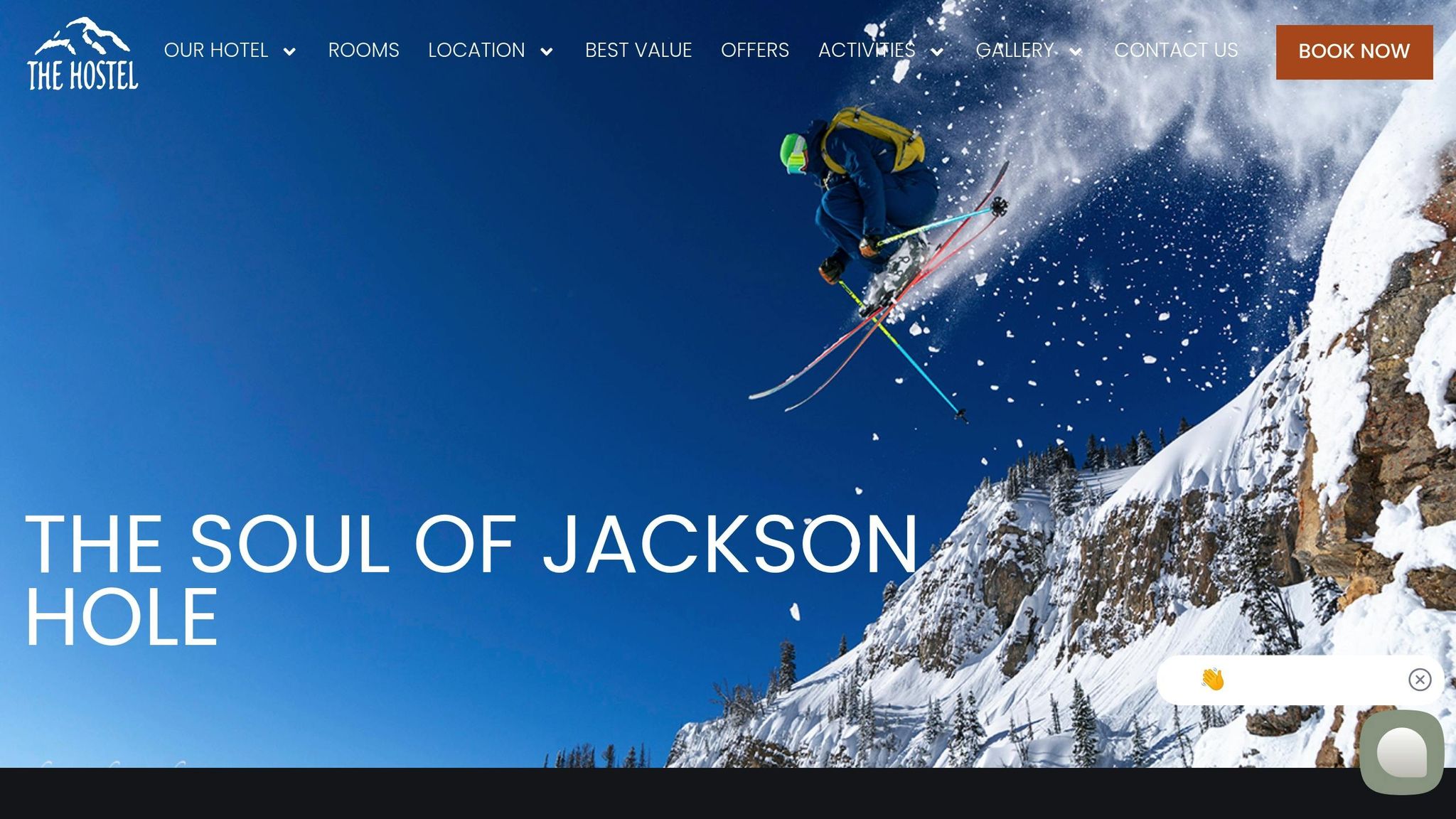
Located in Teton Village, Wyoming, this hostel offers year-round access to Grand Teton and Yellowstone National Parks. In winter, enjoy rare ski-in/ski-out convenience, while in warmer months, it serves as a cozy base for park explorations. Guests can relax in inviting common areas and a game room. Rates range from $49 during the low season to $99–$269 for private rooms in peak periods.
Banana Bungalow Maui Hostel Near Haleakala National Park
Set in Wailuku, Maui, Banana Bungalow Maui Hostel is a hub for adventure. Guests enjoy free daily tours to Haleakala National Park and access to nearby beaches and snorkeling spots. The lively communal vibe makes it easy to meet fellow travelers. Shared rooms start at $50, with private rooms priced at $160.
Yosemite Bug Rustic Mountain Resort Near Yosemite National Park
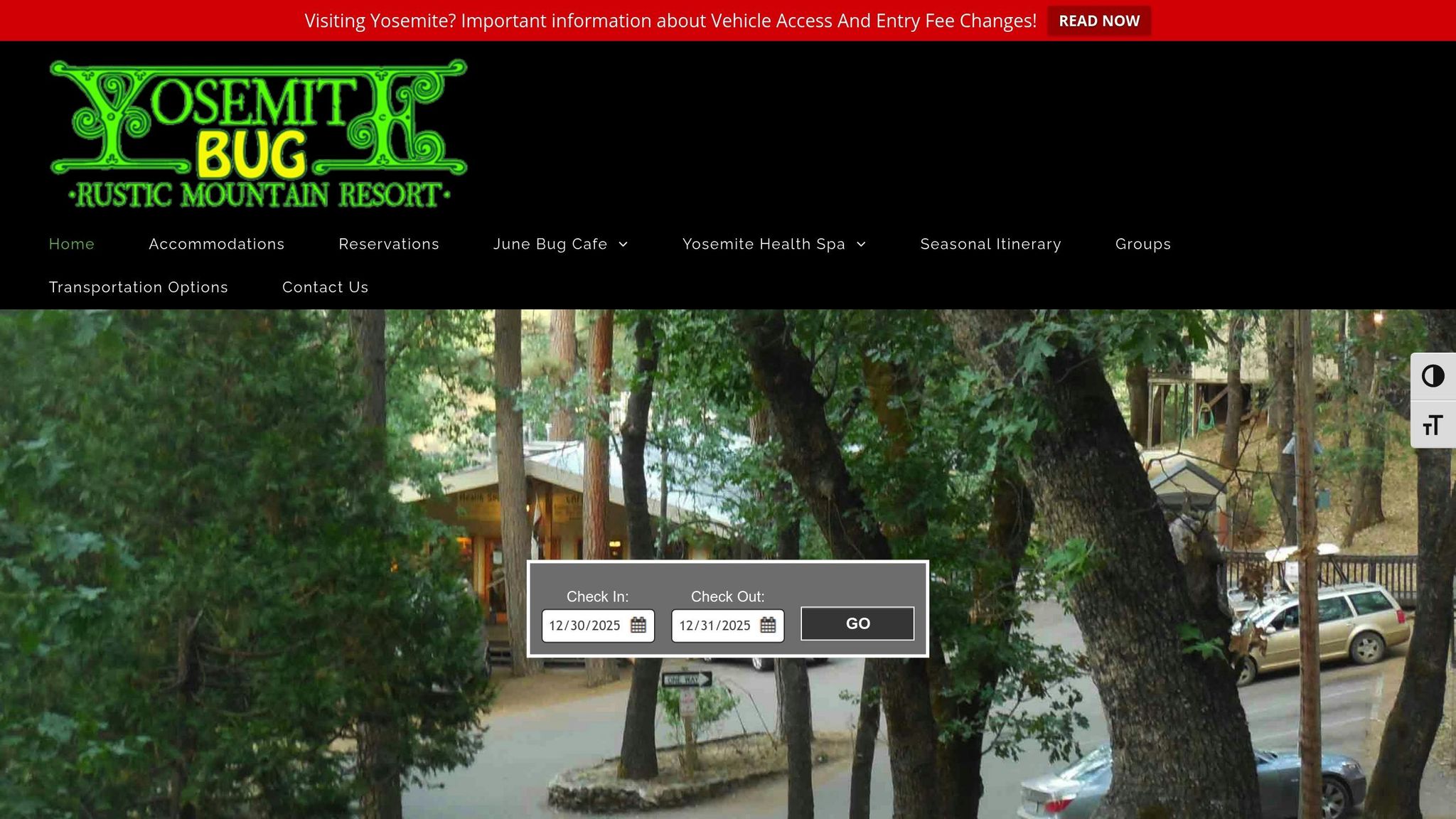
Located about 26–27 miles (a 40-minute drive) from Yosemite Valley, Yosemite Bug combines affordable lodging with upscale perks. Highlights include a health spa with a hot tub and sauna, a yoga studio, a spring-fed swimming hole, and a café serving locally sourced meals. Shared rooms start at $35, while private accommodations begin at $90.
Grand Canyon International Hostel Near Grand Canyon National Park (closed as of 2026)
Situated in Flagstaff, Arizona – about 80 miles southeast of the South Rim – Grand Canyon International Hostel provides shuttle services to the canyon, making it a convenient option for travelers.
Hostel Near Zion National Park
This hostel, located near Zion National Park’s entrance, offers outdoor relaxation areas perfect for winding down after a day of hiking. Its close proximity to the park makes it a great choice for early morning trail adventures.
Hostel Near Shenandoah National Park
With direct access to Shenandoah National Park’s hiking trails, this hostel is ideal for exploring scenic drives and waterfalls without long commutes.
Stay tuned for a quick comparison of these hostels’ amenities and pricing!
sbb-itb-00512f3
Hostel Comparison Table
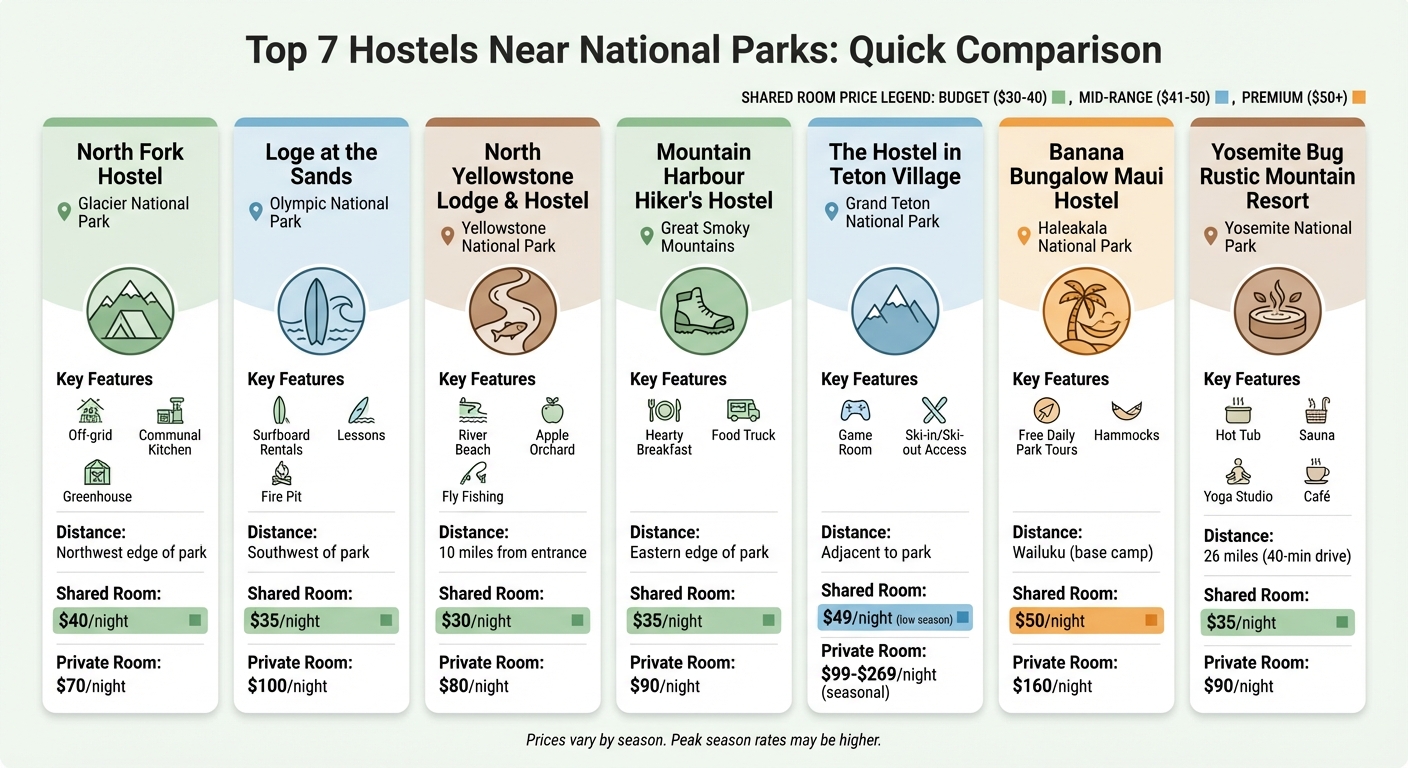
Top Hostels Near US National Parks: Prices, Amenities & Locations Compared
Comparison Table
When planning your stay, think about what matters most to you – being close to the park, sticking to a budget, or enjoying unique perks. Here’s a handy table with key details about seven hostels near popular national parks:
| Hostel Name | Nearest Park | Price (Shared) | Price (Private) | Key Amenities | Distance to Park Entrance |
|---|---|---|---|---|---|
| North Fork Hostel | Glacier | $40 | $70 | Off-grid setup, communal kitchen, greenhouse, outhouses | Just outside NW edge |
| Loge at the Sands | Olympic | $35 | $100 | Surfboard rentals, lessons, outdoor fire pit | Southwest of park |
| North Yellowstone Lodge & Hostel | Yellowstone | $30 | $80 | Private river beach, apple orchard | 10 miles |
| Mountain Harbour Hiker’s Hostel | Great Smoky Mountains | $35 | $90 | Hearty breakfast, food truck, rustic cabins | Eastern edge |
| The Hostel in Teton Village | Grand Teton | $49 (low season) | $99–$269 (seasonal) | Game room, communal kitchen | Teton Village (adjacent) |
| Banana Bungalow Maui Hostel | Haleakala | $50 | $160 | Free daily tours, hammocks, breakfast | Wailuku (base camp) |
| Yosemite Bug Rustic Mountain Resort | Yosemite | $35 | $90 | Health spa, yoga, café, bonfire pit | 26 miles |
A quick note on pricing: Rates can change with the seasons. Dorm beds average around $36, and private rooms typically start at $40 – but during peak times, prices may double. Hostels located farther from park entrances often balance this with perks like free tours, while closer options offer unbeatable trail access.
Ready to book your stay? Let’s dive into how to secure a spot at these hostels for your national park getaway.
How to Book Hostels Near National Parks
Using Online Booking Platforms
When it comes to booking hostels, Hostelworld is a great place to start. It lets you filter options like dorms, private rooms, women-only spaces, and coworking areas. Plus, its Hostel Chat feature helps you connect with other travelers even before you arrive. Another valuable tool is Hostelz.com, which not only compares prices across multiple platforms but also lists hidden gems you might not find elsewhere.
“I’m almost certain that Hostelz.com has now moved to the top of the growing pile of hostel search engines”
One important tip: if a hostel appears “sold out” on one site, don’t give up. Another platform might still have availability. Cross-checking between platforms can save you from missing out. And if your preferred hostel isn’t listed online, try reaching out to them directly.
Booking Directly with Hostels
Reaching out to hostels directly can unlock exclusive benefits. Some hostels offer perks like flexible check-in times, insider advice on local trails, or even updates on wildlife sightings. You might also find a better selection of rooms than what’s available on third-party booking sites.
If you’re looking for accommodations managed by park concessionaires, check the official websites of companies like Xanterra or Delaware North. These options often provide unique lodging experiences right inside the park. Once you’ve explored these direct options, plan your booking timeline accordingly.
Advance Booking vs. Last-Minute Reservations
Timing can make or break your plans, especially during busy travel seasons. For peak periods, aim to book your hostel 6 to 12 months in advance. Some places, like Yosemite, open reservations 366 days ahead, while Grand Canyon’s Phantom Ranch operates on a 15-month lottery system.
If you’re booking last-minute during the high season (May through October), be prepared to face challenges. You might end up staying 30–80 miles away or paying significantly higher rates. On the other hand, winter months bring more availability and lower demand. Just make sure to check road and facility closures – Tioga Road in Yosemite and many roads in Yellowstone, for example, close seasonally.
Tips for Staying in National Park Hostels
Building on what we’ve covered about hostel amenities and booking, these practical tips can make your stay more enjoyable and hassle-free.
Pack Smart for Shared Spaces
When staying in dorm rooms, a few essentials can make all the difference. Earplugs and a sleeping mask are lifesavers for blocking out noise and light. As hostel expert Katy Dalligan says:
“Earplugs are your new best friend. It will be the best thing you ever do”.
A microfiber towel is a great choice – it’s lightweight, dries quickly, and takes up less room in your bag. Don’t forget flip-flops for safe and hygienic use in communal bathrooms.
To keep your belongings secure and your stay hassle-free, pack a padlock for lockers and a headlamp for navigating dark dorms without disturbing others. This is especially handy in remote places like North Fork Hostel near Glacier National Park, which operates completely off-grid without electricity. A reusable water bottle with a filter is another must-have, ensuring you stay hydrated on trails – aim for at least 2 liters a day in national park settings. Finally, packing cubes help keep your gear tidy and prevent it from taking over shared spaces.
Once you’ve packed smart, it’s just as important to follow good hostel etiquette to make your stay pleasant for everyone.
Follow Hostel Etiquette
Be mindful of your roommates and shared spaces. Use a vibrating alarm on your phone or watch instead of a loud ringtone to wake up without disturbing others. If you’re planning an early morning hike, pack your gear the night before so you can leave quietly. Use your headlamp or phone light rather than flipping on overhead lights when others are sleeping.
In shared kitchens, always wash your dishes right after use and store your food properly. If you’re staying in bear country, like near Yellowstone or Great Smoky Mountains, lock up all food in the provided lockers or bear-proof containers. Mike Augustine from Mountain Travel Sobek offers this reminder:
“Whatever you do, lock up your food. No one wants to return to their car to find a bear in their cooler”.
Good etiquette not only keeps things running smoothly but also sets the stage for connecting with others.
Connect with Fellow Travelers
Hostels are perfect for meeting like-minded adventurers. Start a conversation in shared spaces like the kitchen or lounge with simple questions like, “Where are you from?” or “What trail did you hike today?” These small interactions can lead to new hiking buddies or even shared rides to trailheads. Many hostels also organize activities like guided hikes, game nights, or barbecues – great opportunities to meet people.
Consider offering to take photos for fellow travelers at scenic spots or inviting roommates to join you for a meal or hike. These small gestures often lead to easy and natural connections. As Flights and Footsteps puts it:
“Travelers are amazing people. When they see someone sitting by themselves, the inclination is almost always to say hello and include them”.
Don’t forget to chat with the hostel staff – they’re usually locals who can offer budget-friendly tips, trail updates, and even wildlife spotting advice. Their insights can add a lot to your experience.
Conclusion
Choosing hostels near national parks is a smart way to enjoy affordability, convenience, and a sense of community. With dorm beds ranging from $25 to $50 per night and private rooms starting at $50 and going upward of $200, they’re a much cheaper alternative to the often pricey lodges inside the parks. This becomes even more important as nonresidents will face a $100 per person fee at 11 of the most popular parks starting January 1, 2026. Plus, hostels create a welcoming space to connect with fellow outdoor lovers and swap trail tips.
“Staying in a hostel isn’t just about saving money – it’s about embracing a richer, more immersive travel experience”.
From the off-grid charm of North Fork Hostel near Glacier to the laid-back surf vibes at Loge at the Sands near Olympic, or the upscale comforts of Yosemite Bug, there’s a hostel to match every style and budget. These options make it easy to tailor your trip while enjoying the perks of hostel life.
To make the most of your stay, book early if you’re visiting during peak seasons, take advantage of communal kitchens to save on meals, and chat with staff and other travelers for insider tips on hidden gems. With over 400 national parks waiting to be explored across the United States, hostels are your ticket to seeing more parks without draining your wallet.
Ready to start planning your adventure? Check out The National Park Guide at https://thenationalparkguide.com for in-depth park details, trip planning tools, and everything you need for your wilderness journey.
FAQs
What should I bring for a hostel stay near a national park?
Packing for a hostel near a national park means finding the right mix of comfort, practicality, and preparedness for outdoor adventures. Start with the essentials: travel documents (like your ID or passport), reservation confirmations, a sturdy lock for securing your belongings, toiletries, a quick-dry towel, and a reusable water bottle. Shared spaces can be noisy or dimly lit, so consider bringing earplugs, an eye mask, and a small power strip to charge multiple devices.
When it comes to outdoor gear, focus on layered clothing to handle unpredictable weather. Pack moisture-wicking shirts, quick-dry pants, a warm jacket, a waterproof raincoat, and sturdy hiking shoes. Essentials like sunscreen, insect repellent, a first-aid kit, and a paper or offline park map are must-haves for exploring the trails.
Finally, don’t forget a few small comforts to make your stay easier: flip-flops for the showers, a sleeping bag liner, and some trail snacks to keep your energy up. Check the weather forecast and your hostel’s amenities beforehand so you can adjust your packing list and enjoy a smooth, worry-free trip!
How can I meet other travelers to share costs and experiences near national parks?
Staying at a hostel near a national park is an excellent way to meet fellow adventurers. Hostels typically have shared spaces like kitchens and lounges, creating plenty of opportunities to strike up conversations and connect with other travelers. Many also host social events or organize group activities, making it even easier to find people interested in sharing transportation, gear, or guided tours.
National parks themselves often host events like ranger talks, volunteer days, or guided hikes. These activities naturally attract people with similar interests and can be a great way to meet others while exploring the park. Plus, they can lead to practical benefits, like finding someone to carpool with or split costs for day trips.
Another tip? Look for hostels with active online communities. Many hostels have forums or social media groups where guests can connect before their trip. These platforms are perfect for arranging shared plans and finding travel companions. With just a bit of effort, you’ll have a group of like-minded explorers to make your national park visit even more memorable.
What special amenities or activities can I expect at hostels near national parks?
Many hostels near U.S. national parks go beyond offering the usual dorm rooms, shared kitchens, and free Wi-Fi. These spots often include perks and activities that can take your outdoor adventure to the next level. Think guided hikes through scenic trails, stargazing under the vast night sky, or group bike rides that make exploring the wilderness effortless and fun.
Some hostels even feature extras like on-site restaurants serving meals made with local ingredients, bike rentals for easy exploration, or unique lodging options such as cozy cabins or refurbished trailers. These thoughtful touches transform a simple overnight stay into an unforgettable part of your journey, whether you’re visiting Yellowstone, Yosemite, or the Grand Canyon.