
Looking for the best spots to photograph the night sky? These seven U.S. parks stand out for their clear, dark skies, minimal light pollution, and stunning natural landscapes. Whether you’re chasing the Milky Way, meteor showers, or the Northern Lights, these parks offer ideal conditions for astrophotography.
Highlights:
- Death Valley National Park: Gold Tier certified with diverse landscapes like salt flats and sand dunes.
- Grand Canyon National Park: Certified dark skies with dramatic canyon views.
- Bryce Canyon National Park: High elevation, Gold Tier status, and iconic hoodoos.
- Joshua Tree National Park: Silver Tier certified with desert backdrops.
- Denali National Park: Unmatched darkness and the Northern Lights over Mount Denali.
- Crater Lake National Park: Volcanic caldera and pristine skies.
- Great Basin National Park: Gold Tier certified with ancient bristlecone pines.
Quick Tips:
- Best Time: Visit during the new moon for the darkest skies.
- Milky Way Season: March to October.
- Equipment: Use a tripod, long exposure settings, and red-light flashlights to preserve night vision.
Each park offers unique foregrounds like hoodoos, canyons, and volcanic calderas, making them perfect for astrophotography enthusiasts. Ready to plan your trip? Let’s dive into the details.
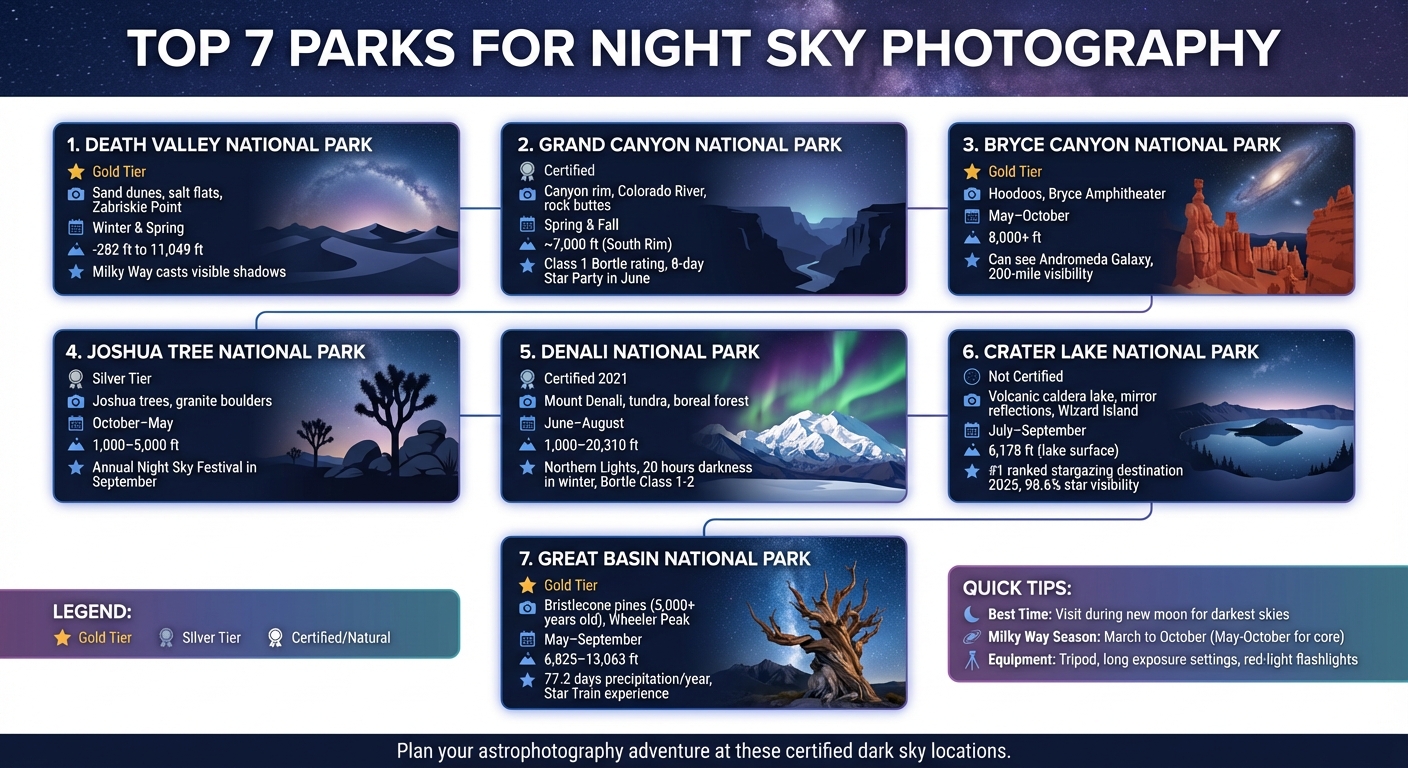
Comparison of Top 7 U.S. Parks for Night Sky Photography
1. Death Valley National Park
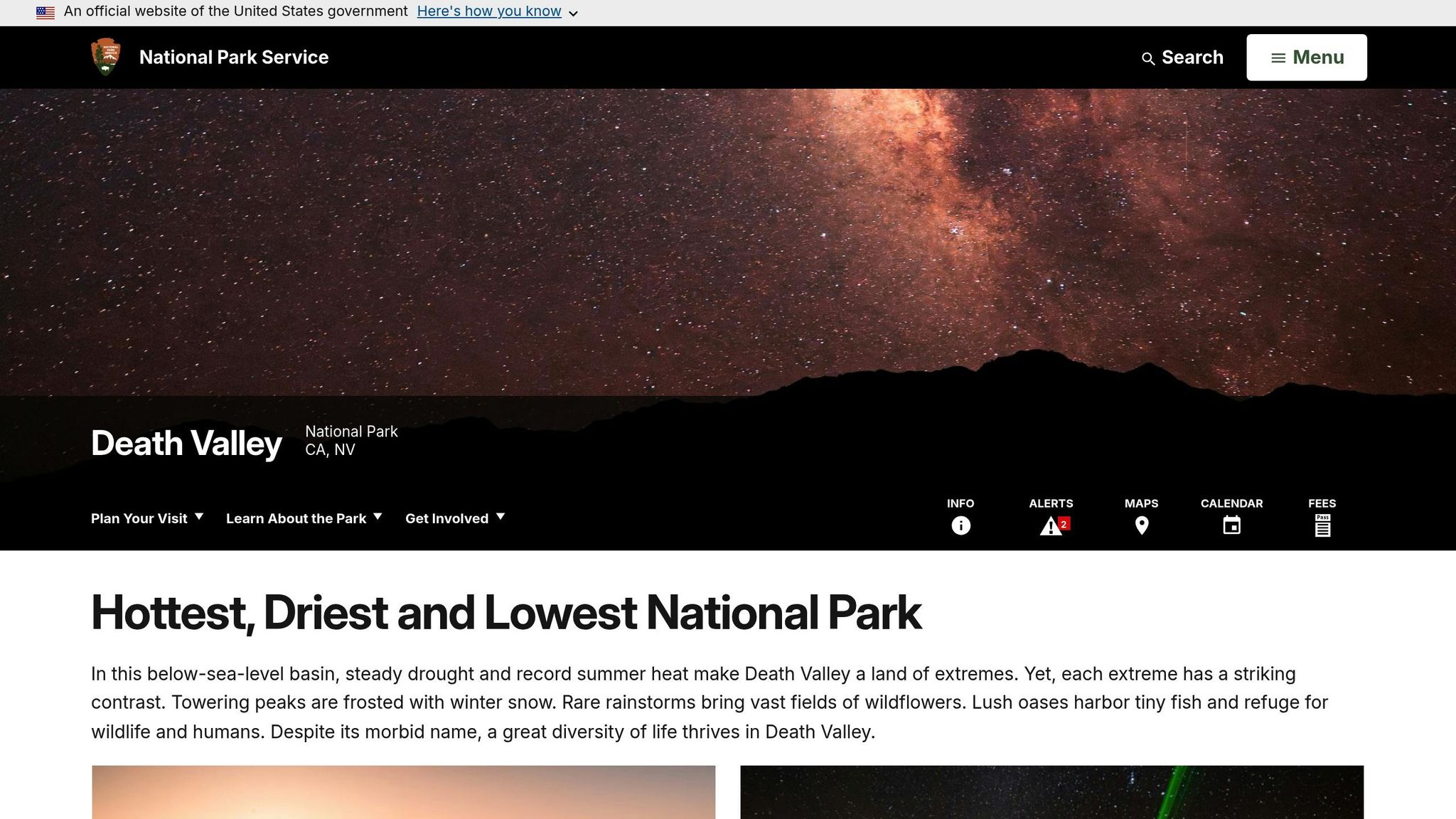
Gold Tier DarkSky Certification
In 2013, Death Valley National Park earned the prestigious International Dark Sky Park designation, becoming the third site in the U.S. National Park System to achieve Gold Tier status. This recognition highlights its exceptionally clear and dark skies, where even faint celestial details are visible. Tyler Nordgren, Associate Professor of Physics and board member of the International Dark-Sky Association, perfectly describes the experience:
"At Death Valley the sky literally begins at your feet".
The park preserves this status by implementing strict lighting controls. Facilities at Furnace Creek and Stovepipe Wells use special downward-facing shields and motion sensors to minimize light pollution, ideal for long-exposure photography. On moonless, clear nights, the brilliance of the Milky Way is so intense that it can cast visible shadows on the ground. These efforts ensure that Death Valley remains a haven for stargazers and photographers alike.
Diverse Foreground Elements
Spanning roughly 3.4 million acres, Death Valley offers a stunning variety of landscapes that serve as perfect foregrounds for astrophotography. The salt flats at Badwater Basin, the lowest point in North America, create an otherworldly setting. Mesquite Flat Sand Dunes provide rippling textures that beautifully frame the Milky Way. Historic sites like the Harmony Borax Works offer dramatic silhouettes, while unique landmarks such as the Wildrose Charcoal Kilns, with their beehive-like structures, and Racetrack Playa, known for its mysterious sailing stones, add intriguing architectural elements. These diverse features pair with Death Valley’s dark skies to create breathtaking compositions.
Annual Dark Sky Festival and Programs
Death Valley also celebrates its dark skies with its Annual Dark Sky Festival, which includes guest speakers from NASA, ranger-led activities, and hands-on astronomy workshops. During the winter months, park rangers host special programs to help photographers and stargazers navigate the wonders of the night sky. Additionally, Death Valley is a key stop on the "Park to Park in the Dark" astro-tourism route, which connects it with Great Basin National Park for an extended stargazing journey.
sbb-itb-00512f3
2. Grand Canyon National Park
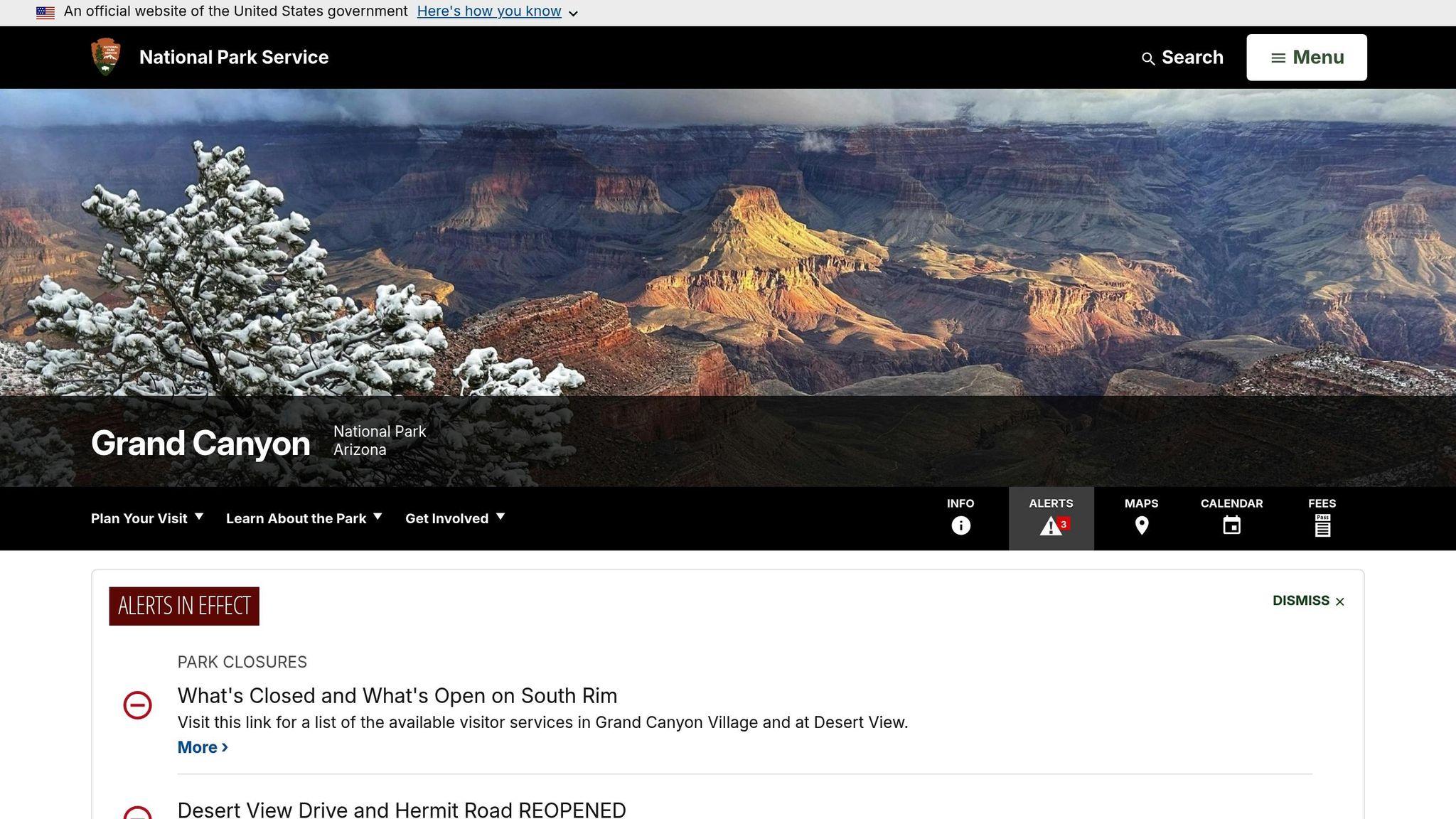
Full International Dark Sky Park Status
In June 2019, Grand Canyon National Park earned its certification as an International Dark Sky Park after upgrading over 5,000 light fixtures to meet the stringent standards of the International Dark-Sky Association. With a Class 1 Bortle rating – the highest possible – it boasts some of the clearest and darkest skies, virtually untouched by light pollution. DarkSky International celebrated this achievement, stating:
"Grand Canyon National Park is among the most recognizable parks in the world… an authentic and meaningful dark-skies experience is available to over 6 million visitors annually." – DarkSky International
The park’s unique combination of high elevation, ranging from 2,000 feet to 8,803 feet at Point Imperial, and its dry climate reduces atmospheric moisture and interference. This creates a perfect environment for viewing stars and planets with incredible sharpness.
Dramatic Canyon Foregrounds
The park’s dark-sky designation is enhanced by its breathtaking landscapes. Covering 1,217,262 acres, it provides endless opportunities for photographers and stargazers alike. The North Rim offers standout spots like Cape Royal, known for its expansive 300-degree views, and Point Imperial, which provides striking perspectives from the park’s highest elevations. Over on the South Rim, the Desert View Watchtower becomes a captivating foreground for capturing the Milky Way, while Lipan Point frames the galaxy beautifully against the canyon’s rugged walls. The towering red rock cliffs act as natural barriers, blocking light pollution from the horizon and reflecting starlight in a way that amplifies the night sky’s brilliance.
Eight-Day Annual Star Party
Each June, during the new moon, the Grand Canyon hosts an eight-day Star Party. This event includes telescope viewings, expert talks, and guided constellation tours. Beyond this annual celebration, the park offers year-round experiences like free ranger-led astronomy programs and specialized photography workshops. These activities, paired with the park’s unmatched dark skies, make it a hub for astrophotography and celestial exploration.
3. Bryce Canyon National Park
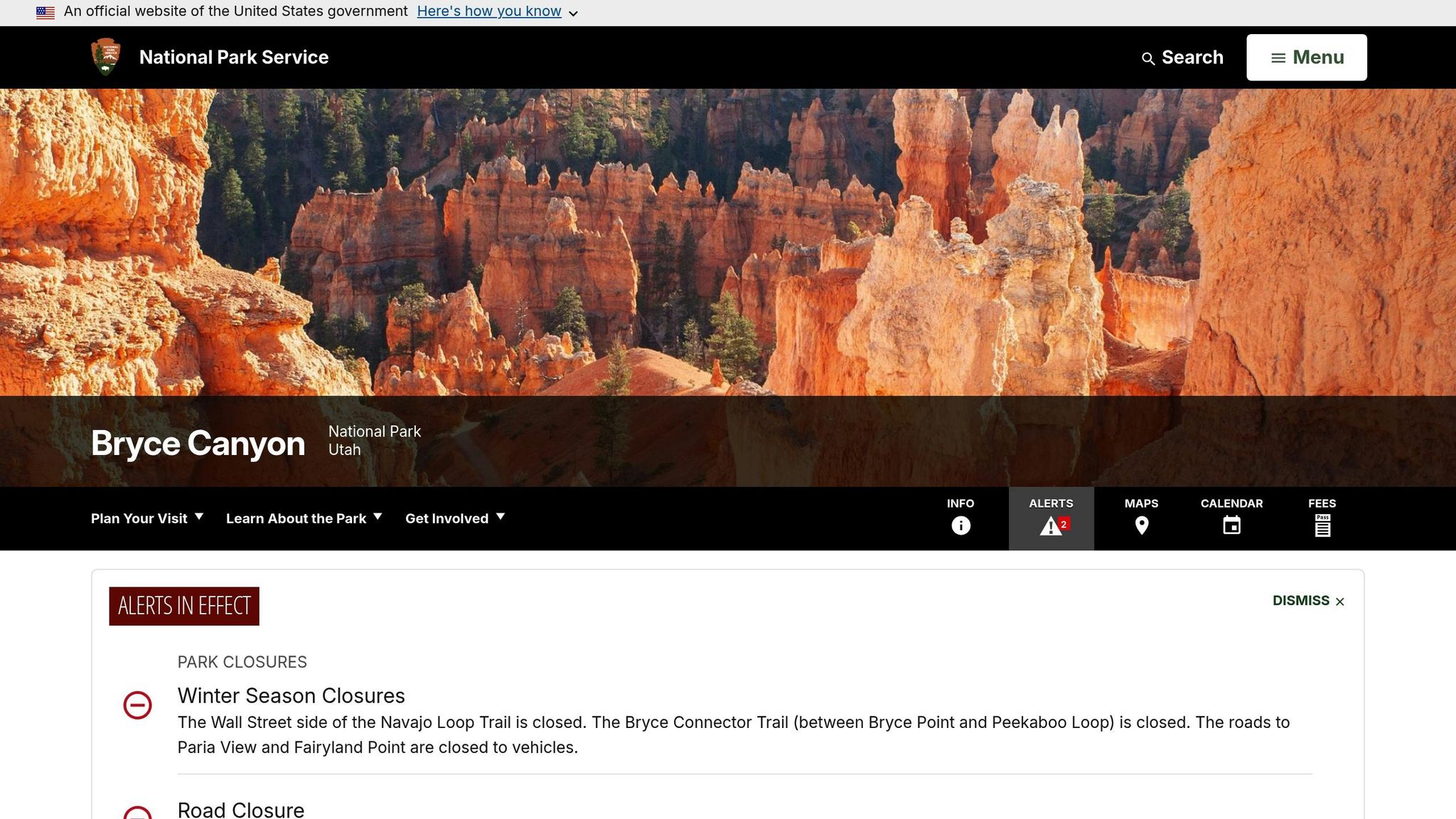
Gold Tier International Dark Sky Certification
In August 2019, Bryce Canyon National Park achieved the prestigious Gold Tier International Dark Sky certification. This milestone came after a decade of lighting improvements spearheaded by Superintendent Linda Mazzu, with support from the Bryce Canyon Association and Ruby’s Inn. The park’s extraordinary darkness owes much to its high elevation – over 8,000 feet – its remote location, and its clean, dry air. On clear nights, visitors can even spot the Andromeda Galaxy. Superintendent Mazzu emphasized the importance of preserving these dark skies:
"As fewer and fewer people are able to enjoy natural wonders like the Milky Way, dark places and commitments to protect them are more important than ever." – Linda Mazzu, Superintendent, Bryce Canyon National Park
This certification highlights the park’s dedication to protecting its remarkable night skies.
Iconic Hoodoos as Foreground Elements
Bryce Canyon’s famous crimson hoodoos provide stunning foregrounds for night sky photography. Popular viewpoints like Sunrise, Sunset, Inspiration, and Bryce Points, as well as the Queen’s Garden Trail, offer breathtaking perspectives. These spots not only frame the Milky Way but also showcase unique features such as the "Ballerina Tree" and silhouetted pines. For photographers, using a small, low-intensity light during 20–25 second exposures can softly illuminate the hoodoos, bringing out their natural textures.
Exceptional Atmospheric Clarity
The park’s elevation, ranging from 8,000 to 9,000 feet, combined with its dry, thin air, reduces atmospheric distortion and allows visibility to stretch up to 200 miles. While Milky Way photography is most rewarding between April and September, the winter skies remain exceptionally clear, even as temperatures drop to a bone-chilling -10°F.
Year-Round Astronomy Programs
Bryce Canyon has been a leader in night sky education for 50 years, hosting around 100 astronomy lectures annually. The park also organizes an Annual Astronomy Festival, with the next one scheduled for June 26–28, 2025. Visitors can enjoy Full Moon Hikes and telescope programs, making it a year-round destination for stargazers and astronomy enthusiasts alike.
13 Top Dark Sky Parks for Stargazing and viewing the Milky Way | Milky Way Sites, Dark Skies… 2026
4. Joshua Tree National Park
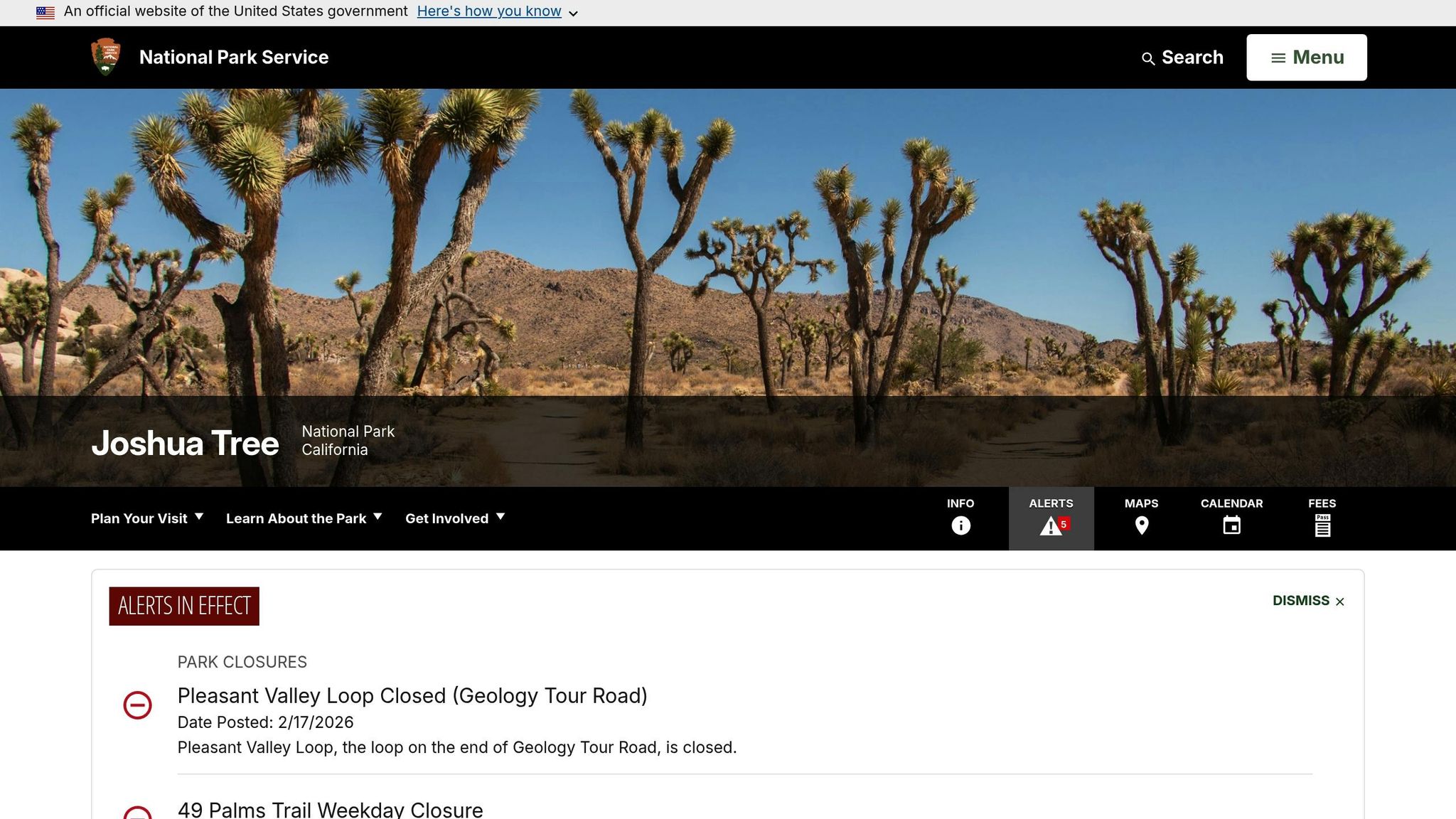
Joshua Tree National Park stands out as a desert haven for stargazers and astrophotographers, offering a stunning backdrop of dark skies and unique landscapes.
Silver Tier International Dark Sky Park
In 2017, Joshua Tree National Park achieved recognition as a Silver Tier International Dark Sky Park. Despite its proximity to Los Angeles, the park has managed to preserve its dark skies through solar energy use, strict lighting regulations, and local ordinances aimed at reducing light pollution. Physical Science Technician Stacy Manson shared the park’s dedication to maintaining this status:
"Joshua Tree National Park is proud to have recently been designated as an International Dark Sky Park at the Silver Tier level by the International Dark-Sky Association (IDA). The park strives to be a refuge for those who want to experience a naturally dark night sky." – Stacy Manson, Physical Science Technician
For the best stargazing experience, head to the park’s eastern side, especially along Pinto Basin Road near Cholla Cactus Garden and Cottonwood Campground. The western portion of the park, however, is more affected by light pollution from nearby areas like the Coachella Valley and Los Angeles. This careful balance between accessibility and preservation makes Joshua Tree a standout destination for night sky enthusiasts.
Iconic Desert Foregrounds
Joshua Tree’s landscapes provide unparalleled settings for astrophotography. Twisted Joshua trees frame the Milky Way, while granite formations like Arch Rock, Skull Rock, and the Jumbo Rocks area serve as captivating foregrounds. The Cholla Cactus Garden adds another layer of desert charm to night sky compositions. Peggy and Lane Larson, authors of The Deserts of the Southwest, perfectly captured the park’s allure:
"Little obstructs the extensive view of the sky dome, which in the clear, arid atmosphere appears bluer by day and more brightly star-studded by night than do the skies over many moister regions." – Peggy and Lane Larson
The combination of minimal light pollution and dramatic natural features makes Joshua Tree a dream location for photographers and stargazers alike.
Peak Photography Season
The ideal time for astrophotography in Joshua Tree varies by season. Summer months (June–September) offer clear skies and prime views of the Milky Way, particularly in June and July. Mid-July through late August is also the best window for witnessing the Perseid Meteor Shower. In winter (December–February), longer nights allow for extended stargazing sessions, with sunsets as early as 4:30 PM. However, February tends to bring more cloud cover than other winter months.
Annual Night Sky Festival
Each September, Joshua Tree hosts a two-day Night Sky Festival in partnership with Sky’s the Limit Observatory. This event features interactive tours and guided sessions, showcasing the park’s dedication to stargazing and astronomy education. For those seeking a more personal experience, private stargazing tours are available year-round, costing around $175 per adult and $95 per child for two-hour sessions that include telescope access and astrophotography guidance. With 24/7 park access, photographers can even extend their visits for long-exposure sessions under the stars.
5. Denali National Park
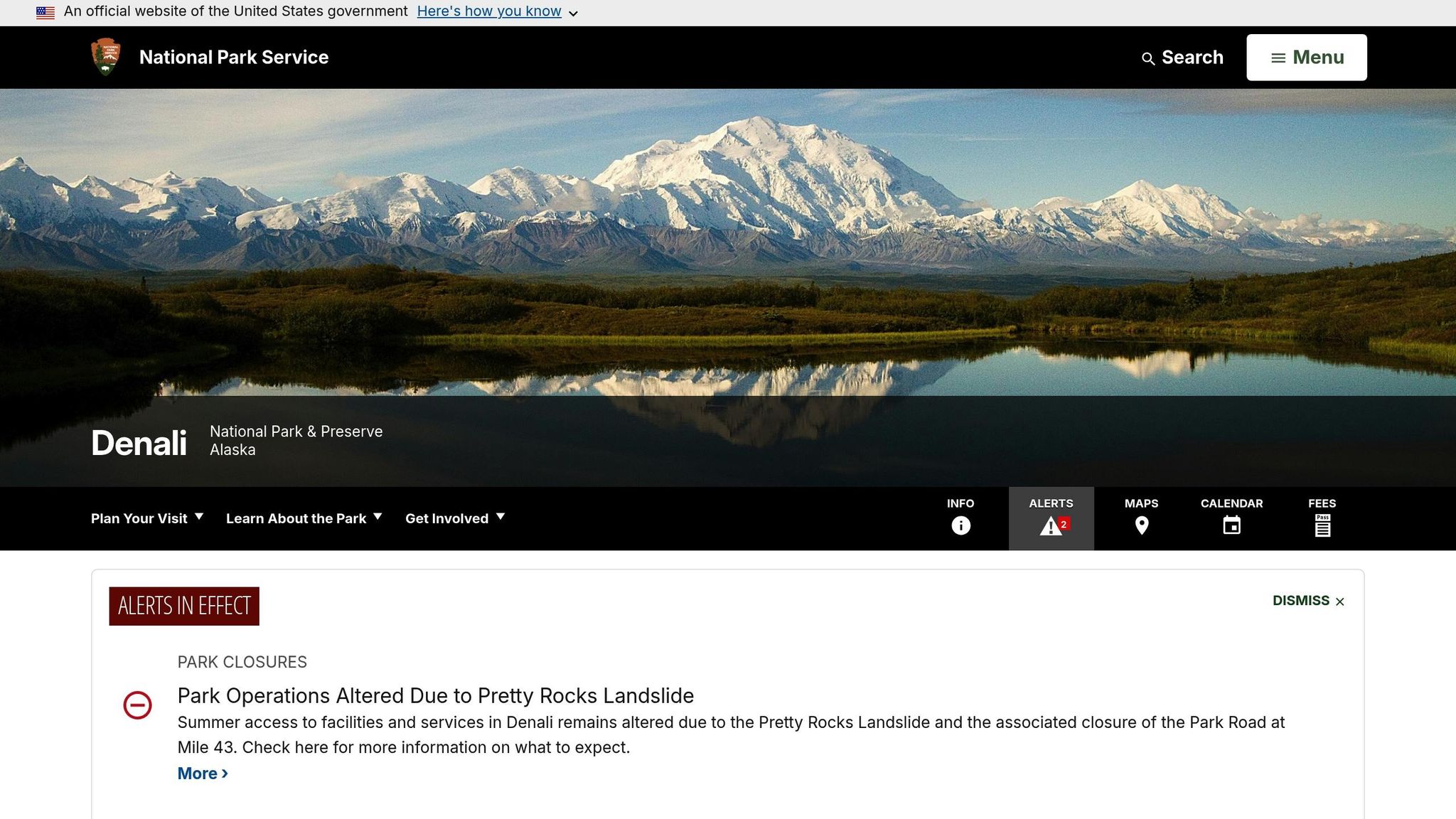
Denali National Park offers an extraordinary Arctic experience, blending untouched darkness with the awe-inspiring Northern Lights over North America’s tallest peak.
International Dark Sky Park Designation
In 2021, Denali National Park and Preserve earned the prestigious title of International Dark Sky Park from the International Dark-Sky Association. Covering an expansive 6 million acres, the park boasts a Bortle Scale rating of Class 1 or 2, marking it among the darkest places on Earth with minimal artificial light pollution. Megan McDonald, President and Co-founder of HuMu Media, highlighted the park’s achievement:
"Denali National Park and Preserve was designated as a Dark Sky Park by the IDA in 2021." – Megan McDonald
Denali’s cold winter air plays a crucial role in reducing atmospheric moisture, offering sharp, crystal-clear views of the night sky. While Fairbanks, located further north, might experience slightly more aurora activity, Denali’s absence of human light pollution provides a superior stargazing environment. This pristine darkness enhances the dramatic beauty of the surrounding mountains and tundra landscapes.
Stunning Mountain and Tundra Backdrops
The towering 20,310-foot Mount Denali serves as a breathtaking centerpiece for night sky photography. Spots like Denali Viewpoint South along the Parks Highway allow photographers to capture the mountain’s silhouette under star-studded skies. The park’s varied terrain, from dense taiga forests to open alpine tundra, offers countless natural frames for astrophotography. Wonder Lake, with its glass-like surface, is perfect for capturing reflections of the stars or auroras, while Riley Creek Campground near the entrance provides convenient stargazing opportunities without the need for backcountry travel.
Best Times for Stargazing
To experience Denali’s dark skies at their best, avoid visiting during the six weeks surrounding the summer solstice (June 21), when the midnight sun makes it too bright for stargazing. The ideal period runs from late August through early April, with March and early April offering full nights of darkness before the days begin to lengthen again. Around the winter solstice (December 21), visitors can enjoy nearly 20 hours of darkness, with only 4 hours and 21 minutes of daylight. Peak stargazing hours fall between midnight and 5:00 AM, and allowing about 30 minutes for your eyes to adjust to the dark will enhance your experience.
Ranger-Led Programs and Winter Activities
Denali celebrates its dark skies with events like “Winterfest”, held during the heart of the dark season. This festival features night sky appreciation activities alongside ranger-led programs that explore both astronomy and traditional Athabascan star lore. These events not only showcase Denali’s exceptional stargazing opportunities but also deepen visitors’ connection to the park’s unique wilderness and night sky. To preserve the darkness, participants are encouraged to use red-light flashlights for navigation. For the best experience, check local Clear Sky Charts for cloud-free conditions before heading out.
6. Crater Lake National Park
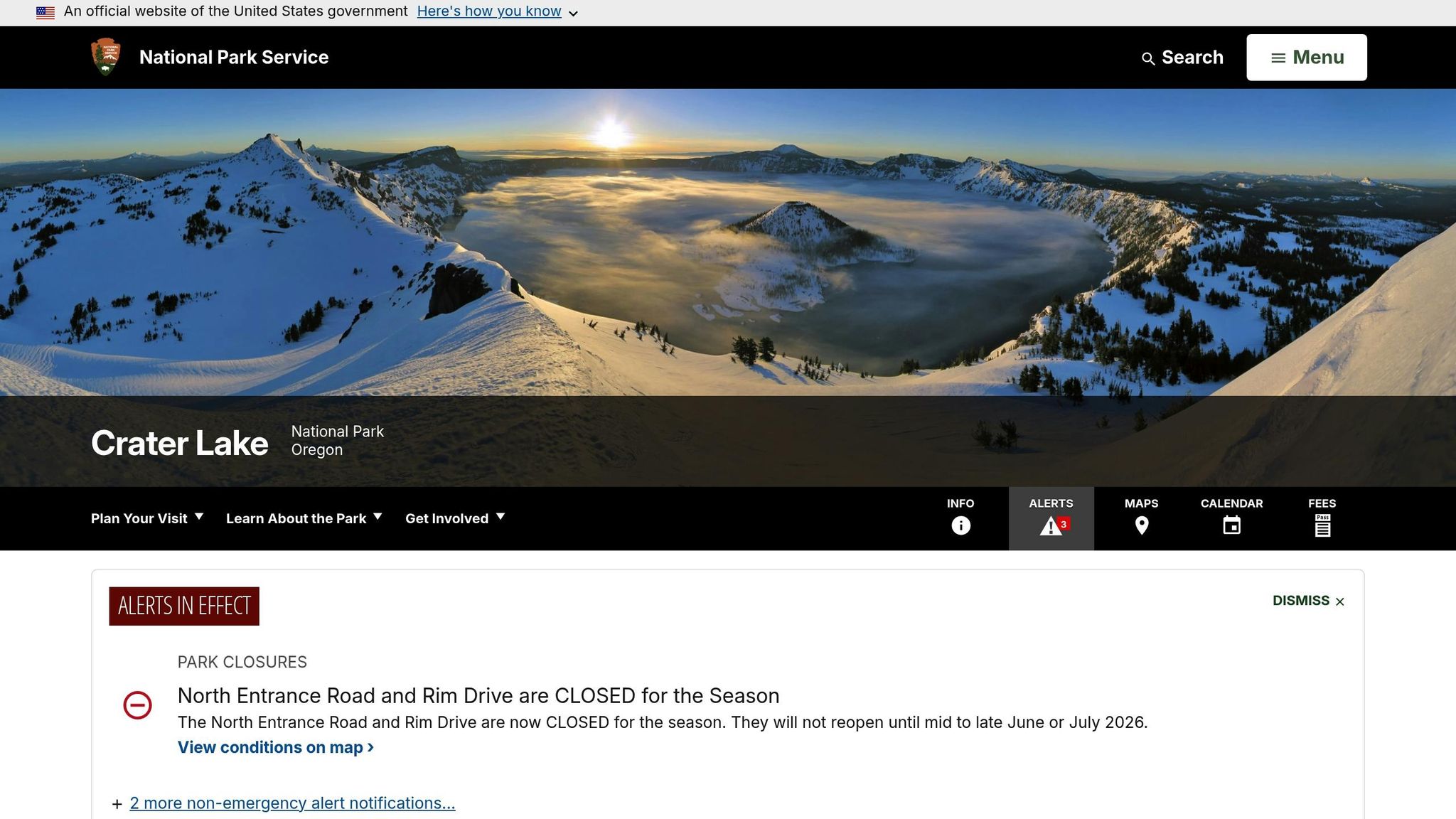
In 2025, Crater Lake National Park earned the title of the top stargazing destination in the U.S., scoring a flawless 100 on an index ranking dark sky locations. Perched over 6,000 feet high in a volcanic caldera, this park boasts some of the clearest skies imaginable. Its volcanic terrain adds a dramatic touch, creating natural frames for the stars. The National Park Service’s Dark Sky Team even places it among the top 10 dark sky sites within the National Park System.
Stunning Dark Sky Conditions
With an impressively low light pollution ratio of just 0.03, an average of 98.6% of stars are visible here. The park’s combination of high altitude and remote location makes it perfect for spotting the Milky Way. As Popular Science aptly described:
"the starlight is supposedly so bright that flashlights are optional".
Volcanic Landscapes as a Photographer’s Dream
The lake’s deep blue waters, formed from the collapsed Mt. Mazama volcano, and the steep caldera walls create striking natural elements for astrophotography. Wizard Island, a volcanic cinder cone rising from the lake, serves as a stunning focal point for photos taken from the rim. The 33-mile Scenic Rim Drive provides numerous parking spots with unobstructed horizons, ideal for stargazing and photography. For even more captivating views, hike to the Watchman Overlook fire tower to photograph the Milky Way arching over Wizard Island, or explore The Pinnacles, where jagged volcanic spires create surreal silhouettes against the night sky.
Best Time for Stargazing and Photography
The prime season for stargazing runs from June to September, offering warm, clear nights. For those aiming to capture the Milky Way’s core, plan your visit between March and early May for the most dramatic views. Point your lens south to frame the galaxy rising above the volcanic caldera walls. While the park is open 24 hours year-round, keep in mind that the North Entrance and some overlooks close during winter due to heavy snowfall. Even in summer, the high-altitude nights can get chilly, so pack extra layers.
Next up, we’ll explore another park with its own celestial wonders.
7. Great Basin National Park
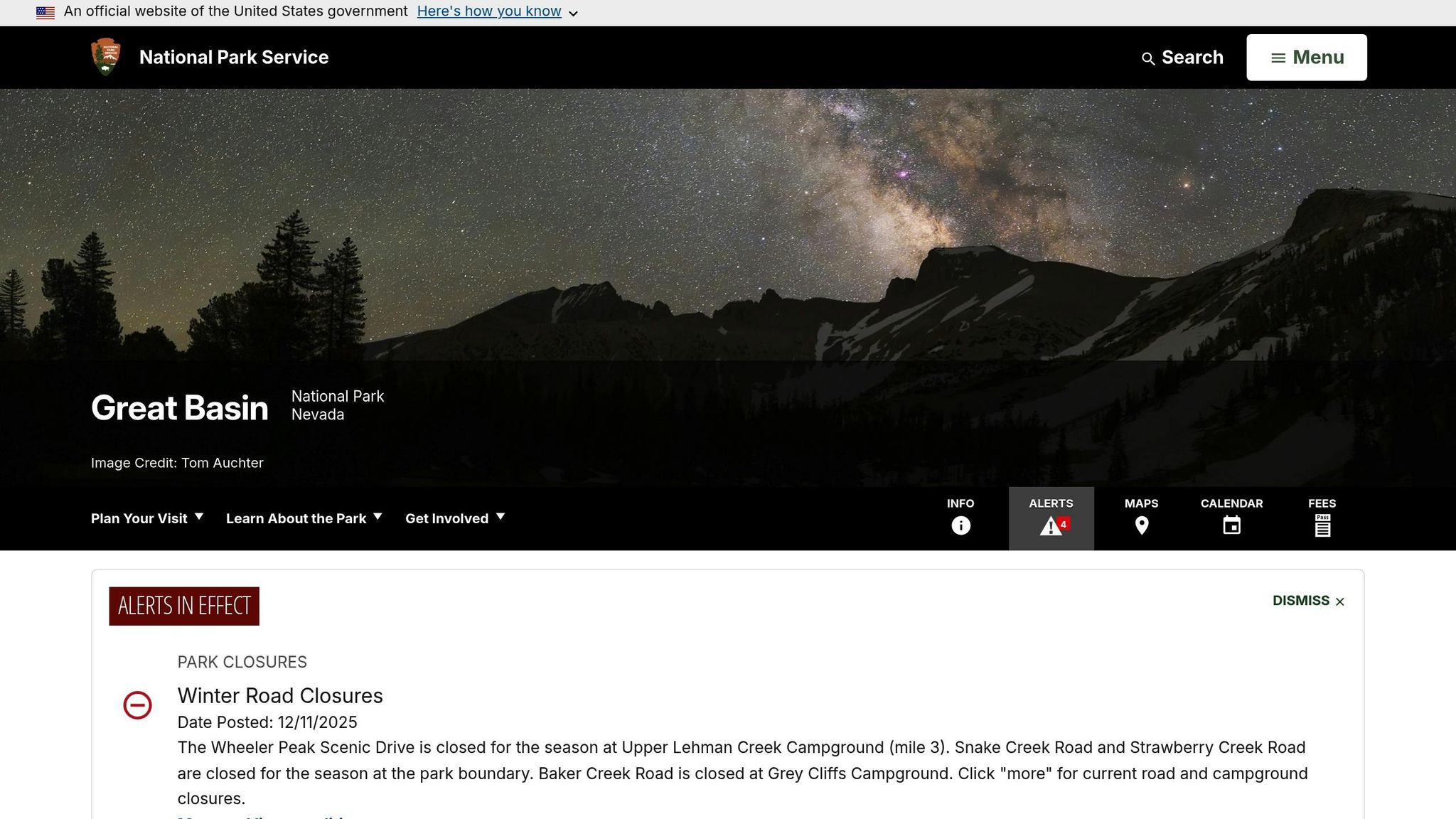
Gold Tier Dark Sky Certification
In 2016, Great Basin National Park received the International Dark Sky Park certification, reaching the highly regarded Gold Tier status – the top rating from DarkSky International. This recognition places the park among the darkest locations in the contiguous United States. Its exceptional darkness is due to its remote location in one of the least-populated areas of the lower 48 states, with major cities like Las Vegas and Salt Lake City approximately 200 miles away. The park’s basin-and-range topography naturally blocks light pollution from distant cities, while proactive light management measures – such as red exterior lighting and motion sensors – help maintain its pristine night skies.
The Great Basin Observatory, situated at about 6,825 feet above sea level, offers an unparalleled stargazing experience. With minimal atmosphere, turbulence, and dust, the observatory ensures clear views of the cosmos. It’s equipped with a 70cm primary mirror and a CCD camera cooled to -58°F, enabling high-resolution deep-space imaging. Jerry Hilburn, Director of the Great Basin Observatory, captures the essence of this unique environment:
"You can stand out there on a night when there’s no Milky Way or no Moon, and you can’t see 10 feet in front of you. It really is a pristine environment."
This untouched darkness provides the perfect backdrop for breathtaking astrophotography.
Unique Foreground Elements for Composition
Great Basin National Park offers a variety of dramatic foreground elements for photographers. The ancient bristlecone pines, some over 5,000 years old, with their gnarled and twisted branches, create striking silhouettes against the Milky Way. Wheeler Peak, towering at 13,063 feet, serves as a rugged and imposing backdrop for wide-angle shots. For unique compositions, consider framing your photos with Wheeler Peak Glacier – Nevada’s only glacier – or the Baker Archaeological Site, where the remnants of a Fremont Indian village add a historical touch.
Clear Night Conditions
The park’s high-desert climate further enhances its reputation as a stargazing haven. With an average of just 77.2 days of precipitation per year, most nights are clear and ideal for capturing the night sky. The best time to photograph the Milky Way’s dense core is between May and September, particularly on moonless nights. Thanks to the stable and transparent atmosphere, long-exposure photography is possible year-round, though winter can bring challenges with an average snowfall of 66.7 inches at the Lehman Caves Visitor Center.
Special Stargazing Programs
Great Basin National Park takes full advantage of its stellar conditions with a variety of stargazing events. The annual Astronomy Festival, held in mid-September, features guest speakers and astrophotography workshops. Another standout attraction is the "Star Train", a collaboration with the Nevada Northern Railway. This unique experience includes astronomy discussions and telescope viewing on a train departing from Ely, Nevada. For the best photography spots, check out Mather Overlook, the Baker Archaeological Site, or the Astronomy Amphitheater, where white lights are strictly prohibited to protect night vision.
Park Comparison Table
Choosing the right park for astrophotography depends on factors like dark sky certification, elevation, weather conditions, and unique foreground features. Dark Sky certification ensures reduced light pollution through strict lighting guidelines, while elevation and distinctive landscapes can significantly influence the quality of your shots.
Out of the seven parks listed, five are certified by the International Dark Sky Association. Death Valley and Bryce Canyon boast Gold Tier status, reflecting their incredibly dark skies. Grand Canyon earned its certification after major lighting improvements. Although Denali and Crater Lake lack certification, their remote locations still provide impressively dark skies.
Higher elevations can enhance image clarity by limiting atmospheric interference. Bryce Canyon, with elevations over 8,000 feet, and Great Basin, reaching up to 13,000 feet, provide clear and dry conditions. Meanwhile, Death Valley, with its extreme range from -282 feet at Badwater Basin to 11,049 feet at Telescope Peak, offers dramatic contrasts in both temperature and scenery.
The table below provides an overview of each park’s certification status, standout features, best seasons for photography, and elevation ranges.
| Park | Dark Sky Certification | Key Foreground Features | Best Photography Seasons | Elevation Range |
|---|---|---|---|---|
| Death Valley | Gold Tier | Sand dunes, salt flats, Zabriskie Point | Winter & Spring | -282 ft to 11,049 ft |
| Grand Canyon | Certified | Canyon rim, Colorado River, rock buttes | Spring & Fall | ~7,000 ft (South Rim) |
| Bryce Canyon | Gold Tier | Hoodoos, Bryce Amphitheater | May–October | 8,000+ ft |
| Joshua Tree | Certified | Joshua trees, granite boulders | October–May | 1,000–5,000 ft |
| Denali | Not Certified | Mount Denali, tundra, boreal forest | June–August | 1,000–20,310 ft |
| Crater Lake | Not Certified | Volcanic caldera lake, mirror reflections | July–September | 6,178 ft (lake surface) |
| Great Basin | Certified | Bristlecone pines, Wheeler Peak | May–September | 6,825–13,063 ft |
For the best results, plan your photography sessions around the 10 days surrounding the new moon. If you’re aiming to capture the Milky Way’s galactic core, visit between May and October. Desert parks like Death Valley and Joshua Tree offer steady clear skies throughout the year, while higher-elevation parks such as Denali and Crater Lake have shorter windows for photography due to snow and cloud cover.
Conclusion
These seven parks safeguard the pristine darkness needed to experience the night sky in its full glory. Each one combines breathtaking landscapes with incredible stargazing opportunities, making them perfect for astrophotography enthusiasts.
Five of these parks have earned International Dark Sky certification. Death Valley and Bryce Canyon hold prestigious Gold Tier status, while Grand Canyon achieved certification after significant lighting upgrades. Even parks without certification, like Denali and Crater Lake, offer exceptional stargazing thanks to their remote locations. This thoughtful balance of preservation and proactive measures ensures awe-inspiring views of the cosmos.
"There’s only one night sky, and it belongs to all of us. It’s also up to us to preserve it." – John C. Barentine, Ph.D., Director of Conservation, International Dark-Sky Association
For the best stargazing experience, plan your visit around the new moon. Late summer through fall is ideal for capturing the Milky Way’s core. Desert parks like Death Valley and Joshua Tree often enjoy clear skies year-round, though cooler months are more comfortable for nighttime exploration. High-altitude parks, such as Bryce Canyon and Great Basin, have shorter stargazing seasons due to snow and cloud cover.
To make the most of your trip, check out resources like The National Park Guide for tips on the best viewpoints – like Mather Point at Grand Canyon or Badwater Basin in Death Valley – ranger-led astronomy programs, and advice on photography gear.
FAQs
How do I pick the best park for my photo goals?
To find the perfect park for your photography needs, keep these tips in mind:
- Focus on the Sky: Seek out Dark Sky Parks or locations known for their pristine night skies. These spots often offer the clearest views for capturing stars.
- Ideal Conditions: Choose parks that are remote, situated at higher elevations, and free from light pollution. These factors can make a huge difference in the quality of your shots.
- Perfect Timing: Schedule your trip during a new moon. The absence of moonlight ensures the darkest skies, making stars and celestial objects stand out.
- Ease of Access: Look for parks with stargazing programs, well-maintained trails, or specific areas designed for night sky viewing. These amenities can enhance your experience and make your visit more enjoyable.
What camera settings work best for star photos?
For capturing stunning star photos, start by mounting your DSLR on a sturdy tripod to keep it stable. Set your aperture to f/4 or lower to allow more light into the lens. Switch to manual focus and lock onto a bright star for clarity. Use a shutter speed of 15–30 seconds and adjust your ISO between 400 and 1600, depending on the brightness of the scene.
To prevent star trails, apply the 500 rule: divide 500 by your lens’s focal length to determine the maximum exposure time. For precise focus, zoom in on a star using your camera’s live view mode – it can make all the difference in achieving sharp, crisp results.
How can I stay safe photographing at night in parks?
Photographing at night can be an incredible experience, but safety should always come first. Bring a friend along – not only for company but also to help with navigation or assist if something goes wrong. Let someone else know your plans, including where you’ll be and when you expect to return, so they can check on you if needed.
Pack the 10 essentials, like a flashlight, a map, and a first aid kit, to prepare for any surprises. Stick to natural light as much as possible – using artificial lighting can harm your night vision and disturb wildlife. And, of course, always follow park rules to keep yourself safe and help protect the area you’re exploring.