
Trail running in national parks combines fitness with incredible scenery, offering everything from forested paths to rugged mountain trails. This guide highlights eight parks perfect for runners of all skill levels, detailing trail distances, terrain types, and seasonal tips. Whether you’re an ultrarunner seeking a challenge or a beginner looking for scenic routes, these parks deliver unforgettable experiences.
Key Highlights:
- Grand Canyon: Rugged desert trails with steep elevation changes (up to 4,860 ft). Best for advanced runners.
- Rocky Mountain: Alpine trails reaching 13,770 ft, with options for all skill levels.
- Great Smoky Mountains: Over 900 miles of lush forested trails, including beginner-friendly routes.
- Yosemite: 750+ miles of trails ranging from flat valley paths to challenging alpine climbs.
- Grand Teton: Scenic mountain routes like the 7.1-mile Jenny Lake Loop, suitable for various fitness levels.
- Canyonlands: Unique slickrock terrain and desert loops, ideal for intermediate to advanced runners.
- Glacier: High-altitude alpine trails with dramatic views, perfect for experienced runners.
- Channel Islands: Coastal trails on remote islands, offering moderate runs with stunning ocean views.
Quick Comparison Table:
| Park | Trail Miles | Elevation Range | Terrain | Skill Level |
|---|---|---|---|---|
| Grand Canyon | 21–24 | 2,000–7,000 ft | Rocky canyon, desert | Moderate to Advanced |
| Rocky Mountain | 242 | 6,320–13,770 ft | Mountain, alpine tundra | Easy to Advanced |
| Great Smoky Mountains | 900+ | Varies (~3,000 ft gain) | Dense forest, waterfalls | Easy to Advanced |
| Yosemite | 750+ | 1,800–13,114 ft | Granite, sequoia forests | Easy to Advanced |
| Grand Teton | 242 | 6,320–13,770 ft | Mountain, lakes | Easy to Advanced |
| Canyonlands | Varies | Varies | Slickrock, red-rock | Moderate to Advanced |
| Glacier | 93 (Wonderland) | Up to 10,000+ ft | Alpine meadows, glaciers | Advanced |
| Channel Islands | 5–15.5 | Moderate | Coastal, desert canyons | Easy to Moderate |
Choose your next adventure based on your fitness level, preferred terrain, and season. From the steep climbs of the Grand Canyon to the serene beaches of Channel Islands, there’s a trail for every runner.
1. Grand Canyon National Park
Trail Variety (Terrain, Distance, and Elevation)
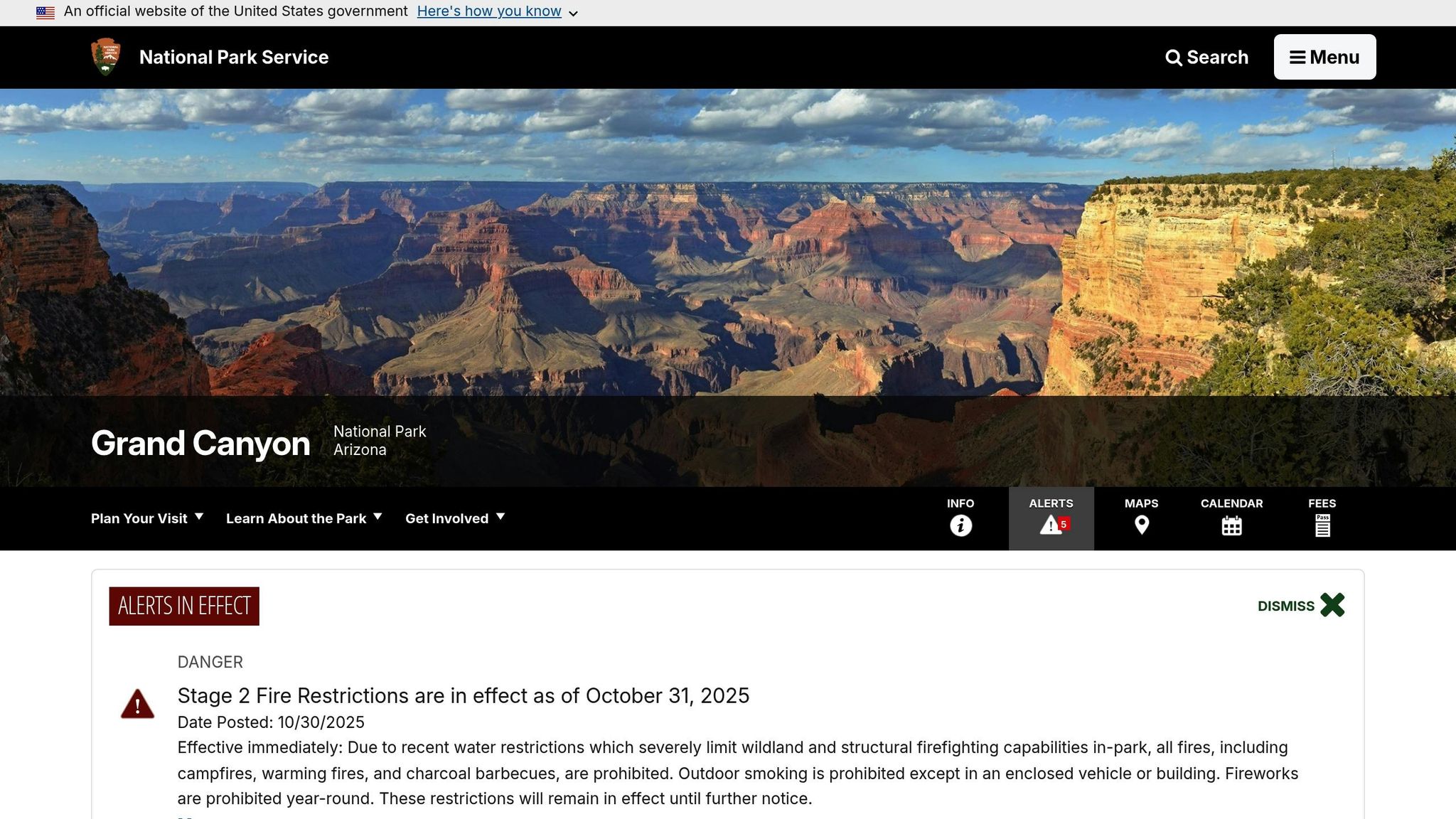
Grand Canyon National Park is a playground for trail runners who love a challenge. The rugged terrain of the American Southwest features uneven red-rock formations, sandy stretches, and rocky switchbacks that demand sharp focus and careful footing. This mix of slickrock and desert paths keeps every step interesting.
Spanning 1.2 million acres, the park boasts an extensive network of maintained trails. The elevation changes are no joke – starting at the South Rim’s 7,000 feet and plunging down to the Colorado River at 2,140 feet, there’s a staggering 4,860-foot difference. Whether you’re tackling a shorter rim trail or diving into the depths of the canyon, you’ll engage different muscle groups and sharpen your technical trail-running skills. And let’s be honest, the views make the effort totally worth it.
Scenic Value (Views, Natural Features, and Wildlife)
Running in the Grand Canyon is like moving through a living postcard. The canyon walls, layered with millions of years of geological history, shift colors throughout the day as the sunlight dances across their surfaces. The Colorado River snakes its way along the canyon floor, adding a dramatic contrast to the earthy tones above. Every turn offers another jaw-dropping vista that stretches as far as the eye can see.
And it’s not just the views that make this place special. Keep an eye out for bighorn sheep, mule deer, and an array of birds that remind you this isn’t just a trail – it’s a thriving ecosystem.
Difficulty Level (Beginner, Intermediate, Advanced)
This is not the place for casual jogs or unprepared beginners. The Grand Canyon’s rocky terrain, steep elevation changes, and high-altitude conditions make it best suited for intermediate to advanced trail runners. Beginners who are new to technical trails or unfamiliar with desert running should proceed cautiously and stick to easier routes until they’re comfortable.
For seasoned runners, the canyon offers the ultimate test of endurance and skill. From the lung-busting rim-to-river climbs to the endlessly technical descents, these trails push your cardiovascular fitness and agility to their limits. The high altitude adds an extra layer of challenge, so pacing and hydration are key.
Trail Infrastructure (Signage, Maintenance, and Accessibility)
Most of the main trails in the park are well-marked and maintained, though conditions can vary depending on the trail’s popularity. That said, don’t rely solely on signage – Grand Canyon National Park is vast, and carrying navigation tools is a must. Water sources are limited, so careful planning for hydration is non-negotiable.
The park’s infrastructure is designed to support both hikers and runners. If you’re new to the area, starting with rim trails is a smart move to get a feel for the altitude and terrain. For the best experience, aim for spring or fall when the desert temperatures are milder, avoiding the extreme heat of summer.
2. Rocky Mountain National Park
Trail Variety (Terrain, Distance, and Elevation)
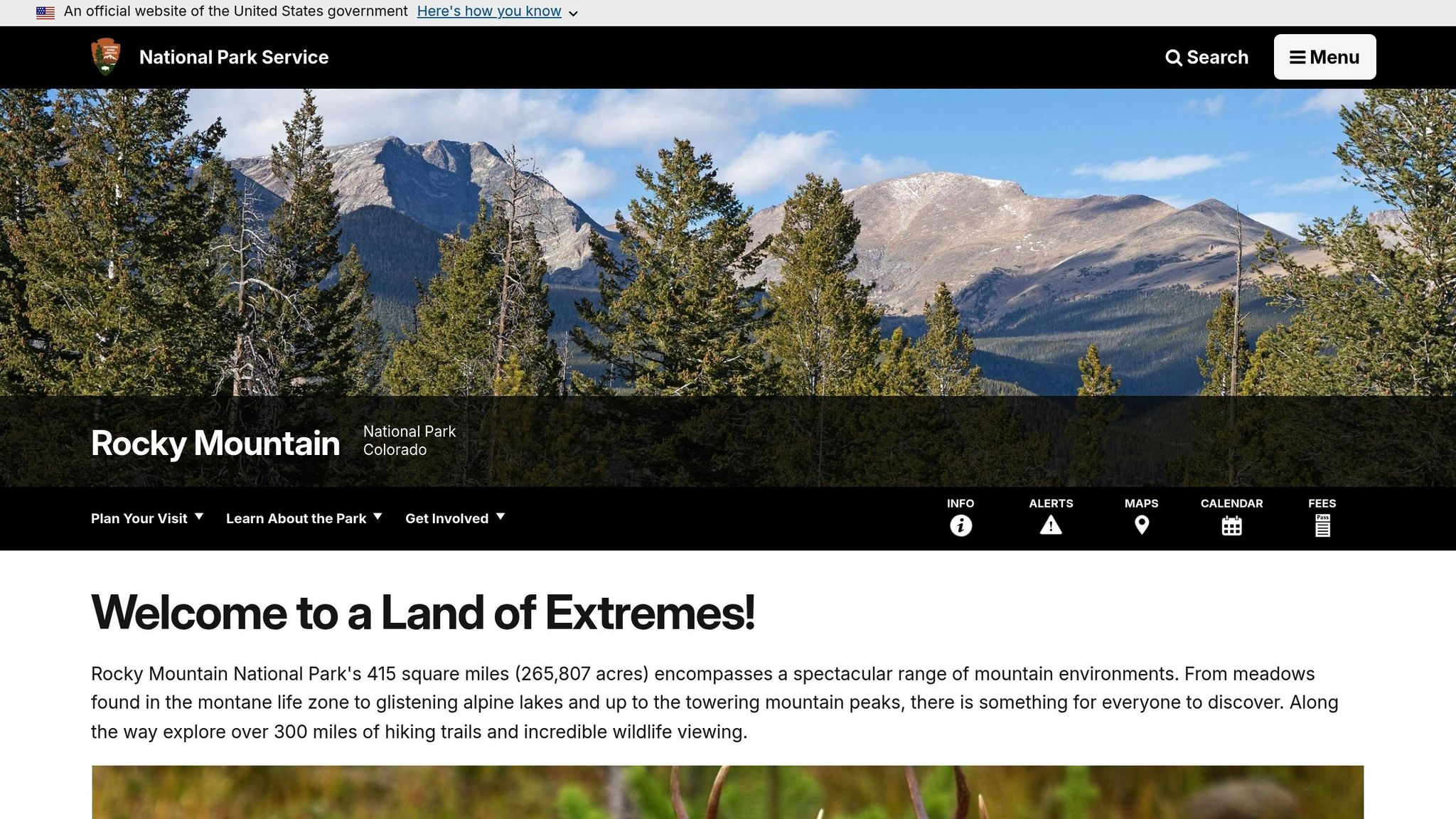
Rocky Mountain National Park boasts an extensive trail network, with 242 miles of paths winding through the Continental Divide in northwestern Colorado. The terrain offers something for everyone, from peaceful valley-floor strolls to rugged mountain trails that push your endurance and technical skills. Trail elevations start at 6,320 feet and climb all the way to a breathtaking 13,770 feet.
One standout trail is the Lakes Loop, a 12-mile journey through the high alpine zone. This route skips the typical summit focus and instead highlights the park’s stunning alpine lakes and cascading waterfalls. The elevation shifts and varied terrain make it a thrilling and dynamic experience for runners.
Whether you’re looking for a moderate run on lower-elevation trails or a heart-pounding adventure into the alpine zone, the park’s diversity ensures there’s a trail to match your goals. And with the stunning natural surroundings, every run feels like a special experience.
Scenic Value (Views, Natural Features, and Wildlife)
Running through Rocky Mountain National Park is like stepping into a postcard. The park’s trails take you through a range of ecosystems, from dense forests to open alpine tundra. Along the way, you might spot wildlife like elk, marmots, pikas, and bighorn sheep. The Lakes Loop, in particular, offers breathtaking views of high alpine landscapes, with each lake giving you a fresh perspective on the towering peaks and sweeping valleys.
Thanks to its location along the Continental Divide, the park delivers unmatched panoramic mountain views. As you climb higher, the scenery transitions from forested slopes to colorful meadows and rocky alpine terrain. For a different vantage point, Trail Ridge Road – the highest continuous paved road in the U.S. – cuts through the park, offering stunning views from the comfort of your vehicle.
Difficulty Level (Beginner, Intermediate, Advanced)
This park caters to runners of all skill levels, but the altitude is a game-changer. Even the easiest trails start at 6,320 feet, which can slow your pace if you’re not used to thinner air. The Lakes Loop, with its 12-mile length and challenging elevation changes, is ideal for intermediate to advanced runners.
For seasoned runners, the higher-elevation trails offer technical challenges and rugged terrain that demand both stamina and skill. Beginners, on the other hand, can stick to the lower-elevation valley trails while they acclimate to the altitude and terrain. If you’re new to high-altitude running, take it slow and allow your body time to adjust – it’s the key to enjoying the park’s trails safely and comfortably.
Trail Infrastructure (Signage, Maintenance, and Accessibility)
Rocky Mountain National Park is a favorite for trail runners, thanks in large part to its well-maintained and clearly marked trail system. With 242 miles to oversee, the park staff ensures popular routes like the Lakes Loop are in great condition and easy to navigate.
However, the park’s high elevations bring unpredictable weather, so dressing in layers is a must. You might start your run in mild temperatures only to encounter chilly conditions higher up, so sturdy footwear designed for rocky and uneven terrain is essential. Summer, from June to September, is the best time to visit once the snow has melted, but always double-check trail conditions before you head out. This thoughtful infrastructure makes it easier to embrace the park’s challenging landscapes and ever-changing weather while staying safe and prepared.
3. Great Smoky Mountains National Park
Trail Variety (Terrain, Distance, and Elevation)
The Great Smoky Mountains National Park is a treasure trove for trail runners, offering over 900 miles of trails spread across its sprawling 500,000-acre expanse on the Tennessee-North Carolina border. Whether you’re looking for a short 5-mile loop or an intense multi-day adventure, this park has something for everyone.
The terrain here is a mix of dense forests, rolling hills, and picturesque waterfalls. One of the standout features is the 72-mile stretch of the Appalachian Trail that cuts through the heart of the park. This iconic route has become a bucket-list experience for serious trail runners.
For those just starting out or seeking a moderate challenge, the Trillium Gap Trail to Grotto Falls is a great choice. This 7-mile out-and-back trail climbs 1,200 feet and takes you through lush forest to a beautiful waterfall, all without requiring advanced technical skills. If you’re ready to push a bit further, the Alum Cave Trail to Mount LeConte offers an 11-mile roundtrip journey with dramatic rock formations, natural arches, and historical landmarks along the way.
For seasoned runners, the Gatlinburg-to-Cherokee Traverse spans 35 miles and showcases the park’s signature terrain. And if you’re seeking the ultimate endurance challenge, the Smokies Challenge Adventure Run (SCAR) covers the entire 72-mile Appalachian Trail section within the park. It’s a grueling test of stamina and determination, often described as a rite of passage for ultrarunners in the region.
Scenic Value (Views, Natural Features, and Wildlife)
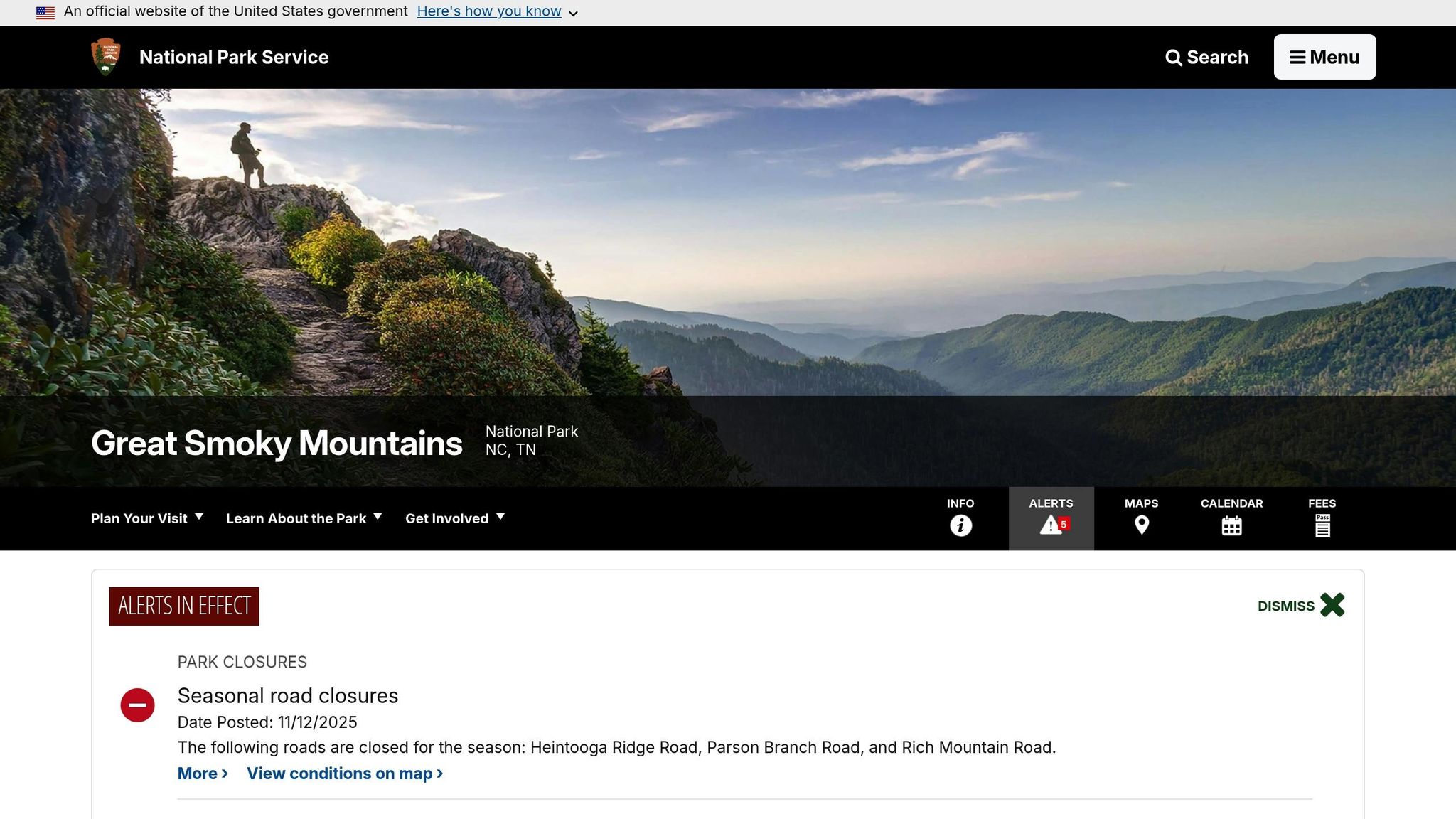
Running in the Smokies is a sensory experience like no other. The dense forest canopy provides shade and a sense of immersion, while waterfalls, creeks, and natural springs appear frequently along the trails. These water features are a hallmark of the park, adding to its serene and refreshing atmosphere.
The park’s ancient woodlands and varied vegetation put on a stunning show, especially in the fall when the trails are ablaze with vibrant colors. While the forested environment offers protection from harsh weather, it also limits the sweeping vistas you might find in more open, alpine parks. Still, the intimate beauty of the trails more than makes up for this.
Wildlife sightings are another highlight. Elk, marmots, pikas, and even bighorn sheep can often be spotted as you navigate the trails. The combination of lush forest, mountain terrain, and thriving wildlife creates a unique ambiance that feels both peaceful and untamed.
Difficulty Level (Beginner, Intermediate, Advanced)
The park’s extensive trail network caters to runners of all skill levels. Beginners can explore shorter, easier routes that meander through the forest, while those seeking a moderate challenge can tackle trails like the Trillium Gap Trail to Grotto Falls, with its manageable 7-mile distance and steady elevation gain.
Intermediate and advanced runners have plenty of options, including the Alum Cave Trail to Mount LeConte, which combines an 11-mile roundtrip distance with varied terrain and stunning natural features. For ultrarunners, the park offers world-class challenges like the 35-mile Gatlinburg-to-Cherokee Traverse, which tests endurance with significant elevation changes. And for the truly ambitious, the 72-mile SCAR provides an unparalleled test of grit and endurance.
Trail Infrastructure (Signage, Maintenance, and Accessibility)
As one of the most visited national parks in the U.S., the Great Smoky Mountains maintains its trails to a high standard. The 900-mile network is well-marked, and popular routes like the Trillium Gap Trail and Alum Cave Trail receive regular maintenance to ensure they remain safe and accessible. With multiple entry points along the Tennessee-North Carolina border, accessing the park’s trail systems is straightforward, no matter where you’re starting from.
However, the weather here can be unpredictable. Dressing in layers is essential, as elevation changes can lead to rapid shifts in temperature and conditions. The forest offers natural protection from wind and sun, but it’s wise to prepare for anything. Starting early in the day is also recommended, especially for longer runs, as daylight can become a factor. While the park’s abundant creeks and springs provide natural water sources, always verify their reliability before relying on them.
4. Yosemite National Park
Trail Variety (Terrain, Distance, and Elevation)
Yosemite National Park offers an impressive 750 miles of trails, catering to every kind of trail runner. From flat, easy-going carriage roads to challenging granite singletracks, the park’s terrain spans elevations from 1,800 to 13,114 feet. Popular options include the High Sierra Trail, which features an 11-mile out-and-back to Bearpaw Meadow or a 15-mile roundtrip to Hamilton Lake. Along the way, you’ll encounter Giant Sequoia groves and dramatic canyon walls that make the journey unforgettable.
Scenic Value (Views, Natural Features, and Wildlife)
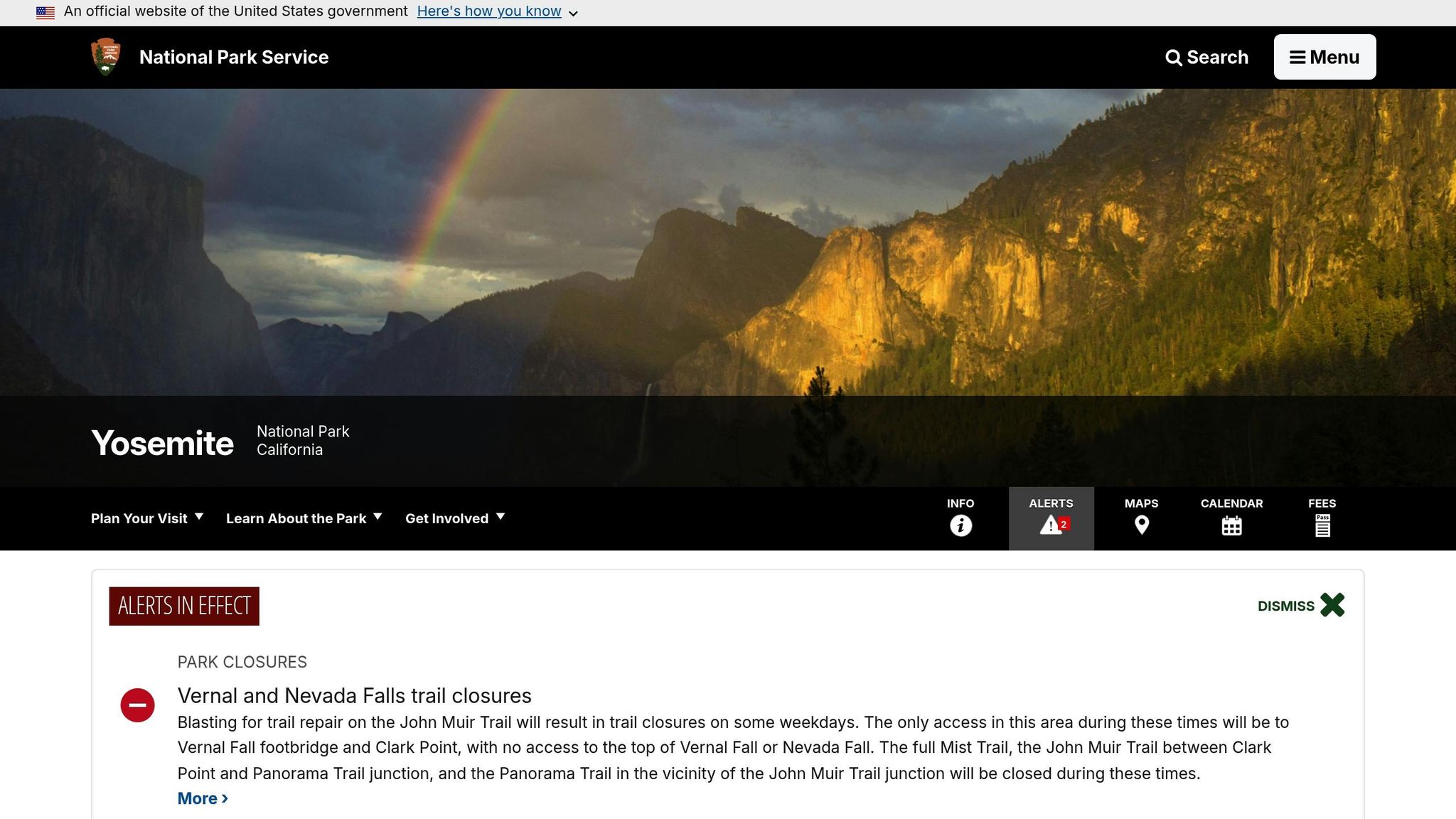
The breathtaking scenery in Yosemite transforms each run into a visual feast. Picture granite cliffs towering above you, waterfalls cascading in the distance, and tranquil alpine lakes dotting the landscape. Trails like the High Sierra Trail showcase iconic features such as Giant Sequoia groves and sweeping canyon vistas, creating moments that feel straight out of a nature documentary.
Difficulty Level (Beginner, Intermediate, Advanced)
Whether you’re just starting out or you’re a seasoned trail runner, Yosemite has something for everyone. Beginners can stick to the gentle, flat carriage roads on the valley floor, while those with intermediate experience might prefer the moderate challenge of the 11-mile trek to Bearpaw Meadow. Advanced runners, on the other hand, can push their limits with the 15-mile roundtrip to Hamilton Lake, which combines steep elevation gains with technical terrain to test endurance and skill.
Trail Infrastructure (Signage, Maintenance, and Accessibility)
Yosemite’s extensive trail network is well-marked and generally well-maintained, ensuring runners can navigate with confidence. However, in some remote areas, trail maintenance may be less frequent, so preparation is key. Bring a reliable hydration system, as both elevation and weather can shift unexpectedly. Trails on the valley floor are accessible year-round, but higher-elevation routes may be impacted by snow and seasonal closures. Always check the latest trail conditions before setting out.
5. Grand Teton National Park
Trail Variety (Terrain, Distance, and Elevation)
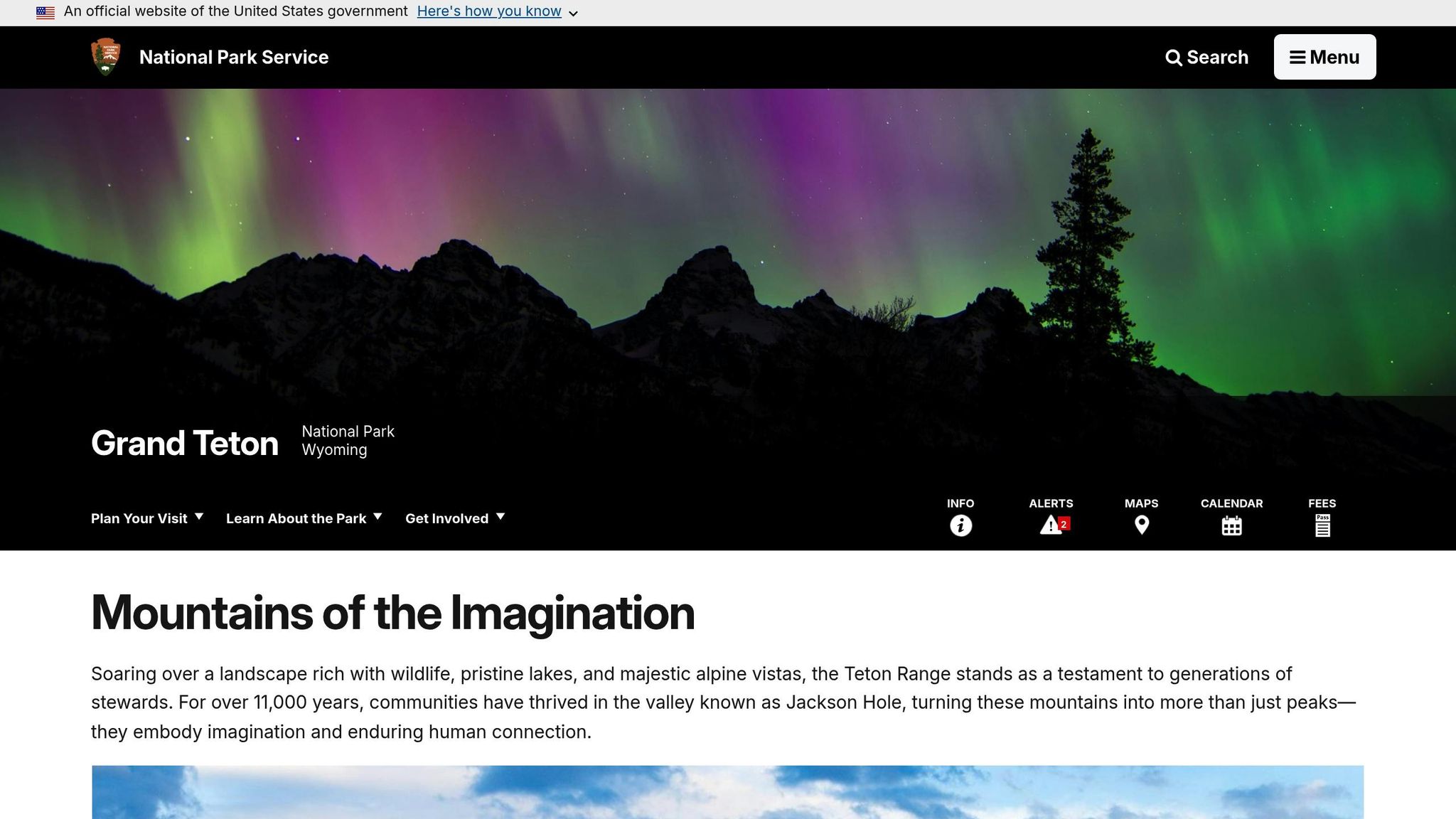
Grand Teton National Park, nestled in northwestern Wyoming, is a paradise for runners, offering 242 miles of trails that cater to all skill levels. Whether you’re looking for a gentle jog through the valley or an intense alpine climb, this park has it all. The terrain spans from 6,320 feet at the valley floor to a breathtaking 13,770 feet at the summit. A favorite among visitors is the Jenny Lake Loop, a 7.1-mile trail that strikes the perfect balance between manageable distance and stunning scenery. Beyond this iconic route, you’ll find everything from easy valley trails for mileage-building to steep, rugged mountain paths that challenge even the most seasoned runners.
Scenic Value (Views, Natural Features, and Wildlife)
The park’s beauty is nothing short of spectacular, making every step on the trail an unforgettable experience. The Teton Range dominates the landscape, with its jagged peaks rising dramatically from the valley floor, creating some of the most iconic mountain views in North America. On the Jenny Lake Loop, you’ll be treated to the sight of the mountains perfectly mirrored in a crystal-clear alpine lake – it’s like running through a postcard. The scenery shifts between serene alpine meadows and glacial lakes surrounded by towering peaks. And if you’re lucky, you might spot wildlife like elk, moose, marmots, pikas, or even bighorn sheep along the way.
Difficulty Level (Beginner, Intermediate, Advanced)
Grand Teton’s diverse trails make it a welcoming destination for runners of all levels. Beginners can stick to the flatter valley trails, which provide an easy introduction to the park’s beauty without being overly strenuous. Intermediate runners will find the Jenny Lake Loop a rewarding challenge, with its moderate elevation changes and manageable distance. For advanced runners, the rugged mountain trails offer steep climbs, technical terrain, and significant elevation gains that push endurance and skill to the limit.
Trail Infrastructure (Signage, Maintenance, and Accessibility)
The park’s trail system is well-maintained, with popular routes like the Jenny Lake Loop featuring clear signage and regular upkeep. However, if you venture into the more remote alpine areas, you’ll notice less frequent maintenance, so it’s crucial to bring navigation tools. Be prepared for rapidly changing weather at higher elevations – packing layers is a smart move. Don’t forget to stay hydrated; the combination of high altitude and intense sun can dehydrate you quickly. The best time to visit is during the summer months, from June to September, when trail conditions are typically most reliable. Always check current trail updates before heading out.
6. Canyonlands National Park
Trail Variety (Terrain, Distance, and Elevation)
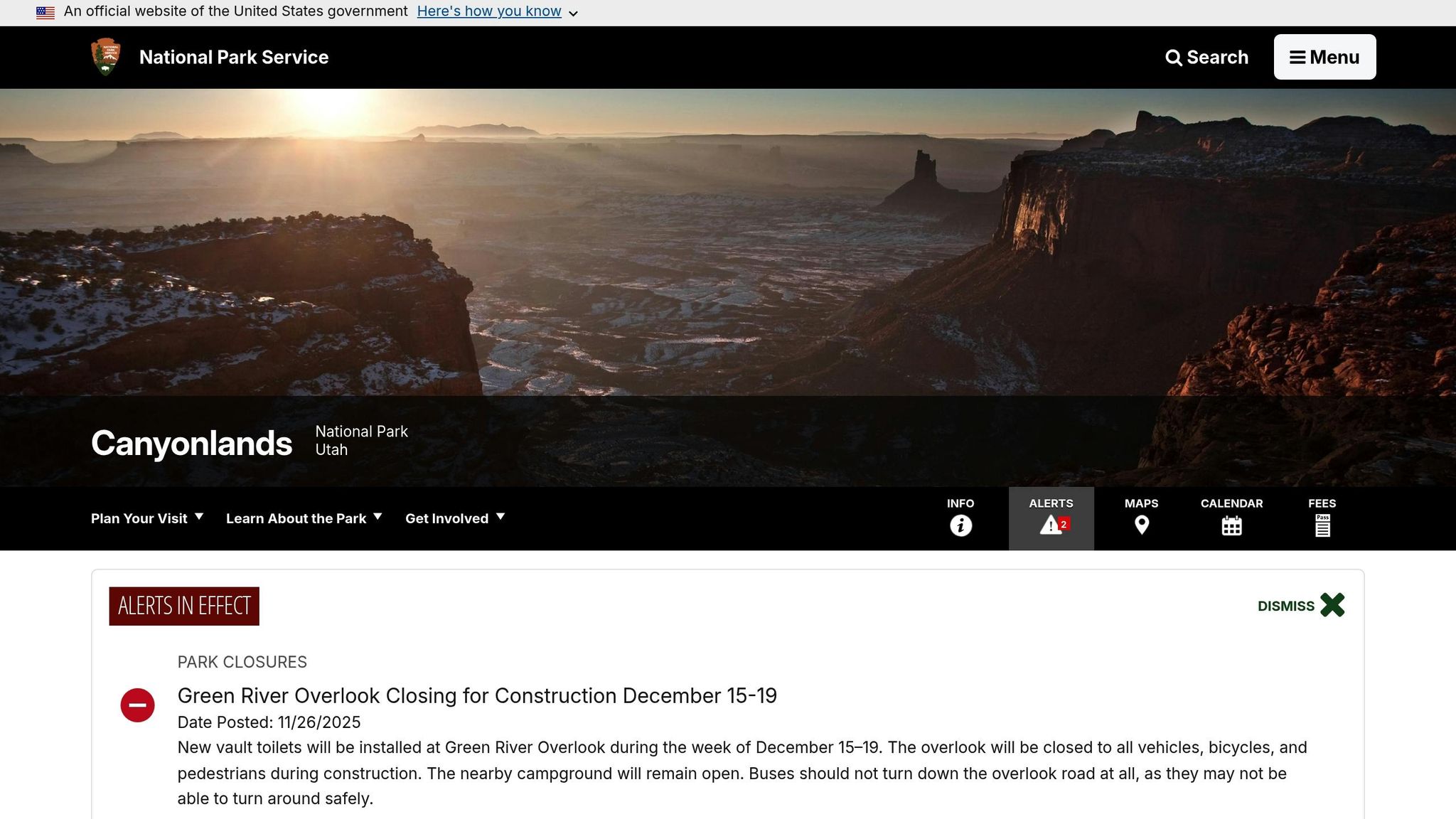
Canyonlands National Park in Utah offers a trail running experience unlike any other. Instead of dense forests or towering mountains, you’ll find yourself navigating slickrock terrain – smooth sandstone with excellent grip that opens up a variety of loop options. The Needles District is a go-to spot for trail runners, featuring extensive slickrock paths set against a stunning desert backdrop. A standout route here is the Lost Canyon Squaw Canyon Loop, an 8.7-mile lollipop trail that takes you through slickrock, sandy washes, and red-rock formations, passing by remote campsites along the way. If you’re after a shorter, less technical run, the Island in the Sky District has the Neck Spring trail. This 5.8-mile loop offers a more relaxed experience, winding through diverse vegetation and historical ranching sites. The sandy washes and slickrock surfaces in Canyonlands make for a challenging yet rewarding run, while the sweeping desert views add another layer of appeal.
Scenic Value (Views, Natural Features, and Wildlife)
The scenery in Canyonlands is nothing short of breathtaking. Towering red-rock formations and deep canyons dominate the landscape, creating dramatic desert vistas at every turn. On the Lost Canyon Squaw Canyon Loop, you’ll encounter needle-like rock formations that give the Needles District its name, along with vast slickrock expanses. Spanning 337,000 acres, the park showcases a range of ecosystems, from high desert plateaus to canyon floors, each highlighting different aspects of the area’s geological beauty. The Neck Spring trail provides a contrasting experience, with its mix of lush vegetation and remnants of historic ranching operations, offering a glimpse into the region’s human history. As you run, the changing elevation and terrain reveal new, sweeping views that stretch to the horizon, making every step feel like a discovery.
Difficulty Level (Beginner, Intermediate, Advanced)
Canyonlands caters primarily to intermediate and advanced runners, thanks to its technical terrain and unique challenges. The Neck Spring trail is the most beginner-friendly option, with its gently rolling path and moderate difficulty, making it a great choice for those easing into trail running. On the other hand, the Lost Canyon Squaw Canyon Loop is a more demanding route, requiring strong trail running skills to navigate slickrock and sandy sections confidently. For advanced runners, the Needles District offers a complex network of trails that can be combined into longer, more challenging routes. Running on slickrock demands excellent balance and precise footwork, presenting a steep learning curve for those accustomed to smoother dirt trails.
Trail Infrastructure (Signage, Maintenance, and Accessibility)
While the trails at Canyonlands are well-maintained and popular among trail runners, navigating the slickrock terrain can be tricky. Trail markings can blend into the rock, so it’s essential to carry a map or GPS device, especially in the Needles District, where the landscape can be disorienting. The high desert environment also requires careful preparation. Bring extra water (as natural sources are scarce), wear sun protection, and choose trail shoes with good grip for the slickrock surfaces. The best times to run are during cooler spring (March to May) or fall (September to November) mornings, when temperatures are more forgiving and the desert sun is less intense.
Source:
sbb-itb-00512f3
7. Glacier National Park
Trail Variety (Terrain, Distance, and Elevation)
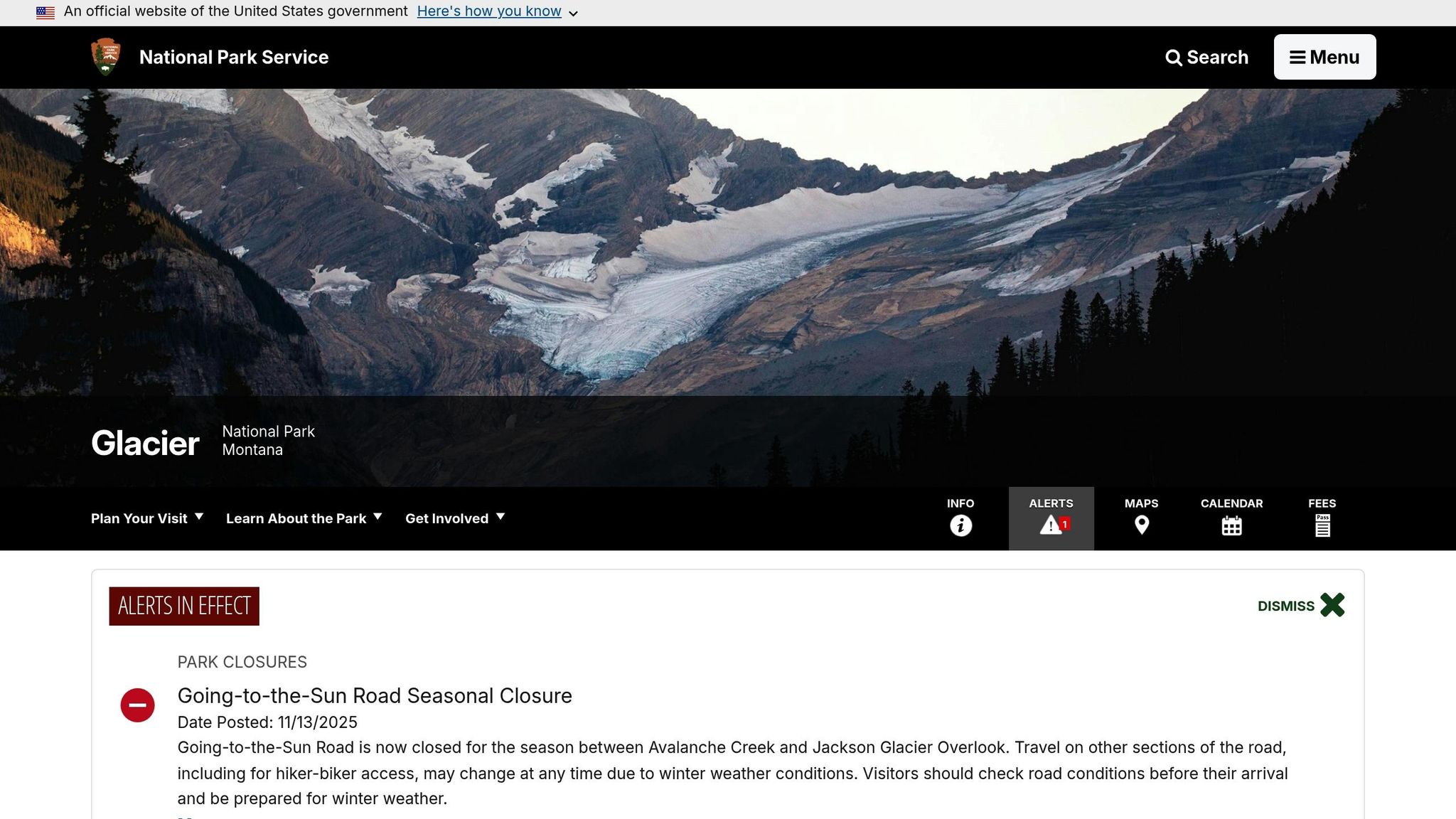
Nestled in northwestern Montana near the Canadian border, Glacier National Park offers an incredible network of trails that wind through its breathtaking alpine landscapes. Whether you’re looking for a leisurely valley run starting at around 3,000 feet or a more intense climb to passes soaring above 10,000 feet, there’s a trail to match your goals. Some of the most sought-after routes include loops around crystal-clear alpine lakes and sections along the Continental Divide, where you’ll encounter alpine meadows, rugged mountain passes, and dramatic ridgelines. For those who prefer a gentler experience, the lower elevation trails provide smoother terrain, while the higher routes challenge runners with their rocky, technical paths. Whether you’re planning a moderate day run or a demanding backcountry excursion, the park’s diverse trail system promises a memorable adventure.
Scenic Value (Views, Natural Features, and Wildlife)
The natural beauty of Glacier National Park is nothing short of awe-inspiring. Picture cascading waterfalls, shimmering turquoise glacial lakes, and sweeping mountain vistas that stretch as far as the eye can see. True to its name, the park is home to numerous active glaciers, offering a stunning backdrop for your trail runs. The rich ecosystems here are teeming with wildlife, so don’t be surprised if you spot grizzly bears, mountain goats, bighorn sheep, or elk along the way. Each trail unveils a different facet of the park’s striking geology, from expansive valley panoramas to secluded alpine settings framed by towering peaks. It’s a visual feast for nature enthusiasts and runners alike.
Difficulty Level (Beginner, Intermediate, Advanced)
No matter your skill level, Glacier has something for everyone. Beginners can enjoy the gentle, flowing trails in the valleys, while seasoned runners can take on the steep, technical paths that wind through high-altitude alpine terrain. For those looking for a serious challenge, the backcountry trails demand advanced mountain running skills and the ability to navigate tricky terrain. The key to a successful run here lies in choosing a trail that matches your fitness level and experience, especially if you’re not accustomed to running at high altitudes.
Trail Infrastructure (Signage, Maintenance, and Accessibility)
Glacier National Park boasts a well-maintained trail system with clear signage, making navigation straightforward during the peak running season. However, the high-altitude location means many trails are snow-covered from October to June, with the best running conditions typically found between July and September. Even during these months, the weather can be unpredictable – afternoon thunderstorms are common, and temperatures can shift rapidly. To stay prepared, pack layered clothing, a rain jacket, and sun protection for the intense high-altitude sun. Hydration is a must, as water sources can be sparse on many trails. Carry bear spray and follow the park’s wildlife guidelines to ensure a safe experience. Always check current trail conditions before heading out, as early season runs may encounter snow or mud, while late season outings often offer more stable trails but shorter daylight hours.
8. Channel Islands National Park
Trail Variety (Terrain, Distance, and Elevation)
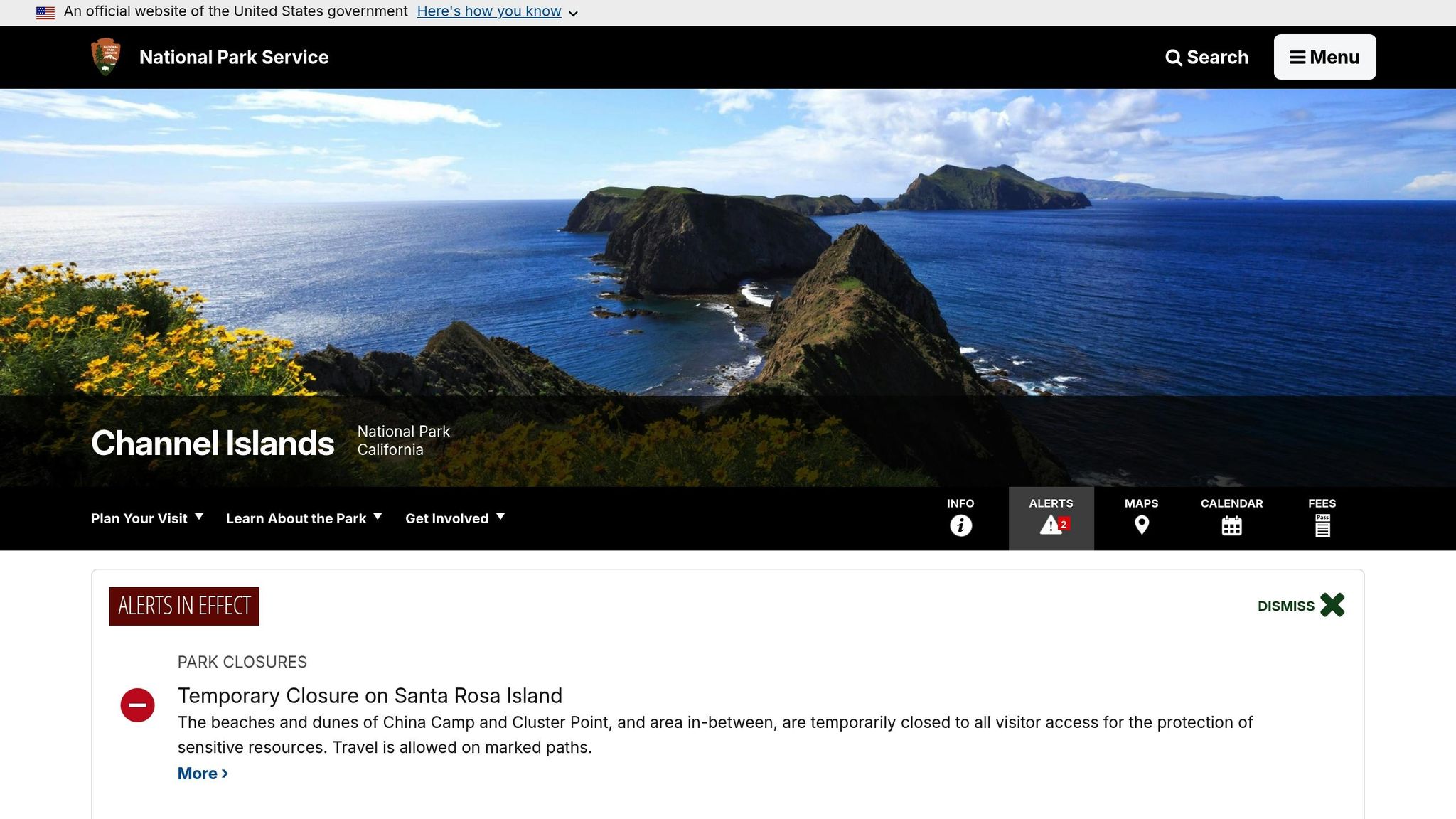
Just off Southern California’s coastline, Channel Islands National Park spans five breathtaking islands, with Santa Cruz and Santa Rosa offering the main trail runs. Each trail provides a unique experience. For example, the Lobo Canyon Trail on Santa Rosa Island is a 5-mile loop that can be extended to 11 miles. It takes you through desert canyons, sandy washes, and moss-covered groves before leading to untouched beaches and tide pools. If you’re up for a longer challenge, the Del Norte Trail on Santa Cruz Island stretches 15.5 miles one-way, connecting Prisoners Harbor to the secluded China Harbor and its pebble beach. While the elevation changes are moderate, the variety in terrain and the remote island atmosphere make these trails both exciting and rewarding. The mix of landscapes ensures every step is accompanied by stunning coastal views.
Scenic Value (Views, Natural Features, and Wildlife)
The park’s scenery is as diverse as its trails. Often called the "Galápagos of North America", Channel Islands National Park safeguards over 249,561 acres of land and ocean. This protected area is home to rare plants and animals you won’t find anywhere else. Picture the dramatic contrast of sunlit canyon walls against the deep blue Pacific Ocean – it’s a sight you won’t forget. Coastal trails lead you past tide pools brimming with marine life, while inland routes wind through canyons dotted with unique island vegetation. The beaches here are unspoiled and quiet, offering a rare sense of isolation. To top it off, you might spot island-specific wildlife or even marine mammals, adding a touch of wonder to your journey.
Difficulty Level (Beginner, Intermediate, Advanced)
The Lobo Canyon Trail caters to runners with moderate experience. Its 5-mile loop is a great introduction to island running, and for those looking for more, the extended 11-mile route adds an endurance element without overwhelming technical climbs. On the other hand, the Del Norte Trail is better suited for intermediate to advanced runners or anyone prepared for a 15.5-mile one-way trek. The trail’s uneven terrain demands balance and focus, but with moderate elevation changes, the main challenges are navigating the varied surfaces and planning for a self-reliant adventure.
Trail Infrastructure (Signage, Maintenance, and Accessibility)
Because of the park’s remote location, getting there is part of the adventure. You’ll need to take a ferry from the mainland, usually departing from Ventura County. While this adds a sense of exclusivity and keeps crowds at bay, it also requires careful planning. Be sure to check ferry schedules and weather conditions ahead of time. On the islands, trail signage and maintenance are generally sufficient, though not as extensive as in more accessible mainland parks. Bring plenty of water, sun protection, and check tide schedules if you’re running near the coast. With limited facilities and resupply options, visiting the Channel Islands is less about convenience and more about embracing the adventure. Flexibility and preparation are key to making the most of this remarkable destination.
Journey – trail running in the US national parks
Park Comparison Table
Choose a park that matches your skill level, terrain preferences, and desired challenge. The table below provides an overview of key details for each destination.
| National Park | Location | Total Trail Miles | Elevation Range | Main Terrain Type | Difficulty Level |
|---|---|---|---|---|---|
| Grand Canyon | Arizona | 21–24 miles (Rim-to-Rim) | 2,000–7,000 ft | Rocky canyon, desert | Moderate to Hard |
| Rocky Mountain | Colorado | 242 miles | 6,320–13,770 ft | Mountain, alpine tundra | Moderate to Hard |
| Great Smoky Mountains | Tennessee–North Carolina | 900+ miles | Varies (≈3,000 ft gain) | Dense forest, waterfalls | Easy to Hard |
| Yosemite | California | 750+ miles | 1,800–13,114 ft | Granite singletrack, sequoia forests | Easy to Hard |
| Grand Teton | Wyoming | 242 miles | 6,320–13,770 ft | Gradual to rugged mountain | Moderate to Hard |
| Canyonlands | Utah | Varies | Varies | Slickrock, red‑rock formations | Moderate to Hard |
| Glacier | Montana | 93 miles (Wonderland Trail) | Varies | Alpine meadows, glaciers | Hard |
| Channel Islands | California | 5–15.5 miles | Moderate | Desert canyons, coastal | Easy to Moderate |
Here’s a closer look at what each park has to offer:
Great Smoky Mountains boasts over 900 miles of trails, including a 72-mile segment of the Appalachian Trail. The lush forests and cascading waterfalls make it an excellent choice for both beginners and seasoned runners looking for diverse routes.
Rocky Mountain and Yosemite require preparation for their dramatic elevation changes, ranging from 6,320 to over 13,000 feet. These parks reward runners with breathtaking alpine views and challenging cardio workouts.
The Grand Canyon’s Rim-to-Rim route is not for the faint-hearted. With technical terrain and a grueling 5,000-foot elevation gain, it’s a test of endurance and skill.
For those seeking shorter, less technical routes, Channel Islands offers trails between 5 and 15.5 miles. The Lobo Canyon Trail, for instance, provides a manageable 5-mile loop that can be extended to 11 miles for a bit more challenge.
Canyonlands delivers unique slickrock loops ranging from 5.8 to 8.7 miles. The dramatic red-rock formations create a striking backdrop for your run.
Grand Teton includes the scenic Jenny Lake Loop, a 7.1-mile route perfect for testing mountain running abilities. Like Rocky Mountain, this park’s high altitude demands proper preparation.
Glacier National Park is home to the legendary Wonderland Trail, a 93-mile route with a staggering 23,000 feet of elevation gain. This multi-day adventure is ideal for experienced endurance runners eager to explore stunning alpine landscapes.
When planning your adventure, consider your experience level and goals. Parks like Great Smoky Mountains and Yosemite offer extensive trail networks for various distances, while Channel Islands and Canyonlands are ideal for shorter outings. High-altitude parks such as Rocky Mountain, Grand Teton, and Glacier require acclimatization and specialized gear. Meanwhile, desert parks like Grand Canyon and Canyonlands call for extra hydration and sun protection.
Whether you’re a beginner or an ultrarunning expert, these parks offer something special for every trail enthusiast.
Conclusion
Every park offers a chance to turn a run into an unforgettable adventure. These eight national parks feature trails that cater to a wide range of abilities and preferences, from serene coastal loops to demanding mountain paths. Whether it’s the dramatic elevation shifts of the Grand Canyon, the lush forested trails in Great Smoky Mountains, or the high-altitude challenges of Rocky Mountain and Grand Teton, there’s something for everyone. Yosemite provides a mix of flat valley trails and rugged alpine routes, while Canyonlands showcases its striking slickrock formations. Glacier delivers rugged alpine paths in pristine wilderness, and Channel Islands offers accessible coastal routes perfect for beginners.
Choosing the right park depends on your fitness level, preferred terrain, and the season. Beginners might enjoy the gentler trails of Channel Islands or the lower-elevation paths in Great Smoky Mountains. More experienced runners can test their skills on the technical terrain of the Grand Canyon or the challenging routes in Glacier. Intermediate runners will find plenty to explore, like the Jenny Lake Loop in Grand Teton or the subalpine trails of Rocky Mountain. Desert enthusiasts may gravitate toward the striking red-rock landscapes of Canyonlands and the Grand Canyon, while forest lovers will feel at home in the Great Smoky Mountains. For mountain parks like Rocky Mountain and Glacier, summer is the ideal season for access, while lower-elevation parks are runnable year-round. Be prepared for high-altitude weather changes with extra layers, and don’t forget hydration and sun protection in desert environments.
To plan your perfect running adventure, check out The National Park Guide (https://thenationalparkguide.com). Their tools, like the Trail Finder and Hike Difficulty Calculator, help match trails to your fitness level, while real-time weather and trail alerts keep you informed.
No matter which park you choose, these trails promise breathtaking scenery and a running experience you won’t forget.
FAQs
What are the best times of year to visit these national parks for trail running, and how do weather conditions impact the trails?
The perfect time for trail running in national parks largely hinges on the park’s location and climate. For most parks, spring and fall strike a great balance, with milder temperatures and fewer visitors. If you’re heading to higher-elevation parks, summer can also be a fantastic option. However, parks at lower elevations might be uncomfortably hot during that season.
Weather plays a big role in trail conditions. Rain can turn paths into slippery, muddy challenges, while snow and ice in winter can make trails downright dangerous. To make the most of your run, it’s always a smart idea to check the weather forecast and trail conditions for the park beforehand. That way, you can stay safe and enjoy your adventure.
What’s the best way to prepare for elevation changes and high-altitude trail runs in parks like Rocky Mountain and Grand Teton?
Preparing for changes in elevation and high-altitude conditions takes a mix of physical preparation and smart planning. To get your body ready, include hill workouts and strength exercises in your routine. These will help improve your endurance and build up the leg strength needed for tougher terrain. If you have the chance, training at higher altitudes can also help your body adjust more smoothly over time.
When you visit high-altitude parks, remember to stay hydrated, take it slow, and rest when needed. Arriving a day or two early can give your body time to adapt to the thinner air. Keep an eye out for symptoms of altitude sickness – like headaches, dizziness, or nausea – and if these persist, make your way to a lower elevation for relief.
What safety tips should I follow when trail running in remote national parks like the Grand Canyon or Glacier National Park?
When heading out for a trail run in remote national parks, safety should always come first. Make sure to inform someone about your planned route and expected return time. Also, pack a fully charged phone or a reliable GPS device to stay connected and navigate effectively.
Bring along the essentials: water, snacks, a small first-aid kit, and clothing suited for the weather. Stay alert to your surroundings – watch for uneven ground, wildlife, and sudden shifts in weather. Starting early is a smart move to avoid running in poor visibility, and having a map or navigation tool will help you stay on course. Before you set off, take a moment to check the park’s regulations and trail conditions to ensure your adventure is both safe and enjoyable.