
America’s national parks offer some of the most scenic and diverse hiking opportunities in the world. From alpine lakes and towering sequoias to desert canyons and coastal cliffs, there’s a trail for everyone. This guide highlights 50 of the best day hikes across the country, sorted by region. Whether you’re looking for a short, family-friendly walk or a challenging trek, you’ll find detailed trail information, including distance, elevation gain, difficulty, and seasonal tips.
Key Highlights:
- Regions Covered: Pacific Northwest, Northern Rockies, Southwest, Rocky Mountains, California Sierra, Eastern U.S.
- Trail Types: Easy 2-mile loops to strenuous 15-mile climbs.
- Essential Details: Permits, best seasons, gear tips, and safety advice.
Quick Tips:
- Plan Ahead: Check trail conditions, permits, and weather.
- Start Early: Avoid crowds and afternoon storms.
- Pack Smart: Bring water, snacks, layers, and a first-aid kit.
- Respect Nature: Stick to trails, carry out trash, and avoid disturbing wildlife.
Whether you’re wading through Zion’s Narrows, climbing Yosemite’s Half Dome, or enjoying the views from Shenandoah’s Hawksbill Summit, these hikes promise unforgettable experiences. Lace up your boots and get ready to explore!
1. Pacific Northwest
Cascade Pass and Sahale Arm – North Cascades National Park
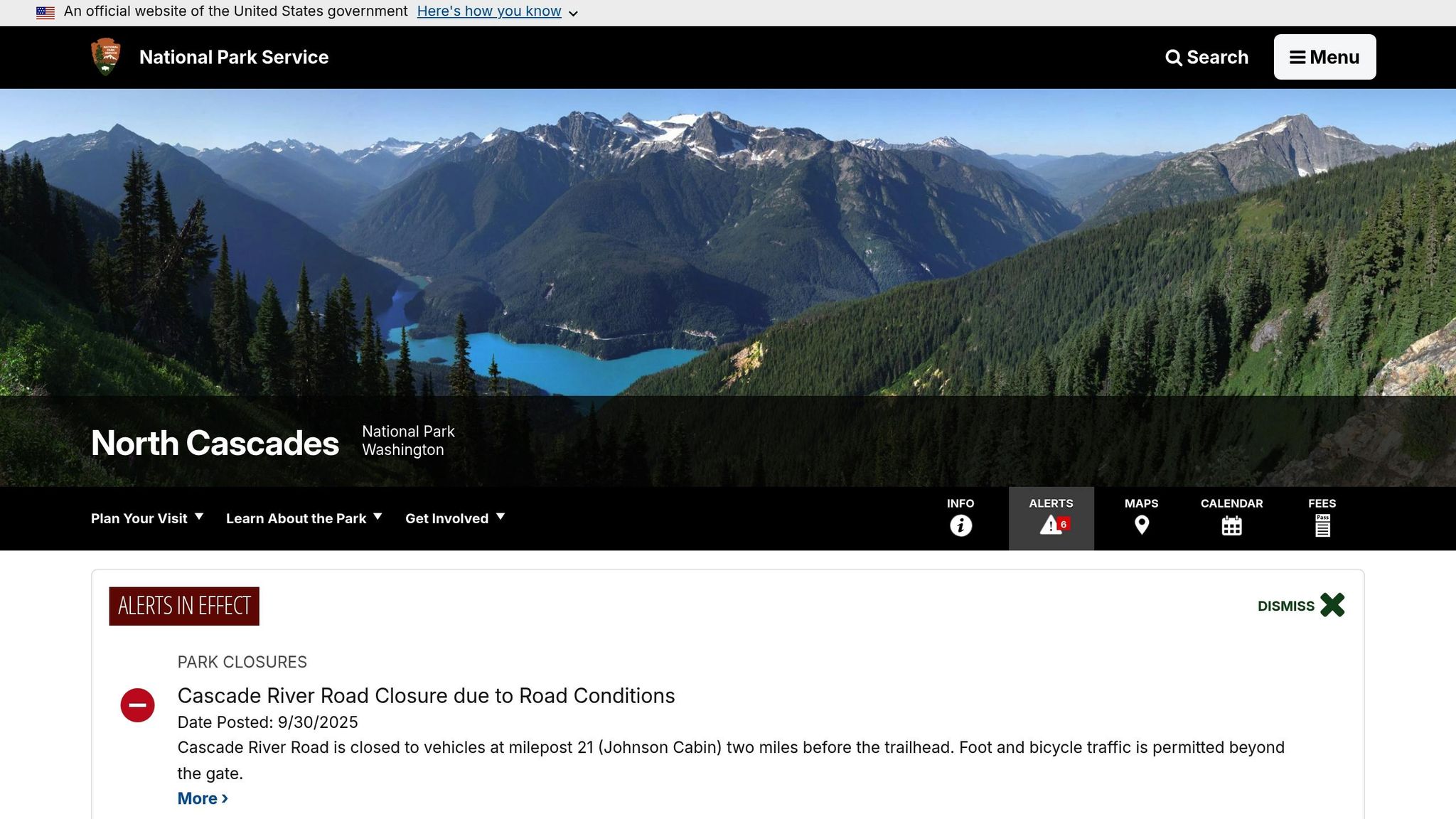
Take on the Cascade Pass and Sahale Arm trail in North Cascades National Park for an unforgettable adventure. This hike offers stunning alpine lakes, rugged peaks, and sweeping vistas that feel like they belong to seasoned mountaineers. It’s no wonder the park is often called the "American Alps" – its dramatic peaks, over 300 glaciers, and year-round snow make it a place of breathtaking beauty.
Next, let’s shift from the Pacific Northwest’s dramatic landscapes to explore the trails of the Northern Rockies.
TOP 50 HIKES IN THE USA! The Ultimate Hiking Guide
2. Northern Rockies
The Northern Rockies are a hiker’s paradise, offering trails that combine challenging alpine terrain with jaw-dropping views.
Highline Trail – Glacier National Park
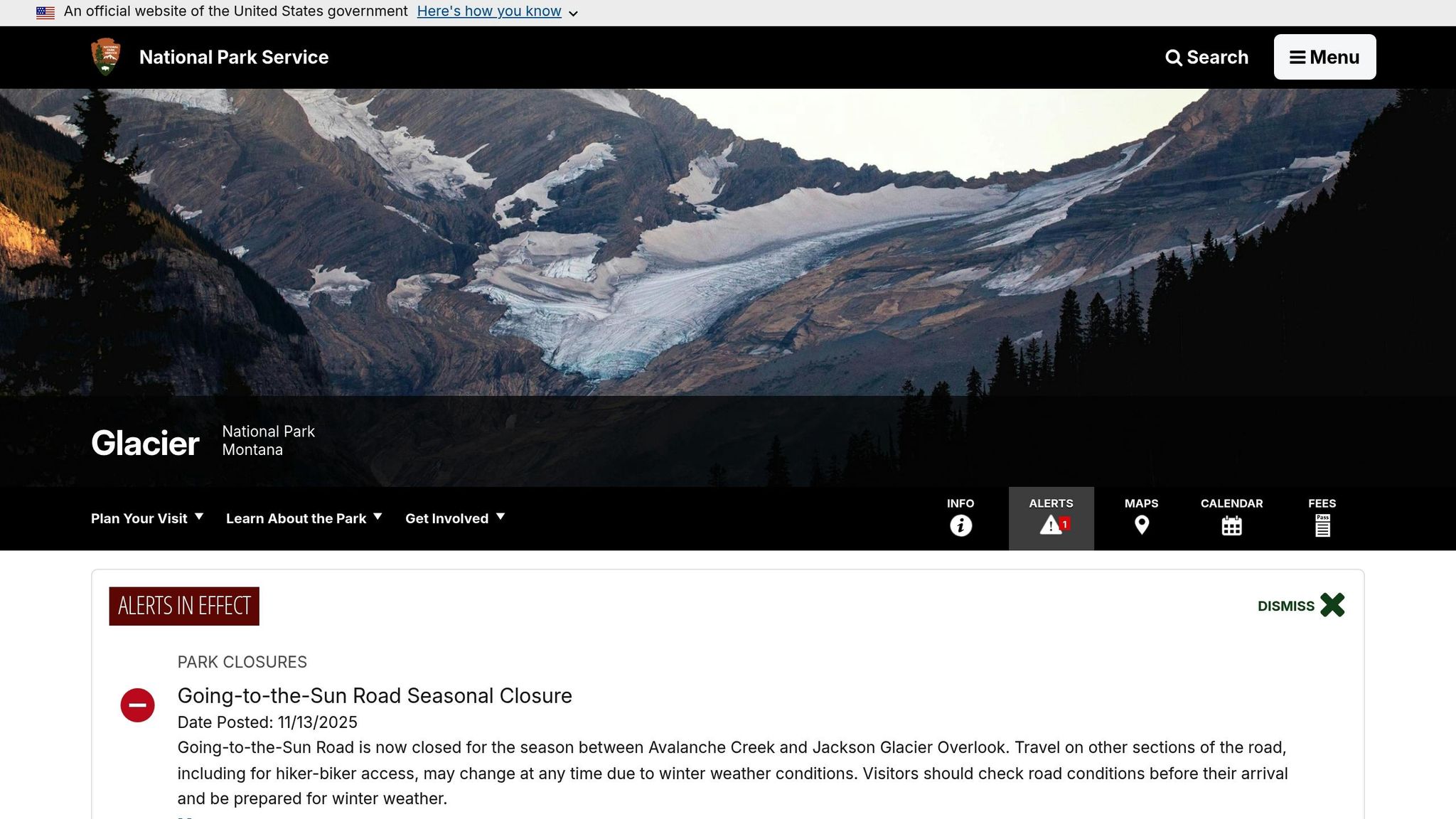
The Highline Trail in Glacier National Park treats hikers to sweeping vistas along the Continental Divide. From rugged cliffs shaped by the wind to meadows bursting with wildflowers, every step offers something to marvel at. Keep an eye out for wildlife as you make your way. To avoid the summer crowds, start your hike early from Logan Pass.
Grinnell Glacier Trail – Glacier National Park
The Grinnell Glacier Trail takes you up close to a retreating glacier surrounded by dramatic alpine scenery. The trail winds through lush forests and high-altitude terrain, leading to glacial lakes and icy formations. Be prepared for changing conditions by dressing in layers.
Iceberg Lake Trail – Glacier National Park
Iceberg Lake Trail is a family-friendly hike that leads to a stunning alpine lake, famous for its floating ice formations. The trail meanders through vibrant meadows and wooded areas before opening up to a dramatic cirque. Keep an eye out for wildlife and follow safety guidelines. This trail typically becomes accessible after the snow melts in late spring or early summer.
Hidden Lake Overlook – Glacier National Park
Starting from the Logan Pass Visitor Center, the hike to Hidden Lake Overlook is short but packed with incredible views. A boardwalk makes the climb easier, and you’ll often spot mountain goats and marmots along the way. The overlook reveals a glacial valley with the lake nestled below.
Paintbrush Canyon-Cascade Canyon Loop – Grand Teton National Park
For those craving a challenge, the Paintbrush Canyon-Cascade Canyon Loop in Grand Teton National Park delivers. This strenuous trail takes you over a high mountain divide before descending into a canyon filled with alpine lakes and towering peaks. Start early, as the trail is long and weather can change suddenly.
Avalanche Lake Trail – Glacier National Park
Avalanche Lake Trail offers a moderate hike through ancient forests, following a creek to a tranquil alpine lake surrounded by cascading waterfalls. Its serene beauty makes it a favorite for families and casual hikers. Arrive early to snag parking and enjoy the trail at its quietest.
Delta Lake Trail – Grand Teton National Park
The Delta Lake Trail is a steep and demanding trek, but the reward is worth it: an alpine lake framed by rugged peaks. Wear sturdy hiking boots and be ready for sudden weather shifts.
Beehive Basin Trail – Gallatin National Forest (near Big Sky, Montana)
The Beehive Basin Trail near Big Sky offers a peaceful escape into the wilderness. The trail winds through wildflower-filled meadows and forested areas, with chances to spot moose or elk. Snow can linger into early summer, so check trail conditions before heading out.
3. Southwest
The Southwest region is home to some of the most striking and colorful landscapes in the national park system. From towering red rock formations to sprawling desert canyons, these hikes offer unforgettable adventures and breathtaking scenery.
Angels Landing – Zion National Park
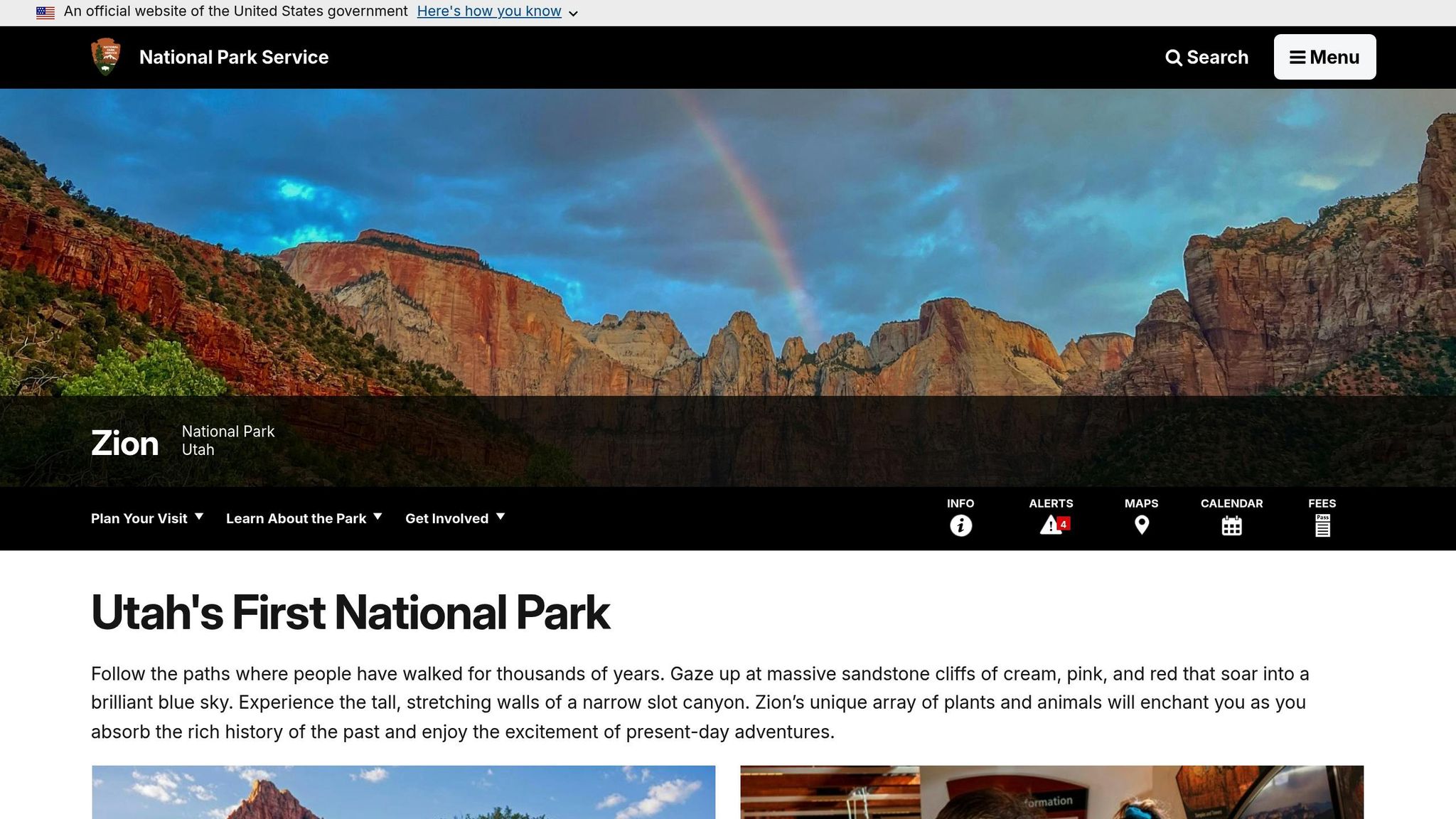
Angels Landing in Zion National Park is a challenging 5.4-mile hike that climbs 1,488 feet to a narrow rock ridge with steep drop-offs on either side. The final half-mile requires gripping chains as you scramble to the summit. The reward? Stunning panoramic views of Zion Canyon. You’ll need a permit to continue past Scout Lookout, so make sure to enter the park’s lottery system before your trip.
The Narrows (Bottom-Up) – Zion National Park
The Narrows is a hike like no other, where you’ll wade directly through the Virgin River, surrounded by towering 1,000-foot canyon walls. Water levels vary from ankle-deep to waist-deep, so renting waterproof footwear and a sturdy walking stick in Springdale is a smart move. Always check the weather forecast – flash floods can pose serious risks.
Bright Angel Trail to Plateau Point – Grand Canyon National Park
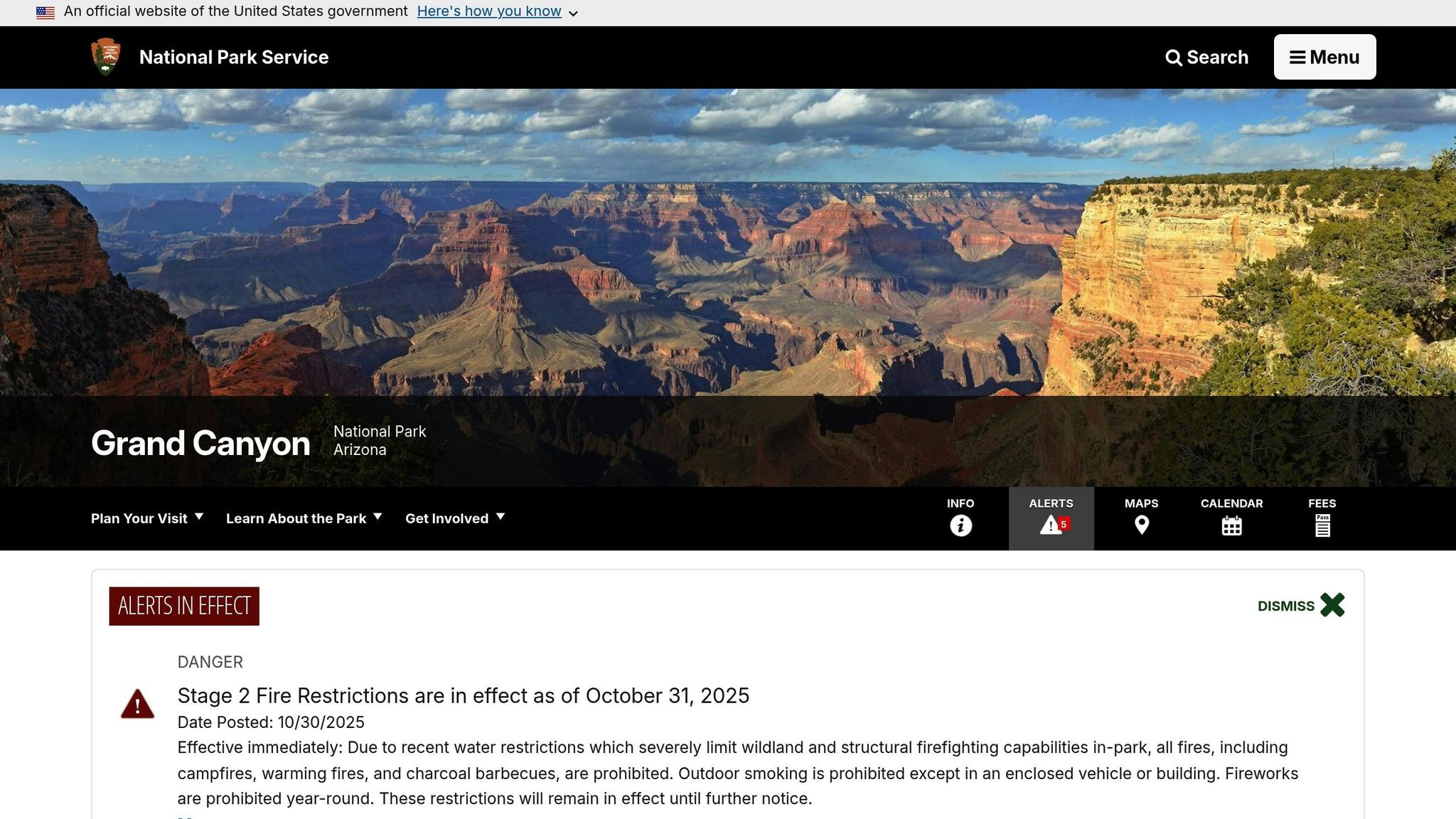
This 12.2-mile round-trip hike takes you deep into the Grand Canyon, descending 3,060 feet from the South Rim to Plateau Point. Along the way, you’ll pass through ancient rock layers before arriving at a viewpoint with unobstructed vistas of the Colorado River and the canyon’s far-off rims. In the summer, it’s crucial to start early, carry at least a gallon of water per person, and conserve energy for the steep climb back to the rim.
South Kaibab Trail to Ooh Aah Point – Grand Canyon National Park
The South Kaibab Trail to Ooh Aah Point is a short but steep 1.8-mile hike with an elevation gain of 800 feet. The exposed ridgeline offers jaw-dropping canyon views at every turn. With no water sources or shade on this trail, bringing plenty of water is essential.
Delicate Arch Trail – Arches National Park

This 3-mile hike leads to Delicate Arch, Utah’s famous 65-foot natural arch, with the La Sal Mountains serving as a stunning backdrop. The trail climbs 480 feet over slickrock, so start early or late in the day to avoid the desert heat. Bring at least half a gallon of water per person and wear shoes with good traction.
Devil’s Bridge Trail – Coconino National Forest (near Sedona, Arizona)
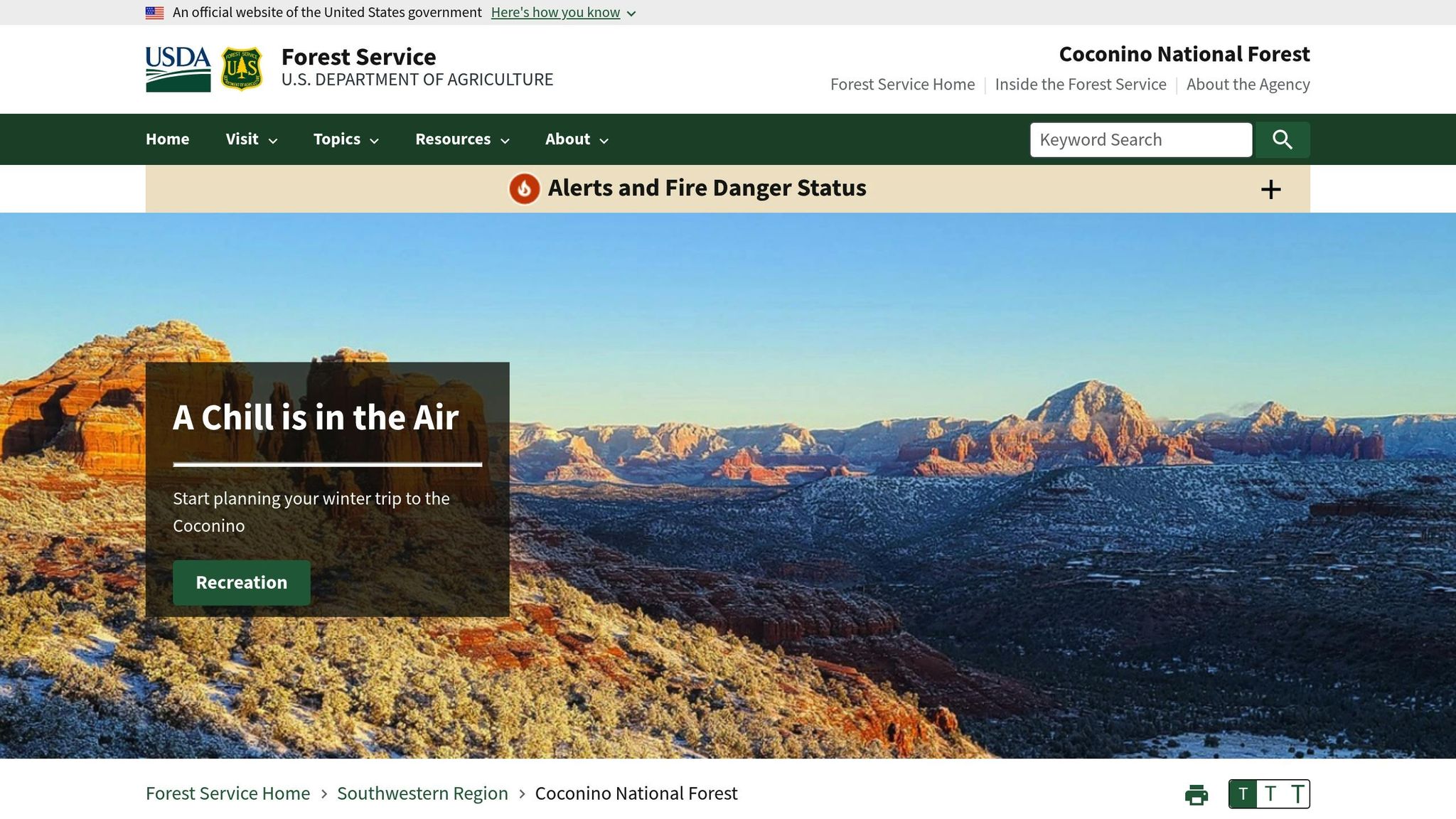
Devil’s Bridge Trail is a 4.2-mile trek through Sedona’s red rock landscape, featuring junipers and manzanitas along the way. The hike culminates at a 54-foot-wide sandstone arch that offers a picture-perfect view. Parking fills up quickly, so arrive early or take the Sedona shuttle for easier access.
Observation Point via East Mesa Trail – Zion National Park
The East Mesa Trail is a quieter, 8-mile route to Observation Point, with a gradual 800-foot elevation gain through high desert terrain. At 2,148 feet above the canyon floor, the overlook provides a spectacular bird’s-eye view of Angels Landing. To access this trail, you’ll need to drive to the park’s east side.
West Rim Trail to Angels Landing Junction – Zion National Park
For those who want the views of Angels Landing without the permit or the nerve-wracking scramble, the West Rim Trail is a great alternative. This 5.4-mile hike takes you past the famous Walter’s Wiggles – 21 tight switchbacks – to Scout Lookout, where you’ll be treated to sweeping views of Zion Canyon.
sbb-itb-00512f3
4. Rocky Mountains
The Rocky Mountains stretch across multiple states, offering a variety of hiking experiences. From dense forests and serene alpine meadows to shimmering mountain lakes and towering peaks, these trails promise unforgettable adventures in high-country terrain.
Sky Pond via Glacier Gorge Trail – Rocky Mountain National Park
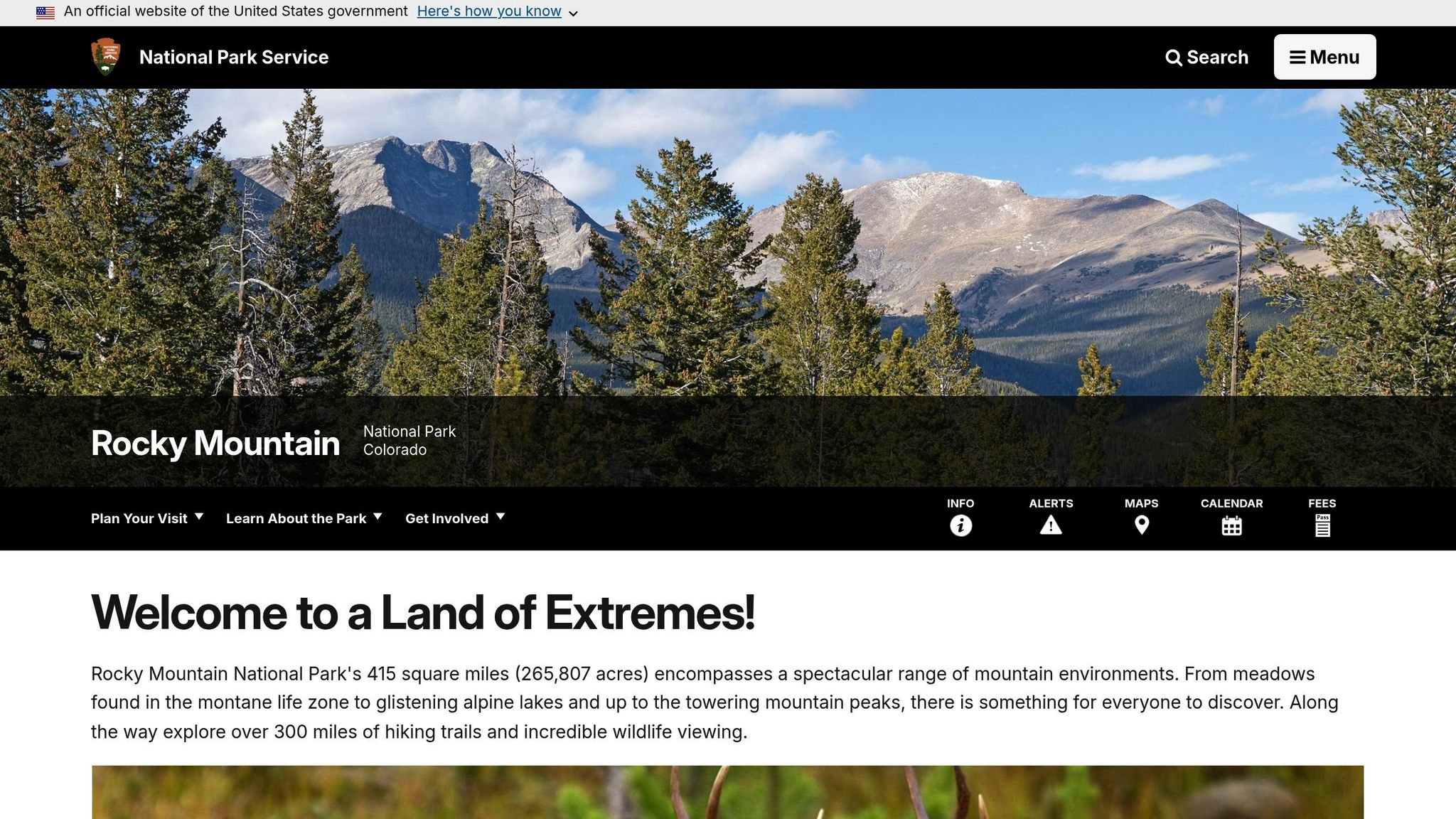
This trail takes hikers through lush forests and past stunning alpine lakes, leading to the breathtaking Sky Pond nestled in a glacial cirque. Along the way, you’ll encounter striking rock formations and sweeping views. It’s a favorite during summer, so an early start is recommended to beat the crowds.
Emerald Lake Trail – Rocky Mountain National Park
The Emerald Lake Trail is perfect for those looking for a less strenuous hike with big rewards. The trail winds through forested areas, revealing a series of picturesque alpine lakes surrounded by vibrant mountain scenery. Its gentle terrain makes it a popular choice for families and casual hikers.
Cascade Canyon Trail – Grand Teton National Park
Starting at Jenny Lake, this trail ventures deep into Cascade Canyon, framed by dramatic granite cliffs. The views of the Teton Range are nothing short of spectacular. For a shorter hike, you can take a boat shuttle across Jenny Lake, saving time and energy for exploring the canyon.
Hidden Falls and Inspiration Point – Grand Teton National Park
This short but rewarding hike leads to Hidden Falls, a cascading waterfall, and Inspiration Point, a lookout offering panoramic views of Jenny Lake and the surrounding valley. It’s an excellent choice for those wanting a quick yet scenic outing.
Paintbrush Canyon to Holly Lake – Grand Teton National Park
For a more demanding trek, the route through Paintbrush Canyon to Holly Lake offers a mix of dense forests and open alpine meadows. The serene setting of Holly Lake, surrounded by rugged peaks, provides a peaceful retreat for hikers seeking solitude and stunning scenery.
Chasm Lake Trail – Rocky Mountain National Park
This iconic trail winds through rugged terrain, rocky outcroppings, and open tundra, eventually leading to Chasm Lake, which sits beneath a towering peak. The dramatic landscape and high-altitude conditions make this a must-try hike for seasoned adventurers prepared for unpredictable weather.
Lake Solitude via Cascade Canyon – Grand Teton National Park
Extending the Cascade Canyon Trail, this route takes hikers to the remote and tranquil Lake Solitude. Known for its mesmerizing turquoise waters, the lake offers a peaceful backcountry escape for those willing to put in the effort.
Bear Lake to Fern Lake Loop – Rocky Mountain National Park
This loop trail is a versatile option, weaving through forests, open meadows, and along lakeshores. Its varied terrain makes it suitable for hikers of different skill levels, offering a little bit of everything the Rockies have to offer.
Next, dive into the trails of the California Sierra, where mountain adventures take on a whole new character.
5. California Sierra
The California Sierra Nevada is a hiker’s paradise, offering granite peaks, sparkling alpine lakes, ancient sequoias, and sweeping vistas. Whether you’re up for a challenging ascent or a leisurely walk through untouched wilderness, the Sierra has something unforgettable in store. Here’s a look at some of the region’s most iconic trails.
Half Dome via the Cable Route – Yosemite National Park
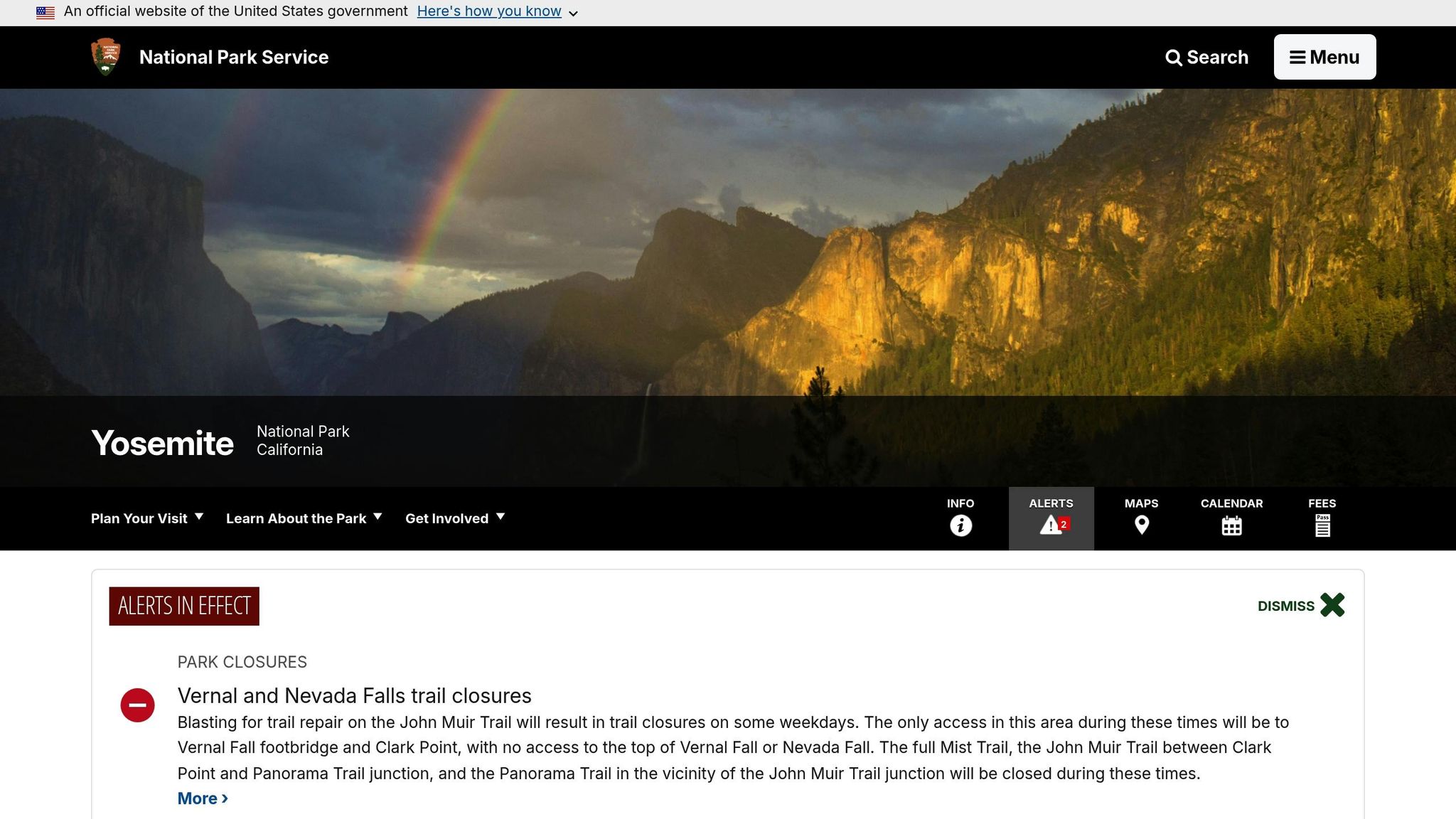
This legendary hike ends with a heart-pounding climb up the granite face of Half Dome, aided by metal cables. The 14- to 16-mile round trip requires serious stamina, but the panoramic views from the summit are a once-in-a-lifetime reward. Permits are mandatory and distributed through a lottery system, so plan ahead. The cables are typically in place from late May to early October, depending on weather conditions.
Mist Trail to Vernal Fall – Yosemite National Park
The Mist Trail is a favorite for its close-up views of Vernal Fall, a 317-foot cascade that lives up to its name by drenching hikers in its spray. This 5.4-mile round trip includes steep granite staircases carved into the rock. Spring and early summer, when snowmelt fuels the waterfall, are the best times to experience its full power.
Clouds Rest Trail – Yosemite National Park
If you’re looking for breathtaking views without the crowds of Half Dome, the Clouds Rest Trail is a fantastic alternative. This 14.5-mile round trip leads to a granite summit that towers above Yosemite Valley, offering sweeping views of Tenaya Lake and the High Sierra. No permits are needed, making it a quieter yet equally rewarding adventure.
Lakes Trail to Pear Lake – Sequoia National Park
This 12.5-mile round trip takes you deep into Sequoia National Park’s high country. The trail winds through meadows and forests before arriving at a series of serene alpine lakes, with Pear Lake nestled in a stunning granite basin. Its moderate difficulty and jaw-dropping scenery make it a hit with both day hikers and backpackers.
Congress Trail – Sequoia National Park
For an up-close encounter with some of the largest trees on Earth, the Congress Trail is a must. This easy 2-mile loop passes ancient sequoias, including the famous General Sherman Tree, the largest living tree by volume. With its paved and mostly flat path, this trail is perfect for all ages and fitness levels.
High Sierra Trail to Bearpaw Meadow – Sequoia National Park
Starting at Crescent Meadow, this segment of the High Sierra Trail offers jaw-dropping views of the Great Western Divide. The 11.4-mile round trip to Bearpaw Meadow features dramatic granite cliffs, deep canyons, and wildflower-filled meadows. The trail’s significant elevation changes make it best suited for hikers ready for a challenge, but the scenery is well worth the effort.
Tokopah Falls Trail – Sequoia National Park
This 3.6-mile round trip follows the Merced River through a glacial canyon, culminating at the base of a 1,200-foot waterfall. With a gentle elevation gain of about 500 feet, it’s accessible to most hikers. Late spring and early summer are the best times to visit, as snowmelt makes the falls particularly impressive.
Sentinel Dome and Taft Point Loop – Yosemite National Park
This 5.5-mile loop combines two of Yosemite’s most incredible viewpoints. Sentinel Dome offers a 360-degree panorama of the park, while Taft Point features dramatic cliff edges and the famous fissures that plunge thousands of feet into the valley below. It’s a shorter hike that doesn’t skimp on the views.
Up next: A look at the Eastern United States, where ancient mountains and lush forests create a whole new world of hiking adventures.
6. Eastern United States
After exploring the towering peaks of the West, the national parks in the East offer a completely different vibe. Picture ancient mountains, lush forests, and trails that weave through history. From misty ridges to hidden waterfalls, these nine hikes highlight the best of what Eastern national parks have to offer.
Alum Cave Trail to Mount LeConte – Great Smoky Mountains National Park
This 10.9-mile round trip takes you through old-growth forests, past landmarks like Arch Rock and Alum Cave Bluffs, before reaching Mount LeConte at 6,593 feet. With a 2,800-foot elevation gain, it’s a challenging trek, but the sweeping views at the top make it all worthwhile. Springtime brings vibrant wildflowers, while autumn transforms the trail into a canvas of fiery colors.
Cadillac Mountain South Ridge Trail – Acadia National Park

Starting from Blackwoods Campground, this 7.4-mile round trip leads to the summit of Cadillac Mountain, the tallest point on the Atlantic coast at 1,530 feet. The exposed granite ridgeline offers breathtaking views of Frenchman Bay and nearby islands. If you’re an early riser, this is one of the first places in the U.S. to catch the sunrise – a truly magical experience.
Old Rag Mountain Circuit – Shenandoah National Park
This 9.4-mile loop is a favorite for its thrilling rock scramble near the summit. You’ll navigate narrow boulder passages and climb granite faces before reaching the 3,291-foot peak. From the top, enjoy panoramic views of the Blue Ridge Mountains. With a 2,400-foot elevation gain, it’s a workout, but weekdays are less crowded if you prefer a quieter hike.
Precipice Trail – Acadia National Park
If you’re craving an adrenaline rush, the Precipice Trail won’t disappoint. This 2.4-mile round trip is more about climbing than hiking, with iron rungs, ladders, and narrow ledges bolted into sheer cliffs. Keep in mind, the trail closes from spring to mid-August to protect nesting peregrine falcons, so plan your visit accordingly.
Chimney Tops Trail – Great Smoky Mountains National Park
This short but steep 3.6-mile round trip climbs 1,400 feet to a rocky summit with stunning views of the Smokies. The trail winds through dense forest before opening up to the pinnacle. The final stretch involves scrambling over exposed rock, making it a thrilling adventure for those ready to tackle the challenge.
Beehive Loop Trail – Acadia National Park
This 1.4-mile loop is packed with excitement. Iron rungs, ladders, and exposed cliff edges lead to stunning views of Sand Beach and the Atlantic Ocean. The climb on the eastern face is heart-pounding, but the gentler descent ensures a more relaxed way back down.
Charlie’s Bunion via Appalachian Trail – Great Smoky Mountains National Park
This 8.1-mile round trip follows a portion of the Appalachian Trail to a rocky outcrop with jaw-dropping views. Named in the 1920s after a landslide exposed the bare rock, Charlie’s Bunion offers a glimpse of the park’s highest peaks. The trail meanders through spruce-fir forests, with a 1,600-foot elevation gain adding a moderate challenge to the hike.
Hawksbill Summit Trail – Shenandoah National Park
At 4,051 feet, Hawksbill Mountain is the highest peak in Shenandoah. This 2.1-mile round trip, starting from the Upper Hawksbill parking area, is short but incredibly rewarding. The rocky summit offers 360-degree views, and you might even spot hawks or ravens soaring overhead. With about 700 feet of elevation gain, it’s a perfect choice for a quick, refreshing hike.
Dark Hollow Falls Trail – Shenandoah National Park
Though just 1.4 miles long, this trail packs a punch. You’ll descend 440 feet through a hemlock forest to reach a stunning 70-foot waterfall cascading over greenstone rock. The path near the falls can be slippery, so sturdy shoes are essential. The climb back up feels steeper than the descent, adding a bit of a challenge to this otherwise short hike.
These Eastern trails round out the journey, showcasing the incredible variety of landscapes and experiences America’s national parks have to offer.
Conclusion
From the rugged volcanic terrain to towering ancient peaks, these 50 day hikes showcase the incredible variety found across America. Whether you’re gripping the iron rungs of Acadia’s Precipice Trail, marveling at the vastness of the Grand Canyon, or breathing in crisp alpine air at 14,000 feet in Rocky Mountain National Park, each trail offers its own unforgettable experience.
What makes this collection so special is its inclusivity. There’s something here for everyone – gentle paths for beginners, challenging climbs like Half Dome for seasoned adventurers, and trails that cater to families or avid photographers. But no matter the trail, preparation is key to turning a good day into a great one.
Smart planning is essential. Always check the trail conditions ahead of time – spring snow or summer storms can catch hikers off guard. Pack thoughtfully: bring at least a liter of water for every two hours of hiking, protein-packed snacks, sun protection, extra layers, a basic first-aid kit, and reliable navigation tools.
Starting early is another game-changer. It helps you avoid crowds, dodge the midday heat, and sidestep afternoon storms. And don’t forget to share your plans with someone, including your expected return time – it’s a simple safety measure that can make all the difference in an emergency.
As you set out, remember to respect the parks and trails. Stick to designated paths, carry out everything you bring in, and avoid disturbing wildlife. These breathtaking landscapes have been preserved for everyone to enjoy, and it’s up to us to ensure they remain that way for generations to come.
So lace up your boots, pack with care, and get ready to experience the wild beauty of America through these incredible day hikes.
FAQs
What are the most important safety tips for hiking in U.S. national parks, especially on difficult trails?
Staying safe while hiking in U.S. national parks begins with solid preparation. Start by researching your trail – know its difficulty, length, and current conditions. Check the weather forecast ahead of time and avoid venturing out during extreme heat, storms, or other hazardous conditions.
Pack the essentials for your hike. Sturdy hiking boots are a must, along with a map or GPS device to keep you on track. Bring plenty of water to stay hydrated, snacks for energy, and a well-stocked first aid kit. Dress in layers to handle shifting temperatures, and don’t forget sunscreen and insect repellent. If you’re tackling a tougher trail, trekking poles can provide extra stability.
Once you’re out on the trail, pay attention to your limits and take it slow. Stick to marked paths, share your plans with someone before heading out, and try not to hike alone if you can avoid it. Keep your distance from wildlife – admire them from afar for both your safety and theirs. Most importantly, trust your gut. If something feels unsafe or the trail seems too difficult, it’s okay to turn back. Your well-being should always come first.
How do I get permits for popular hikes like Angels Landing in Zion or Half Dome in Yosemite?
If you’re planning to hike Angels Landing in Zion National Park, you’ll need to secure a permit. These are available through a seasonal lottery or a day-before lottery on Recreation.gov. Similarly, hiking Half Dome in Yosemite National Park also requires a permit, which can be obtained via a preseason lottery held in March or daily lotteries during the hiking season.
Permits for both hikes are limited and in high demand, so it’s crucial to plan ahead. Make sure to review the specific guidelines, important dates, and application details for each park to streamline the process and increase your chances of securing a spot.
When is the best time to hike in regions like the Pacific Northwest or the Southwest for great weather and trail conditions?
The best time to go hiking really depends on where you’re headed and the kind of adventure you’re looking for. If you’re exploring the Pacific Northwest, aim for late summer through early fall (August to October). During this time, the weather is mild, rain is scarce, and the skies are often clear – perfect for soaking in the region’s stunning landscapes.
In the Southwest, spring (March to May) and fall (September to November) are your best bets. These seasons offer cooler temperatures and a chance to experience the desert’s beauty without the punishing heat of summer.
Planning your hikes during these windows not only helps you dodge extreme weather but also means fewer crowds, especially in those busy national parks.