
Many U.S. national parks now require permits for entry or specific activities to manage crowds, protect nature, and ensure safety. Whether it’s hiking iconic trails, driving scenic roads, or camping overnight, understanding permit rules is crucial for a hassle-free trip. Here’s a quick breakdown of what you need to know:
- Types of Permits: Timed-entry (e.g., Arches), vehicle access (e.g., Acadia), backcountry camping (e.g., Glacier), and activity-specific permits (e.g., Half Dome hike at Yosemite).
- How to Get Them: Most permits are available on Recreation.gov or park websites. Some use lotteries (e.g., Angels Landing at Zion), while others follow rolling or seasonal release schedules.
- Costs: Fees range from $1 to $55 depending on the park and permit type.
- Timing: Booking windows vary – some open months in advance, while others release permits just days before.
Planning ahead is key, as permits often sell out quickly. Always double-check requirements and carry both digital and printed copies of your permits to avoid fines or denied entry. Below, we cover the top 10 parks with permit systems and their specific rules.
National Parks That Need Entry Tickets or Reservations for Summer 2021
Permit Types and How to Get Them
Knowing the different types of permits can make planning your national park visit smoother and ensure you follow all park rules. Timed-entry permits regulate when you can enter a park during busy periods, while day-use permits limit access to specific high-traffic areas. For example, Shenandoah National Park’s Old Rag hike caps daily visitors at 800. Similarly, vehicle access permits are required for driving on certain scenic roads, like Cadillac Summit Road in Acadia National Park during peak season (May through October).
If you’re planning to camp outside developed campgrounds, you’ll need a backcountry permit, and some parks require parking tags if your car will be unattended for more than 15 minutes. For instance, Great Smoky Mountains National Park charges $5 per day, $15 per week, or $40 annually for parking. Thankfully, most permits can be obtained online, making the process more straightforward.
Reservations are typically handled through platforms like Recreation.gov or individual park websites. The method of securing a permit often depends on the park’s demand and policies. For instance, Yosemite’s Half Dome uses a lottery system, with pre-season lotteries in March and daily lotteries during hiking season. Other parks, like Acadia, operate on rolling release schedules. Acadia splits its Cadillac Summit Road reservations by releasing 30% of permits 90 days in advance and the remaining 70% just 2 days before, catering to both planners and last-minute visitors.
Each park has its own booking window. Glacier National Park opens backcountry permit applications on March 15 for summer trips, with general sales running from May 1 through September 30. Shenandoah’s Old Rag permits follow a dual-release model, with some permits available 30 days ahead and others just 5 days before your hike.
Permit costs are usually reasonable. For example, Shenandoah charges $2 per person for Old Rag day-use permits, while Acadia’s vehicle reservations include a $6 processing fee per reservation. Backcountry permits range from $5 to $20 depending on the park and season. Yosemite’s Half Dome lottery has a $10 application fee, whether or not you secure a permit.
Because permits can sell out quickly – sometimes in minutes – it’s wise to set reminders and have backup dates in mind. Flexibility can be your best friend. Experienced park-goers also recommend staying prepared with both digital and printed copies of your permit, as rangers frequently check them at trailheads, park entrances, and campsites. Double-check all details, including dates, group size, and activity restrictions, before you head out.
If your desired permit dates are sold out, don’t lose hope. Many parks offer last-minute releases or walk-up permits for cancellations or no-shows. Walk-up permits are often available at visitor centers, but you’ll need to arrive early. Exploring alternative dates during less busy times or visiting quieter areas within the same park can also improve your chances.
For the latest information on permit requirements and release schedules, consult the National Park Guide. It’s a valuable resource to help you navigate these systems while ensuring everyone gets a chance to enjoy the beauty of our national parks.
1. Acadia National Park
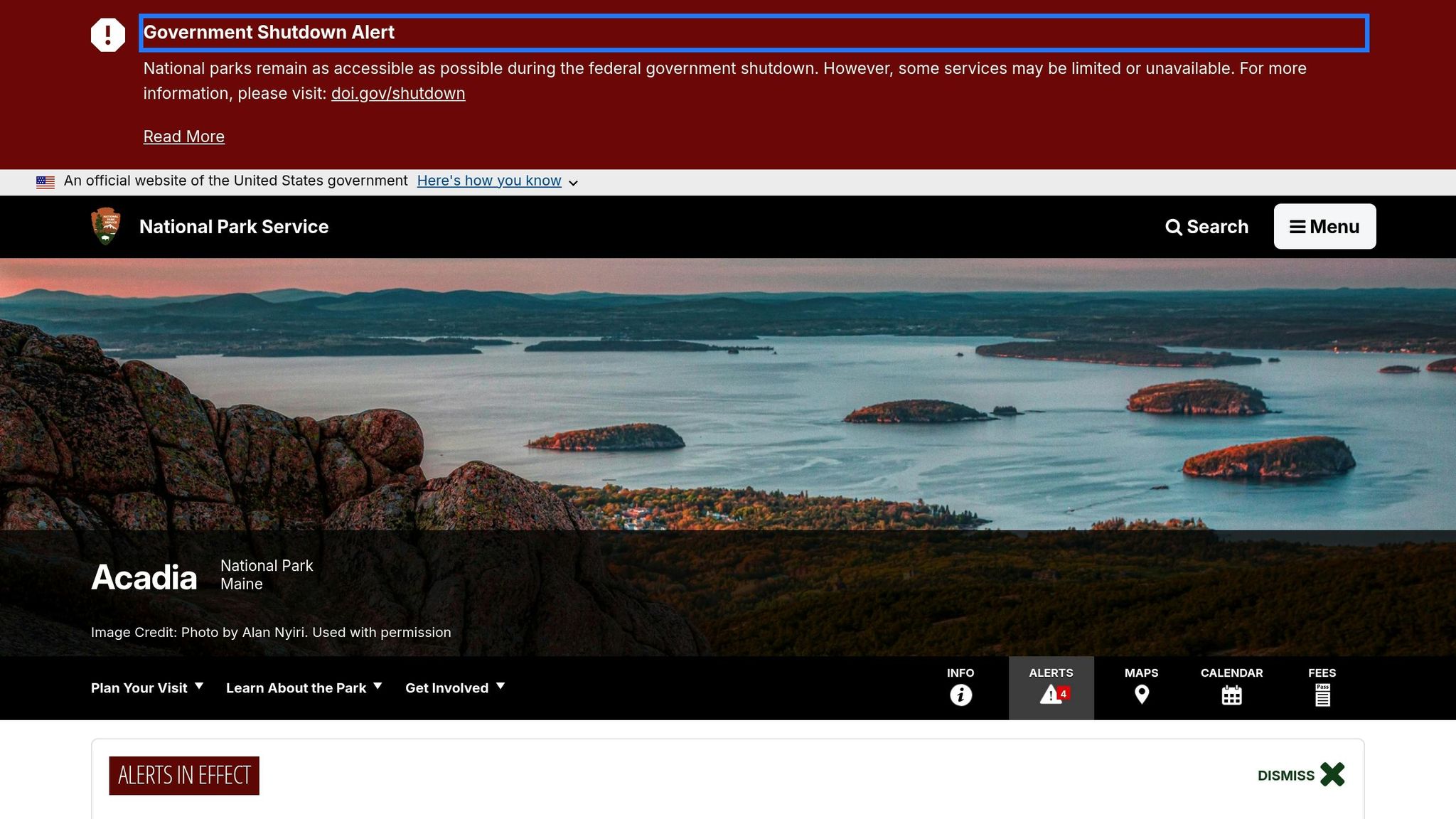
Acadia National Park in Maine offers breathtaking views, but if you’re planning to drive up Cadillac Summit Road to experience Cadillac Mountain – the highest point on the U.S. East Coast – you’ll need to plan ahead. Vehicle reservations are required for this scenic route, especially if you’re aiming to catch the famous sunrise or enjoy the stunning daytime vistas.
Permit Type Required
To manage the high demand and protect the summit area, the park uses a timed-entry vehicle reservation system specifically for Cadillac Summit Road. Visitors can choose between sunrise or daytime tickets, depending on their preferred experience. These reservations ensure a smoother visit and help preserve the natural beauty of the area.
Seasonal Requirements
Reservations for Cadillac Summit Road are mandatory during the park’s busiest months, which typically span from mid-May through late October. Outside of this peak season, you can access the road without needing a reservation.
Reservation Process
Reservations are made through Recreation.gov. Here’s how it works:
- 90-Day Advance Tickets: Thirty percent of permits are released on a rolling basis up to 90 days ahead of your visit.
- Last-Minute Tickets: The remaining 70% are made available at 10:00 A.M. EST, two days before your planned visit.
Each reservation costs a $6 processing fee, which is separate from the standard park entrance fee. Be sure to have your confirmation ready – either digitally or printed – when you arrive.
Compliance Tips and Key Rules
Permits are time-specific and date-specific, so it’s crucial to arrive during your designated time slot. Rangers will check your permit at the base of Cadillac Summit Road, and late arrivals won’t be accommodated. Keep these tips in mind:
- Bring both digital and printed copies of your reservation.
- Parking at the summit is limited, and only standard passenger vehicles are permitted. Oversized vehicles, RVs, and trailers aren’t allowed due to the narrow roads and tight parking spaces.
- Refunds are not provided for missed reservations, so double-check your plans.
If you’re unable to secure a permit for Cadillac Summit Road, don’t worry – Acadia has plenty of other incredible areas to explore. For detailed planning tools and the latest permit updates, consult The National Park Guide to ensure your trip goes off without a hitch.
2. Arches National Park
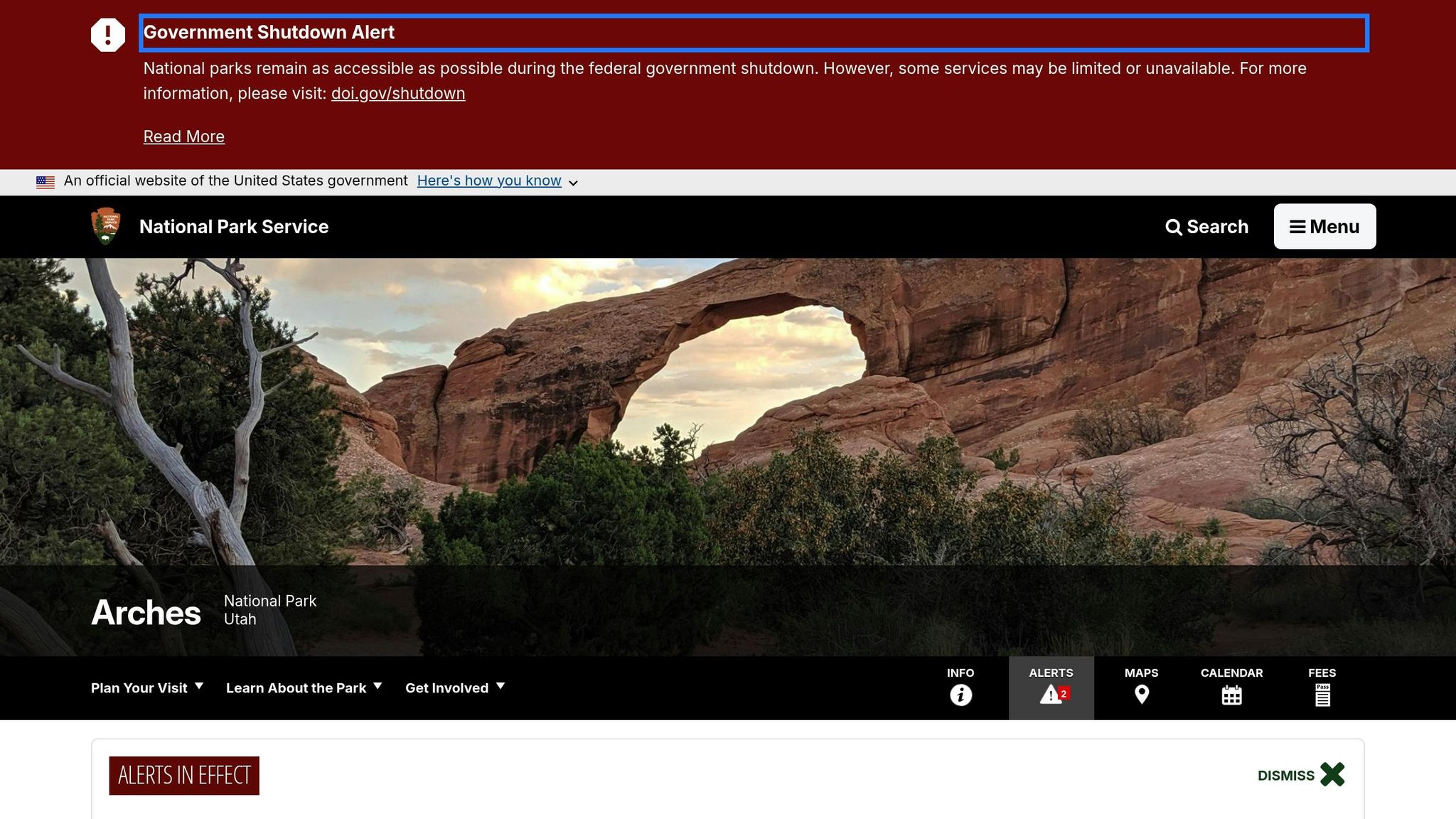
Arches National Park in Utah is famous for its stunning collection of more than 2,000 natural stone arches. To handle the surge in visitors – over 1.8 million in 2021, marking a 66% increase from a decade ago – the park has implemented a timed-entry reservation system. This system helps manage the heavy crowds that flock to its breathtaking red rock formations. In fact, overcrowding and traffic delays have forced the park to temporarily close on several occasions.
Permit Type Required
To address these challenges, Arches National Park requires a timed-entry permit for vehicles entering during its busiest season. This permit system helps balance visitor numbers while protecting the park’s natural beauty. The timed-entry permits are needed daily from 7:00 a.m. to 4:00 p.m. during peak season. Once your reserved time begins, you’ll have a one-hour window to enter the park. Keep in mind, this permit is in addition to the standard park entrance fee. If you’re planning commercial tours or large group events, you’ll need a separate special use permit.
Seasonal Requirements
The timed-entry system runs from April 1 to October 31 each year, aligning with the park’s most popular season when the weather is ideal for hiking. Outside these dates, general entry doesn’t require advance reservations, although camping permits are still necessary year-round.
Reservation Process
Booking your visit in advance is essential, especially during peak times. Reservations can be made on Recreation.gov up to three months ahead of your trip. Popular dates often sell out within hours, so planning early is key. There’s a $2 processing fee for each vehicle reservation, on top of the $30 park entrance fee. This system not only helps reduce wait times but also improves the overall experience for visitors.
Compliance Tips and Key Rules
To avoid any issues, make sure to arrive within your one-hour entry window and bring your permit – either printed or saved digitally. Keep in mind that cell service near the park entrance can be spotty. If you miss your time slot, you won’t be allowed to enter, as rangers strictly enforce these rules. The permit covers your entire vehicle and all passengers, but it’s important to follow park regulations, such as speed limits, parking rules, and Leave No Trace principles.
For those planning to camp at Devils Garden Campground, a separate reservation is required. These highly sought-after sites can be booked up to six months in advance and often sell out in minutes during the busy season. However, if you already hold a valid camping or special use permit, you won’t need the timed-entry reservation. Just make sure to present your permit at the entrance.
For the latest updates on permits and any seasonal changes, check out The National Park Guide. It’s a great resource to help you navigate the reservation process and avoid common pitfalls during your visit.
3. Glacier National Park
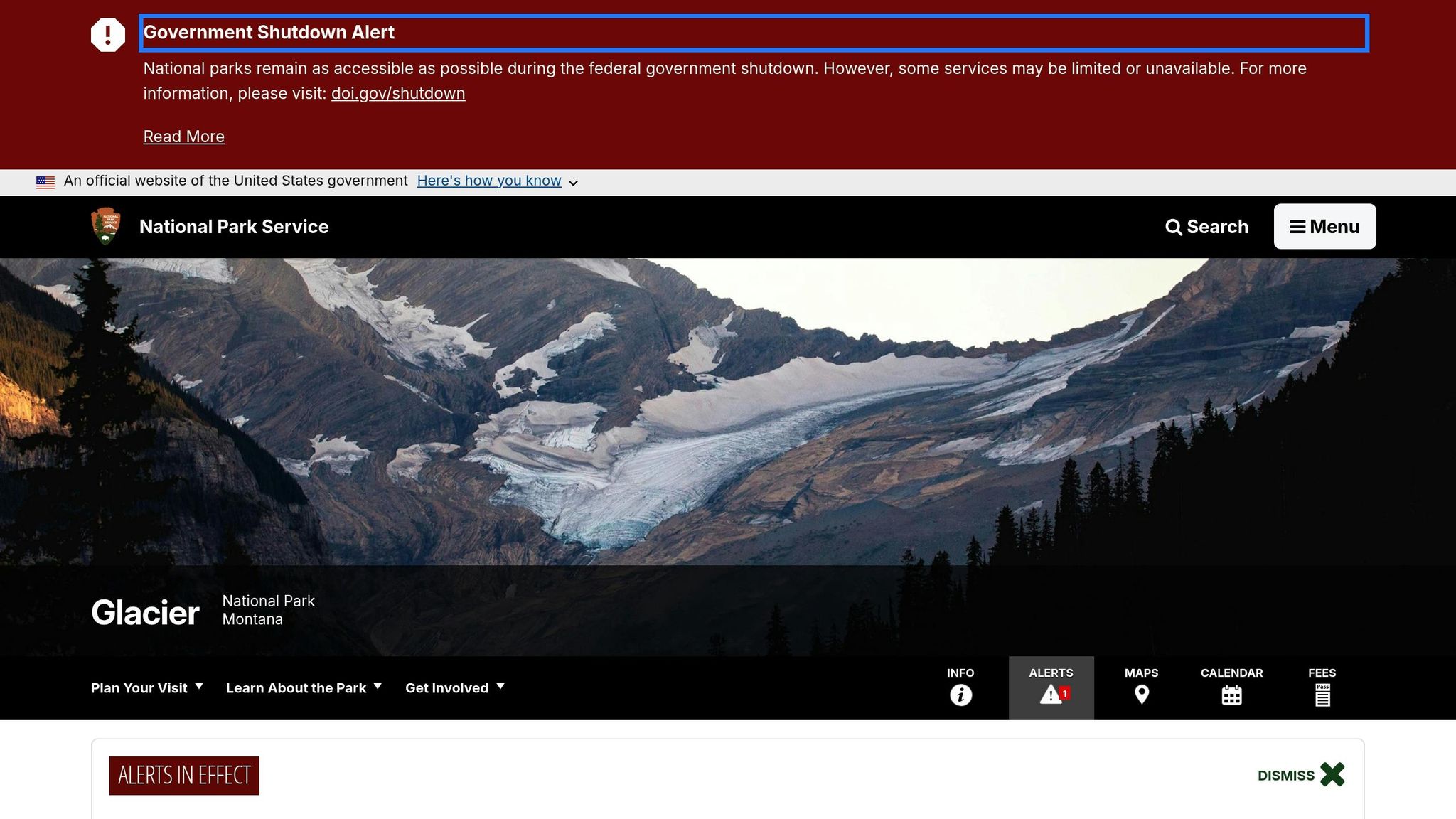
Nestled in Montana, Glacier National Park is a haven of untouched wilderness. If you’re planning a day hike, you won’t need a permit. However, certain activities and areas do require reservations. In 2024, the park rolled out a pilot vehicle reservation system aimed at managing the increasing number of visitors. These permits help balance conservation efforts with the growing demand, a system similar to what other national parks have adopted.
Permit Types You’ll Need
There are two main types of permits to keep in mind for Glacier:
- Wilderness Permits: Required for overnight backcountry camping for groups ranging from 1 to 8 people.
- Vehicle Reservations: Starting in May 2024, you’ll need reservations for the west side of Going-to-the-Sun Road and the North Fork area. For Many Glacier, reservations begin on July 1, 2024.
Seasonal Permit Requirements
Permit rules change with the seasons. Wilderness Permits are most essential between June 15 and September 30, the safest and most accessible time for backcountry adventures. This is also when demand is at its peak, often outpacing availability.
Vehicle reservations are primarily needed during the busy summer months. For the west side of Going-to-the-Sun Road and North Fork areas, reservations kick off in May, while Many Glacier requires them starting July 1. Outside of these peak times, vehicle reservations aren’t necessary, though standard entrance fees still apply.
How to Reserve Your Spot
If you’re planning a backcountry trip, mark your calendar for March 15 – that’s when permit applications open for trips happening between June 15 and September 30. If you miss that window, don’t worry. From May 1 to September 30, any remaining permits will be available on a first-come, first-served basis either online at Recreation.gov or in person at ranger stations.
Vehicle reservations follow a similar online process. There’s typically a $2 processing fee per vehicle, making it an affordable way to secure your visit.
Tips for a Smooth Visit
To make the most of your Glacier experience, follow these key guidelines:
- Carry Your Permits: Rangers may check your permits during your visit, so keep them handy.
- Follow Backcountry Rules: Camp only at designated sites and store food properly to avoid attracting wildlife.
- Stick to Your Vehicle Reservation Time: Entry is only allowed during your reserved time window. Each reservation is valid for one vehicle, so larger groups traveling in multiple cars will need separate reservations.
Failing to follow these rules could result in fines, removal from the park, or even a denied entry.
4. Rocky Mountain National Park
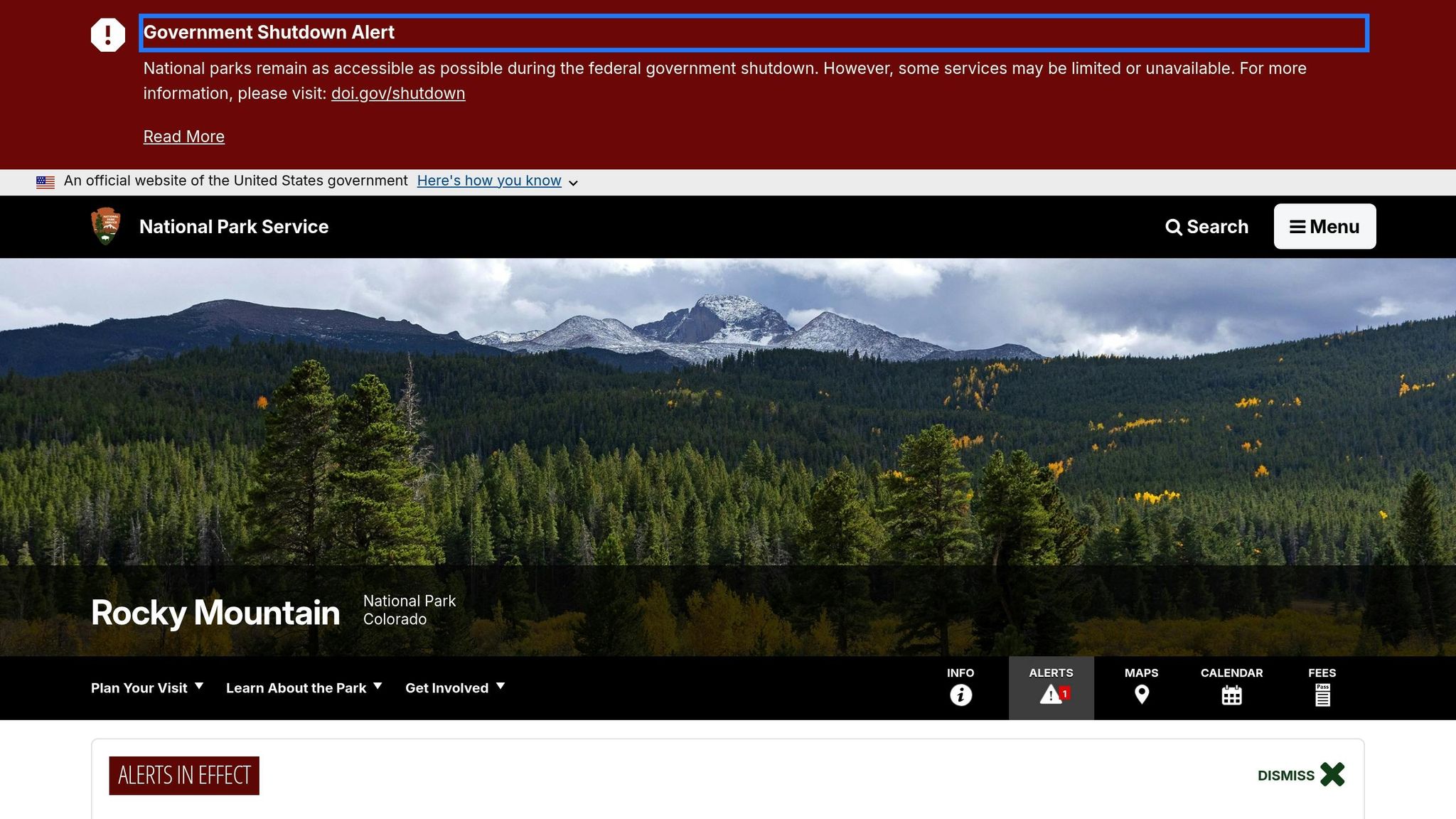
Nestled in Colorado, Rocky Mountain National Park welcomes over 4.1 million visitors every year. To manage the crowds and safeguard its delicate alpine ecosystems, the park uses a permit system during peak times.
Types of Permits You’ll Need
Rocky Mountain National Park has two primary permits, depending on your plans:
- Timed-Entry Permits: These cost $2 per vehicle (on top of the standard $30 entrance fee) and are required between late May and mid-October during the busiest hours, from 9:00 AM to 2:00 PM.
- Backcountry Camping Permits: For those staying overnight in the wilderness, these permits are mandatory year-round and cost $36 per trip starting in 2025. Assigned campsites help protect the park’s fragile environment.
How to Reserve Your Permit
Reservations are handled through Recreation.gov. Timed-entry permits are released in batches several months before the peak season, and dates like summer weekends tend to sell out quickly. To avoid missing out, check the Rocky Mountain National Park website for the annual release schedule. If you don’t snag a permit during the initial release, additional slots may open closer to your visit date.
All payments are non-refundable and processed online. Once confirmed, you’ll receive a digital permit to either print or display on your device.
Seasonal Adjustments
Permit requirements shift based on the time of year. During the busiest months, timed-entry permits are mandatory, but once the peak season ends, you can enter the park without one (though the $30 entrance fee still applies). Backcountry camping permits, however, are required year-round, with availability differing between the high-demand summer season and quieter winter months.
Rules to Keep in Mind
Sticking to the permit guidelines ensures a hassle-free trip. Park rangers strictly enforce the rules, so make sure to arrive within your designated entry window – late arrivals won’t be allowed in. Display your timed-entry permit clearly on your vehicle’s dashboard at all times.
For backcountry campers, it’s crucial to only use your assigned campsite and follow Leave No Trace principles. Proper food storage is especially important in bear country; failing to comply could lead to fines or even removal from the park. If your plans are flexible, monitor Recreation.gov for any last-minute cancellations or newly released permits.
5. Grand Teton National Park
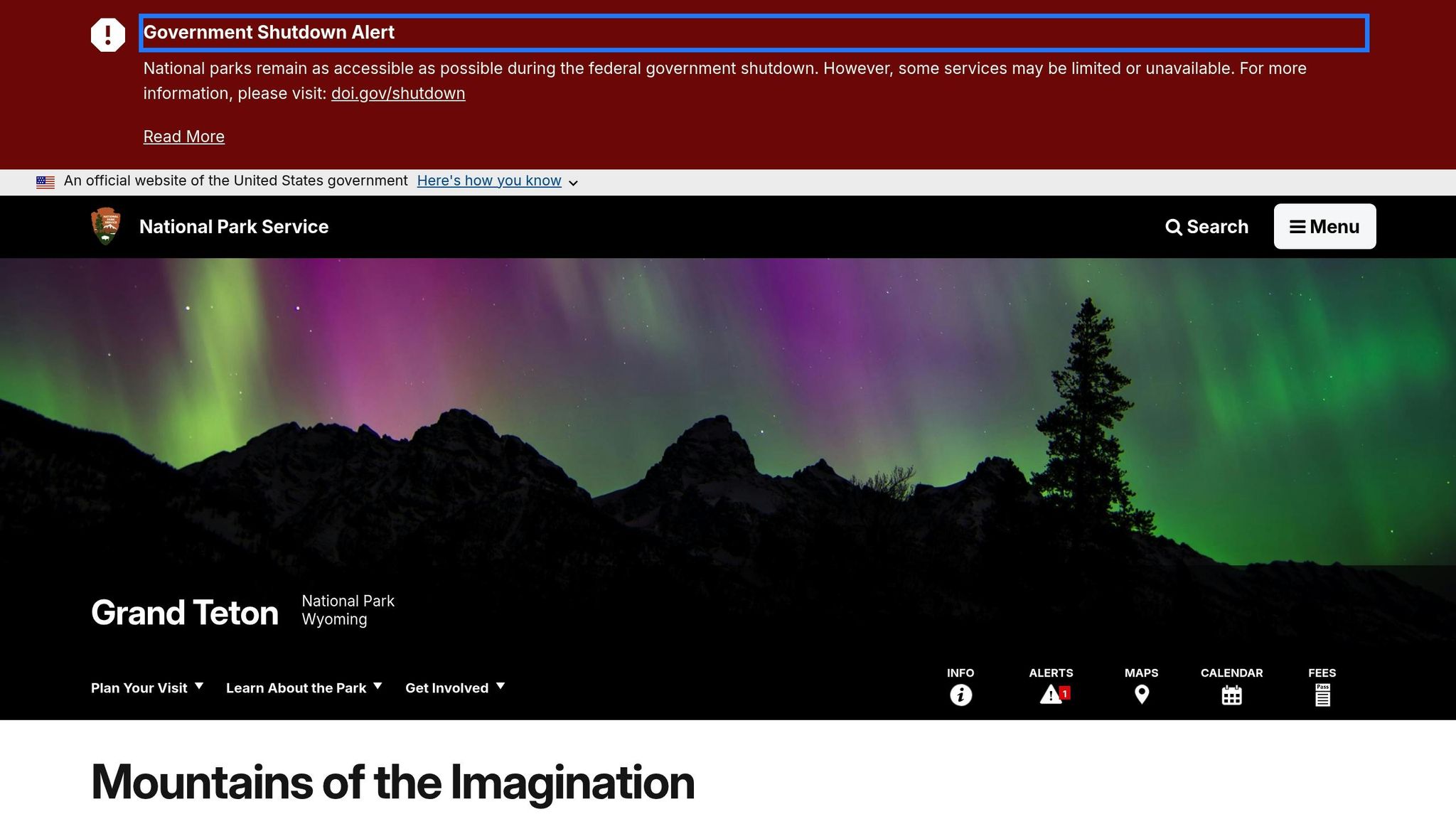
Grand Teton National Park in Wyoming is a favorite destination for outdoor enthusiasts, drawing over 3.4 million visitors each year. Known for its stunning backcountry camping and challenging mountaineering routes, the park uses a permit system to manage activities and preserve its natural beauty. Unlike some parks that require general timed-entry permits, Grand Teton focuses its permits on overnight wilderness adventures and specialized activities.
Types of Permits You’ll Need
Planning to stay overnight in the backcountry? You’ll need a backcountry camping permit, which costs $45 per trip for groups of up to six, plus a $10 advance reservation fee. For technical climbing routes, a climbing permit is required. If you’re boating on the park’s lakes, permits range from $17 to $56, depending on the type of watercraft. Day hikes don’t require permits, but if you’re tackling multi-day trips like the Teton Crest Trail, you’ll need to secure designated camping permits for each night of your journey.
How to Reserve Your Permit
Demand for permits is high, so it’s essential to plan ahead. Backcountry reservations open in early January for the summer season. About 70% of permits are available through advance reservations, while the remaining 30% are issued on a first-come, first-served basis at park visitor centers. Walk-in permits cost $45 per trip. If your plans are flexible, keeping an eye out for last-minute cancellations can be a smart move.
Seasonal Considerations
Permit availability shifts with the seasons. The peak season runs from mid-June to mid-September, a time when permits are in highest demand. During the winter months, some trails may close or have restrictions due to avalanche risks or wildlife protection. In such cases, alternate permit processes might apply.
Rules to Keep in Mind
To ensure a safe and enjoyable experience, follow these key rules:
- Camp only in designated sites.
- Practice Leave No Trace principles, such as proper food storage and packing out all trash.
- Fires are prohibited in most backcountry areas, so bring a camp stove for cooking.
- Group sizes are capped at six people per permit.
Park rangers frequently check for compliance, and violations can result in fines, removal from the park, or even being denied future permits. To secure your spot, book as soon as reservations open and keep an eye on cancellations for additional opportunities.
sbb-itb-00512f3
6. Yosemite National Park
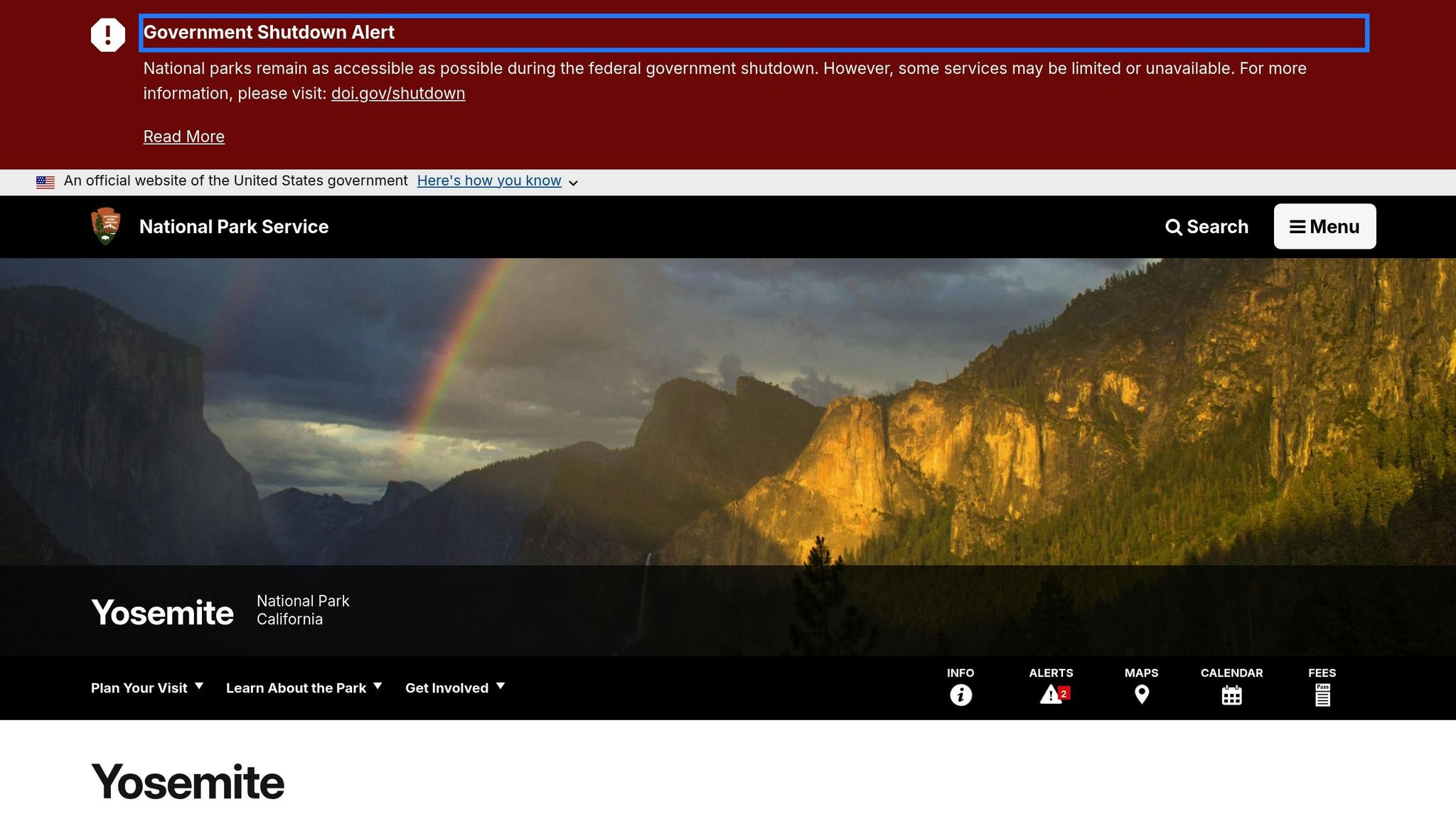
Yosemite National Park draws millions of visitors each year, captivated by its towering granite cliffs, breathtaking waterfalls, and ancient sequoias. To balance public access with preserving its natural beauty, Yosemite uses a targeted permit system. Instead of requiring a general entry permit, the park focuses on specific activities that have a significant environmental impact, ensuring both visitor safety and the protection of its landscapes.
Permit Types Required
One of the most well-known permits in Yosemite is for the Half Dome hike. When the cables are up – typically from late May to mid-October – a permit is mandatory. Planning ahead is crucial, as these permits involve a non-refundable $10 application fee and an additional $10 per person if approved.
For those venturing into Yosemite’s backcountry, overnight wilderness permits are required. These permits cost $10 per application, plus $5 per person, and are allocated via a lottery system. Unlike day hikes, which generally don’t require permits (except for Half Dome), any overnight stay in the wilderness requires this approval.
During the busy season, campground reservations are also essential. Sites often fill up within minutes, and fees vary depending on the location and amenities offered.
Reservation Process
Reservations for Yosemite permits are handled through Recreation.gov, and the process varies depending on the type of permit:
- Half Dome permits: These are distributed through a pre-season lottery held from March 1–31. There’s also a daily lottery for last-minute permits, which opens two days before the intended hike.
- Wilderness permits: Applications open 24 weeks before the trip date and are awarded through a lottery system.
- Campground reservations: These open five months in advance on a rolling basis, typically at 7:00 AM Pacific Time. Being flexible with dates and booking promptly increases your chances of securing a spot.
Seasonal Requirements
The Half Dome cables are generally in place from around May 24 to October 15, with daily lotteries available from May 22 to October 13. Wilderness permits, on the other hand, are available year-round but are subject to weather conditions and wildlife considerations.
Summer weekends and holidays see the highest visitor numbers, making permits harder to secure. Opting for weekday visits or exploring less popular trailheads can improve your odds.
Compliance Tips and Key Rules
Park rangers regularly patrol popular areas like the Half Dome trail and backcountry campsites to enforce permit rules. To avoid issues, keep these tips in mind:
- Always carry your permit and be ready to show it upon request. Failure to comply can lead to fines, removal from the park, or restrictions on future permits.
- Stick to designated trails on the Half Dome hike and bring gloves for the cable section.
- Respect group size limits to avoid cancellations.
- In wilderness areas, use designated campsites and follow strict food storage rules to minimize bear encounters.
- Practice Leave No Trace principles to help protect Yosemite’s fragile ecosystems.
Given the competitive nature of Yosemite’s permit system, having a backup plan is a smart move. Enter multiple lotteries, stay flexible with your dates, and keep an eye on cancellations for last-minute opportunities. For the latest permit updates and additional trip-planning resources, consult the National Park Guide or consider working with travel companies that specialize in Yosemite adventures.
7. Zion National Park
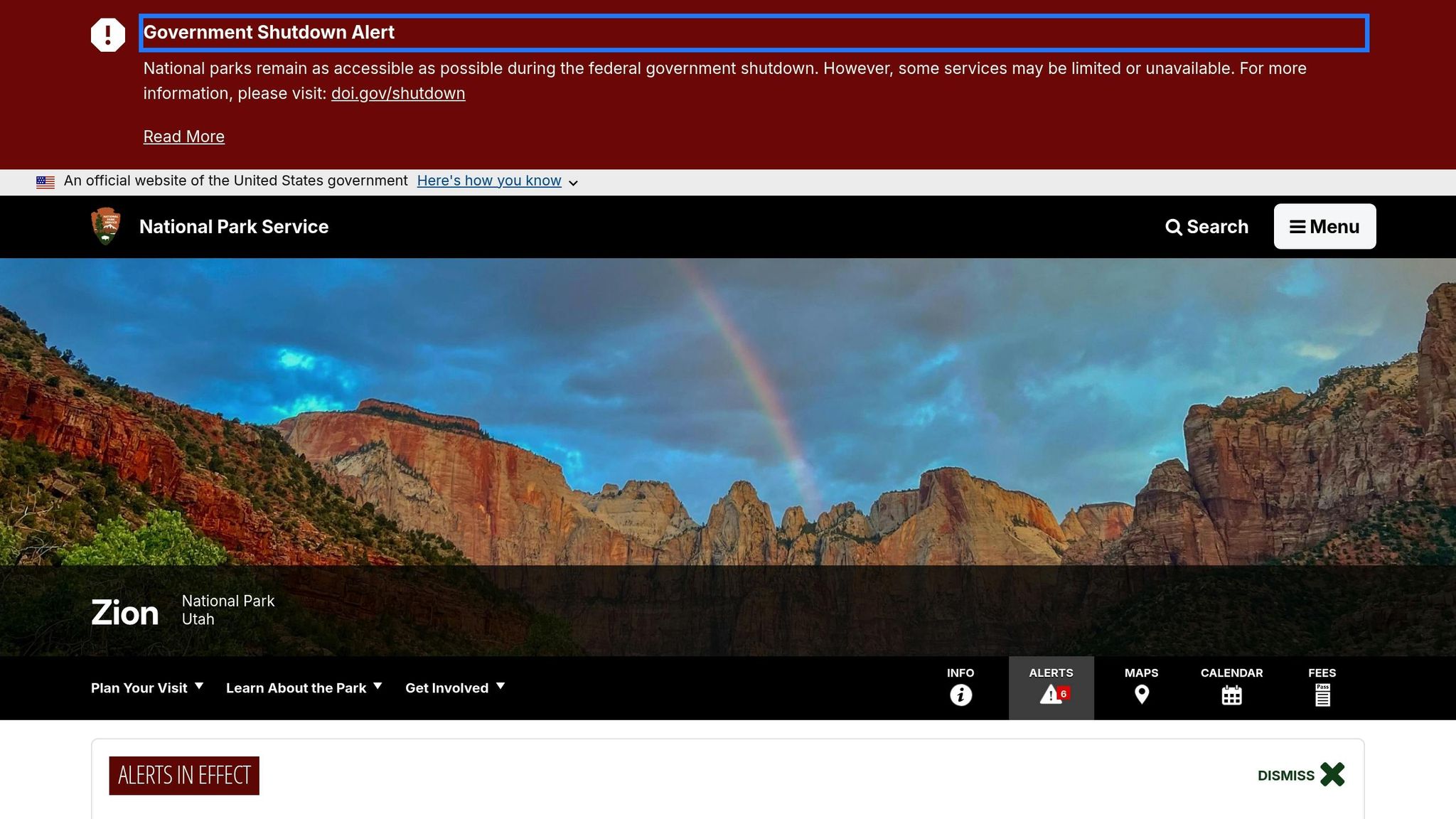
Zion National Park in Utah ranks among the top five most visited national parks in the United States, drawing over 4.6 million visitors in 2024. To manage the high volume of visitors and protect its natural resources, Zion employs a lottery system for certain trails and requires permits for specific activities. These measures help ensure safety and minimize environmental impact.
Permit Types Required
If you’re planning to hike Angels Landing, you’ll need a permit, which is obtained through a lottery system. This permit is mandatory for anyone venturing beyond Scout Lookout. Known for its narrow ridges and steep drop-offs, Angels Landing is considered one of the most challenging and hazardous trails in the country. To maintain safety and reduce environmental strain, the park issues about 800 permits daily during peak seasons.
For those looking to camp overnight, wilderness permits are required for backcountry camping in designated areas. These permits are designed to safeguard Zion’s delicate desert environment while ensuring campers follow Leave No Trace principles and use appropriate facilities.
Reservation Process
Securing an Angels Landing permit requires participation in either a seasonal or day-before lottery through Recreation.gov. There’s a non-refundable $6 fee per group (up to six people), and if selected, an additional $3 per person is charged. The seasonal lottery opens months in advance to cover busy hiking periods, while the day-before lottery offers a last-minute chance to snag a permit.
For backcountry camping, permits can be reserved up to three months ahead. The cost is $15 for the first camper and $7 for each additional person. Due to limited availability, early booking is strongly encouraged.
Seasonal Requirements
The Angels Landing permit is required year-round, with the highest demand during spring and fall. During these peak seasons, the competition for permits is fierce. Backcountry camping permits also follow seasonal quotas, typically from March through November, and availability can be affected by weather conditions and wildlife activity. To increase your odds of securing a permit, consider visiting midweek or during less popular times of the year.
Compliance Tips and Key Rules
Park rangers regularly patrol the Angels Landing trail to verify that hikers have valid permits, which can be shown either digitally or on paper. Hiking past Scout Lookout without a permit can result in fines, removal from the trail, or even future bans. Group size limits are strictly enforced, and permits are non-transferable. Any attempt to provide false information or resell permits can lead to penalties, including permit revocation.
For backcountry camping, visitors must stick to designated campsites and adhere to Leave No Trace guidelines, such as packing out all trash and minimizing campfire impacts. These rules are in place to support ongoing conservation efforts across Zion and other national parks.
For the latest updates on permit requirements and expert planning advice, consult The National Park Guide. It’s a reliable resource for navigating Zion’s reservation process and staying informed.
8. Mount Rainier National Park
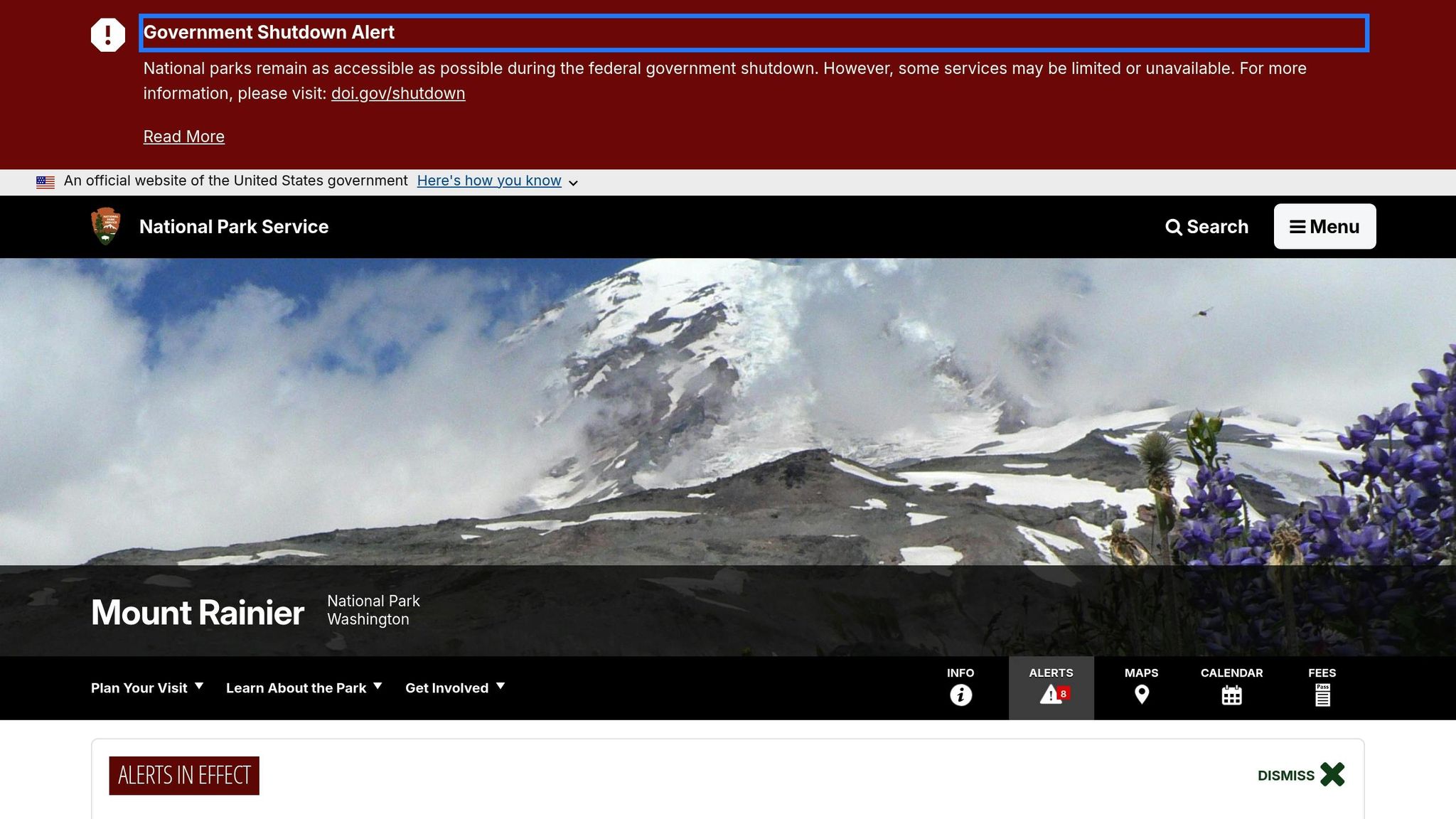
Mount Rainier National Park, known for its extensive glaciers, draws climbers and backcountry adventurers from all over the world. Unlike parks with timed-entry reservations, this park’s permit system is centered around backcountry camping and climbing access. Each year, more than 10,000 climbers attempt to summit the mountain, making it essential to manage these activities to preserve its fragile alpine environment.
Permits You’ll Need
If you’re planning an overnight stay, you’ll need a wilderness camping permit. For those heading above 10,000 feet or onto glaciers – including anyone attempting a summit – climbing permits are mandatory. Popular routes like Disappointment Cleaver and Emmons Glacier fall under these requirements. The Wonderland Trail, a stunning 93-mile loop encircling the mountain, also requires a wilderness permit, which is allocated through a lottery system due to its popularity.
How to Reserve a Permit
Permits can be reserved online through the National Park Service website or Recreation.gov. Reservations open months in advance, so early planning is key. Wilderness camping permits range from $20 to $30 per trip, while climbing permits cost $50 per person for summit attempts. A limited number of permits are available on a first-come, first-served basis, but these can be hard to snag during peak season.
Seasonal Guidelines
The best time for climbing and backcountry camping is between late May and September, when snow conditions allow access to higher elevations. During this period, permits are in high demand, so securing reservations ahead of time is highly recommended. Keep in mind that some trailheads and campgrounds are only accessible during the summer months due to snow and weather conditions.
Rules to Keep in Mind
To ensure a safe and enjoyable experience, follow these key rules:
- Always carry your permits and present them to rangers if asked.
- Camp only at designated sites, with group sizes limited to 12 people.
- Adhere to Leave No Trace principles, including proper food storage.
- Register all climbing party members together and check in and out as required.
- Note that campfires are prohibited in most backcountry areas.
Failure to comply with these rules could result in fines or restrictions on future access.
For the most up-to-date information on permits and planning, consult The National Park Guide. It’s a great resource to help you navigate Mount Rainier’s reservation system and stay informed about any changes for the 2025 season.
9. Shenandoah National Park
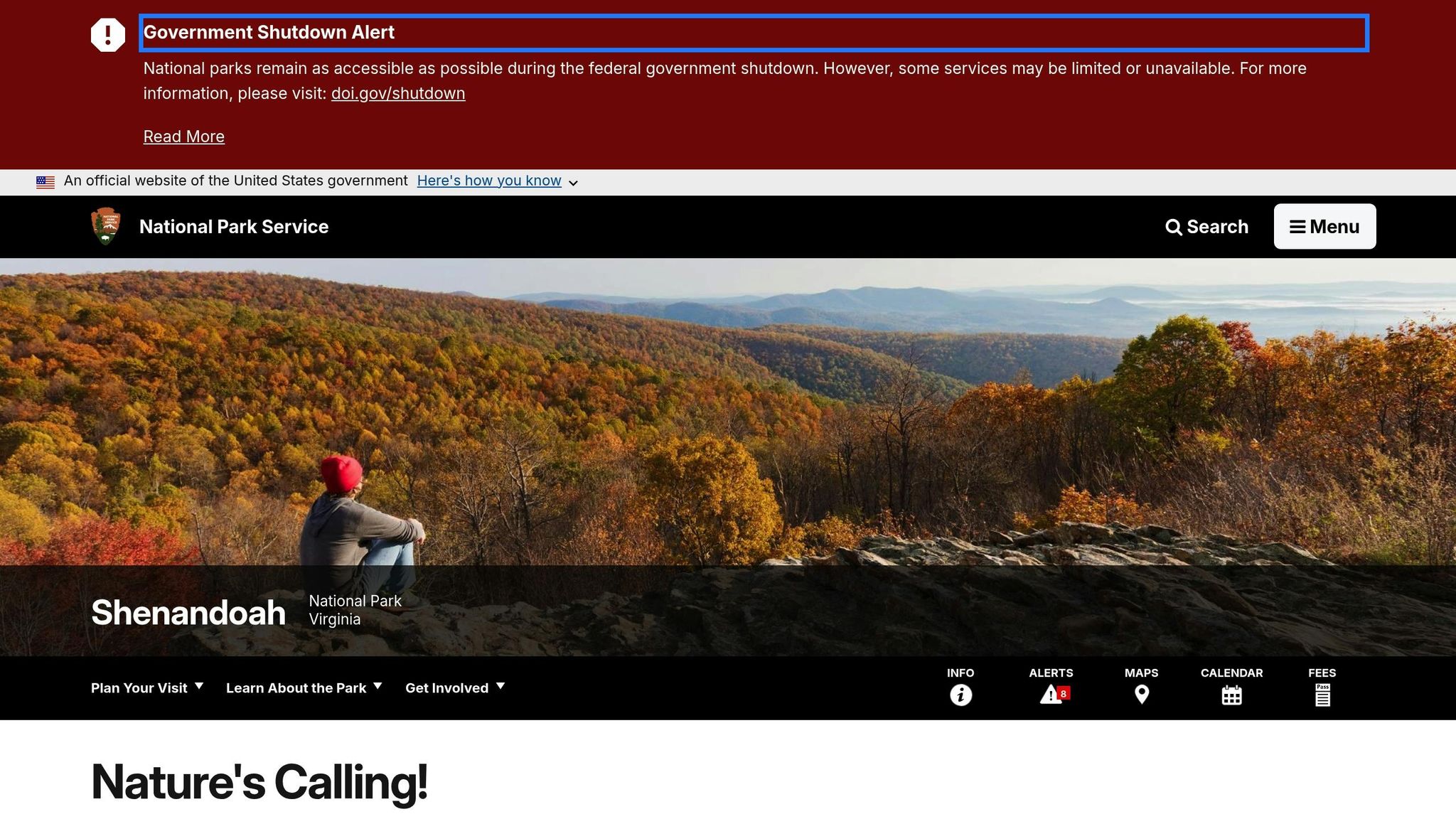
Nestled in Virginia, Shenandoah National Park is a haven for breathtaking mountain views and a variety of hiking trails. Among these, Old Rag Mountain stands out as a must-see destination. This granite peak, offering spectacular 360-degree views, has grown so popular that a day-use permit is now required to hike it. The permit system, made permanent after a successful two-year trial, helps manage overcrowding and safeguard the mountain’s delicate ecosystem. It’s a thoughtful way to balance visitor access with environmental preservation.
Permit Requirements
To hike Old Rag, every individual needs a specific day-use permit, separate from the park’s general entry fee of $30. If you’re planning to camp in the backcountry elsewhere in the park, you’ll need an additional free backcountry permit, which can be obtained online or at visitor centers.
Reservation Process
Old Rag permits are only available through Recreation.gov and cost $2 per person. The park releases 800 permits each day, split evenly between two release windows: 400 permits become available 30 days in advance, and another 400 are released five days before the hike. During weekends, holidays, and the vibrant fall foliage season, permits often sell out within minutes. Setting reminders can help you secure your spot.
Seasonal Requirements
The permit requirement for Old Rag is enforced from March 1 through November 30 each year. Outside these dates, no permit is needed, but winter weather can make the trail challenging or inaccessible. Fall is the busiest time, as the mountain’s views are especially stunning during foliage season. Planning ahead is key if you want to experience Old Rag during this popular time.
Compliance Tips and Key Rules
Permits are valid from 12:00 AM to 11:59 PM on the selected date, and park rangers frequently check for them along the trail. You’ll need to carry either a printed or digital version of your permit – failure to present one can result in fines or being asked to leave. Each hiker must have their own permit, as group permits are not available. To avoid crowds and make the most of your hike, consider starting early, giving yourself plenty of time to tackle the rocky and strenuous climb to the summit.
For detailed planning tools and the latest updates on permits, check out The National Park Guide, which offers all the information you need to prepare for your Old Rag adventure.
10. Haleakalā National Park
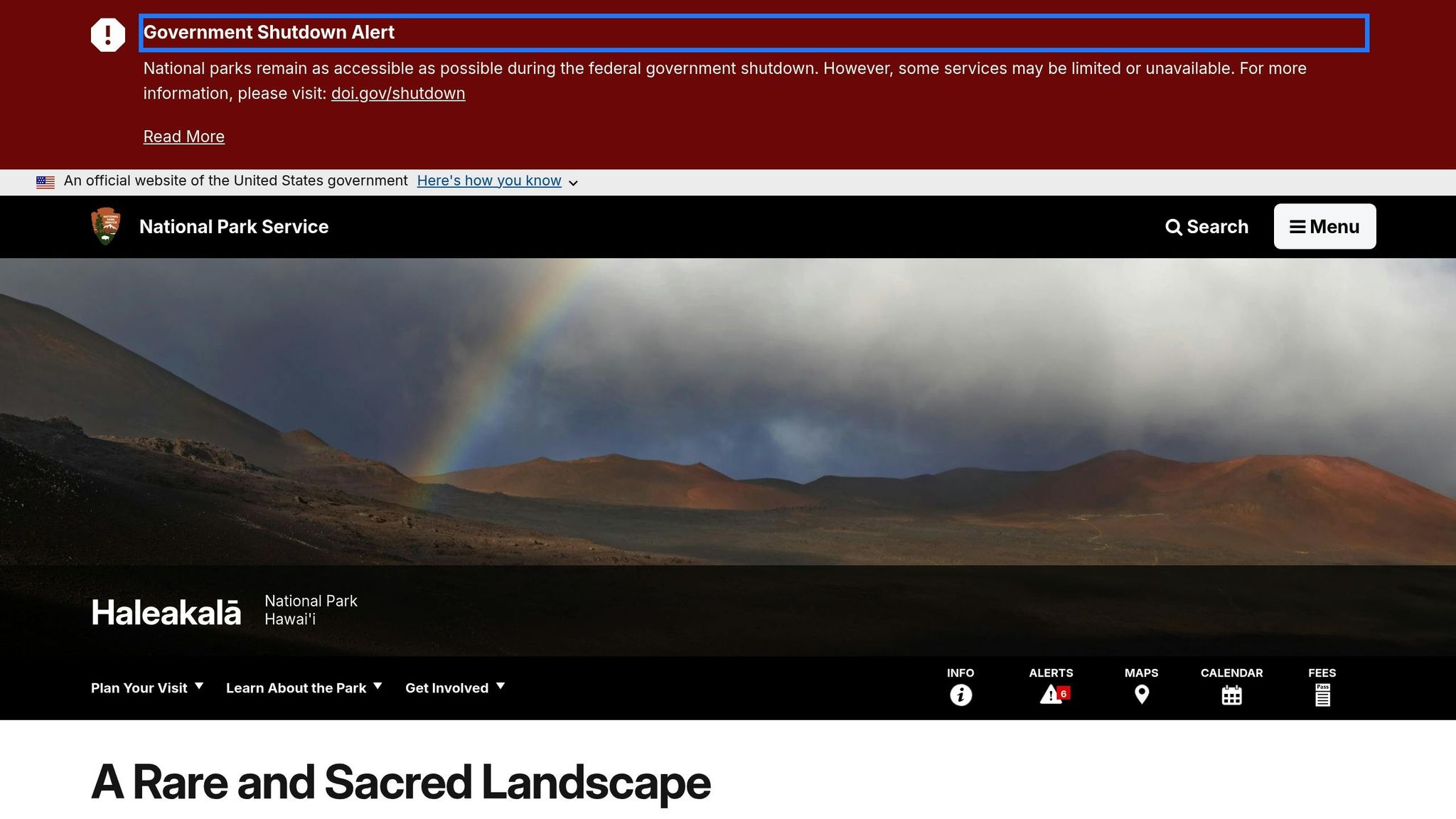
Haleakalā National Park, located on Maui in Hawaii, is famed for its breathtaking sunrise views from the summit of a dormant volcano. At an elevation of 10,023 feet, this experience has become so popular that the park now requires permits to manage the crowds and protect the delicate summit environment.
Permit Type Required
To catch the sunrise, visitors need a timed-entry vehicle permit for access between 3:00 a.m. and 7:00 a.m. This permit covers everyone in the vehicle, making it a group-friendly option. Additionally, those planning to camp overnight in the park’s wilderness areas will need a backcountry camping permit. The sunrise permit costs $1.00 per vehicle, in addition to the standard $30.00 three-day park entry fee.
Reservation Process
Sunrise permits can be reserved online through Recreation.gov. They are released on a rolling schedule, available 60 days before your intended visit date. With only 150 vehicle permits issued daily, early planning is essential. For last-minute planners, a limited number of extra permits are made available two days before the visit. Keep in mind that permits are non-transferable and must match the photo ID presented at the park entrance. While this process remains consistent throughout the year, demand spikes during summer and holiday periods.
Seasonal Requirements
The sunrise permit is required year-round. Be prepared for extreme weather at the summit – temperatures can drop below freezing, even in the summer months. Dressing in layers and bringing warm clothing is a must.
Compliance Tips and Key Rules
Park rangers strictly enforce permit rules, so arriving without a valid permit can lead to being denied entry, fined, or even cited. Permits are only valid for the specific date and vehicle listed, and late arrivals may be turned away.
Given the summit’s cold conditions, pack essentials like warm clothing, blankets, and a flashlight. Arriving early is also recommended, especially during busy times, to secure a parking spot.
For those venturing into the backcountry, adhering to Leave No Trace principles is critical. This includes packing out all trash and camping exclusively in designated areas. Violations can result in penalties or removal from the park.
Though planning your Haleakalā sunrise visit requires some effort, the sight of the sun rising above a sea of clouds is an unforgettable reward. For detailed planning resources and the latest permit information, check the National Park Guide.
Park Permit Requirements at a Glance
Navigating permit rules for national parks can feel overwhelming, but the table below simplifies the key details for ten popular parks. Use it to plan ahead and avoid unexpected hurdles during your visit.
| Park Name | Permit Type | Reservation Process | Cost (USD) | Key Compliance Tips |
|---|---|---|---|---|
| Acadia | Vehicle reservation for Cadillac Summit Road | 30% available 90 days in advance, 70% released 2 days prior via Recreation.gov | $6.00 processing fee | Print your permit, arrive within a 30-minute window, and ensure your license plate matches the reservation |
| Arches | Timed entry permits (March–October) | Available months in advance on Recreation.gov | $2.00 per vehicle | Arrive within a 1-hour window and bring a photo ID for verification |
| Glacier | Vehicle reservations for Going-to-the-Sun Road | Rolling release schedule via Recreation.gov | $2.00 per vehicle | Required for west side access; check seasonal road conditions |
| Rocky Mountain | Timed entry permits (May–October) | Released 1 month prior via Recreation.gov | $2.00 per vehicle | Arrive during your designated time and carry a printed or digital permit |
| Grand Teton | Backcountry wilderness permits | Available 6 months in advance on Recreation.gov | $45.00–$55.00 per group | Bear canisters are mandatory; stick to group size limits and use designated campsites |
| Yosemite | Half Dome cables and wilderness permits | Preseason lottery in March; daily lottery 2 days before visit | $10.00 application fee plus $10.00 per permit | Cables required May 24–October 15; permits are non-transferable, and a photo ID is mandatory |
| Zion | Angels Landing hiking permits | Seasonal and daily lottery system via Recreation.gov | $6.00 application fee plus $3.00 per person | Follow the lottery schedule, arrive on time, and stay on marked trails |
| Mount Rainier | Wilderness and climbing permits | Available 6–9 months in advance via Recreation.gov | $20.00–$60.00 depending on activity | Climbing registration is separate; respect group size limits and monitor weather conditions |
| Shenandoah | Old Rag day-use permits | 50% released 30 days in advance, 50% released 5 days prior via Recreation.gov | $2.00 per person | Limited to 800 permits daily; each hiker needs an individual permit |
| Haleakalā | Sunrise vehicle and backcountry permits | Sunrise permits available 60 days in advance; backcountry permits 2 days prior via Recreation.gov | $1.00 for a sunrise permit; $10.00–$20.00 for backcountry permits | Permits are date- and vehicle-specific; arrive within a 2-hour window |
Understanding these details ensures smoother planning. For example, Yosemite’s Half Dome permits are highly competitive, with fewer than 30% of applicants securing a spot during peak times. Similarly, Shenandoah only issues 800 permits daily for Old Rag hikes.
Recreation.gov is your go-to site for most reservations, with booking windows ranging from six to nine months in advance for some parks, while others, like Haleakalā, operate on shorter timelines. Permit fees vary significantly, starting at $2.00 per person for Shenandoah and reaching up to $55.00 per group for Grand Teton.
Park rangers strictly enforce permit rules to protect these natural spaces. Common violations, like missing IDs, exceeding group limits, or straying off designated routes, can result in fines or removal from the park.
If you’re planning to visit multiple parks, it’s wise to track permit release dates and consider traveling during less busy times. For the latest updates and resources, the National Park Guide is a helpful tool and will soon include connections to guided tour companies. Early planning and following park rules will ensure your trip is as seamless as it is memorable.
Plan Ahead for Your National Park Visit
If you’re gearing up for a trip to one of the nation’s beloved national parks, planning ahead is key – especially when it comes to permits. Parks like Arches, for example, can fill up fast, with gates sometimes closing as early as 8:00 AM on busy days.
Timing is everything. Each park has its own booking window for permits, and these can vary widely. Missing the window could mean missing out on activities you were excited about. Not only does this help secure your spot, but it also allows you to budget more effectively.
Speaking of costs, permit fees range from $2.00 at Shenandoah to $6.00 at Acadia. While these fees might seem small, they can add up quickly if you’re visiting multiple parks. Be sure to include them in your trip budget, along with the standard entrance fees.
Keep in mind that permit systems and requirements can change. Weather conditions, construction, or updated policies might impact availability, so always double-check the latest information before heading out.
If your first-choice activity is fully booked, don’t worry – flexibility is your friend. For instance, if Cadillac Summit Road in Acadia is sold out, consider exploring the Great Head trail instead. Having alternative plans means you can still enjoy incredible experiences, even if your top pick isn’t an option.
For the most current permit details and trip-planning resources, check out The National Park Guide. This platform offers expert tools, real-time updates, and detailed guides for every U.S. national park. As it continues to grow and integrate connections with travel companies, it’s becoming an even more useful resource for planning stress-free park adventures.
FAQs
What can I do if I miss the permit booking deadline for a popular national park activity?
If you miss the permit booking deadline, don’t panic – there are still ways to make your trip happen. Start by keeping an eye out for last-minute cancellations. Many parks put canceled permits back into the system, so checking the reservation site regularly could pay off.
Another option is to explore trails or activities that don’t require a permit. National parks often have plenty of amazing spots beyond the high-demand areas, giving you a chance to experience something less crowded but equally memorable. Additionally, some parks offer same-day walk-up permits on a first-come, first-served basis. Arriving early might increase your chances of snagging one. Be sure to visit the park’s official website for the latest policies and updates before heading out.
What are some tips for improving my chances of getting a permit for popular activities like hiking Half Dome or driving Cadillac Summit Road?
Securing permits for popular activities in national parks can feel like a challenge, but a few smart strategies can tilt the odds in your favor:
- Plan ahead: Many parks release permits months before the activity date. Visit the park’s website to find out when applications open and mark those deadlines on your calendar.
- Stay flexible: Consider applying for less crowded times, like weekdays or during off-peak seasons. These periods often have fewer applicants vying for spots.
- Navigate lotteries thoughtfully: For activities like hiking Half Dome, parks often use lottery systems. Submit your application early and include alternate dates to boost your chances of success.
- Keep an eye on cancellations: Canceled permits sometimes become available. Regularly check the park’s site, especially as your desired date approaches.
The key is preparation and persistence. Make sure to carefully review the park’s specific requirements to ensure you’re fully prepared to meet their guidelines.
How can I stay informed about changes to permit requirements or availability for the national parks I want to visit?
To keep up with any changes to permit requirements or availability, make sure to visit the official website of the national park you’re planning to explore. These websites usually have the most up-to-date details on permits, including availability and any shifts in policies.
Another great way to stay informed is by following the park on social media or signing up for their email newsletters. These channels often share real-time updates and announcements. Staying proactive and checking for updates regularly can make your visit much smoother.