
America’s national parks are home to an incredible range of wildlife, offering habitats for rare birds, mammals, reptiles, and amphibians. Each park’s distinct landscapes provide opportunities to observe animals in their natural environments. Here’s a summary of 10 parks and their wildlife highlights:
- Grand Canyon National Park: Known for California condors, 447 bird species, and 91 mammals across diverse elevations.
- Great Smoky Mountains National Park: "Salamander Capital of the World" with over 30 salamander species and rich biodiversity.
- Redwood National Park: Features Roosevelt elk, black bears, and 91 mammal species in old-growth forests.
- Big Bend National Park: Offers the highest reptile diversity among U.S. parks, along with 450 bird species.
- Carlsbad Caverns National Park: Unique mix of cave and desert ecosystems, with 194 bird species per 100 km².
- Everglades National Park: Subtropical wetlands with manatees, alligators, and the endangered Florida panther.
- Glacier Bay National Park: Marine and land wildlife like humpback whales, brown bears, and bald eagles.
- Grand Teton National Park: Iconic species like elk, moose, and beavers across sagebrush flats and alpine zones.
- Badlands National Park: Prairie wildlife including bison, prairie dogs, and bighorn sheep.
- Yellowstone National Park: Large predators like wolves and grizzlies, plus bison herds in geothermal and forested areas.
Whether you’re into birdwatching, spotting large mammals, or observing reptiles and amphibians, these parks offer unmatched wildlife experiences. Visit during spring or fall for peak activity, and always maintain a safe distance from animals.
1. Grand Canyon National Park

Wildlife Diversity
Grand Canyon National Park stands out as the premier national park in the United States for its incredible range of wildlife. With elevations ranging from 2,000 to over 7,000 feet, the park spans multiple climate zones, from arid desert scrub to lush pine forests. This unique geography supports a stunning variety of species.
The park boasts an impressive 447 bird species, making it a top destination for bird-watchers. It also ranks second among national parks with 91 mammal species, 58 reptile species (including the venomous Gila monster), and 142 species of spiders and scorpions. In 2014, the National Audubon Society recognized the Grand Canyon as an "Important Bird Area", highlighting its role in protecting rare and migratory birds.
Species and Habitats
One of the park’s most fascinating residents is the California condor, a giant scavenger with a wingspan of about 9.5 feet. These birds were on the verge of extinction in the 1980s, with just 27 individuals left in captivity. Thanks to a successful breeding program, condors have been reintroduced into the wild since 1996, particularly at Vermilion Cliffs National Monument. Today, over 100 condors soar above the Colorado Plateau, with some nesting in caves once home to their prehistoric ancestors.
Visitors may also encounter other notable species like the Mexican spotted owl, Southwestern willow flycatcher, Grand Canyon rattlesnake, and desert bighorn sheep. The Mexican gray wolf, another species that was nearly wiped out, has also found a sanctuary within this diverse landscape.
Each elevation zone within the park supports its own unique ecosystem, providing visitors with the chance to observe a wide variety of wildlife in just one trip.
Wildlife Viewing Opportunities
For bird lovers, Yaki Point is a must-visit spot. The park regularly hosts hawk-watching events, bird lectures, and educational programs here, making it a hub for wildlife enthusiasts.
Seeing California condors gliding along the canyon rims is an unforgettable experience. Look for their dark wings with distinctive white patches as they ride the thermal currents high above the landscape.
The Grand Canyon’s diverse terrain offers countless opportunities to observe animals in their natural habitats. This remarkable variety of wildlife makes every visit a chance to discover something extraordinary.
2. Great Smoky Mountains National Park

Wildlife Diversity
Nicknamed the "Salamander Capital of the World", Great Smoky Mountains National Park boasts an incredible array of wildlife. With over 30 salamander species and more than 14 species of frogs and toads, it leads all U.S. national parks in amphibian diversity. The park is also a haven for other creatures, ranking first in the country for slugs, snails (over 189 species), spiders, and scorpions (969 species). This rich biodiversity is largely thanks to the park’s varied elevations and frequent storms, which create the perfect conditions for thriving ecosystems.
The park’s wildlife diversity doesn’t stop at amphibians. It also supports 91 mammal species, placing it third among national parks in this category. Visitors might even spot iconic residents like wild turkeys roaming the park’s forests and meadows.
Species and Habitats
The salamander population here is particularly fascinating. Twenty-four of the 30+ species are lungless salamanders, which breathe entirely through their skin – a remarkable adaptation to the park’s perpetually moist forest floors. Among these residents is the Hellbender salamander, a standout species that can grow up to an impressive 29 inches in length, making it one of the park’s most eye-catching amphibians.
The park’s wide range of elevations creates distinct ecological zones, each tailored to support different wildlife. Moist forest floors provide an ideal home for salamanders and countless invertebrates, while other zones host mammals and native birds like wild turkeys. This variety ensures that nearly every corner of the park has something unique to offer.
Wildlife Viewing Opportunities
For those eager to spot wildlife, the best places to visit are near streams and in the park’s damp forests, especially along the edges of meadows where salamanders are most active. Wet seasons are particularly rewarding, as the increased moisture draws many amphibians out into the open. While the Hellbender salamander might be easier to find, patience is key for spotting some of the park’s more elusive species. Exploring different elevations and habitats can significantly improve your chances of memorable wildlife encounters. Whether you’re a seasoned naturalist or a casual visitor, Great Smoky Mountains National Park offers countless opportunities to experience its incredible wildlife up close.
3. Redwood National Park
Wildlife Diversity
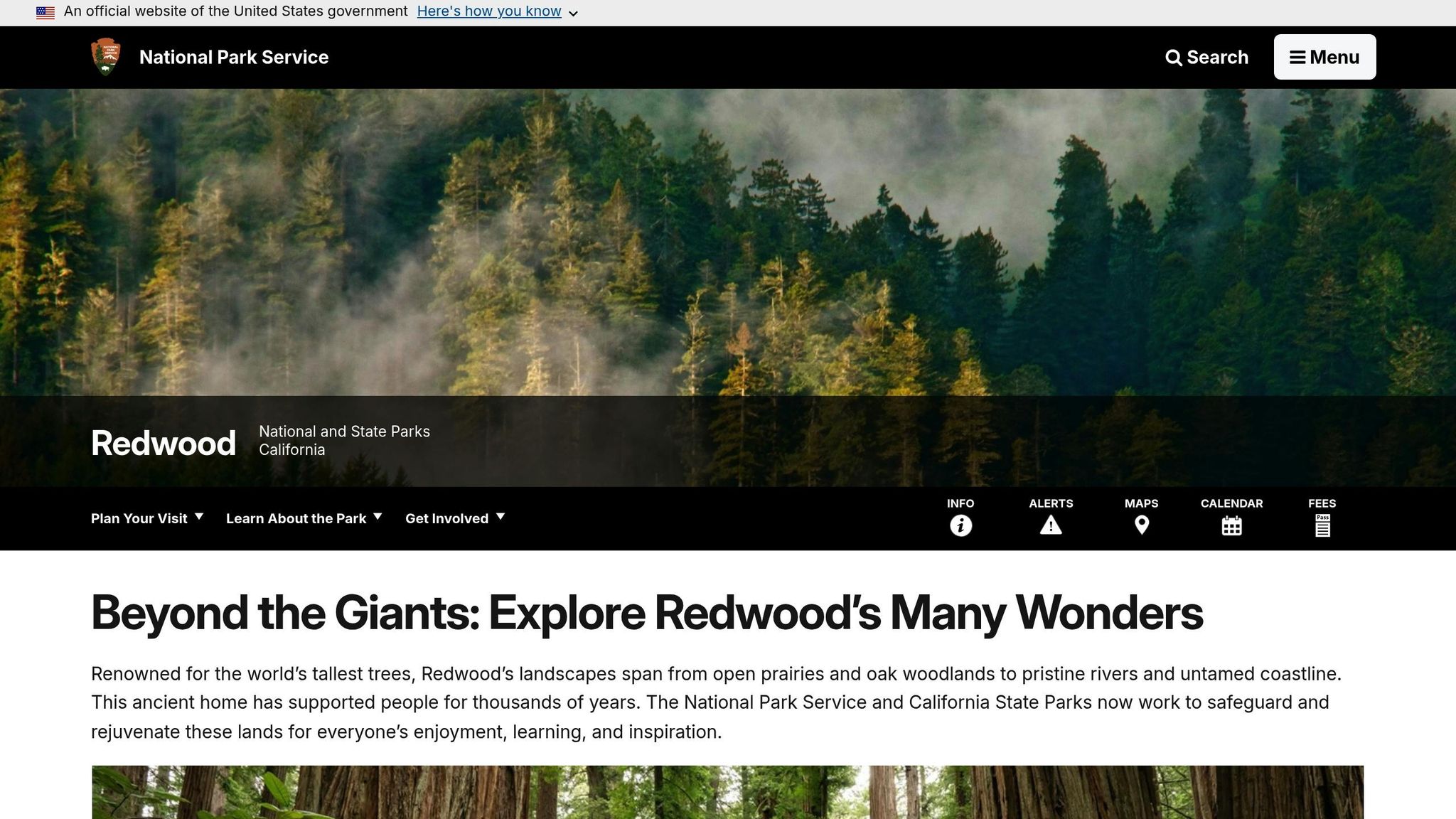
Switching gears from the inland wonders, Redwood National Park brings you into a lush coastal-forest environment. This park is a haven for wildlife, boasting the highest number of mammal species among all U.S. national parks – a whopping 91 species call it home. Thanks to its untouched old-growth forests, remote location, and sweeping coastlines, wildlife here thrives in a natural and undisturbed setting. Beyond mammals, the park also ranks impressively for other species: seventh for fish and amphibians, and ninth for birds. It’s a dream destination for anyone passionate about observing diverse wildlife.
Species and Habitats
The Roosevelt elk stands out as the park’s star attraction, playing a big role in its top ranking for mammals. Black-tailed deer are another familiar sight, often seen wandering through the park’s varied landscapes. For those with patience and a bit of luck, predators like black bears and mountain lions might make an appearance. Smaller mammals such as fishers, martens, river otters, squirrels, and chipmunks add even more life to the park’s ecosystem.
Redwood National Park’s range of habitats is as impressive as its wildlife. From towering old-growth forests and lush riparian zones to rugged coastal areas, each environment supports its own unique mix of species, making the park a rich mosaic of biodiversity.
Wildlife Viewing Opportunities
Redwood’s vibrant landscapes offer year-round chances for wildlife observation. Roosevelt elk are often seen grazing in meadows or clearings, especially during the quiet hours of early morning and evening when they’re most active. Black-tailed deer are a common sight along trails and roads, making them easy to spot even for casual visitors. While elusive predators like black bears and mountain lions are harder to encounter, river otters sometimes make playful appearances near streams and rivers.
To make the most of your visit, plan ahead with the right supplies and a clear route. The park’s remote nature ensures that its wildlife remains undisturbed, giving visitors a rare chance to witness animals behaving as they would in their natural habitat. Just remember to keep a safe distance and follow National Park Service guidelines for wildlife viewing.
4. Big Bend National Park
Wildlife Diversity
Nestled along the Texas–Mexico border, Big Bend National Park stands out as a haven for reptile enthusiasts, boasting the highest reptile diversity of any U.S. national park. With more than 56 reptile species – including over 30 types of snakes, 22 lizard species, and 4 turtle species – this park offers a unique opportunity to observe a wide range of fascinating creatures. Beyond reptiles, Big Bend also ranks as a top destination for birdwatchers, holding the second spot for bird species diversity, and it claims fourth place for mammals among national parks in the U.S..
Species and Habitats
What makes Big Bend so rich in wildlife? Its varied landscapes play a big role. The park transitions seamlessly from the lush floodplains of the Rio Grande to arid desert scrublands and rugged mountain ranges. These distinct environments create ecological zones that are ideal for supporting a variety of species. Among the park’s standout reptiles are the Texas horned lizard, known for its spiky appearance, the iconic diamondback rattlesnake, and the speedy checkered whiptail lizard, often spotted darting through its dry terrain. Each habitat within Big Bend provides a unique environment, fostering specialized reptile populations and offering visitors a chance to experience the park’s incredible biodiversity firsthand.
Wildlife Viewing Opportunities
Big Bend’s diverse terrain ensures that wildlife enthusiasts have plenty of chances to spot reptiles and other animals in their natural habitats. Whether you’re exploring its dramatic canyons, wandering the floodplains, or hiking through mountain trails, the park’s rich variety of species and ecosystems promises an unforgettable wildlife experience.
5. Carlsbad Caverns National Park

Wildlife Diversity
Carlsbad Caverns National Park in New Mexico offers an incredible mix of subterranean and desert ecosystems, making it a standout destination for nature lovers. With an impressive density of bird species – 194 species per 100 km² – it holds the highest bird species density among all U.S. national parks. For birdwatchers, this means a chance to encounter a wide variety of avian life in a relatively small area. Beyond birds, the park also ranks fourth for bird species diversity, fifth for reptiles, and seventh for mammals.
Species and Habitats
The park is home to two strikingly different habitats: the vast underground caves and the Chihuahuan Desert. The caves maintain steady temperatures and high humidity throughout the year, creating a stable environment for species that thrive in darkness. Above ground, the desert scrubland provides a stark contrast, supporting reptiles and birds that have adapted to its arid conditions.
Wildlife Viewing Opportunities
Visitors can explore wildlife in two distinct settings. Cave tours offer glimpses of creatures uniquely adapted to the dark, while the desert trails above ground provide the chance to spot vibrant birdlife and agile reptiles. Thanks to the park’s relatively compact size, you can experience a wide range of wildlife encounters without needing to travel far.
6. Everglades National Park
Wildlife Diversity
Everglades National Park, located in southern Florida, is famous for its vast subtropical wetlands. Spanning 1.5 million acres, this protected area is home to an impressive array of wildlife, including over 360 bird species, more than 40 mammal species, and at least 25 species classified as threatened or endangered under the Endangered Species Act. Among its most iconic residents is the elusive Florida panther, a symbol of the park’s commitment to preserving imperiled species.
The park’s unique, water-driven ecosystem creates an environment where species have evolved to thrive in habitats like slow-moving freshwater marshes, mangrove forests, and coastal zones. These varied landscapes provide niches for a wide range of wildlife communities.
Species and Habitats
The Everglades is a mosaic of habitats, each supporting specialized species. Freshwater marshes are home to American alligators, often seen sunning themselves along waterways. Coastal and brackish waters shelter West Indian manatees, gentle giants that can weigh as much as 3,500 pounds. River otters, known for their playful nature, inhabit both freshwater and brackish systems, frequently spotted near the water’s edge.
For bird enthusiasts, the Everglades is a paradise. The anhinga, often called the "snake bird" due to its long, slender neck, is a common sight as it dives for fish in the park’s waters. Wading birds, including herons and egrets, gather in impressive numbers during the dry season, drawn to shrinking water bodies that concentrate fish and other prey.
Wildlife Viewing Opportunities
With its range of habitats, the Everglades provides countless opportunities for wildlife observation. Shark Valley’s 15-mile loop road is a favorite spot, where visitors can often see alligators lounging by the roadside and wading birds foraging nearby. The Anhinga Trail is another must-visit, offering boardwalks that bring visitors up close to anhingas, herons, and alligators in their natural surroundings.
For a more adventurous experience, airboat tours take visitors deep into remote areas of the park, where manatees and alligators are frequently spotted in the shallow waters.
Timing your visit can make all the difference. The dry season, running from November through April, is ideal for wildlife viewing. As water levels drop, animals gather near remaining pools and channels, making them easier to find. On the other hand, the wet season from May through October spreads wildlife across the expanded wetlands, offering a chance to witness a broader range of behaviors, even if sightings are less predictable.
sbb-itb-00512f3
7. Glacier Bay National Park

Wildlife Diversity
Nestled in southeastern Alaska, Glacier Bay National Park is a breathtaking blend of land and sea, covering an impressive 3.3 million acres. Its tidewater glaciers, fjords, and coastal ecosystems create a sanctuary for a wide range of wildlife perfectly suited to Alaska’s rugged environment.
The park is home to an incredible array of creatures, including humpback whales, sea otters, harbor seals, sea lions, brown bears, black bears, moose, mountain goats, and bald eagles. This rich mix of marine and terrestrial life highlights the park’s unique position where the ocean meets the mountains, forming habitats that sustain life both above and below the water’s surface.
What sets Glacier Bay apart is its thriving marine environment. The nutrient-packed waters draw large populations of whales and other marine mammals, while the surrounding rainforests and mountain landscapes provide shelter for land animals and countless bird species. Beyond its natural beauty, the park is a vital research hub for studying marine mammals and how ecosystems recover as glaciers retreat. Glacier Bay offers an extraordinary window into the interconnectedness of marine and terrestrial worlds.
Species and Habitats
The park’s geography creates a mosaic of habitats, each supporting distinct wildlife communities. Along the coast, humpback whales make their summer migration to feast in the nutrient-rich waters, often delighting visitors with their dramatic breaches and surface feeding.
Sea otters drift among kelp beds, cracking open shellfish with rocks as they float on their backs, while harbor seals rest on ice floes or rocky shores. Sea lions form noisy colonies on exposed rocks, and overhead, bald eagles and horned puffins take advantage of the abundant fish swimming below.
This dynamic environment fosters a rare overlap of marine and terrestrial ecosystems. Inland, temperate rainforests and alpine meadows offer refuge to land animals. Brown bears and black bears patrol the forests, especially during salmon runs when fish crowd the streams. Moose graze in wetlands and forest edges, while mountain goats nimbly traverse steep, rocky cliffs at higher elevations.
The park’s fjords act as natural transition zones where marine and land habitats meet. These sheltered waterways are vital corridors for marine mammals, while the shorelines provide feeding grounds for bears and other land animals foraging near the tideline.
Wildlife Viewing Opportunities
Accessing Glacier Bay is an adventure in itself, as it’s primarily reached by boat or plane from Juneau. This limited accessibility helps maintain its pristine wilderness and ensures visitors have intimate encounters with its wildlife.
Boat tours and kayaking trips are popular ways to experience the park’s diverse wildlife. From June to September, boat tours offer incredible opportunities to watch humpback whales feeding, sea otters playing, and harbor seals basking on ice floes. Kayaking provides a quieter, more personal experience, allowing paddlers to glide through tranquil bays, often spotting sea otters and diving seabirds up close.
For those drawn to land-based wildlife, hiking trails wind through forested areas where bears and moose are sometimes seen. Bald eagles can often be spotted perched in tall trees along the shoreline, while mountain goats may be visible on distant ridges – binoculars are a must for these sightings.
To protect the park’s wildlife, especially its sensitive marine mammals, visitor access is carefully managed through permits and designated viewing areas. These measures ensure that wildlife encounters remain respectful and sustainable. Visitors should also come prepared for Alaska’s unpredictable summer weather, which can include rain and chilly temperatures, even during peak season.
8. Grand Teton National Park
Wildlife Diversity
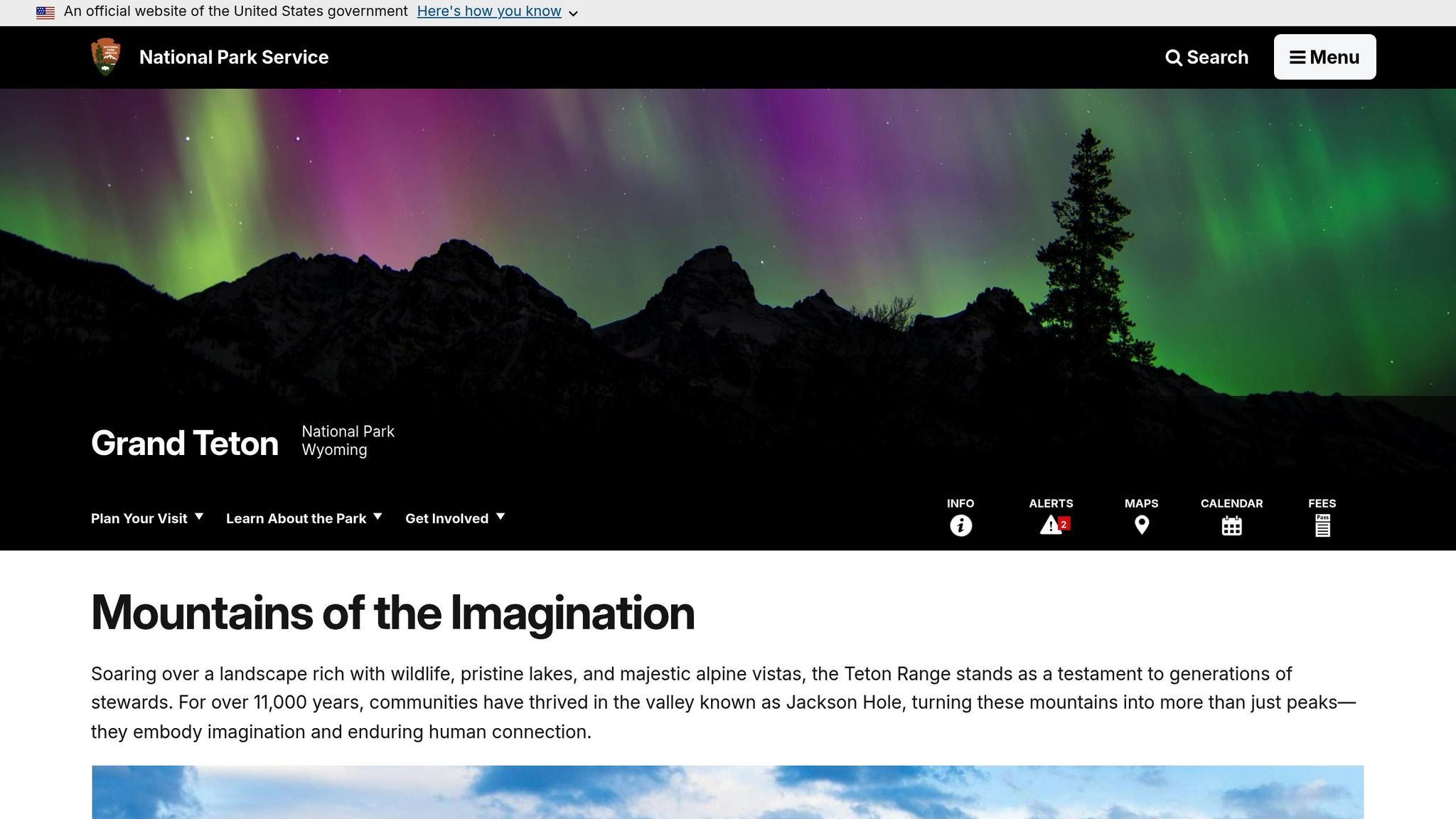
Grand Teton National Park in Wyoming spans an impressive 310,000 acres, with elevations ranging from 6,312 to 13,775 feet. This dramatic range in altitude creates a variety of ecosystems, each supporting a unique array of wildlife. From the valley floors to the rugged alpine peaks, the park is a haven for animals adapted to these diverse environments.
The park is home to some of North America’s most iconic mammals, including elk, moose, mule deer, black bears, bighorn sheep, and mountain goats. One standout feature is its thriving beaver population, which plays a crucial role in shaping the park’s waterways. The mix of sagebrush meadows, dense forests, alpine tundra, and riparian zones along the Snake River and its streams provides the perfect backdrop for these animals to thrive.
Species and Habitats
The park’s varied terrain creates natural habitats that cater to different wildlife communities. In the sagebrush flats, elk and mule deer roam freely, with elk herds becoming especially prominent during the fall rut in September and October. During this time, the haunting calls of bull elk echo through the park as they compete for mates.
Moose, the largest deer species in North America, are often found in riparian zones, munching on aquatic plants and willows. Oxbow Bend is a particularly popular spot for spotting moose, especially during the quiet hours of early morning or late evening.
Black bears forage in the park’s forested areas, searching for berries and insects, while higher up in the rocky terrain, bighorn sheep and mountain goats display incredible agility as they navigate steep slopes. The waterways, from the expansive Snake River to smaller streams, serve as lifelines, connecting these habitats and supporting wildlife movement throughout the year.
Wildlife Viewing Opportunities
Every season in Grand Teton offers unique wildlife experiences. Spring (April through May) and fall (September through October) are prime times for spotting animals, as they tend to be more active and concentrated during these months.
Oxbow Bend is a top destination for moose sightings, especially at dawn and dusk when they are most active. The Grand Teton Park Road is dotted with pullouts and viewpoints, making it easy for visitors to observe wildlife safely from their vehicles. For elk enthusiasts, the sagebrush flats in the park’s northern section provide excellent views during the fall rut, when the bulls are both vocal and highly visible. Early mornings and evenings are the best times for catching a glimpse of these majestic animals.
Beaver lodges and dams are a common sight along the park’s waterways, offering a fascinating look at these industrious creatures. For those hoping to spot bighorn sheep or mountain goats, a pair of binoculars can be invaluable for viewing these animals in the higher elevations.
Visitors are reminded to maintain a safe distance from wildlife – at least 25 yards for most animals and 100 yards for bears. Designated pullouts and viewing areas provide safe and respectful ways to enjoy the park’s incredible biodiversity.
Winter (November through March) brings its own challenges and rewards, as snow pushes many animals to the lower valleys where food is more accessible. While the cold can make viewing more difficult, it’s still a great time to spot wildlife. In summer (June through August), animals often move to higher elevations, requiring a bit more effort and patience to find them.
9. Badlands National Park
Wildlife Diversity
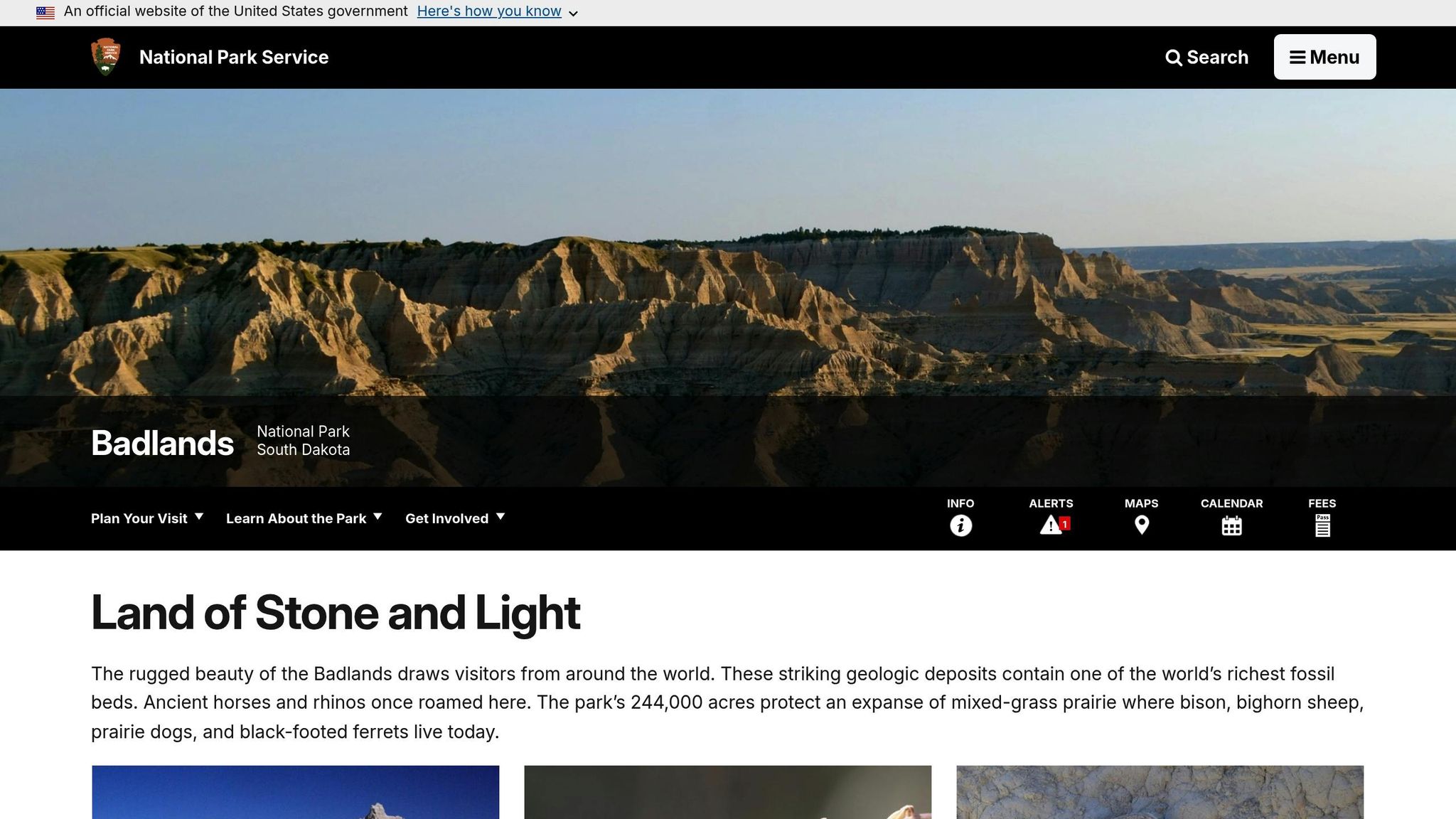
Located in South Dakota, Badlands National Park is famous for its striking landscape, featuring layered rock formations, deep canyons, and sweeping mixed-grass prairies. Despite its dry conditions, the park’s unique geology creates small, specialized habitats that support a surprising variety of prairie-adapted wildlife. Rocky outcrops provide hidden refuges, while the open grasslands serve as a stage for the diverse animal life that thrives here. The interplay between these landforms not only shapes the scenery but also sets the stage for incredible wildlife encounters.
Species and Habitats
The park’s unusual terrain gives rise to habitats that stand apart from the forested or mountainous ecosystems found in other regions. On the open prairie, native species have adapted to thrive in an environment that demands resilience and resourcefulness. These animals have carved out a way of life in a landscape where survival is an art form.
Wildlife Viewing Opportunities
With its wide-open spaces and unobstructed views, Badlands National Park offers fantastic opportunities for spotting wildlife. Early mornings and late afternoons are prime times to see animals in action, as they take advantage of cooler temperatures. Visitors are reminded to keep a respectful distance to ensure the safety of both themselves and the wildlife.
For photographers and nature lovers, the park’s prairie ecosystem offers unforgettable moments against a timeless backdrop. If you’re planning a visit or want to learn more about the park’s wildlife, check out The National Park Guide at https://thenationalparkguide.com.
10. Yellowstone National Park
Wildlife Diversity
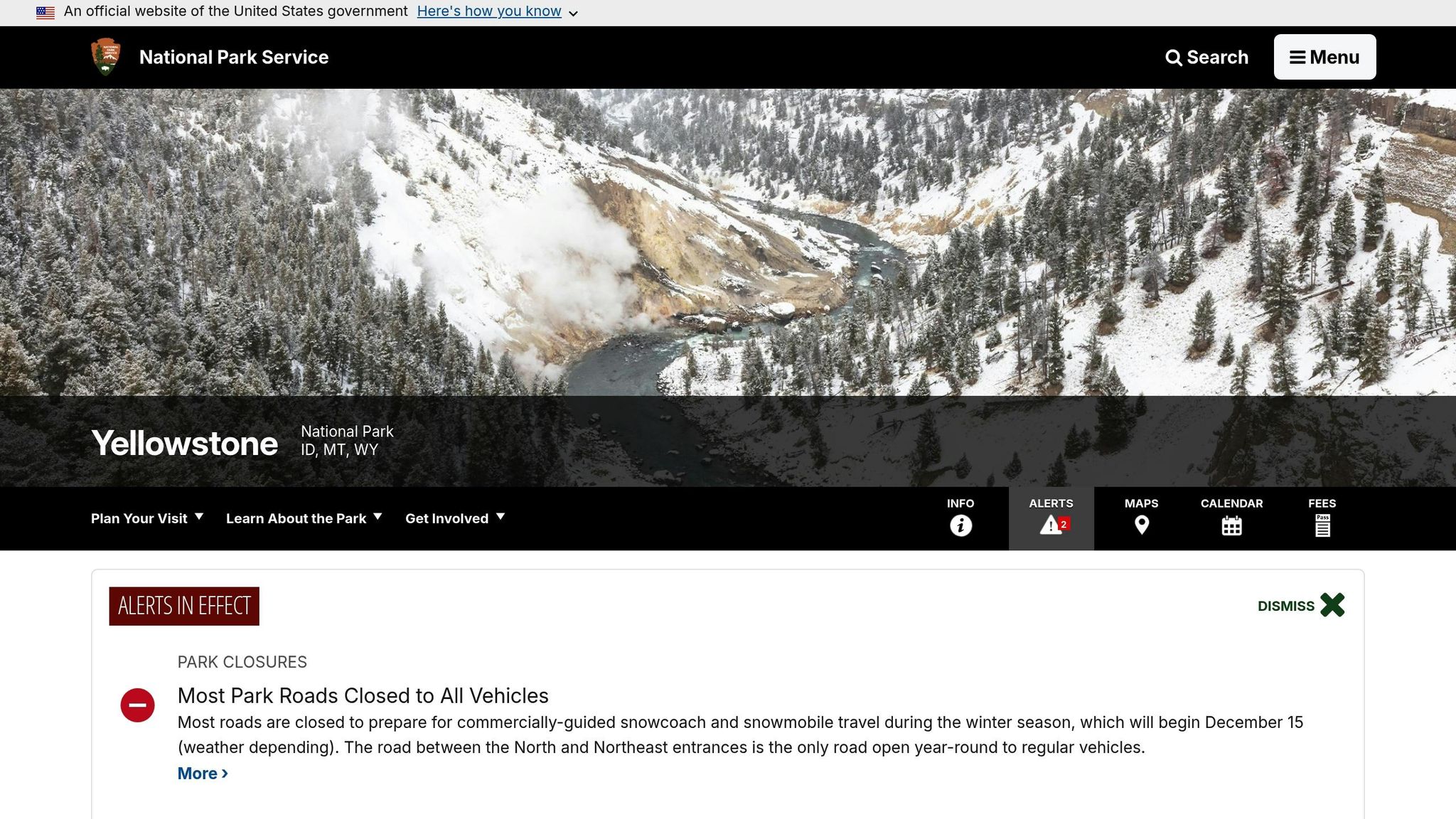
Yellowstone National Park, located mostly in Wyoming, stands out for its breathtaking landscapes and incredible wildlife encounters. It’s one of the few places in the U.S. where you can find a high concentration of large predators like gray wolves, grizzly bears, and black bears living in their natural habitats. The park’s ecosystems are incredibly varied, featuring geothermal features, forests, grasslands, and river valleys, all of which support a wide range of species.
The geothermal areas play a unique role in shaping wildlife behavior. Hot springs, geysers, and other thermal features create warm microclimates, which become vital for wildlife during the harsh winter months. These areas often attract animals seeking warmth and food, creating excellent opportunities for wildlife viewing.
Species and Habitats
The reintroduction of gray wolves in the mid-1990s was a game-changer for Yellowstone’s ecosystem. This conservation effort reestablished natural predator-prey dynamics, benefiting the entire park. Wolves now roam the valleys and forests, and during winter, they are often seen near geothermal areas, drawn by prey that gathers there for warmth.
Black bears are another highlight of Yellowstone’s wildlife. These adaptable creatures thrive across different habitats, from dense forests to the edges of open meadows. In the grasslands and meadows, bison herds dominate the scene, offering a glimpse into what the American West might have looked like centuries ago.
Yellowstone’s varied elevation creates distinct habitats for its wildlife. Lower valleys serve as grazing grounds for herbivores like elk and bison, while higher elevations provide shelter for species that prefer cooler conditions.
Wildlife Viewing Opportunities
Yellowstone’s open meadows and valleys make it easy to spot animals safely from a distance. One of the best spots for wildlife watching is the Lamar Valley, often referred to as the "Serengeti of North America." Here, visitors can observe large mammals in their natural environment. Early mornings and late evenings are prime times for wildlife activity, as animals take advantage of cooler temperatures to forage and move around.
Spring and fall are particularly rewarding for wildlife enthusiasts. In spring, animals emerge to raise their young, while fall sees them gathering in lower elevations to prepare for winter. Summer offers plenty of sightings too, though animals may be more spread out thanks to abundant food. Winter brings a unique experience, with animals standing out against the snowy backdrop, though some areas of the park may be harder to access.
To make the most of your visit, bring binoculars or a telephoto lens for better views. Checking ranger updates before heading out can also help you plan the best routes for spotting wildlife.
For detailed planning tips and more insights on Yellowstone, visit The National Park Guide at https://thenationalparkguide.com.
Top 10 BEST U.S. National Parks For Wildlife
Conclusion
America’s national parks are havens for an incredible variety of wildlife, each thriving within its own unique ecosystem. From majestic birds soaring overhead to elusive amphibians hidden in wetlands, these parks offer unforgettable encounters shaped by their diverse landscapes. Stretching across deserts, temperate rainforests, subtropical wetlands, and the rugged Rocky Mountains, these protected areas create vital habitats for species like the California condor and the Florida panther.
Beyond the breathtaking scenery, these parks showcase the success of conservation efforts. Programs like those for the California condor and the Channel Islands fox highlight how dedicated work can save species on the brink of extinction. These parks act as living laboratories, where ongoing research helps protect vulnerable animals and their habitats.
If wildlife is your focus, choosing the right park and season is key. Whether you’re interested in spotting rare birds, observing large mammals, or exploring amphibian habitats, there’s a park that aligns with your interests. The National Park Guide provides detailed resources to help you plan your trip, including guides, maps, and expert advice. Tools like the Custom Trip Planner, Weather Checker, and Trail Finder make it easy to create an itinerary tailored to your adventure.
Every visit to these parks contributes to vital conservation and research. Watching bison roam in Badlands, spotting manatees in the Everglades, or tracking wolves in Yellowstone – each experience is a testament to the importance of preserving these lands. By exploring these parks, you’re playing a role in protecting America’s remarkable wildlife. Ready to start your journey? Visit The National Park Guide for everything you need to plan your adventure.
FAQs
When is the best time to visit these national parks for wildlife viewing?
The ideal time to visit national parks for wildlife viewing largely depends on the park itself and the animals you’re hoping to spot. In general, spring and early summer are prime seasons, as many animals are more active during this time. Fall can also be a great choice, particularly during migration periods or when animals are busy preparing for winter.
When it comes to the best time of day, early mornings and evenings tend to offer the most activity. Cooler hours often bring animals out, making these times perfect for observing them in their natural habitats. To make the most of your visit, check with the park’s visitor center or review their guidelines for seasonal tips and advice specific to the area you’re exploring.
How do national parks help protect endangered species through conservation efforts?
National parks are essential in safeguarding endangered species by maintaining their natural habitats and running focused conservation efforts. These protected areas offer a sanctuary where wildlife can live and grow without facing threats like habitat destruction, pollution, or poaching.
Efforts such as habitat restoration, species tracking, and educational outreach play a key role in helping vulnerable animal populations recover. Many parks also partner with researchers and conservation groups to secure lasting protection for these species, ensuring biodiversity and ecological balance are preserved.
What safety tips should visitors follow when watching wildlife in national parks?
When you’re enjoying wildlife in national parks, it’s crucial to keep a safe distance – for your safety and theirs. Use tools like binoculars or a zoom lens to get a closer look, rather than moving closer to the animals. And remember: never feed the wildlife. It can harm their health and interfere with their natural instincts.
Stay alert and follow all park rules, including signs and instructions from rangers. Stick to marked trails, and try to avoid sudden movements or loud noises that might alarm the animals. If you’re in bear territory, make sure to carry bear spray and know how to use it properly. Responsible actions not only protect you but also help preserve the natural behavior and well-being of the wildlife.