
America’s national parks are under threat from climate change, and the iconic features that define these landscapes are changing fast. Glaciers are melting, ancient forests face severe wildfires, coral reefs are bleaching, and rising sea levels are eroding coastlines. These changes not only disrupt ecosystems but also impact local economies and communities that rely on the parks.
Key takeaways:
- Glaciers: Rapid retreat reduces water supplies and alters ecosystems.
- Forests: Wildfires and pests are killing ancient trees like sequoias.
- Coastal areas: Rising seas and storms damage habitats and infrastructure.
- Coral reefs: Warmer oceans cause bleaching, threatening marine life.
- Species: Many animals and plants struggle to survive as habitats shift.
Parks are responding with strategies like prescribed burns, species relocation, infrastructure upgrades, and coral restoration. However, the long-term survival of these natural treasures depends on global efforts to reduce greenhouse gas emissions. Immediate action is needed to ensure these landscapes endure for future generations.
US national parks in crisis as climate change threatens iconic natural features | AFP
Climate Threats to Park Features
The landscapes of America’s national parks, shaped over centuries, are facing immediate challenges from climate change. These challenges are not only altering the parks’ iconic features but also threatening the delicate ecosystems within them.
Melting Glaciers and Declining Snowfall
Glacier National Park, once home to dozens of glaciers, now has only a handful left, and these are shrinking rapidly. As glaciers disappear, the timing and volume of water flowing into rivers and streams are disrupted, impacting aquatic habitats and downstream ecosystems.
Similarly, less snowfall is creating additional stress. In Mount Rainier National Park, reduced snowpack affects the water supply for wildflower meadows and other ecosystems. It also increases hazards like unstable ice and rockfalls, posing risks to visitors.
Rising Seas and Coastal Erosion
Coastal parks are increasingly vulnerable to rising sea levels and stronger storms, which lead to flooding and the erosion of barrier islands. These islands act as natural shields, and their loss exposes critical nesting sites for seabirds and sea turtles. Saltwater intrusion from storm surges further harms freshwater habitats, damaging vegetation and altering the landscape. Older infrastructure, such as roads, visitor centers, and campgrounds, faces growing risks of flooding, highlighting the urgent need for climate-adapted upgrades.
Wildfires and Changing Forests
Wildfires in national parks have become more intense and frequent, with fire seasons now lasting much longer than in the past. Higher temperatures dry out vegetation earlier, creating conditions for faster-spreading and more destructive fires. These fires not only damage forests but also scorch the soil, making it harder for fire-adapted species to recover. Tree mortality is worsened by pest outbreaks, like those caused by bark beetles, which further fuel wildfires. Smoke from these fires can also harm air quality, forcing park closures and disrupting visitor experiences.
Loss of Species and Habitats
Many species are struggling to adapt as their habitats shift with rising temperatures. High-elevation species, such as mountain goats, pikas, and alpine plants, are being pushed to higher altitudes, where they eventually run out of suitable habitat. In marine environments, coral reefs are increasingly at risk; even slight temperature increases can cause bleaching events that threaten these ecosystems. Shifts in seasonal patterns are also creating mismatches between species and their food sources, disrupting the balance of park ecosystems. At the same time, invasive species are finding new opportunities to thrive, further altering these cherished landscapes in ways that may feel unfamiliar to longtime visitors.
Park Case Studies: Climate Change Effects
The effects of climate change are vividly evident in national parks across the United States. Each park faces its own set of challenges, shaped by rising temperatures, shifting rainfall patterns, and extreme weather. These examples highlight how these changes are reshaping some of the most iconic landscapes in the country.
Glacier National Park: Melting Glaciers
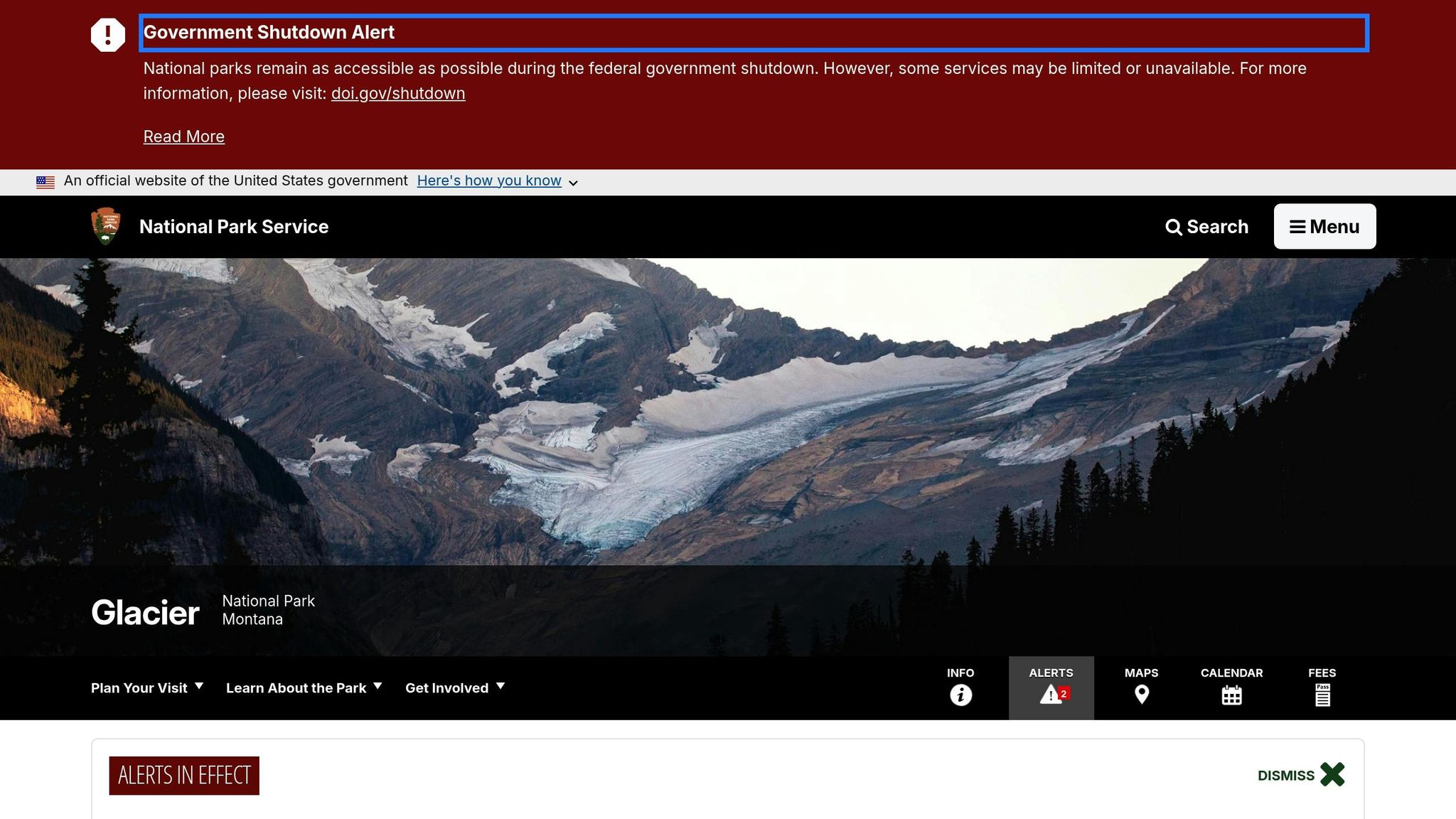
In Montana’s Glacier National Park, the retreat of glaciers has been dramatic over the last century. This loss has disrupted the park’s alpine ecosystems, as the shrinking ice impacts seasonal water flows that are vital for native aquatic species. Beyond the ecological effects, the park’s breathtaking scenery is also being altered, highlighting the broader consequences of a warming climate.
Sequoia National Park: Threatened Giants
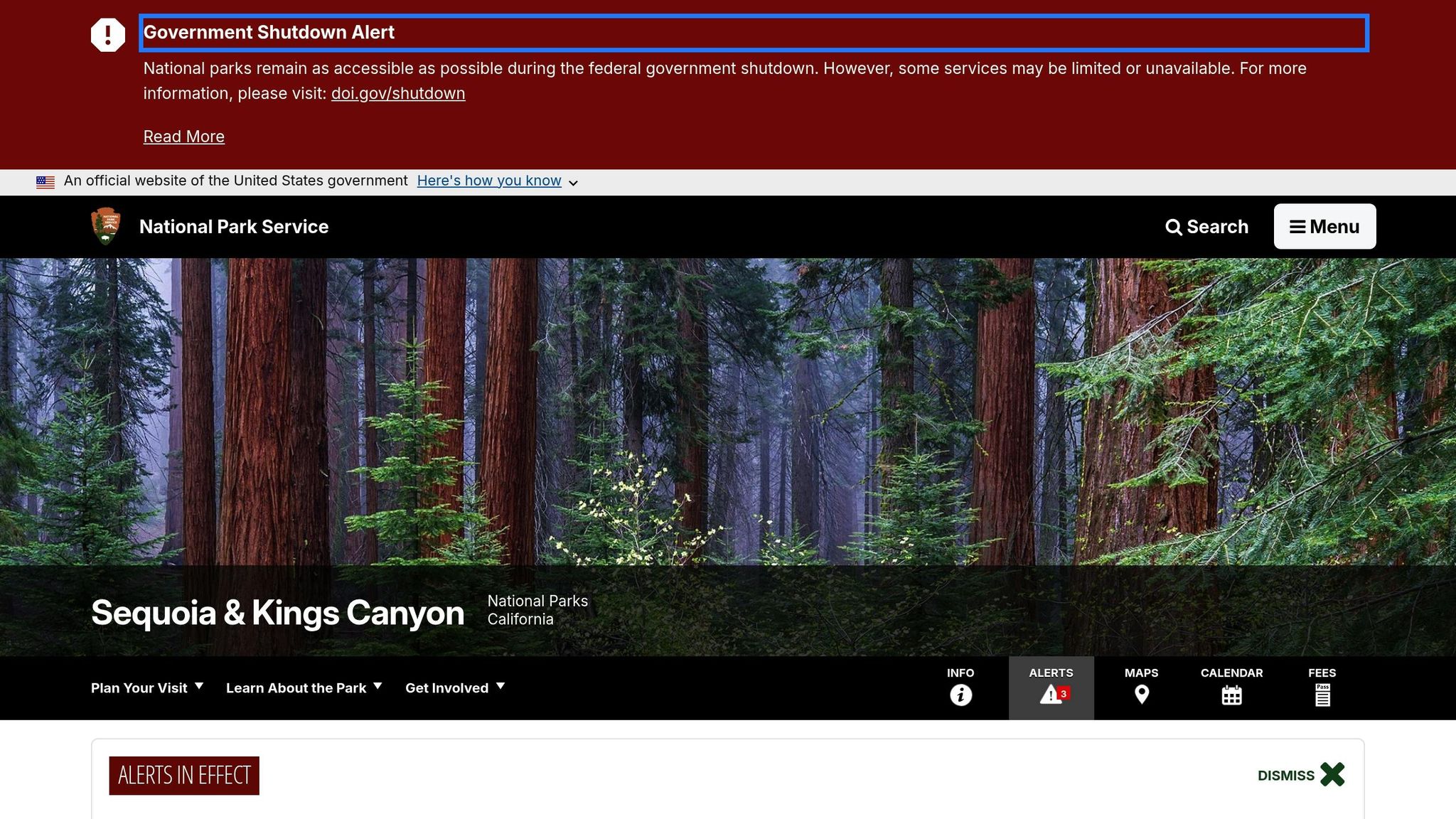
California’s Sequoia National Park is home to the awe-inspiring giant sequoias, but these ancient trees are under increasing threat. Rising temperatures and extended fire seasons have led to more intense wildfires, putting both mature trees and new saplings at risk. While controlled burns are used to clear undergrowth and support regeneration, the unprecedented severity of recent fires poses new hurdles for protecting these towering symbols of resilience.
Everglades National Park: Encroaching Seas

Florida’s Everglades National Park is grappling with the dual challenges of rising sea levels and changing precipitation patterns. Saltwater is intruding into freshwater marshes, altering the iconic sawgrass habitats and upsetting the delicate ecosystems that sustain a wide variety of wildlife. Elevated tree islands, critical nesting sites for many bird species, are also being affected, disrupting breeding and feeding cycles.
Biscayne and Virgin Islands National Parks: Coral in Crisis
Marine parks like Biscayne and Virgin Islands are feeling the effects of warming oceans, particularly through coral bleaching events. These events weaken coral populations, diminishing the stunning underwater landscapes and reducing the reefs’ ability to protect shorelines from storm surges. With bleaching becoming more frequent, the ecological and economic benefits these reefs provide are increasingly in jeopardy.
sbb-itb-00512f3
Protection and Adaptation Methods
National parks are stepping up with targeted strategies to shield their iconic landscapes from the growing impacts of climate change. By blending traditional conservation methods with newer, adaptive techniques, these efforts aim to create robust systems that safeguard some of America’s most cherished natural spaces.
Protecting Vulnerable Ecosystems
Park managers are focusing on climate refugia – areas with stable microclimates that can serve as safe havens for species under threat. These refuges are often located on north-facing slopes, higher elevations, or near reliable water sources, giving species a chance to adjust gradually rather than face abrupt habitat loss.
Fire management programs have also evolved significantly. Instead of solely suppressing wildfires, parks now use prescribed burns and fuel reduction projects. By conducting controlled burns under safe conditions, they reduce the risk of devastating wildfires while maintaining the natural fire cycles that many ecosystems rely on.
Another approach, assisted migration, involves relocating species to habitats better suited to their needs as temperatures rise. For example, species may be moved to higher elevations or northern areas within park boundaries. This method requires careful genetic testing and habitat analysis to ensure the species can thrive in their new environment.
To preserve plant diversity, seed banking initiatives collect and store seeds from native plants. These seeds act as a backup, allowing park managers to reintroduce species if climate stress causes local populations to decline or disappear entirely.
Building Resilient Infrastructure
Parks are also upgrading their infrastructure to handle extreme weather and shifting environmental conditions. For instance, elevated boardwalks and viewing platforms are replacing ground-level structures in flood-prone areas. These elevated designs let visitors enjoy sensitive ecosystems without causing harm, even during high-water periods.
Improved water management systems are being installed to ensure reliable water supplies. These include extra storage facilities, better distribution networks, and backup sources to support both wildlife and visitors during prolonged droughts, all while avoiding overuse of natural water sources.
To combat rising temperatures, climate-controlled visitor centers now serve as cool refuges during heat waves. These centers are also educational hubs, showcasing climate adaptation efforts. Many incorporate energy-efficient cooling systems, solar panels, and rainwater collection to reduce their environmental impact.
Flexible trail systems are another key upgrade. These allow park staff to redirect visitors away from sensitive areas during critical times, using temporary trail closures and alternative routes to protect fragile habitats.
At the same time, restoring damaged ecosystems remains a priority.
Restoring Damaged Habitats
In marine parks, coral restoration programs are helping rebuild damaged reefs. Scientists cultivate heat-resistant corals, often selecting specimens that have survived past bleaching events. These corals are then bred and transplanted to create stronger, more resilient reef populations. Constant monitoring of water temperature, acidity, and coral health is essential for these efforts.
On land, forest restoration projects focus on areas damaged by wildfires. Park botanists use a mix of natural regeneration and replanting, choosing tree species that have already adapted to warmer, drier conditions. This increases the chances of long-term forest survival under changing climate conditions.
Wetland reconstruction aims to restore natural water flow and remove invasive species that thrive in altered conditions. This often involves dismantling old drainage systems, rebuilding natural barriers, and reintroducing native plants that can endure both floods and droughts.
Finally, invasive species control programs are being ramped up as climate change enables non-native plants and animals to spread into new areas. Park teams use targeted removal and biological controls to prevent invasives from overtaking native ecosystems. These programs require constant vigilance and quick action to stop new invasions before they take hold.
Future Predictions and Research Needs
The future of America’s national parks hinges on how we address today’s climate challenges. Scientific forecasts and gaps in current research will play a pivotal role in shaping strategies to protect these cherished landscapes.
What to Expect by 2050 and Beyond
Climate models paint a sobering picture for the decades ahead. Temperatures are expected to climb significantly, with high-elevation areas seeing even sharper increases. This warming trend threatens to reshape many iconic park environments.
Glaciers, a hallmark of parks like Glacier National Park and Mount Rainier, are projected to shrink dramatically. As they retreat, once-majestic icy landscapes could give way to barren rock, disrupting alpine ecosystems in the process.
Unpredictable precipitation patterns will strain water systems, leading to cycles of drought and flooding. Meanwhile, wildfire seasons are expected to grow longer and more severe, making forest recovery increasingly difficult.
Species will migrate at accelerated rates, challenging parks to sustain their biodiversity. Coastal parks, such as the Everglades, Acadia, and Olympic, face the looming threat of rising sea levels, which could submerge low-lying areas and drastically alter their landscapes.
These challenges underscore the pressing need for targeted research and consistent monitoring efforts.
Key Research and Monitoring Areas
Advancing research and monitoring will be critical for helping parks adapt to the changing climate. Here are some key areas of focus:
- Real-time data systems: Sensor networks now provide up-to-the-minute information, aiding decisions on trail closures, controlled burns, and species protection efforts.
- Genetic studies: Research into species’ genetic resilience helps identify those better equipped to withstand climate stress. This knowledge informs conservation strategies like selective breeding and relocation to strengthen ecosystems.
- Visitor behavior analysis: Understanding how extreme weather – like heat waves, wildfire smoke, or storms – affects park attendance helps managers prepare for fluctuating visitation and maintain safety during emergencies.
- Carbon sequestration research: Studies on how park ecosystems store carbon are crucial for guiding management decisions. These insights can help parks play a bigger role in mitigating climate change.
- Ecological tipping points: Identifying thresholds where environmental changes become irreversible is vital for prioritizing conservation measures and resource allocation.
- Cross-boundary studies: Since many species move beyond park borders, research on regional climate impacts is essential for crafting broader conservation strategies.
Why Global Action Matters
While local research and adaptation are essential, tackling climate change on a global scale is equally critical. Cutting greenhouse gas emissions worldwide is the only way to address the root cause of these challenges.
International collaboration in climate research can greatly benefit park conservation. By sharing data on species adaptation, ecosystem monitoring, and resource management, parks around the world can better prepare for the challenges ahead.
Economic factors also highlight the urgency of global action. The costs of adapting infrastructure, restoring ecosystems, and managing emergency responses could skyrocket without proactive measures. Reducing emissions now can help offset these future expenses.
Delays in action risk pushing parks into a cycle of constant crisis management, leaving little room for proactive conservation. While technological advancements in monitoring and restoration are valuable, they must be paired with aggressive global efforts to cut emissions. Only then can we hope to preserve the natural beauty and ecological richness that make national parks irreplaceable treasures.
Conclusion: Saving National Parks for the Future
America’s national parks are at a turning point. The signs are undeniable: climate change is reshaping the landscapes that have inspired generations. From glaciers retreating faster than ever to coral reefs losing their vibrant colors, the natural wonders we cherish are under threat.
To protect these treasures, swift and strategic action is essential. Parks are already taking steps, like relocating vulnerable species and designing facilities to withstand changing conditions. But time is of the essence – delays only make restoration harder, more expensive, and, in some cases, impossible as we approach critical tipping points by 2050.
Preserving our parks requires teamwork on all fronts. Park managers, scientists, policymakers, and everyday citizens must work together. Local conservation efforts need to align with global strategies to reduce emissions – the root cause of the climate challenges our parks face. Without this dual effort, parks will be stuck in a constant cycle of damage control, reacting to one crisis after another instead of preventing them.
The importance of these parks goes far beyond their beauty. They serve as wildlife sanctuaries, natural research hubs, and irreplaceable pieces of America’s heritage. The decisions we make today will directly influence what these parks look like for future generations.
Visitors have a role to play, too. By exploring these parks responsibly and supporting conservation efforts, they contribute to their preservation. Resources like The National Park Guide can help visitors plan trips that respect and celebrate these evolving landscapes. The future of our national parks is in our hands – it will be shaped by the choices we make and the actions we take to protect these irreplaceable treasures.
FAQs
What steps are national parks taking to prepare their infrastructure for climate change?
National parks are stepping up their efforts to prepare for the challenges brought on by climate change. They’re using tools like scenario-based planning to navigate uncertainties, conducting vulnerability assessments to pinpoint areas most at risk, and focusing on projects that build resilience – particularly in vulnerable coastal regions.
In early 2024, a $195 million funding boost was announced to support these initiatives. The funds are being directed toward protecting critical infrastructure, restoring ecosystems, and equipping parks to better handle extreme weather, rising temperatures, and other climate-related challenges. The goal? To keep parks safe, functional, and welcoming for generations to come.
What actions are being taken to protect and restore coral reefs in marine national parks?
Efforts to safeguard and revive coral reefs within marine national parks revolve around a few core strategies. These include creating conservation plans that account for climate challenges, launching large-scale coral restoration projects, and establishing marine protected areas to restrict harmful activities.
Scientists are also identifying coral species that show natural resilience to climate change, using this information to steer restoration efforts. Partnerships between researchers, conservationists, and local communities are equally crucial in ensuring these ecosystems are preserved for generations to come.
What can visitors do to help protect national parks from the impacts of climate change?
National parks rely on visitors to help shield them from the growing challenges of climate change. You can contribute by donating to conservation efforts, volunteering in restoration projects, or joining sustainability programs organized by the parks. Even simple steps, like sticking to marked trails, minimizing waste, and giving wildlife the space they need, go a long way in protecting these delicate environments.
Taking the time to learn about climate change and its effects on national parks can make your efforts even more impactful. By embracing sustainable tourism and sharing what you’ve learned with others, you’re playing a part in preserving these natural wonders for generations to come.