
Utah’s Mighty Five national parks – Zion, Bryce Canyon, Capitol Reef, Arches, and Canyonlands – offer stunning landscapes and family-friendly adventures. This guide breaks down the best times to visit, budgeting tips, must-pack items, and a 7-day itinerary to help you plan a smooth and enjoyable trip. Here’s what you need to know:
- Best Time to Visit: Spring (April–May) and Fall (September–October) offer mild weather (60–80°F) and fewer crowds. Summer can be very hot, while winter requires extra planning due to snow in higher-elevation parks like Bryce Canyon.
- Budget Tips: Get the $80 America the Beautiful Pass for unlimited park access. Camping costs $20–$35 per night, while hotels near parks range from $150–$400 per night. Plan for higher gas prices and pack your own snacks to save on food.
- Packing Essentials: Bring layered clothing, sturdy hiking shoes, sun protection, plenty of water, and kid-friendly items like nature guides or carriers. Don’t forget first aid supplies and offline maps.
7-Day Family Itinerary
- Days 1–2 (Zion): Hike the Riverside Walk and Emerald Pools Trail. Explore nearby Springdale for dining and relaxation.
- Day 3 (Bryce Canyon): Walk the Queen’s Garden and Navajo Loop Trail or enjoy the scenic overlooks at Sunrise and Sunset Points.
- Day 4 (Capitol Reef): Drive the Scenic Route, visit the historic Fruita district, and stroll the Petroglyphs Trail.
- Days 5–6 (Arches & Canyonlands): Discover Delicate Arch and the Windows Trail in Arches. In Canyonlands, hike Mesa Arch and visit the Grand View Point Overlook.
- Day 7: Visit Goblin Valley State Park or Dead Horse Point before heading home.
With proper planning, Utah’s Mighty Five parks offer unforgettable experiences for families. From easy trails to stargazing and fruit-picking, there’s something for everyone. Pack well, stay safe, and enjoy the adventure!
How To Plan Your Utah’s Mighty 5 Trip! | Utah National Parks’ Complete Travel Guide
Planning Your Family Trip
Getting ready for a family adventure takes a bit of effort, but with some thoughtful preparation, you can ensure everyone has a great time while staying within your budget. Below, you’ll find tips on the best times to visit, budgeting strategies, and what to pack to make your trip smooth and enjoyable.
Best Time to Visit
If you’re planning to visit Utah’s national parks, spring (April–May) and fall (September–October) are excellent choices. During these months, daytime temperatures typically range from 60–80°F, making it comfortable for outdoor activities like hiking, even with kids. Plus, you’ll likely encounter fewer crowds compared to the busy summer months.
In the summer, lower-elevation parks like Zion can see temperatures soar past 100°F. To beat the heat, plan your hikes for early morning or late afternoon. On the other hand, higher-elevation parks like Bryce Canyon are usually 15–20°F cooler, offering some relief.
Winter trips are also an option but require extra planning. Snow can limit access to roads and trails, especially in Bryce Canyon, where elevations exceed 9,000 feet. However, if you’re up for the challenge, you’ll enjoy quieter trails and stunning snow-draped scenery.
Budget and Entrance Fees
For families visiting multiple parks, the America the Beautiful Annual National Parks Pass is a smart investment at $80. It covers entrance fees for all U.S. national parks, which can save you a good chunk of money compared to paying $15 to $30 per park for a seven-day vehicle pass. Since Utah has five national parks, this pass quickly pays for itself.
Accommodation costs will depend on your preferences. Camping in the parks is budget-friendly, with fees ranging from $20 to $35 per night. If you prefer hotels, expect to pay $150 to $400 per night in popular gateway towns like Springdale (near Zion) or Moab (near Arches), especially during peak season. Booking 3 to 6 months ahead can help you lock in better prices and availability.
Transportation is another key expense. Gas prices may be higher in these remote areas, so plan accordingly. Rental cars typically cost $40 to $80 per day, and you’ll need a dependable vehicle for the long drives between parks.
To manage food costs, consider packing lunches and snacks. While grocery stores in gateway towns are convenient, they tend to be pricier than those in urban areas. If you plan to eat out, budget around $60 to $100 per day for a family of four.
What to Pack for Families
Packing smart can make all the difference on a family trip. Here’s what you’ll need:
- Clothing: Layered outfits are essential, including moisture-wicking shirts, warm fleece or jackets, and rain gear to handle changing weather conditions.
- Sun Protection: The desert sun is intense, so pack wide-brimmed hats, sunglasses, and SPF 30+ sunscreen to protect everyone’s skin.
- Hiking Gear: Sturdy, broken-in hiking boots or shoes with good traction are a must. Carry plenty of water – at least one gallon per person per day in warmer months – and use a lightweight daypack to distribute snacks, first aid supplies, and extra clothing layers.
- Kid-Friendly Items: Keep younger travelers engaged with a wagon, carrier, or simple nature guides.
- Essentials: Bring any necessary prescription medications, as pharmacies can be scarce near the parks. Don’t forget portable chargers, physical maps, and updated travel documents like your driver’s license and vehicle registration.
Utah’s Mighty Five Parks
Exploring Utah’s Mighty Five National Parks offers something for everyone, from toddlers to grandparents. Here’s a closer look at what makes each park special and the adventures they offer.
Zion National Park
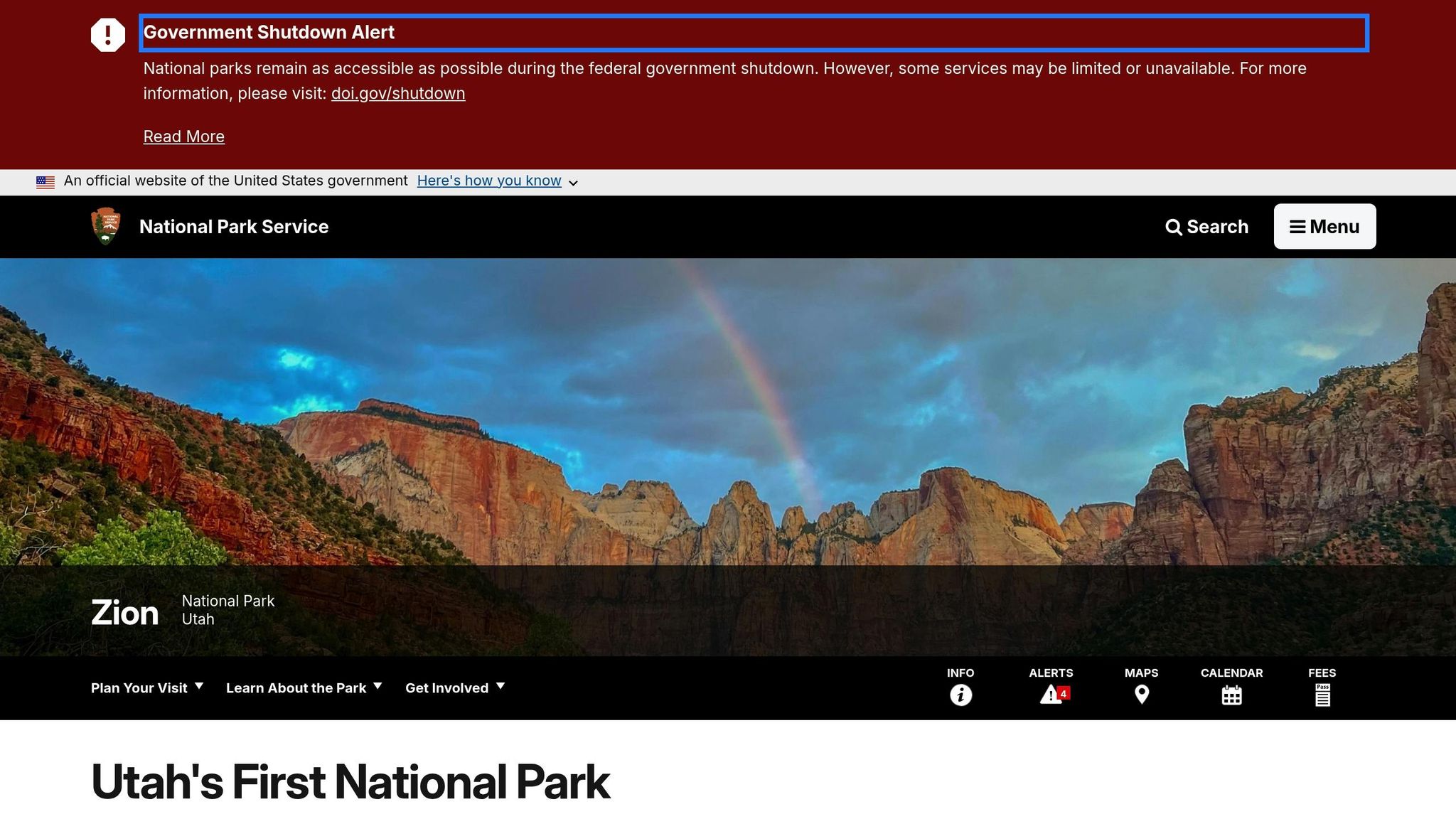
Zion is known for its towering red cliffs and the Virgin River, creating a breathtaking setting for exploration. For families with young kids, the Riverside Walk is ideal. This paved, 2.2-mile round-trip trail follows the river and ends at the entrance to the Narrows. Even if you don’t venture into the slot canyon, kids will love splashing in the water and spotting wildlife.
For older kids and adventurous swimmers, the Narrows is an unforgettable experience. Walking through the Virgin River, surrounded by 1,000-foot canyon walls, is awe-inspiring. The water typically ranges from knee to waist-deep, and most families turn back after the first mile, which still offers incredible views without requiring advanced hiking skills.
The Emerald Pools Trail provides options for all energy levels. The lower trail is an easy 1.2-mile round-trip to a waterfall and pool. The middle trail adds more waterfall views, while the upper trail involves a steeper climb to a secluded swimming hole.
Weeping Rock is perfect for small children. This short, 0.4-mile round-trip trail leads to a sandstone alcove where water seeps through the rock, creating a natural shower and a lush hanging garden. The paved but steep path is manageable for most kids.
From Zion’s river trails, the journey continues to the striking hoodoos of Bryce Canyon.
Bryce Canyon National Park
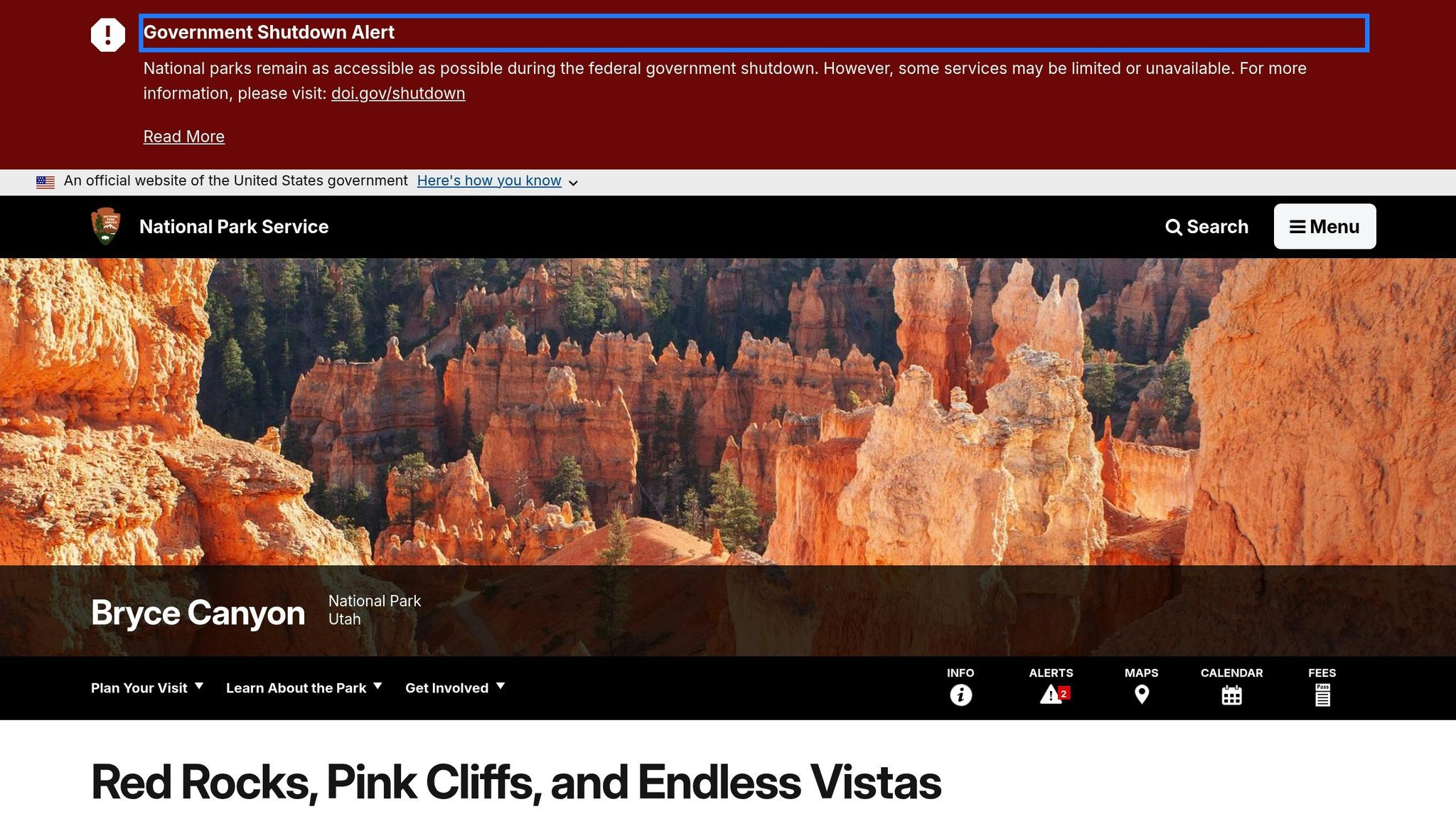
Bryce Canyon’s surreal landscape of hoodoos – red rock spires – captures the imagination of visitors of all ages. The Queen’s Garden and Navajo Loop Trail is a must-do hike that takes you down into the canyon for close-up views of these unique formations.
The Queen’s Garden Trail descends 320 feet over 0.9 miles with gentle switchbacks, making it manageable for most children. At the end, you’ll find a rock formation resembling Queen Victoria on her throne. From there, you can connect to the Navajo Loop Trail, which climbs back up through dramatic slot canyons and towering walls. If the full loop feels too challenging, simply return the way you came along the Queen’s Garden Trail.
For those who prefer to skip hiking, Sunset Point and Sunrise Point offer stunning views without the need for a trek. These overlooks are accessible by car or shuttle and are particularly magical during the golden hours when the hoodoos glow in the sunlight.
Bryce Canyon is also an International Dark Sky Park, making it a fantastic spot for stargazing. During summer, ranger-led astronomy programs with telescopes and constellation guides are available. Even on your own, the night sky here is dazzling, revealing thousands of stars.
Capitol Reef National Park
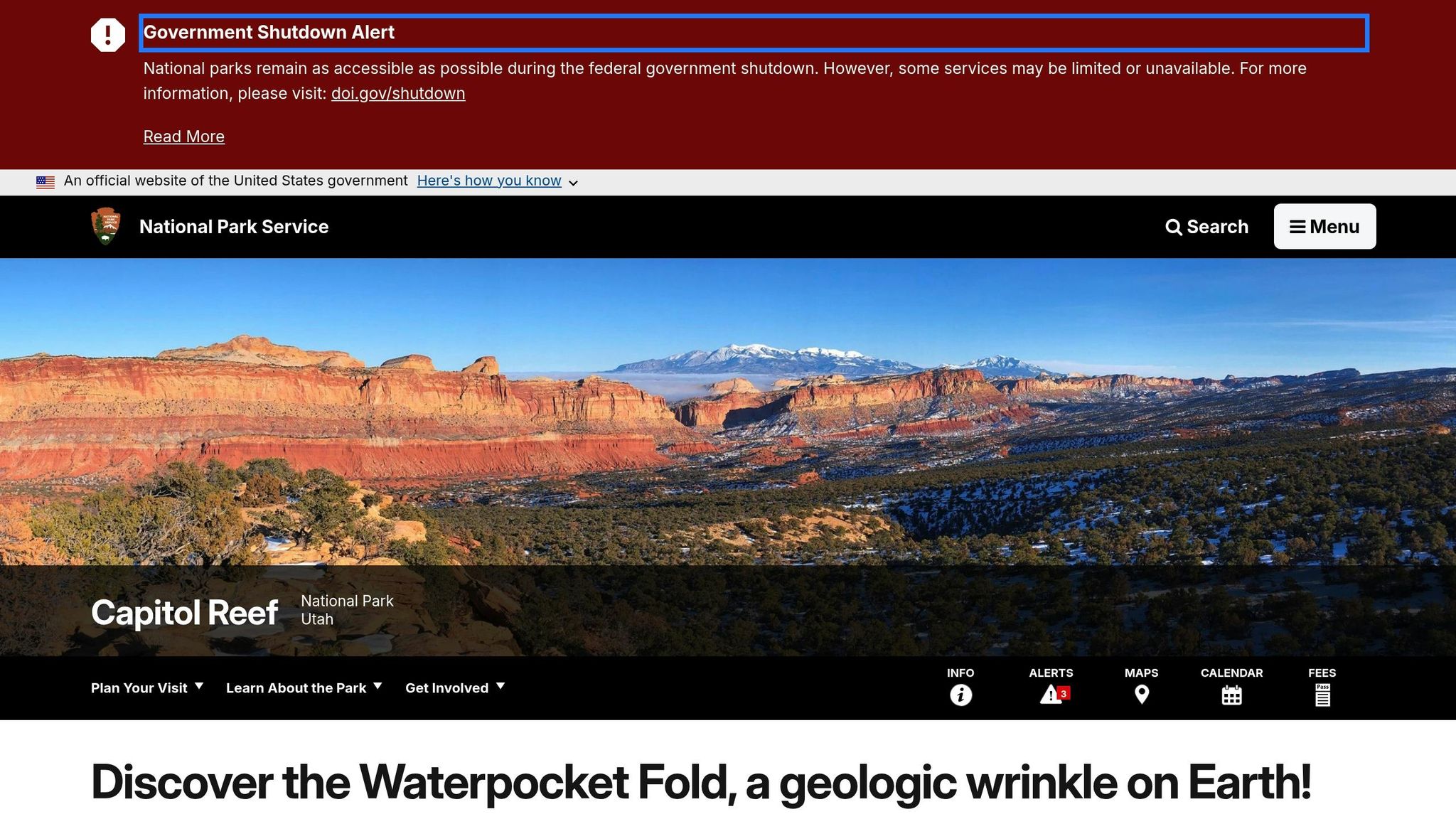
Capitol Reef offers a more relaxed pace, perfect for families. The Capitol Reef Scenic Drive is an 8-mile paved road showcasing the park’s dramatic rock formations. Along the way, you’ll find several short trails and historic sites to explore.
The Capitol Gorge Trail is a family favorite. This easy, 2-mile round-trip walk follows an old wagon road through a narrow canyon with 100-foot walls. Kids will enjoy finding the Pioneer Register, where travelers from the early 1900s carved their names into the rock. The trail is mostly flat and shaded, making it comfortable even in warmer months.
For a moderate hike, the Hickman Bridge Trail is a great choice. This 1.3-mile round-trip trail leads to a stunning 133-foot natural bridge. Along the way, you’ll pass ancient petroglyphs and pioneer-era structures that tell the story of the area.
The Fruita Historic District offers a glimpse into pioneer life. From June to October, you can pick apples, pears, and other fruits in the historic orchards for a small fee. Kids will enjoy exploring the restored schoolhouse, blacksmith shop, and other preserved buildings.
The Petroglyphs Trail is a short, flat 1.3-mile round-trip walk along the Fremont River, leading to ancient rock art created over 1,000 years ago. Interpretive signs along the trail provide fascinating insights into these historical treasures.
Arches National Park
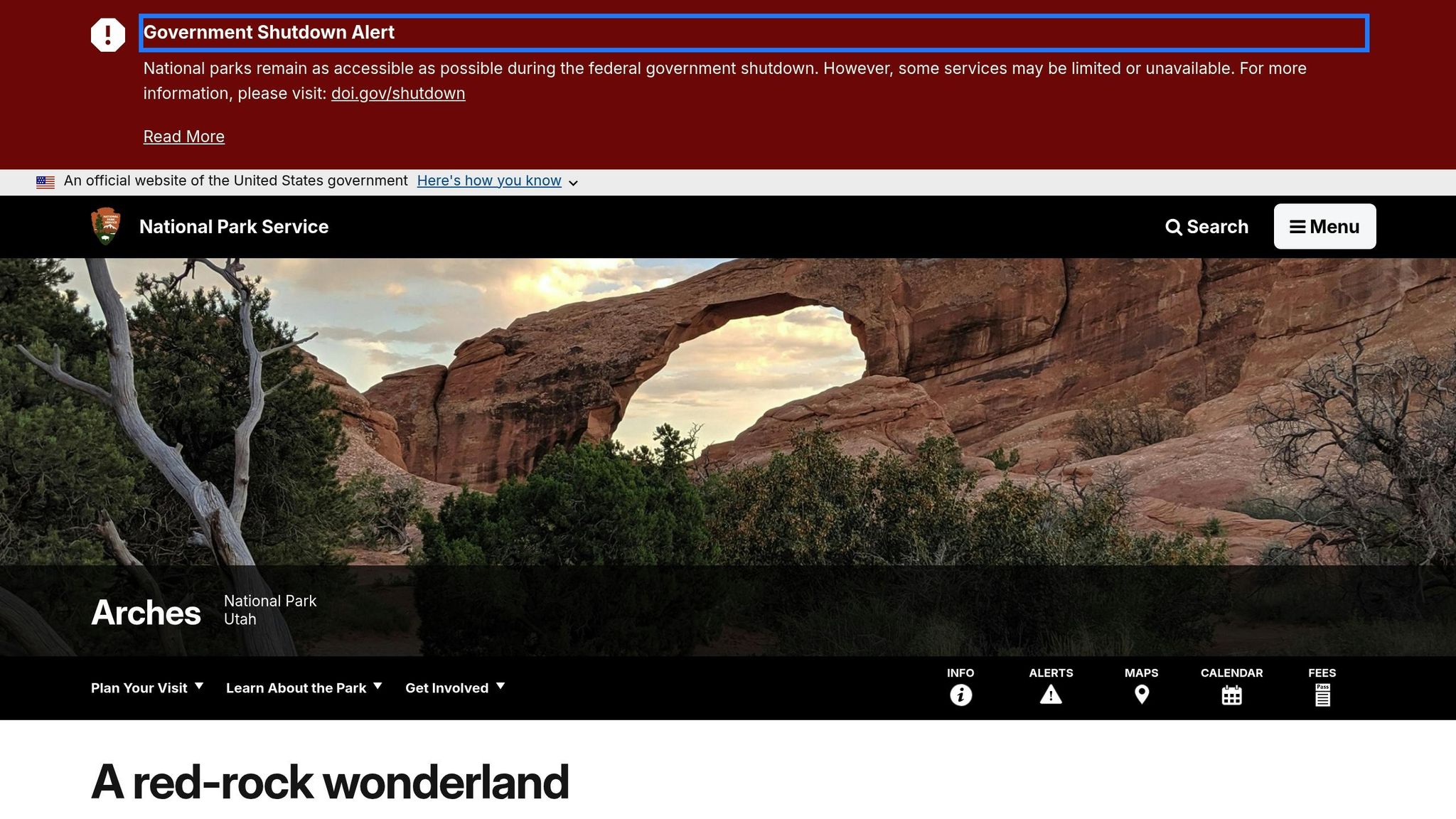
With over 2,000 natural stone arches, Arches National Park is a playground of dramatic rock formations. The iconic Delicate Arch is a must-see and even appears on Utah’s license plate. The hike to the arch is 3 miles round-trip with some steep sections, but children over 8 often manage it well. The final stretch includes a narrow ledge, but the view of the 65-foot-tall freestanding arch is worth every step.
For an easier outing, the Windows Trail is perfect. This 1-mile loop takes you to the North and South Windows and Turret Arch with minimal elevation gain. The wide, well-maintained trail is stroller-friendly, and kids love climbing through the arch openings.
Another family-friendly option is the Double Arch Trail. This short, 0.5-mile round-trip walk leads to the park’s tallest arch opening. The trail crosses sandy washes and slickrock, ending at a massive double-span arch. Kids often enjoy the echo effects created by the natural amphitheater.
For a quick stop, the Courthouse Towers Viewpoint offers stunning views of sandstone formations like Sheep Rock and the Tower of Babel. This roadside spot is excellent for photos and helps kids understand the forces of nature that shaped the landscape.
Canyonlands National Park
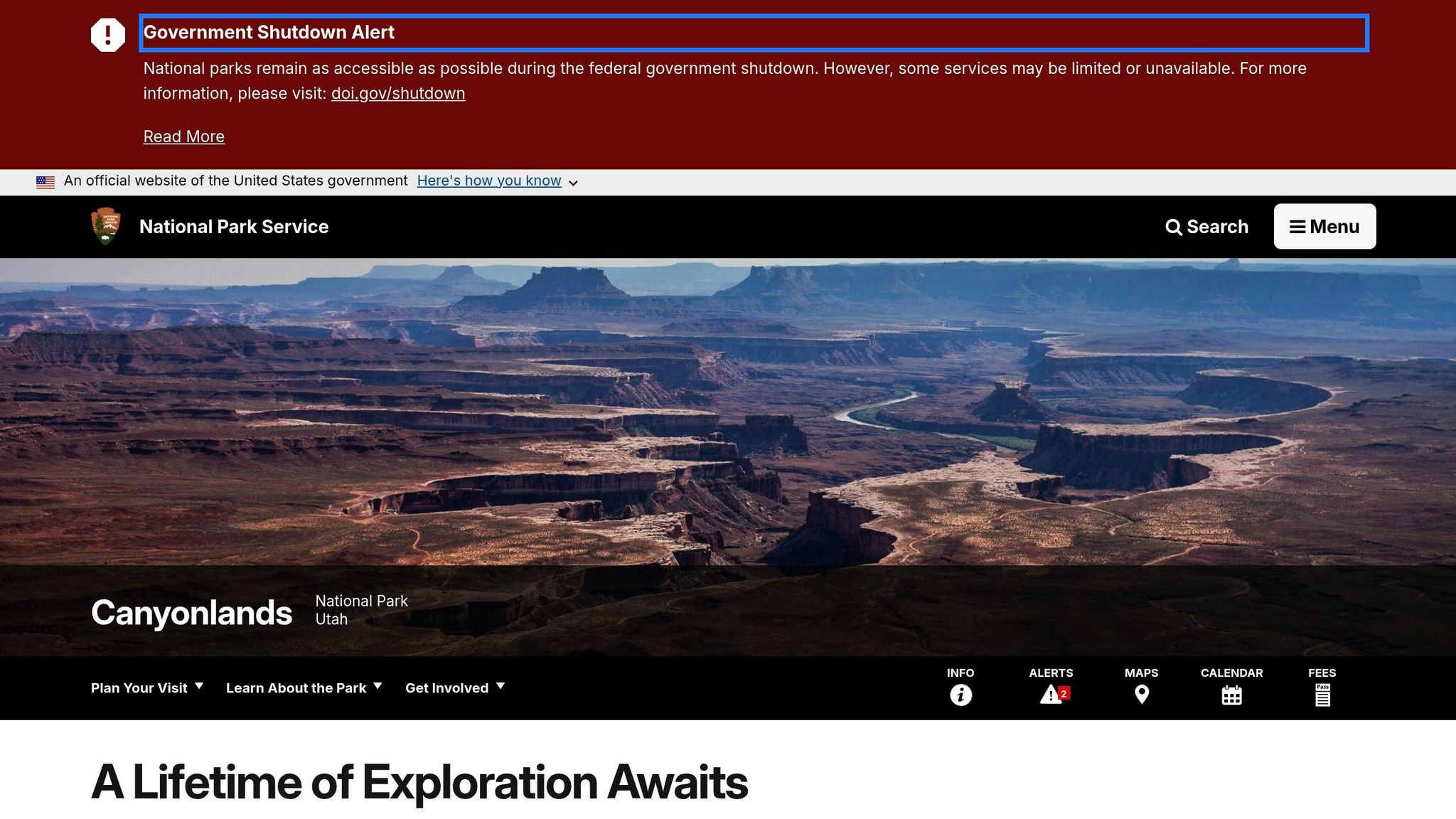
Canyonlands’ Island in the Sky district is the most accessible area of this vast park. The Mesa Arch trail is a favorite for families. This easy 0.5-mile loop leads to a natural window framing the distant La Sal Mountains. While it’s famous for sunrise photography, it’s a stunning spot any time of day.
The Grand View Point Overlook offers breathtaking views of the Colorado River and distant mountain ranges. The 2-mile round-trip walk is mostly flat and leads to panoramic viewpoints. Kids will enjoy using binoculars to spot river rafters far below.
For a more intriguing stop, the Upheaval Dome Overlook Trail provides views of a mysterious circular formation. The first overlook is 1.5 miles round-trip, with an option to extend to a second viewpoint. Scientists still debate whether the formation resulted from a meteorite impact or an underground salt dome, sparking curiosity in kids and adults alike.
Finally, the White Rim Road gives a taste of Canyonlands’ backcountry adventure. This 100-mile dirt road is popular with mountain bikers and off-roaders. While most families won’t tackle the full route, driving the first few miles provides access to scenic viewpoints and a sense of the park’s rugged beauty.
sbb-itb-00512f3
Family Travel Tips
Exploring Utah’s desert with kids requires thoughtful preparation. With a few practical strategies, you can make your family adventure safe, enjoyable, and unforgettable.
Kid-Friendly Hiking Trails
When picking trails, go for shorter routes with gentle slopes that are easy for kids to handle. Look for paths featuring fun natural elements like colorful rocks or wildlife to keep them engaged. Starting your hike early is a smart move – it helps you avoid the heat, dodge crowds, and keep everyone energized. Pack light snacks like trail mix, granola bars, or fruit, and turn the hike into a playful activity by spotting unique features along the way.
Tailor your plans to your children’s age and stamina. Younger kids might only be up for a short stroll, while older ones could enjoy a longer, scenic trail with breaks along the way. Set clear turnaround points on extended hikes to ensure everyone stays comfortable and happy.
After the hike, you can choose to camp under the stars or unwind at a nearby hotel or rental.
Camping vs. Hotels
Camping at national park campgrounds gives your family a chance to fully immerse in nature. Many campgrounds come equipped with basic amenities like restrooms and potable water, and they’re usually close to trails and scenic spots. Just remember to pack warm sleeping gear since desert nights can get chilly.
If you prefer more comfort, staying in a hotel or vacation rental nearby might be a better fit. Hotels offer climate control, hot showers, and easy meal options, while vacation rentals provide a home-like experience with kitchens and multiple bedrooms – perfect for families. Staying just outside the park can also mean more availability and potentially lower costs.
Safety and Preparation
Safety takes priority when venturing into the desert. Along with packing the right gear and managing your budget, focus on hydration, sun protection, and being ready for emergencies.
Drink water frequently, apply sunscreen, wear protective clothing, and seek shade during the hottest parts of the day. Stay away from narrow canyons during rainy weather to avoid flash floods, and secure food to keep it out of reach of wildlife. Always check the weather forecast before heading out, especially if storms are possible.
While wildlife encounters are rare, it’s important to observe animals from a safe distance and teach kids to respect their environment. Making noise while hiking can alert animals to your presence, helping avoid unwanted surprises.
Bring an emergency kit with essentials like first aid supplies, a whistle, a flashlight, and a fully charged phone with offline maps – cell service can be spotty in remote areas. Let someone know your route and estimated return time before you set out. Lastly, wear sturdy footwear with good traction to prevent slips or injuries. If you’re using new hiking boots, break them in ahead of time to avoid discomfort during your adventure.
7-Day Family Itinerary
This seven-day itinerary is designed to keep driving time short while giving your family plenty of time to explore and enjoy.
Day 1-2: Zion National Park
Kick things off at Zion National Park, where the family-friendly shuttle makes getting around a breeze. On your first day, take the Riverside Walk. This paved, 2.2-mile round-trip trail runs alongside the Virgin River, offering stunning canyon views and easy access for strollers.
On day two, head to the Emerald Pools Trail. The lower pool section is an easy and enjoyable walk, complete with a charming waterfall that kids will love. Feeling adventurous? Continue on to see more pools and take in additional scenic views. Stop by the visitor center to grab activity guides for the little ones. Wrap up your day with a relaxing stroll and dinner in the nearby town of Springdale.
Day 3: Bryce Canyon National Park
From Zion, make your way to Bryce Canyon National Park, known for its striking hoodoo formations. Be prepared for cooler temperatures due to the elevation change, so pack some layers. Spend the day exploring the Rim Trail, which offers mostly flat and paved paths with incredible views of the hoodoos. Sunrise Point and Sunset Point are must-visit overlooks, and a short walk on the Navajo Loop Trail brings you closer to the unique rock formations. Don’t miss the visitor center, which has educational exhibits and junior ranger activities to keep kids entertained.
Day 4: Capitol Reef National Park
Next, head east to Capitol Reef National Park for a more laid-back day. The historic Fruita area is a highlight, especially if you visit during fruit-picking season and can gather some fresh produce from the park’s orchards. Stop by the Capitol Reef Visitor Center for information and take a walk along the Petroglyphs Trail. This easy path showcases ancient rock art and is perfect for families. For a broader view of the park’s stunning red rock scenery, take the Scenic Drive, which lets you enjoy the sights from the comfort of your car.
Day 5-6: Arches and Canyonlands National Parks
Set up your base in Moab for two nights, giving you easy access to both Arches and Canyonlands National Parks.
On day five, explore Arches National Park. Start your morning at the Delicate Arch Viewpoint with a short 0.5-mile paved walk. If you’re up for more, take the full Delicate Arch Trail for breathtaking slickrock views. Don’t miss the Windows Section, where you can snap family photos at Balanced Rock and Courthouse Towers Viewpoint.
Day six is all about Canyonlands National Park’s Island in the Sky district. Begin with the Mesa Arch Trail, a 0.5-mile round-trip hike that leads to one of the park’s most iconic arches. Next, head to Grand View Point Overlook for sweeping canyon views. Wrap up your day at Upheaval Dome, where accessible viewpoints offer fascinating glimpses of this geological mystery – believed to be caused by either a meteor impact or underground salt movement.
Day 7: Extra Activities and Departure
Use your final day to squeeze in one more adventure. Goblin Valley State Park is a great option, with its whimsical, mushroom-shaped rock formations that are a hit with kids and adults alike. Alternatively, revisit one of the national parks, with Arches and Zion being top picks for their family-friendly amenities and trails.
Another fantastic choice is Dead Horse Point State Park, where you can take in dramatic views of the Colorado River and surrounding canyons. Keep in mind that travel times between parks and airports can be lengthy, so allow extra time for your departure.
Conclusion
Utah’s Mighty Five national parks promise an adventure your family will cherish for years. With this itinerary and practical tips, you can explore each park at a comfortable pace, balancing iconic sights with manageable travel times.
Pay attention to the little things – they can make a big difference in your trip. Being well-prepared helps keep stress at bay, while staying flexible allows you to adapt to weather changes, kids’ energy levels, or unexpected surprises along the way. If your family falls in love with Bryce Canyon’s hoodoos, don’t hesitate to linger longer instead of rushing off to the next spot. The goal is to create joyful memories, not just to tick off every stop on a checklist.
Utah’s parks are a perfect blend of accessible trails, engaging visitor centers, and breathtaking landscapes, making them a fantastic choice for families. Whether it’s seeing your kids’ excitement at Delicate Arch or enjoying fresh fruit from Capitol Reef’s historic orchards, these parks offer something magical for all ages.
Start planning your trip today and experience the wonder of these incredible parks. With thoughtful preparation and a willingness to embrace the unexpected, Utah’s Mighty Five will leave you and your family eager to return for more.
FAQs
How can I keep my kids entertained during hikes in Utah’s Mighty Five national parks?
Keeping kids entertained while hiking in Utah’s Mighty Five can be both simple and enjoyable with a bit of preparation. Keep them engaged by organizing activities like scavenger hunts, spotting wildlife, or identifying plants and unique rock formations. Plus, many parks feature Junior Ranger programs, which offer hands-on educational experiences that spark curiosity and make learning fun.
Opt for family-friendly trails that are shorter and easier to manage. Great options include the Rim Trail in Bryce Canyon or the Pa’rus Trail in Zion National Park. Be sure to pack plenty of snacks, water, and plan for breaks to keep everyone energized. To make the trip even more exciting, involve your kids in the planning process – letting them choose a trail or activity can make the adventure feel like their own!
What are some tips for families to save money on food and lodging while visiting Utah’s Mighty Five national parks?
Families looking to make a trip to national parks more affordable have plenty of options. Choosing budget-friendly accommodations, such as camping at inexpensive or free dispersed Bureau of Land Management (BLM) sites and park campgrounds, is a smart way to cut costs. Alternatively, staying at reasonably priced hotels or motels near the parks can also help save money. One more tip? Cook your own meals instead of eating out – it’s a simple way to keep expenses down.
Another cost-saving strategy is investing in the America the Beautiful Pass, which grants access to all national parks for a single flat fee. Planning ahead by packing essentials like snacks and reusable water bottles can also help avoid unnecessary purchases during your adventure.
What safety tips should families follow when visiting Utah’s national parks, especially for weather and wildlife?
When exploring Utah’s national parks, it’s crucial for families to maintain a safe distance from wildlife – at least 25 yards for most animals and 100 yards for predators like bears or wolves. Avoid approaching or feeding any animals, and make sure all food is securely stored to prevent attracting them. Watching wildlife from afar not only keeps your family safe but also protects the animals.
Weather in Utah can be unpredictable, so check forecasts frequently and prepare for sudden changes. Pack essentials like water, sunscreen, and extra layers to handle shifts in temperature. If you’re planning to hike, share your plans with someone, and carry a map, flashlight, and first-aid kit. Staying prepared and aware helps ensure a safe and memorable adventure for everyone.