
Looking for an unforgettable week-long adventure through the Eastern US? Here’s your guide. This 7-day road trip takes you through iconic national parks like Mammoth Cave, New River Gorge, the Great Smoky Mountains, and more. You’ll experience underground caves, scenic mountain drives, lush forests, and breathtaking waterfalls – all while traveling manageable distances between destinations.
Quick Highlights:
- Best Time to Go: May offers mild weather, blooming wildflowers, and fewer crowds.
- Parks Covered: Mammoth Cave (KY), New River Gorge (WV), Great Smoky Mountains (TN/NC), Congaree (SC), Shenandoah (VA), Cuyahoga Valley (OH), Indiana Dunes (IN).
- Key Activities: Cave tours, hiking, scenic drives, wildlife spotting, and more.
- Driving Distance: ~1,690 miles total, with daily drives ranging from 3 to 9.5 hours.
- Budget Tips: Most parks are free; Shenandoah charges $30 per vehicle. Consider the $80 America the Beautiful Pass for broader access.
This itinerary balances outdoor exploration with practical travel tips, ensuring you make the most of your time. From the cool depths of Mammoth Cave to the shores of Lake Michigan, every stop offers something special. Ready to hit the road? Let’s dive into the details.
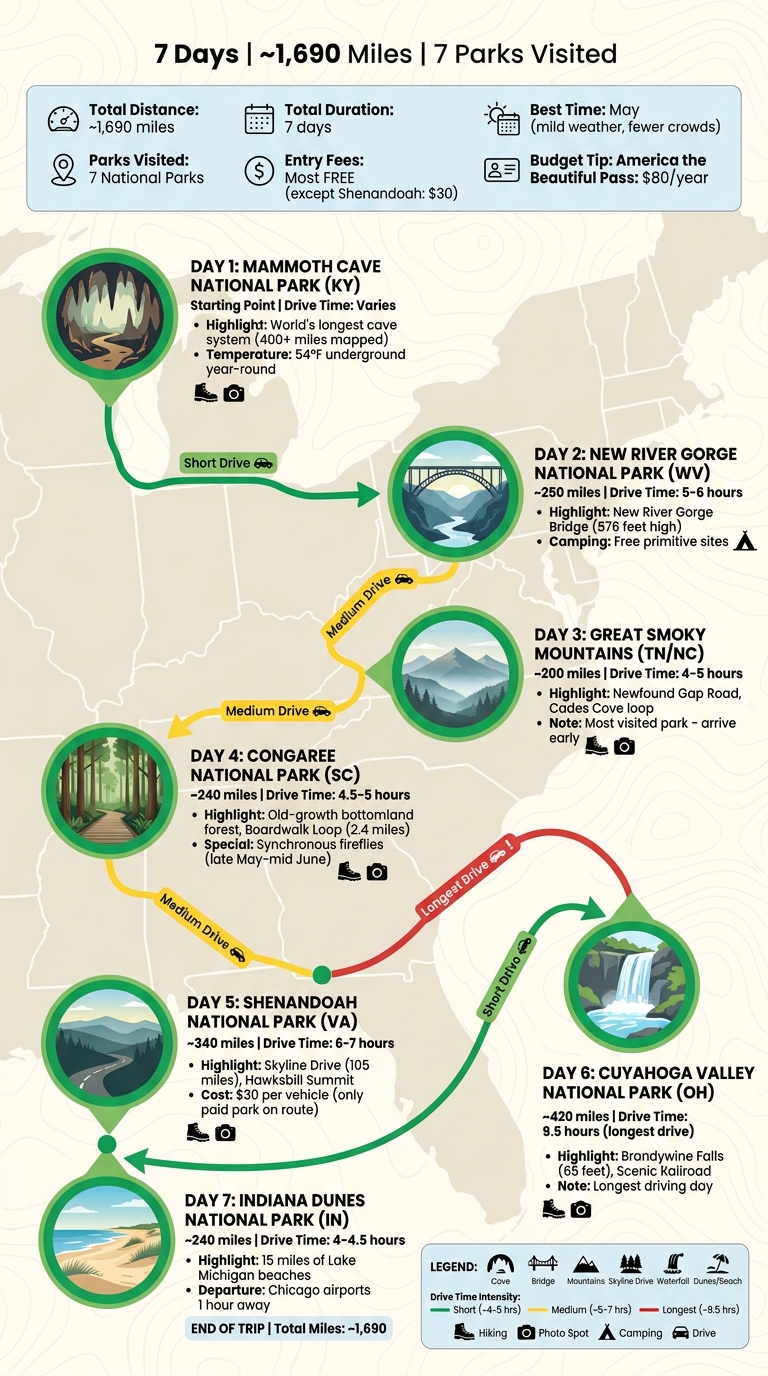
7-Day Eastern US National Parks Road Trip Itinerary Map
How to Prepare for Your Road Trip
Selecting Your Vehicle
For this trip, you’ll need either your own car or a rental – shuttles aren’t available between the parks, and driving distances range from 3 to 6 hours. If you’re flying in, rental options are readily available at major airports like Yeager Airport in Charleston, West Virginia; Washington Dulles International Airport in Virginia; or Cleveland Hopkins International Airport in Ohio.
If you’re not planning to camp, a standard car will do the job. However, if camping is part of your plan, an RV or a self-contained van might be a better choice. For instance, New River Gorge only offers primitive camping without water or electric hookups, which might suit self-contained vehicles better. Shenandoah, on the other hand, has larger campgrounds like Big Meadows, which provide amenities such as coin-operated laundry and showers, though most sites still lack electric hookups. If camping isn’t your style, consider staying at pet-friendly lodges like Skyland or Big Meadows Lodge.
What to Pack
Once you’ve chosen your vehicle, it’s time to pack. Divide your gear into two categories: day hiking essentials and car camping supplies. For hiking, bring sturdy boots, a rain jacket, bug spray, and a first aid kit. If you’re staying at primitive campsites, don’t forget bear-proof food containers and enough water to last your stay.
You can stock up on supplies in nearby towns like Fayetteville, WV, or Stow, OH. If you’re bringing a dog along, make sure to pack leashes, bowls, and waste bags.
Park Passes and Navigation Apps
Most parks on this route are free to enter, with the exception of Shenandoah, which charges $30 per vehicle. Parks like New River Gorge and Cuyahoga Valley don’t have entrance fees. If you’re planning to visit other federal recreation sites beyond this itinerary, consider purchasing the America the Beautiful Pass for $80 per year – it covers entrance fees at all federal parks.
For navigation, use Google Maps to mark your destinations and create an efficient driving route. It’s also a good idea to download a reliable weather app to stay updated on conditions before heading out each day.
With these preparations in place, you’ll be ready to dive into the day-by-day itinerary.
sbb-itb-00512f3
7-Day Itinerary: Park-by-Park Breakdown
Day 1: Mammoth Cave National Park (Kentucky)
Kick off your trip at Mammoth Cave National Park in Kentucky, home to the world’s longest cave system – over 400 miles have been mapped so far. Cave tours are incredibly popular, so you’ll want to book them weeks (or even months) ahead on Recreation.gov. Inside the caves, the temperature stays at a cool 54°F year-round, so pack a light jacket and wear sturdy, closed-toe shoes for navigating the damp and uneven paths. Keep in mind that strollers and baby backpack carriers are usually not allowed, though front-facing carriers are typically permitted. After marveling at the underground wonders, consider camping at Mammoth Cave Campground to fully immerse yourself in the park’s natural beauty. This underground adventure sets the tone for the stunning gorges waiting on Day 2.
Day 2: New River Gorge National Park (West Virginia)
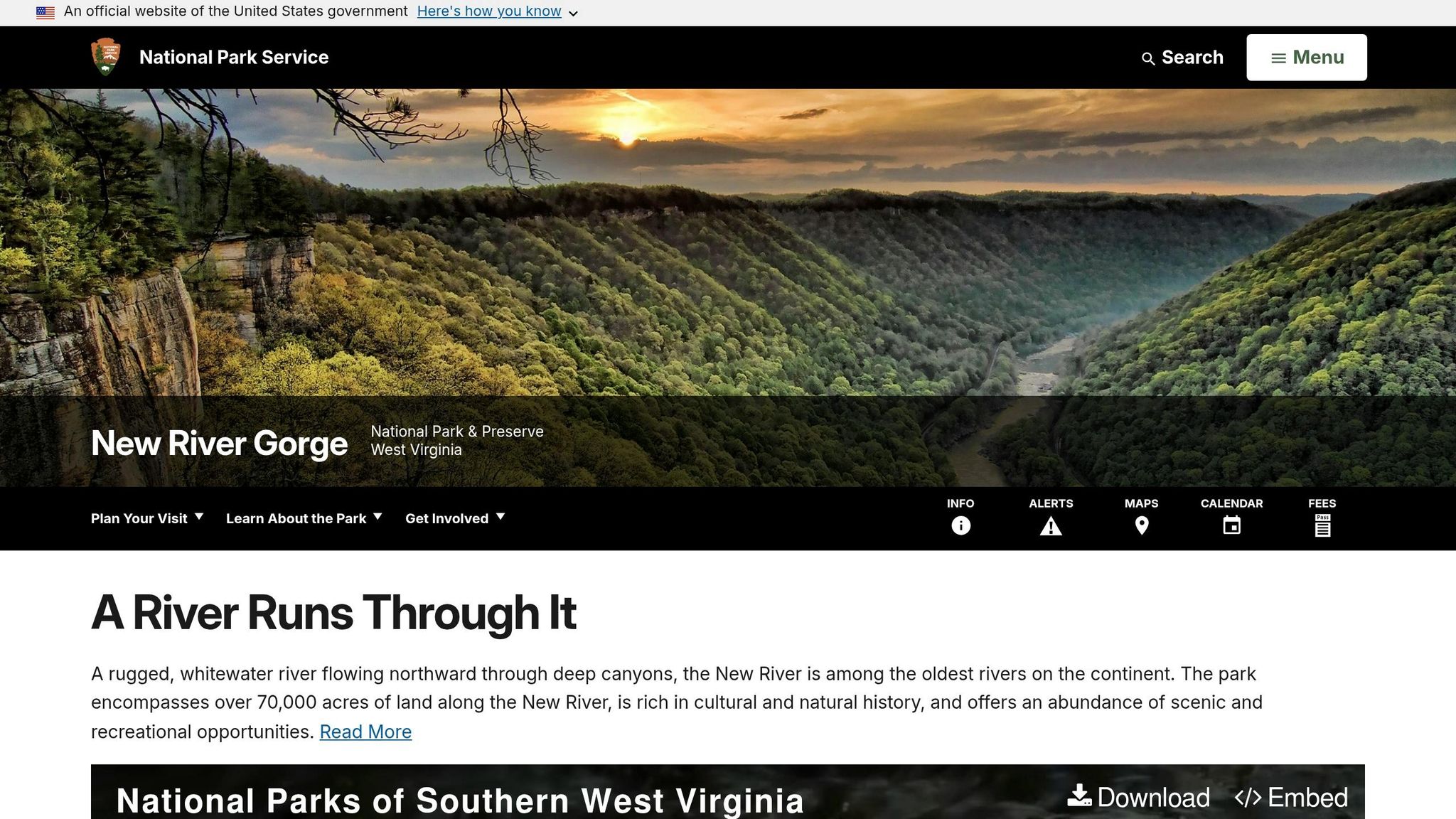
Hit the road mid-morning for a 5–6-hour drive to New River Gorge National Park. If you’re up for camping, the park offers free, primitive sites on a first-come, first-served basis – though these don’t include water or electrical hookups. Spend your afternoon exploring the 2.3-mile Endless Wall Trail, which offers breathtaking views of the gorge, or opt for the shorter Diamond Point loop. Don’t miss the iconic New River Gorge Bridge, which towers 876 feet above the river and provides a stunning backdrop for photos .
Day 3: Great Smoky Mountains National Park (Tennessee/North Carolina)
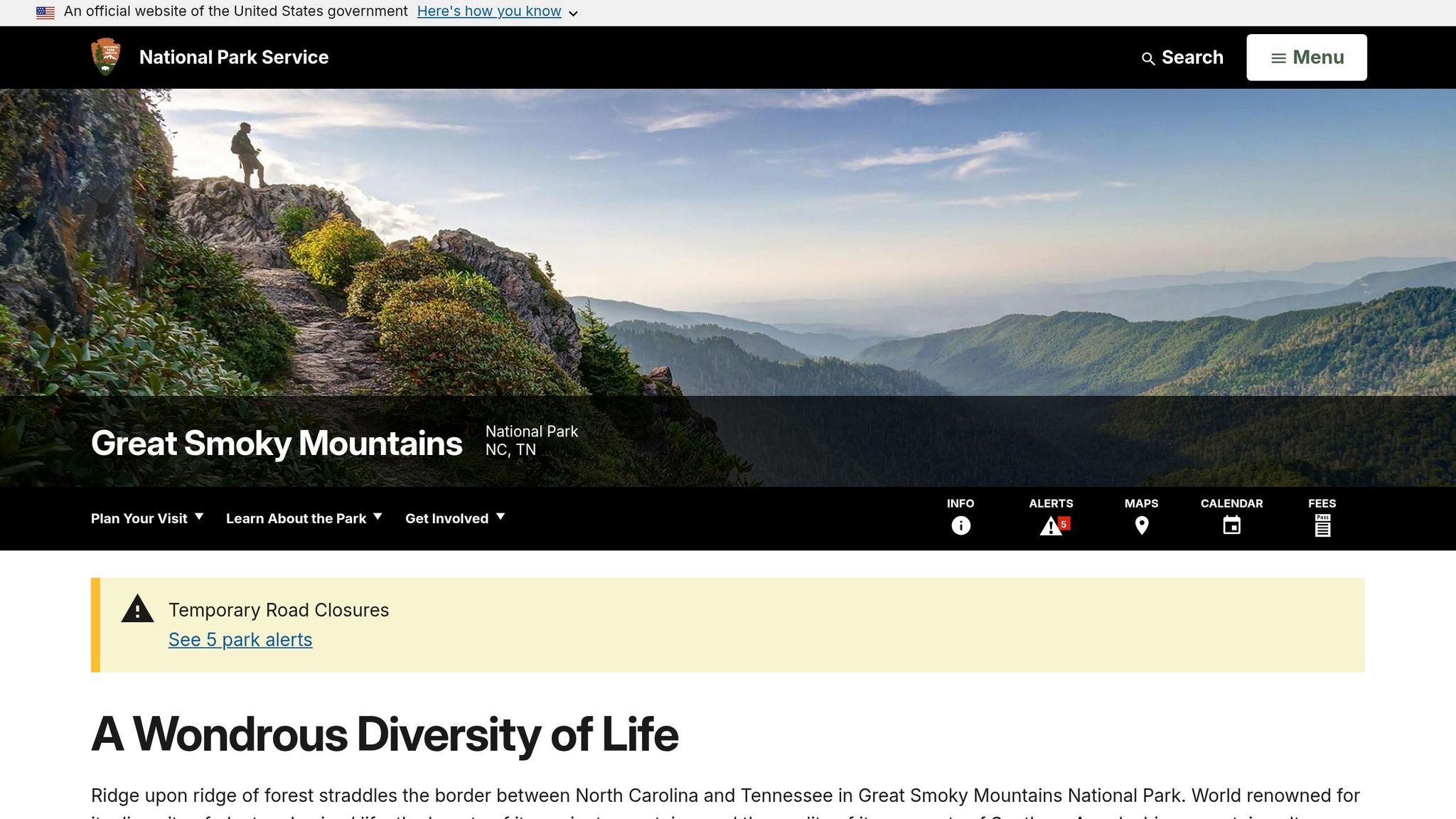
Next, head to the Great Smoky Mountains National Park and take in its incredible scenery along Newfound Gap Road, which cuts through the heart of the park. Stretch your legs on the Laurel Falls Trail, an easy hike that leads to a picturesque waterfall. Later, drive through Cades Cove on its famous 11-mile loop – perfect for spotting wildlife. With its numerous campgrounds, it’s a good idea to reserve your spot early, especially during the busy season. Arriving early in the day will also help you avoid the crowds in this immensely popular park.
Day 4: Congaree National Park (South Carolina)
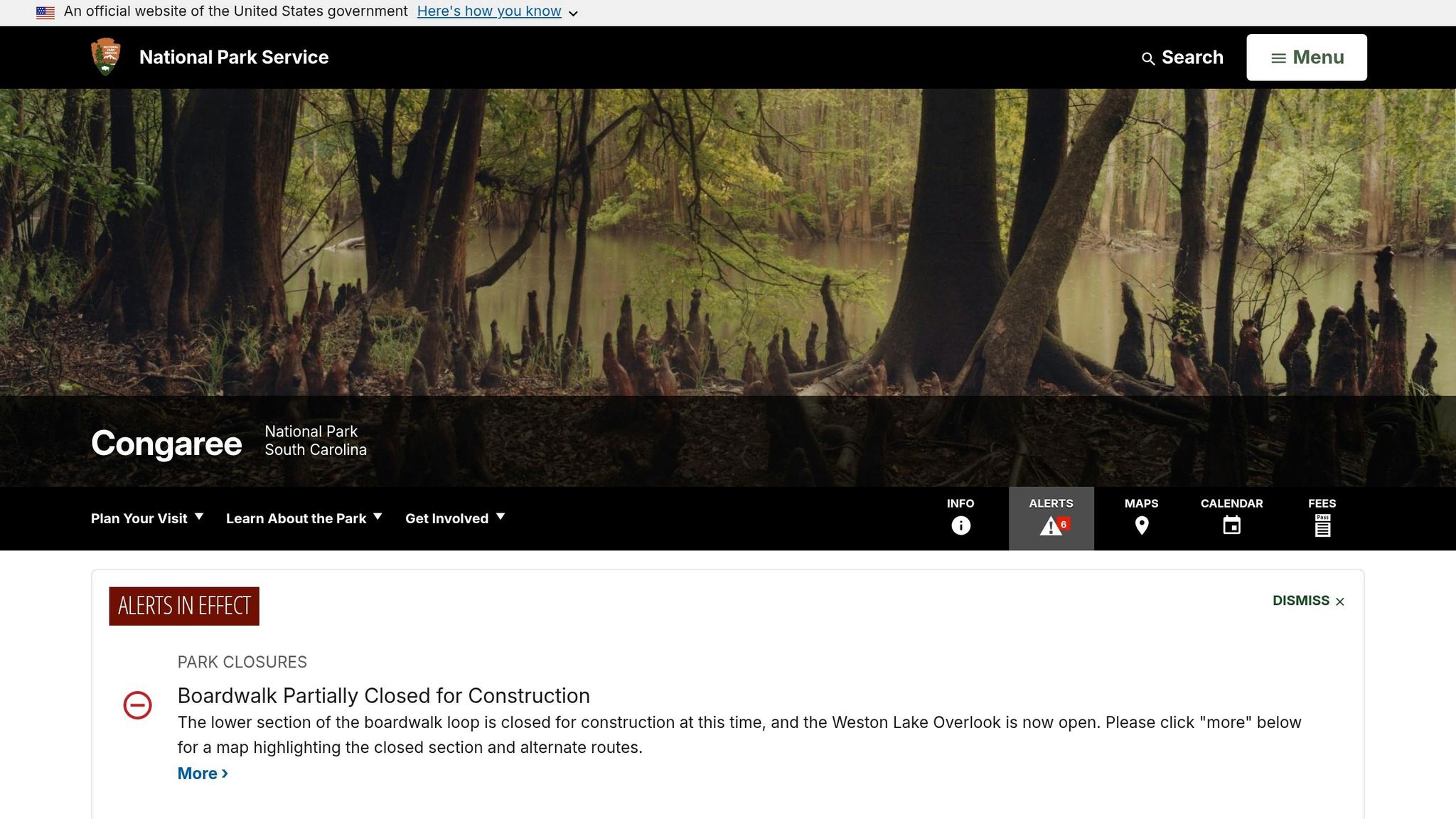
Travel south to Congaree National Park, home to one of the largest remaining old-growth bottomland forests in the country. Start with the 2.4-mile Boardwalk Loop Trail, which offers an easy walk through the park’s towering trees and swampy terrain. If you’re visiting between late May and mid-June, stick around after dark for the rare synchronous firefly display – it’s a magical experience. Since there’s no camping within the park, plan to stay in nearby Columbia, SC.
Day 5: Shenandoah National Park (Virginia)
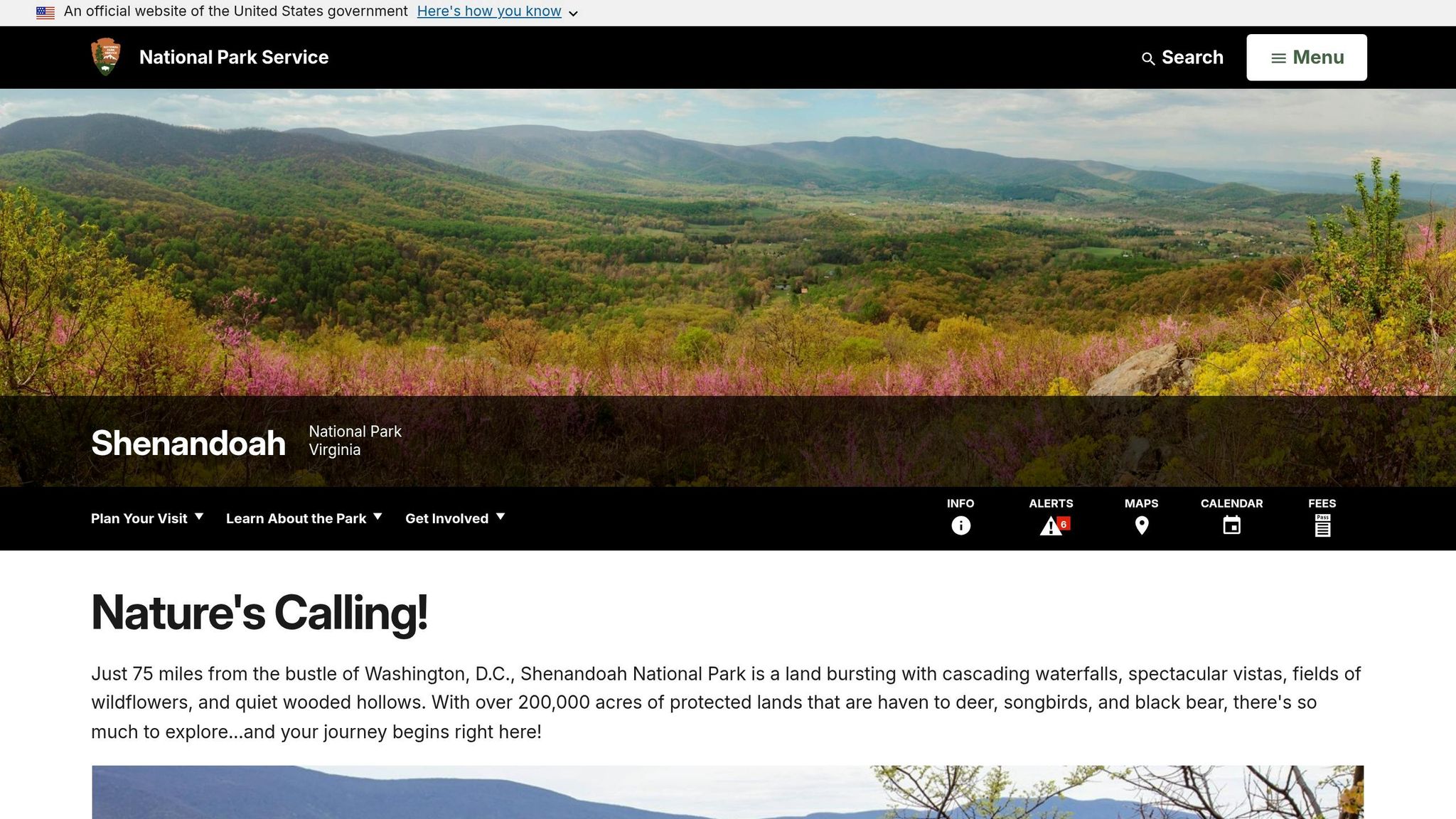
Drive to Shenandoah National Park and take in the stunning views along Skyline Drive, a 105-mile route that runs along the crest of the Blue Ridge Mountains . For hikes, consider the 2.1-mile round-trip trek to Hawksbill Summit, the park’s highest point, which offers panoramic views after a 690-foot elevation gain. Another great option is the 1.4-mile Dark Hollow Falls Trail, leading to a beautiful 70-foot waterfall. As evening approaches, head to Big Meadows for some of the best wildlife viewing in the park. For overnight stays, you can choose between campgrounds or pet-friendly lodges within the park.
Day 6: Cuyahoga Valley National Park (Ohio)
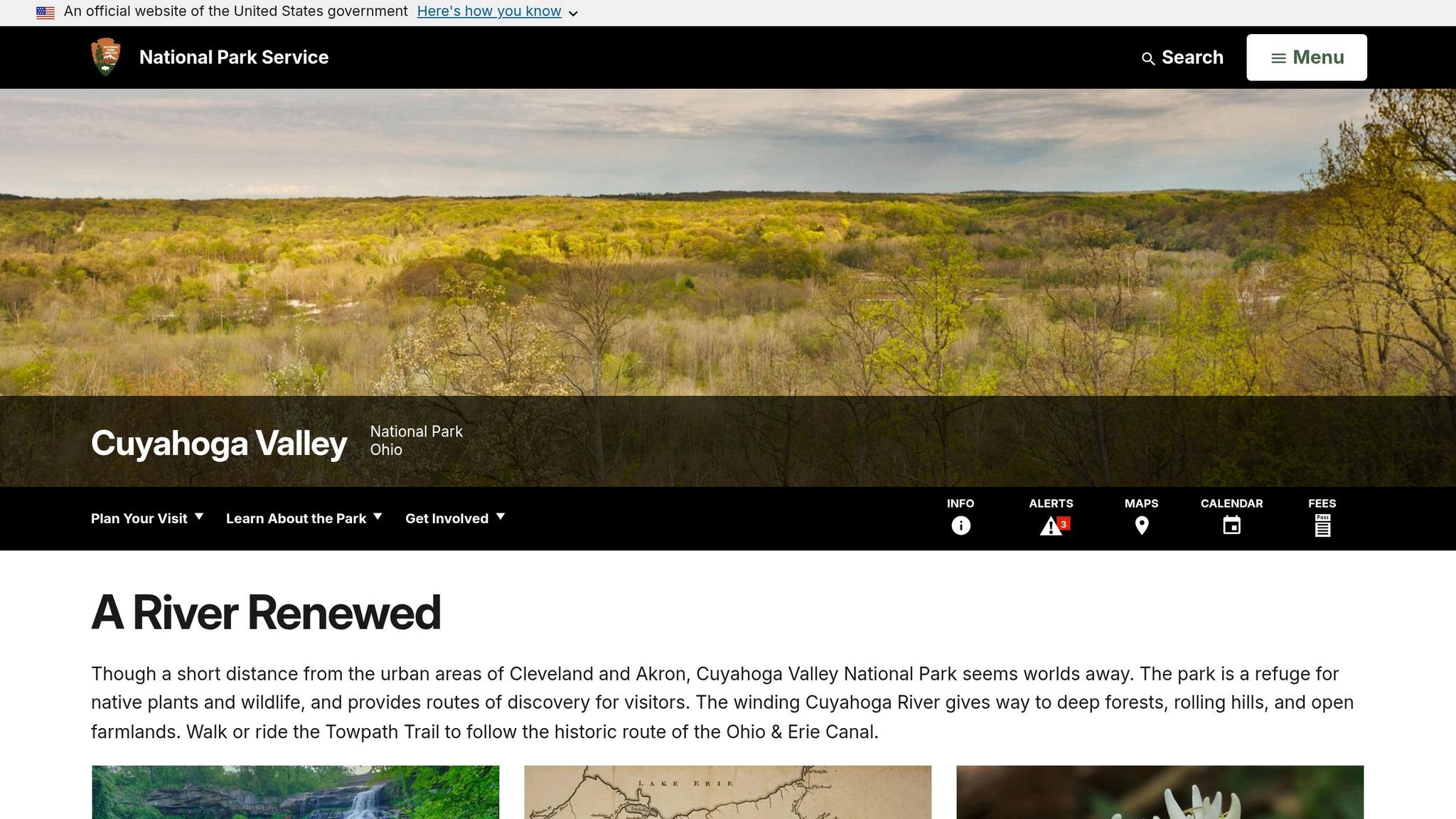
Arrive at Cuyahoga Valley National Park, a compact park that’s perfect for a one- or two-day visit . Start your day at Brandywine Falls, a 65-foot waterfall accessible via the 1.5-mile Brandywine Gorge Trail. Then, explore the 2.2-mile Ledges Trail, which features unique sandstone formations and a manageable 100-foot elevation gain. For a different perspective, hop aboard the Cuyahoga Valley Scenic Railroad, and wrap up with a visit to Beaver Marsh. Since there’s no camping in the park, nearby options like Silver Springs Campground in Stow, OH, are convenient – it’s only about 15 minutes away and even has a dog park.
Day 7: Indiana Dunes National Park (Indiana) and Departure
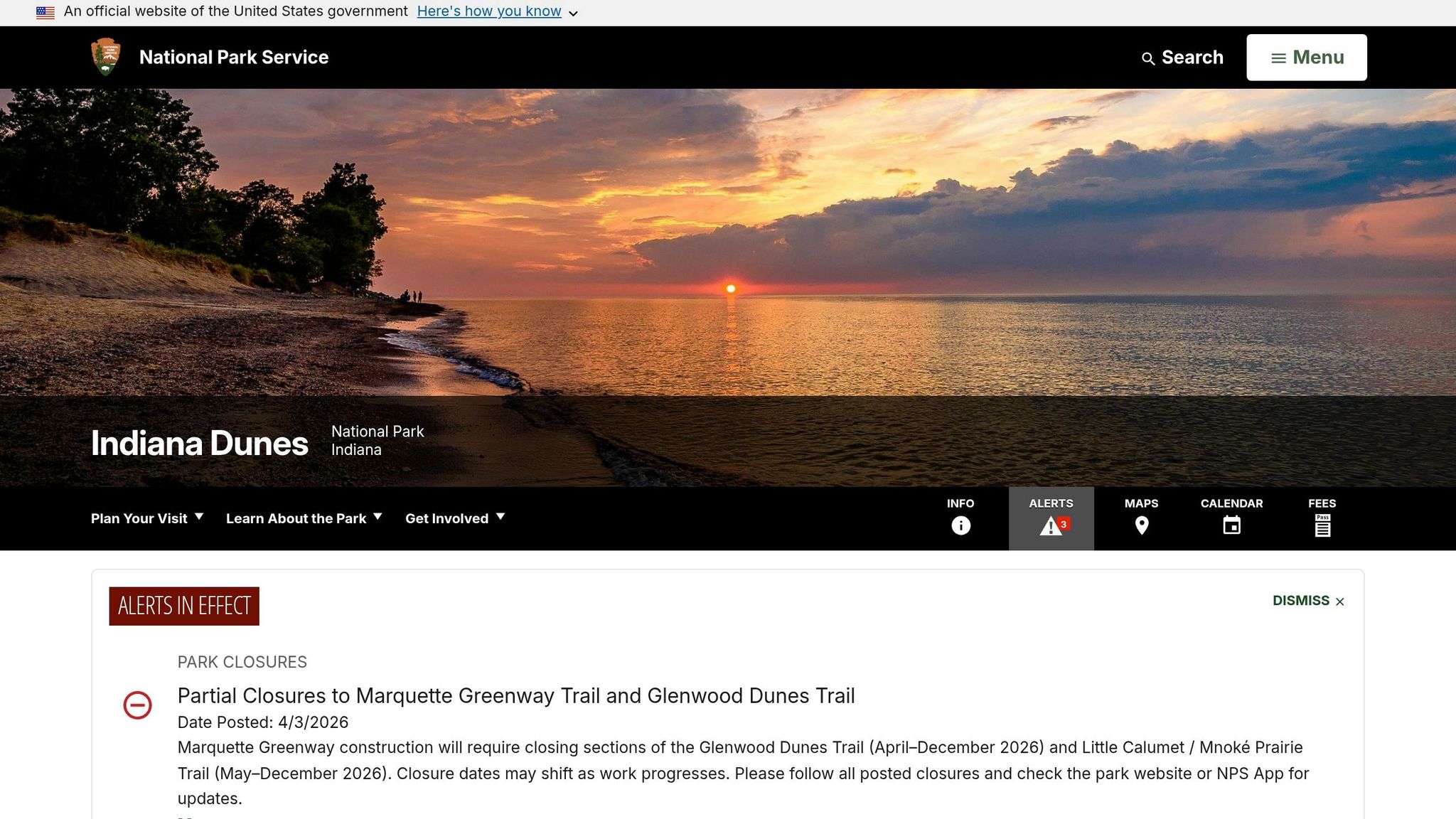
End your adventure at Indiana Dunes National Park on the southern shore of Lake Michigan. Walk the Dune Succession Trail to learn about how the landscape has evolved over time, or simply relax on one of the park’s 15 miles of beaches. If you’re flying home, Chicago’s airports are just about an hour away, making it a convenient final stop on your journey.
Top 5 National Parks in the Eastern U.S.
Route Summary Table
Here’s a streamlined 7-day route overview to help you organize your adventure. This table highlights distances, drive times, key activities, and lodging options for each stop, making it easier to balance driving with exploration.
| Day | Route | Distance | Drive Time | Main Activities | Camping/Lodging Options |
|---|---|---|---|---|---|
| 1 | Start → Mammoth Cave, KY | Varies by starting point | Varies | Explore Mammoth Cave with guided tours and underground adventures | Mammoth Cave Campground, Mammoth Cave Hotel |
| 2 | Mammoth Cave → New River Gorge, WV | ~250 miles | 5–6 hours | Take in scenic views of the New River Gorge Bridge | Free primitive campsites (first-come, first-served; no hookups) |
| 3 | New River Gorge → Great Smoky Mountains, TN/NC | ~200 miles | 4–5 hours | Visit Newfound Gap, hike to Laurel Falls, and drive the Cades Cove loop | Cades Cove Campground, LeConte Lodge (hike-in only), or private cottages in Gatlinburg |
| 4 | Great Smoky Mountains → Congaree, SC | ~240 miles | 4.5–5 hours | Walk the Boardwalk Loop Trail | Hotels in Columbia, SC (no camping available in the park) |
| 5 | Congaree → Shenandoah, VA | ~340 miles | 6–7 hours | Drive Skyline Drive, hike Hawksbill Summit, and visit Dark Hollow Falls | Four campgrounds, Skyland Resort, or Big Meadows Lodge |
| 6 | Shenandoah → Cuyahoga Valley, OH | ~420 miles | 9.5 hours | Explore Brandywine Falls, the Ledges Trail, and ride the Cuyahoga Valley Scenic Railroad | Silver Springs Campground in Stow, OH (~15 minutes away) |
| 7 | Cuyahoga Valley → Indiana Dunes, IN | ~240 miles | 4–4.5 hours | Hike the Dune Succession Trail, relax on the beaches, and enjoy views of Lake Michigan | Day visit; Chicago airports are about 1 hour away for departure |
Total Driving Distance: Approximately 1,690 miles over seven days. Day 6 involves the longest drive (9.5 hours), while most other days range between 4–6 hours. Be sure to plan for gas and meal stops to stay on schedule.
This table is a handy reference to keep your trip smooth and organized while exploring the details of the full itinerary.
Road Trip Tips and Best Practices
Weather and Seasonal Planning
Eastern parks are known for their diverse weather, influenced by varying elevations and landscapes. For example, Great Smoky Mountains National Park gets over 85 inches of rain annually, with its higher elevations classified as a temperate rainforest. If you’re heading there, make sure to pack reliable rain gear. Meanwhile, Mammoth Cave maintains a steady underground temperature of 54°F year-round.
Temperature changes between valley floors and mountain peaks can be pretty extreme. Dressing in layers is a smart choice, especially when visiting places like Shenandoah or the Smokies, where the lowlands are warm but ridgelines can be much cooler. High-elevation roads, such as those leading to Clingmans Dome, are only open from April to November, so it’s wise to check road conditions ahead of time.
Planning your visit during shoulder seasons – like May or September – can be rewarding. These months bring fewer crowds and showcase Shenandoah’s wildflowers at their best. If you’re considering a winter trip, Mammoth Cave sees fewer visitors during that time, making it a quieter experience. With weather prep in place, you’ll also want to plan your visit to avoid the busiest times in these popular parks.
How to Avoid Crowds
To beat the crowds, start your day early – arriving at sunrise not only helps you avoid midday traffic but also gives you stunning natural light for photos. In heavily visited areas like Cades Cove, plan your visit on Wednesday or Saturday mornings from May through September, when the loop is closed to motor vehicles. This makes it ideal for walking or biking at a leisurely pace. If Cades Cove feels too busy, Cataloochee Valley is a fantastic alternative, offering similar wildlife viewing opportunities with far fewer people.
Safety and Comfort Guidelines
Staying safe and comfortable is key to enjoying these parks. For example, Skyline Drive in Shenandoah has limited refueling options, so make sure to fill up your gas tank before entering. Cell service can be unreliable in remote or high-elevation areas, so downloading offline maps and allowing extra time for unexpected delays is a good idea.
Wildlife safety is another important consideration. In the Smokies and Shenandoah, "bear jams" (traffic slowdowns caused by wildlife sightings) are common. If you encounter one, stay in your vehicle while observing animals. Additionally, insect repellent can help protect against tick bites, and staying hydrated is essential for long hikes. Check official NPS websites for updates on timed-entry requirements or weather-related closures.
If you’re planning a Mammoth Cave tour, keep in mind that some options involve over 500 steps or up to four hours of crawling. Be realistic about your physical fitness before booking any particularly challenging tours.
Conclusion
This 7-day road trip through the Eastern US highlights the incredible variety of experiences these national parks have to offer. From the vast underground passages of Mammoth Cave to the mist-shrouded peaks of the Great Smoky Mountains, you’ll traverse landscapes filled with river gorges, ancient forests, and awe-inspiring natural beauty. It’s an itinerary designed to showcase the best of the region, as detailed throughout this guide.
One of the trip’s biggest draws is its balance of accessibility and natural splendor. These parks, especially during shoulder seasons, are less crowded but still deliver stunning views and opportunities to spot wildlife – all without requiring long hours of driving between destinations.
There are practical perks, too. Most parks on this route have no entry fee, with Shenandoah being the exception at $30 per vehicle. New River Gorge even offers free primitive camping, making it a budget-friendly stop. Plus, many of these parks welcome dogs, making it a great option for pet owners.
Whether you’re intrigued by geological marvels like fractured quartzite cliffs and volcanic formations or fascinated by history-rich sites like Cherokee hunting grounds and 19th-century farming valleys, this trip offers a well-rounded glimpse into the treasures of Eastern national parks. It’s a reminder that stunning natural beauty and compelling history can often be found closer to home than you might expect, laying the groundwork for future adventures in the region.
For more detailed itineraries and planning tips, check out The National Park Guide at https://thenationalparkguide.com.
FAQs
Can I shorten this 7-day route to avoid the 9.5-hour drive day?
Yes, you can tweak the route to skip the 9.5-hour drive. Many travel experts recommend tailoring your trip by picking certain parks and routes to shorten driving times. Breaking the journey into smaller segments gives you more time to enjoy the parks and helps cut down on travel fatigue, making the experience far more enjoyable.
Do I need reservations for cave tours, campgrounds, or Skyline Drive?
Reservations are highly recommended for cave tours, campgrounds, and Skyline Drive. Booking in advance ensures you have a spot, especially during busy travel seasons or on weekends when demand is higher. Planning ahead can save you from last-minute hassles.
Is this road trip doable with kids or a dog?
This week-long road trip is perfect for families, whether you’re traveling with kids, a dog, or both. National parks like Shenandoah, Acadia, and the Great Smoky Mountains offer something for everyone – family-friendly trails, breathtaking scenic drives, and even pet-friendly areas.
To make the most of your adventure, plan carefully. Check each park’s pet policies, map out manageable driving distances, and include stops that are fun for kids. Packing the right essentials is key: bring plenty of water, snacks, entertainment for the little ones, and supplies for your dog, like a leash and waste bags. With some preparation, this trip can be an unforgettable experience for the whole family.