
America’s national parks are more than scenic escapes – they’re windows into the country’s history. From ancient Native American sites to the legacy of conservation pioneers, these parks tell stories of cultural and natural heritage. Here’s a quick look at seven parks where history comes alive:
- Acadia National Park (Maine): Maritime heritage, Wabanaki traditions, and Rockefeller’s Carriage Roads.
- Great Smoky Mountains (Tennessee/North Carolina): Cherokee history, Appalachian settlers, and preserved homesteads.
- Yellowstone (Wyoming/Montana/Idaho): The first national park, indigenous history, and geothermal wonders.
- Grand Canyon (Arizona): Geological marvels, Native American heritage, and early exploration landmarks.
- Arches National Park (Utah): Unique stone arches shaped by ancient seas and erosion.
- Crater Lake (Oregon): Volcanic origins, Klamath Tribe history, and Wizard Island.
- Grand Teton (Wyoming): Frontier stories, Native American migration, and early mountaineering.
These parks combine breathtaking landscapes with rich historical narratives. Whether you’re interested in indigenous cultures, early settlers, or the roots of conservation, these destinations offer unforgettable insights into America’s past.
National Parks: A Virtual Tour program recording
Acadia National Park, Maine
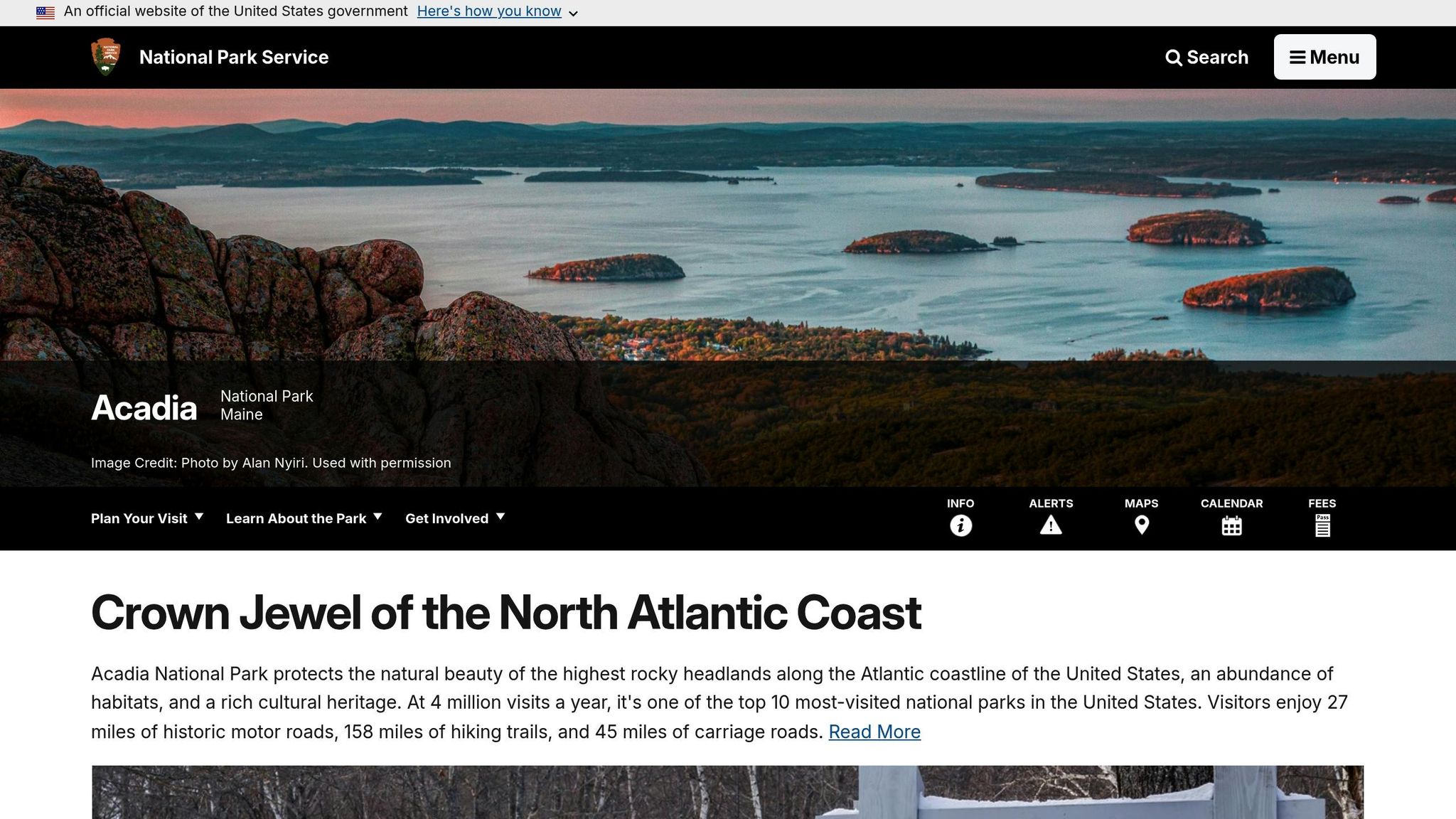
Established in 1919, Acadia National Park is a cornerstone of American conservation history, proudly standing as the first national park east of the Mississippi River. Its creation marked a significant step in bringing the national park experience to the bustling Northeast, expanding the conservation movement beyond the western landscapes that initially defined it.
Spanning 47,390 acres on Mount Desert Island, Acadia’s rugged coastline and maritime heritage reflect its importance in shaping conservation efforts in the eastern United States. Cadillac Mountain, rising 1,530 feet, is the highest point along the U.S. Atlantic coast and offers breathtaking views that once guided regional trade and settlement.
Historical Sites
Acadia’s rich history comes alive through its landmarks, each telling a unique story of maritime and indigenous heritage.
- Bass Harbor Head Lighthouse: This iconic lighthouse is not only one of Maine’s most photographed landmarks but also a testament to the critical role navigation aids played in safeguarding ships along New England’s rocky shores. It remains a working lighthouse to this day.
- Carriage Roads: Built by philanthropist John D. Rockefeller Jr., these 45 miles of scenic paths were designed specifically for walking, biking, and horseback riding. They reflect early 20th-century conservation ideals, offering visitors a peaceful way to connect with nature.
- Wabanaki Confederacy: Evidence of the Wabanaki Confederacy highlights thousands of years of indigenous presence in the region, seamlessly blending with the area’s colonial maritime history.
- Jordan Pond: This serene lake, along with the surrounding coastline, showcases how natural geography influenced historical settlement patterns.
Visitor Tips
To make the most of your visit and fully appreciate Acadia’s history, consider these practical tips:
- Start at Hulls Cove Visitor Center: Begin your journey here to explore exhibits that delve into the park’s conservation achievements and maritime heritage. From the visitor center, the Park Loop Road connects you to key attractions like Bass Harbor Head Lighthouse and various scenic overlooks. Plan for several hours to enjoy the drive and its many stops.
- Photography at Bass Harbor Head Lighthouse: For stunning photos, visit during the golden hour before sunset. The warm, soft light beautifully enhances the dramatic coastal scenery.
- Jordan Pond Path: This 3.3-mile round-trip hike offers an up-close look at how the area’s unique geography shaped its early inhabitants. It’s a must for those seeking both natural beauty and historical context.
- Explore the Carriage Roads: These traffic-free paths are perfect for walking or biking, providing a serene way to experience Acadia’s natural and historical wonders.
Timing your visit is key to enjoying the park to its fullest. Late spring through early fall offers ideal weather and full access to facilities. While July and August are the busiest months, making reservations essential, the quieter months of September and October bring cooler temperatures, fewer crowds, and stunning fall foliage.
Bar Harbor, the gateway to the park, provides plenty of amenities and a glimpse into the area’s long-standing tourism tradition. Although Acadia is open year-round, keep in mind that some facilities close in the off-season. Winter visits, however, offer a unique and tranquil perspective of the park’s landscape.
Finally, take advantage of ranger-led programs and interpretive talks to deepen your understanding of Acadia’s history, from its maritime roots to its indigenous heritage. These experiences can add a whole new dimension to your visit.
Great Smoky Mountains National Park, Tennessee and North Carolina
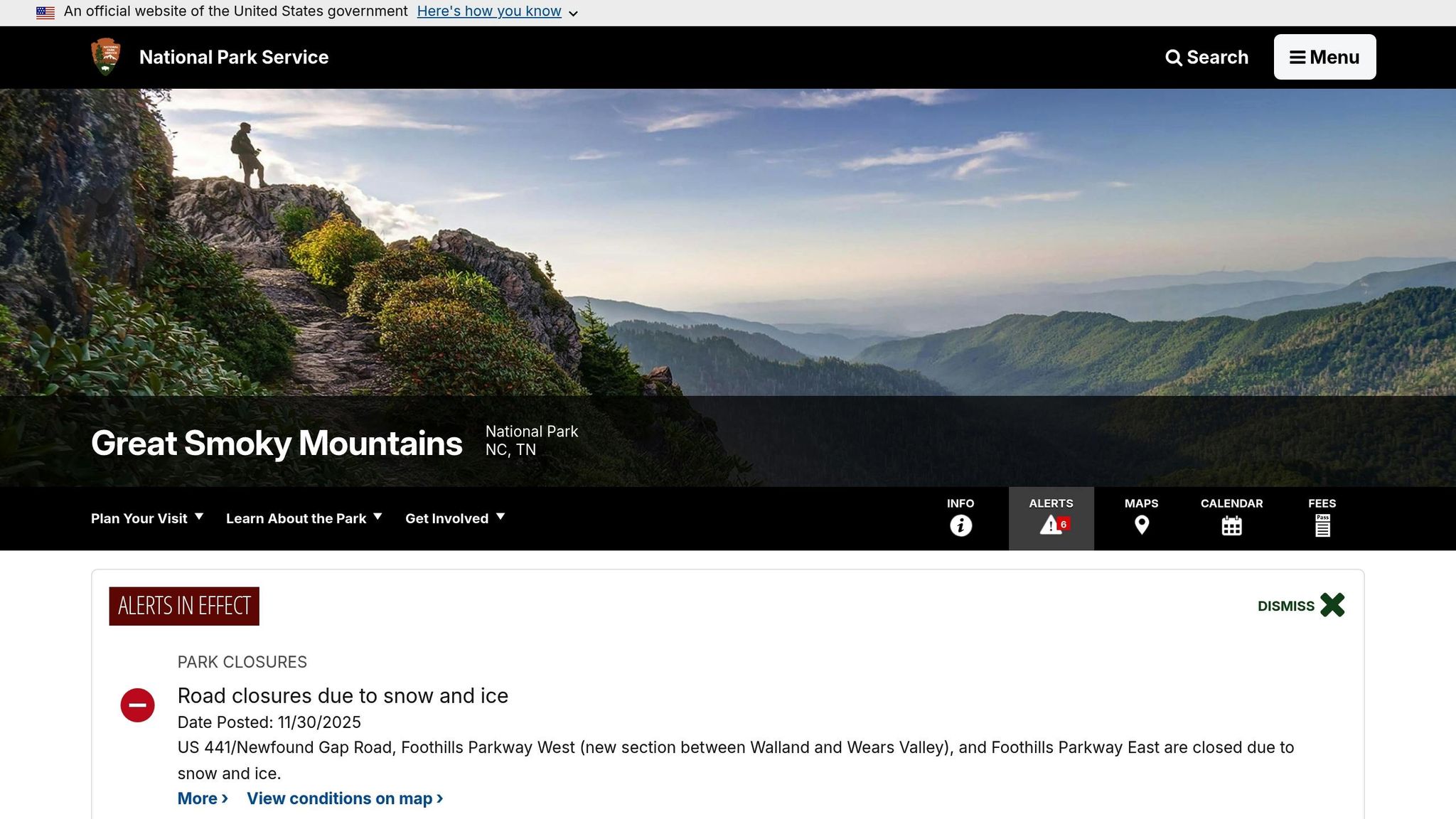
Nestled between Tennessee and North Carolina, Great Smoky Mountains National Park attracts more than 10 million visitors annually. This iconic destination offers a fascinating glimpse into 19th- and early 20th-century Appalachian life, blending breathtaking natural landscapes with a rich historical narrative.
The park’s history stretches far beyond European settlement. Ancient Native American sites and exhibits dedicated to the Cherokee Nation honor the region’s deep-rooted heritage and cultural significance.
Appalachian Heritage
The park also preserves the story of early Appalachian settlers. Visitors can explore historic settlements featuring log cabins, barns, mills, and churches that illustrate the daily lives of these communities. One standout destination is Cades Cove, a sprawling valley dotted with preserved homesteads and mills. Informative displays throughout the area bring to life the routines, challenges, and traditions of early Appalachian life.
Visitor Tips
To fully enjoy Cades Cove, consider starting your visit early in the day to avoid crowds and make the most of its 11-mile loop, which includes stops at key historical sites.
For a quieter experience, head to the Roaring Fork Motor Nature Trail, where you’ll find additional preserved settlements in a serene setting. Keep in mind that some trails and roads may be subject to seasonal closures or restrictions, so it’s a good idea to check current conditions before you go.
Joining a ranger-led program is another great way to gain a deeper understanding of Appalachian history and culture.
The park boasts over 800 miles of trails, including a 70-mile stretch of the famous Appalachian Trail, which connects historical landmarks with the area’s diverse natural beauty. If you plan to explore, wear sturdy walking shoes and pack water and snacks, as amenities near historical sites can be limited. For photography enthusiasts, the morning light and occasional fog create stunning opportunities to capture the park’s timeless charm.
Open year-round, the park is best explored from spring through fall when the weather is ideal for visiting historical sites. However, winter conditions can impact accessibility, so always check local weather and road updates before planning your trip.
Yellowstone National Park, Wyoming
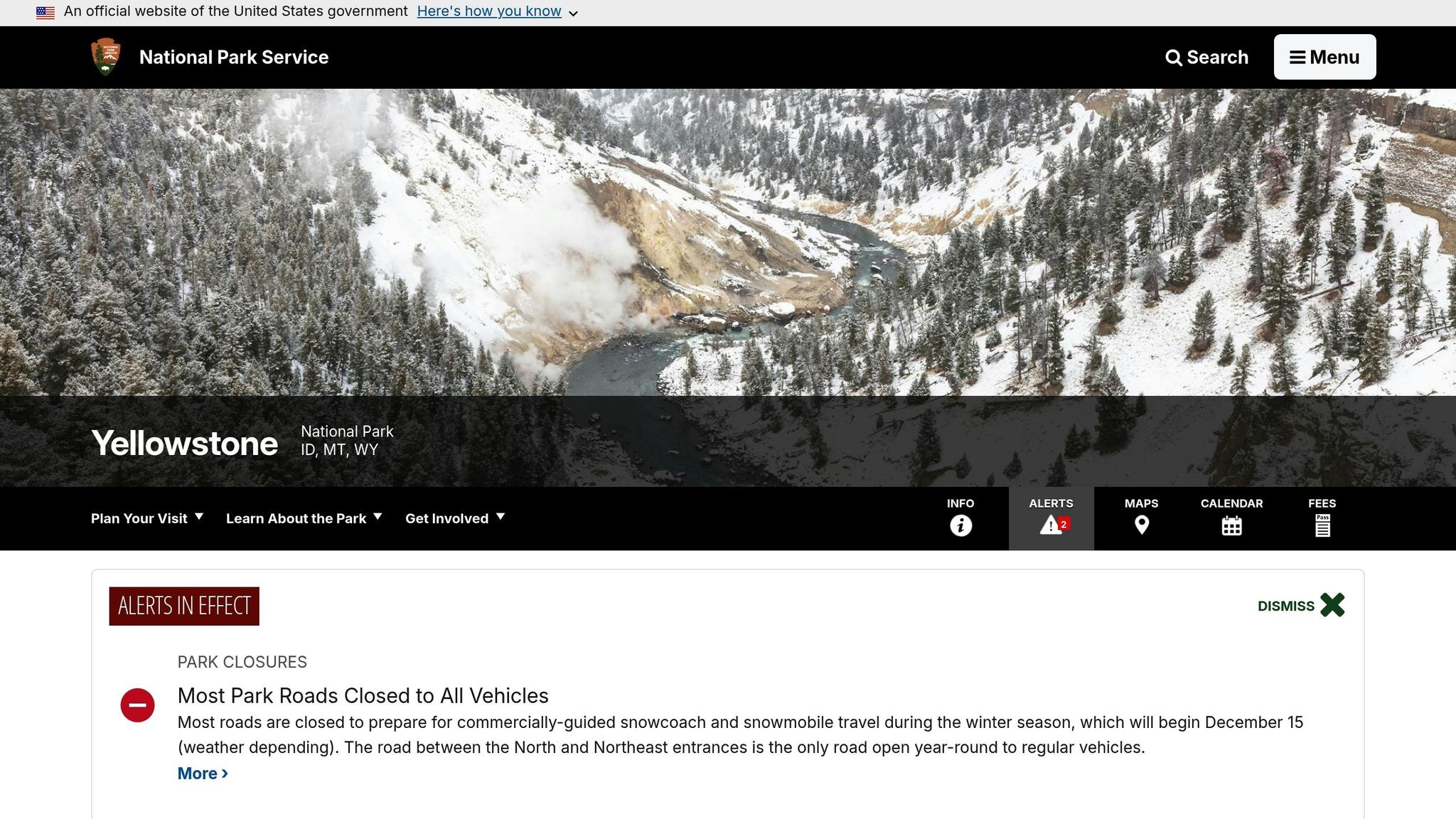
Yellowstone holds a special place in history as the world’s first national park, officially established on March 1, 1872, when President Ulysses S. Grant signed it into law. This landmark decision not only set the stage for modern conservation efforts but also acknowledged the region’s rich indigenous history.
Covering 2.2 million acres across Wyoming, Montana, and Idaho, Yellowstone demonstrated the importance of protecting large natural landscapes. Its establishment laid the groundwork for what would eventually become the National Park Service, shaping the way we think about conservation today.
The park’s significance goes back much further, though. For thousands of years, multiple Native American tribes lived in and relied on this area long before European explorers arrived. Today, Yellowstone honors this heritage with interpretive sites that shed light on the region’s deep human history.
In the early 19th century, fur trapper John Colter became one of the first Europeans to document Yellowstone’s wonders. His accounts of the area’s unique features helped spark broader interest in its preservation.
Historical Background
When Yellowstone was established in 1872, it set a powerful example for protecting natural spaces. The park’s name comes from the striking yellow hues of its canyons, which are a testament to the geological forces that have shaped the area over millions of years. At its heart lies the Yellowstone Caldera – one of the largest active volcanic systems in the world – surrounded by an extraordinary array of geothermal features like hot springs, mud pots, and geysers.
Yellowstone is also home to an incredibly diverse ecosystem, supporting more than 60 species of mammals, including gray wolves, grizzly bears, lynx, bison, and elk. Efforts to reintroduce gray wolves in the 1990s further solidified the park’s role as a vital space for conservation and ecological research.
The park’s landscape, shaped by volcanic activity and geothermal forces, serves as a living record of Earth’s natural history. These unique features and historical milestones make Yellowstone a fascinating destination for visitors and researchers alike.
Key Landmarks
One of Yellowstone’s most iconic features is Old Faithful, a geyser that has been central to the park’s identity since its early days. Known for its regular eruptions, Old Faithful played a significant role in early studies of geothermal activity, offering valuable insights into the Earth’s inner workings.
Surrounding Old Faithful are geothermal basins that provide even more opportunities to explore Yellowstone’s volcanic past. These areas continue to be a focus of scientific study, revealing new information about geothermal processes. Visitors can also enjoy ranger-led programs and exhibits at visitor centers, which highlight Yellowstone’s conservation story and its indigenous heritage.
Yellowstone welcomes visitors throughout the year. The summer months (June through September) offer the most extensive ranger programs and activities, while winter unveils a magical landscape where steam from geothermal features meets snow-covered terrain. Spring and fall bring quieter moments, perfect for exploring the park’s history and natural beauty.
For detailed trip planning and additional resources, check out The National Park Guide (https://thenationalparkguide.com), an excellent tool for history buffs and outdoor enthusiasts alike.
Grand Canyon National Park, Arizona
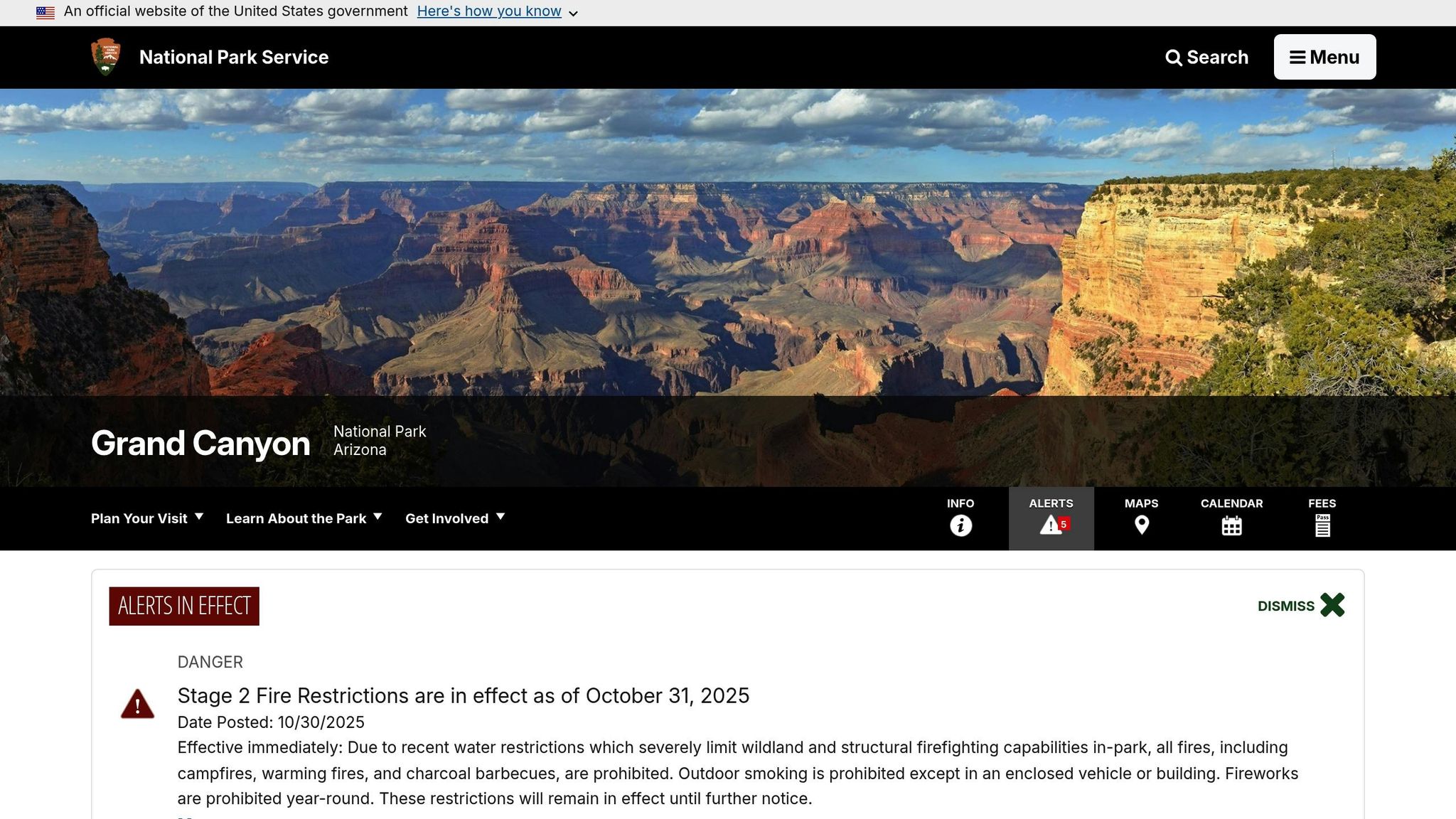
The Grand Canyon is like a massive storybook carved into the Earth, with chapters stretching back an incredible 1.8 billion years. It plunges over a mile deep and spans up to 18 miles across, offering visitors a glimpse into ancient geological events and thousands of years of human history.
Over millions of years, the Colorado River carved through layers of rock, uncovering remnants of ancient seas, deserts, and mountain-building events. At the canyon’s base, the Vishnu Basement Rocks are some of the oldest exposed rocks in North America, while the Kaibab Limestone at the rim tells a story from around 250 million years ago.
In 1908, President Theodore Roosevelt designated the Grand Canyon as a National Monument, and by 1919, it became a National Park. This move was part of a larger conservation effort in the early 20th century, preserving not just the canyon’s stunning geology but also its rich human history.
Geological and Human History
For thousands of years, the Grand Canyon has been home to Native American tribes, including the Havasupai, Hualapai, Navajo (Diné), Zuni, and Hopi peoples. These tribes have deep cultural and spiritual ties to the canyon, and many still live in the area, carrying on traditions passed down through generations. To these communities, the canyon is more than a natural wonder – it’s a sacred place that holds profound significance.
Spanish explorers first encountered the Grand Canyon in the 16th century, but it was John Wesley Powell’s groundbreaking expedition in 1869 that truly put the canyon on the map. Powell’s detailed geological studies and maps sparked scientific interest and laid the groundwork for its eventual preservation.
The arrival of the Grand Canyon Railway in 1901 made the canyon more accessible, transforming it into a major tourist destination. The railway brought visitors from across the country, leading to the construction of hotels, lodges, and other facilities. Among these developments, the work of architect Mary Colter stands out. Her designs, blending Southwestern influences with the canyon’s natural beauty, created iconic structures that continue to honor both the landscape and indigenous heritage.
Visitor Tips
To fully appreciate the Grand Canyon’s history, it helps to explore key sites and trails while keeping a few practical tips in mind.
Key Historical Sites:
- Desert View Watchtower: Designed by Mary Colter in 1932, this 70-foot stone tower offers stunning panoramic views and features Native American-inspired designs. It’s both a visual and educational highlight.
- Tusayan Museum: Dive into the lives of the ancestral Puebloan people with exhibits showcasing artifacts and their deep connection to the canyon.
- Grand Canyon Village Historic District: Explore early 20th-century structures like the Bright Angel Lodge, another Mary Colter creation that reflects the blend of indigenous history and early conservation efforts.
Historical Trails:
- Bright Angel Trail: Originally created by Native Americans and later improved by miners and the railroad, this trail is one of the park’s most historically significant routes.
- South Rim Trail: An easier option for those looking to enjoy accessible views with interpretive signs explaining the canyon’s geological and human history.
- Hopi Point: A favorite spot for panoramic views, complete with information about the Native American tribes who hold the canyon sacred.
For the best experience, consider visiting in spring or fall when temperatures range from 50°F to 75°F and crowds are smaller. Summers can be scorching, with highs reaching 85°F–105°F, while winter often limits access due to snow, especially on the North Rim, which closes from mid-October to mid-May.
Ranger-led programs and guided walks are fantastic for learning about Native American heritage, geology, and early exploration. The Grand Canyon Visitor Center on the South Rim offers films and exhibits for a deeper understanding, while interpretive signs scattered throughout the park provide context for self-guided adventures.
No matter the season, come prepared with sturdy hiking shoes, sun protection, and plenty of water. The Grand Canyon isn’t just a breathtaking sight – it’s a living testament to the forces of nature and the resilience of human culture.
sbb-itb-00512f3
Arches National Park, Utah
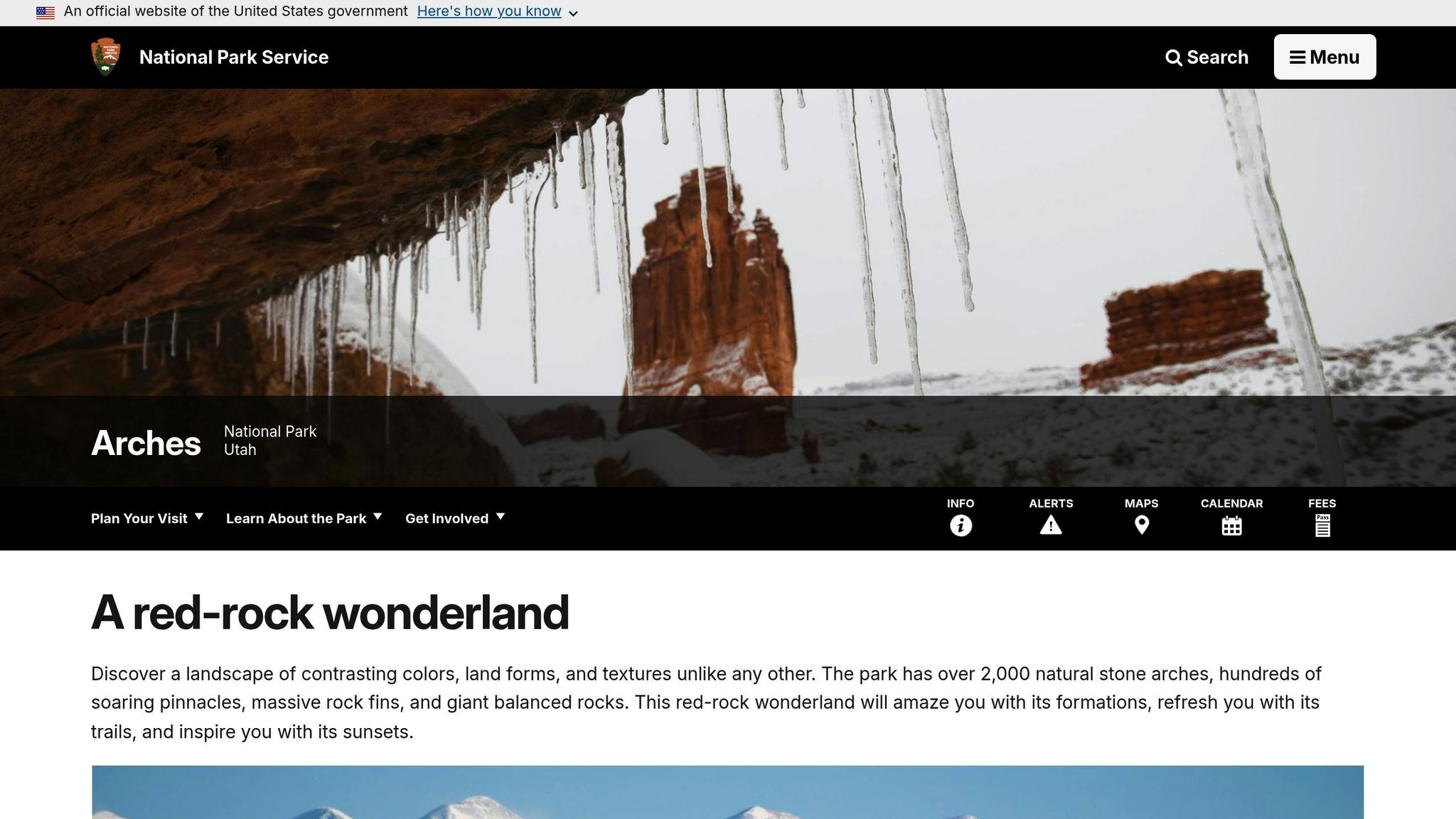
Arches National Park boasts the highest concentration of natural stone arches in the world, with over 2,000 cataloged formations spread across its 76,519 acres. Unlike rock formations shaped by rivers, the arches here tell a different story – one of ancient seas, dissolving salt beds, and the slow but steady work of wind and water carving sandstone into breathtaking shapes.
At the heart of this geological wonder lies the Paradox Basin, an underground salt layer that played a crucial role in creating these arches. Around 150 million years ago, during the Jurassic Period, Entrada Sandstone settled over this salt bed. Over time, the shifting salt and natural erosion fractured the sandstone, giving birth to the arches we see today.
Geological History
The park’s arches are not static – they’re constantly evolving. Take Landscape Arch, for example. Spanning roughly 306 feet, it’s one of the longest natural stone arches on the planet. In 1991, a dramatic 60-foot section of its underside collapsed, thinning the arch but leaving it intact. This event underscores how these formations are living geological features, always subject to change. The National Park Service keeps a close eye on these structures, sometimes closing trails when the risk of rockfall increases.
The park’s elevation, ranging from 4,085 to 5,653 feet, creates diverse microclimates that influence erosion rates. Extreme temperature swings also speed up the process. The park’s most iconic feature, Delicate Arch, stands roughly 65 feet tall and has become a symbol of Utah itself, even appearing on the state’s license plates. This isolated arch, perched on a slickrock dome, represents a later stage in the erosion process, with the surrounding rock completely worn away. Though geologists consider it a relatively "young" formation, its creation still spans thousands of years.
Beyond their beauty, these arches offer scientists an opportunity to study erosion, rock mechanics, and how landscapes evolve. Changes in climate, including more extreme temperatures and shifting rainfall patterns, could further influence how these structures age and erode.
Visitor Tips
Visiting Arches National Park is as much about planning as it is about exploration. With over 1.6 million visitors annually, timing your trip can make all the difference. Spring (March–May) and fall (September–November) are ideal, with temperatures ranging between 50°F and 75°F and fewer crowds compared to the sweltering summer months when temperatures can exceed 100°F. Winter visits are possible but come with the challenge of icy trails.
The park charges $30 per vehicle for a seven-day pass, but if you’re planning to visit multiple parks, the $80 America the Beautiful Annual Pass is a great option. During peak season, it’s best to arrive early – parking at popular trailheads often fills up by 8:00 AM.
Arches offers trails for every fitness level and schedule. For an easy walk, try the Windows Trail, a 1-mile paved loop with views of multiple arches and minimal elevation gain. The Balanced Rock Trail is even shorter, at just 0.3 miles, making it perfect for those with limited time or mobility. For a more challenging hike, the Delicate Arch Trail is a 3-mile round trip with 480 feet of elevation gain. Sunrise or sunset hikes here are especially rewarding, as the golden light transforms the red sandstone into a glowing masterpiece. If you’re up for a longer adventure, the Devil’s Garden Trail offers options ranging from a 2-mile round trip to Landscape Arch to a full 7.2-mile loop. Another popular option is the Park Avenue Trail, a scenic 2-mile round trip through a canyon lined with towering rock formations.
For those who prefer to explore by car, a 26-mile scenic drive offers stunning views and takes about 2–3 hours. Along the way, interpretive signs provide insights into the park’s geology, enriching the experience.
The visitor center near the park entrance is a great starting point, featuring exhibits on arch formation, erosion, and the park’s geological timeline. Seasonal ranger-led programs and guided walks offer even more opportunities to learn. Just 5 miles south, the town of Moab provides lodging, dining, and additional outdoor activities.
If you’re planning a broader trip through the Southwest, Arches pairs perfectly with nearby landmarks. Canyonlands National Park is just a 2–3 hour drive away and offers more geological wonders, along with evidence of ancient human habitation. Capitol Reef National Park, about 2 hours from Arches, features petroglyphs and historical sites that reflect the region’s rich history.
Whether you’re tackling a strenuous hike or enjoying a leisurely drive, come prepared with hiking boots, sunscreen, and plenty of water. These arches not only showcase the beauty of nature but also stand as enduring records of Earth’s ever-changing history.
Crater Lake National Park, Oregon
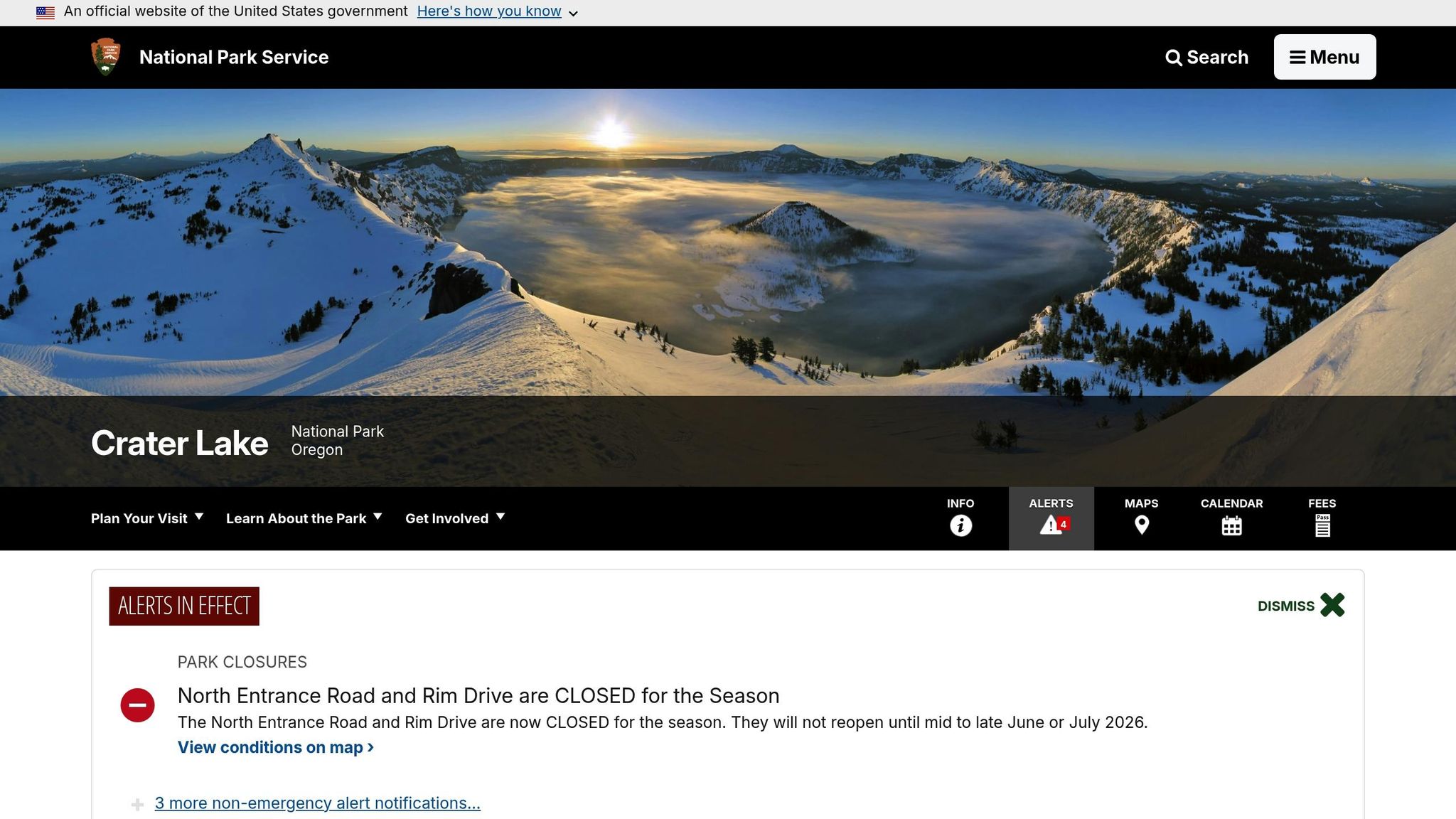
Crater Lake National Park, nestled in southern Oregon’s Cascade Range, showcases the incredible power of volcanic activity that reshaped the landscape. Beyond its natural beauty, the park offers a window into its rich indigenous heritage, blending geological wonders with cultural depth.
At its heart lies Crater Lake, the deepest lake in the United States, plunging 1,949 feet. This iconic lake was formed when Mount Mazama’s caldera filled with rain and snowmelt, leaving behind the crystal-clear blue waters that tell the story of its fiery origins.
Formation and History
Around 7,700 years ago, Mount Mazama erupted in one of the most intense volcanic events in the Pacific Northwest. The eruption caused the volcano to collapse, forming a massive caldera that later filled with water, creating Crater Lake. The steep walls of this caldera hold clues to the region’s volcanic history, offering a glimpse into the natural forces that shaped the landscape.
For the Klamath Tribe and other indigenous communities in the Pacific Northwest, Crater Lake has long been a place of profound spiritual and cultural significance. Their oral traditions and practices reflect a deep connection to the dramatic volcanic event that shaped the area. In 1902, Crater Lake became the sixth national park in the United States, marking an early milestone in the nation’s conservation movement to protect extraordinary natural sites.
Key Landmarks
Several features within the park highlight its geological history and early efforts to preserve its unique environment.
Wizard Island
Rising about 2,700 feet above the lake’s surface, Wizard Island is a cinder cone formed by volcanic activity after Mount Mazama’s collapse. Visitors can explore this fascinating landmark through seasonal boat tours, typically available from late June to mid-October. Booking in advance is highly recommended.
Crater Lake Lodge
Located on the southern rim of the caldera, Crater Lake Lodge is a historic gem from the early days of national park tourism. The lodge provides sweeping views of the lake and surrounding cliffs, serving as both a tranquil retreat and a reminder of the park’s early conservation efforts.
The Rim Drive
This 33-mile scenic loop circles the caldera, connecting a series of viewpoints and trailheads. Along the way, interpretive displays and ranger-led programs provide insights into the park’s volcanic origins and its cultural importance. The drive offers visitors a chance to experience the lake’s striking beauty from multiple perspectives.
Throughout the park, interpretive centers and ranger programs deepen visitors’ understanding of the area’s volcanic history and its significance to indigenous communities.
If you’re planning a visit, keep in mind that heavy snowfall typically closes roads from mid-October through spring, making summer the best time for access. Be sure to reserve boat tours and lodge accommodations in advance during peak months. To fully appreciate the park’s geological wonders and cultural heritage, set aside at least one to two days for exploration.
Crater Lake National Park offers a compelling blend of natural beauty and cultural history, making it a must-visit destination for those eager to connect with the stories etched into its stunning landscape.
Grand Teton National Park, Wyoming
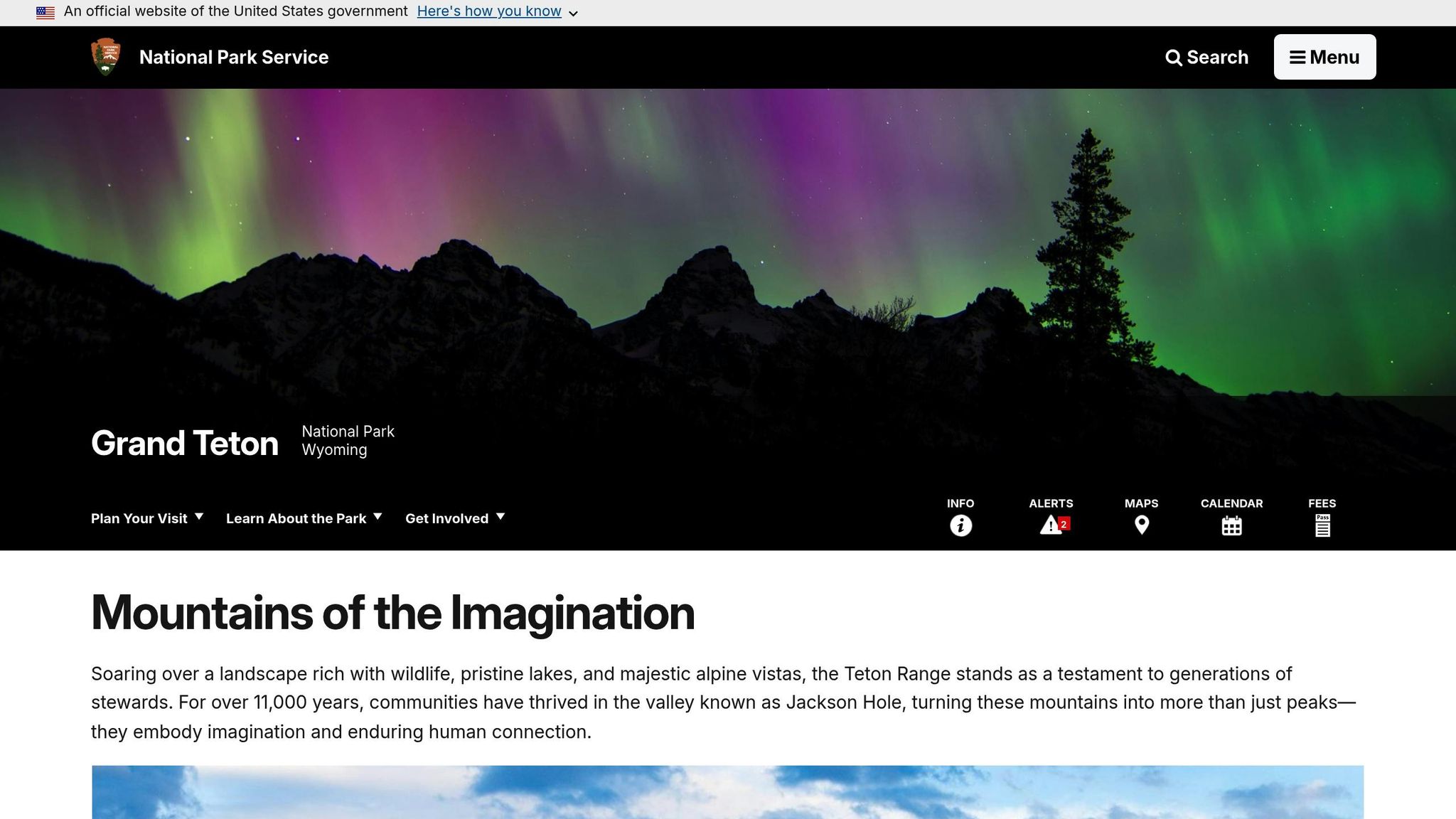
Grand Teton National Park is a shining symbol of the untamed beauty and history of the American West. Famous for its striking granite peaks and sweeping landscapes, it also serves as a gateway to the storied past of nearby Jackson Hole. Long before European settlers arrived, Native American tribes relied on the area for hunting and seasonal migration. Later, explorers and mountaineers were drawn to the towering Teton Range. Established in 1929, the park followed Yellowstone’s lead (America’s first national park, founded in 1872), reflecting a growing commitment to preserving both natural beauty and cultural heritage.
Historical Sites
The park offers more than just breathtaking mountain views – it holds echoes of the American frontier. The Snake River, which winds through the park, was once a vital route for trappers and settlers. Today, visitors can enjoy scenic overlooks that highlight the river’s historical significance in shaping the region.
Just beyond the park’s boundaries, Jackson Hole provides a deeper dive into frontier history. Historic ranches and early settlements showcase how people adapted to the rugged mountain environment. The area also played a key role in the history of American mountaineering, adding another layer to its rich story.
Visitor Tips
To fully experience the park’s history, consider exploring Jackson Hole and nearby historic sites alongside Grand Teton’s natural wonders. Scenic drives within the park not only offer stunning views but also feature interpretive signs that tell the story of the landscape and its early inhabitants. Summer (June through September) is the best time to visit for longer days and full access to facilities, though spring and fall provide quieter experiences. Winter visits, while magical, require careful planning due to snow and cold weather.
Stop by the visitor centers for exhibits and ranger-led programs that delve into topics like frontier life and Native American heritage. To truly appreciate the park and its surroundings, plan for two to three days. Together with Yellowstone, Grand Teton weaves an incredible narrative of the national park movement in the American West.
Planning Your Historical Park Visit
Planning a trip to a historical park can be an exciting way to dive into America’s past while soaking in the natural beauty of these places. Whether you’re visiting one park or creating a multi-park itinerary, a little preparation can go a long way in helping you make the most of your visit. Here’s how to get started.
Itinerary Tips
Kick off your trip at the visitor center. Park rangers are an invaluable resource – they can help you decide which historical sites to prioritize and offer tips tailored to your schedule.
If your time is limited to just one or two days, focus on areas with a dense collection of historical landmarks. For instance, at Great Smoky Mountains National Park, Cades Cove is a must-see. This scenic loop drive is home to well-preserved 19th- and early 20th-century cabins and churches. Similarly, parks like Yellowstone also have clusters of historical sites that are perfect for short visits.
For those planning a multi-park adventure, grouping parks by region can save time and enhance your experience. In the West, consider pairing Yellowstone (2–3 days) with Grand Teton (about 2 days). This combination offers a rich narrative of the national park movement with minimal driving between stops. If you’re more interested in Eastern history, you could spend two days at Great Smoky Mountains and then explore other nearby historical destinations.
Before heading out, download park maps and historical guides from the National Park Service website. Many parks also provide orientation videos online, which can help you familiarize yourself with their unique historical stories before you even arrive.
Once you’ve mapped out your itinerary, the next step is choosing the best time to go.
Best Times to Visit
Timing your visit can make a big difference in both comfort and the availability of programs. Late spring through early fall (May–September) is generally the best time to visit, as most facilities are fully operational. However, summer also brings larger crowds and longer wait times at popular spots.
Spring (April–May) and fall (September–October) often offer the perfect balance of pleasant weather and smaller crowds. For example, Great Smoky Mountains is especially stunning in the fall, with its vibrant foliage providing a breathtaking backdrop for historical exploration. On the other hand, higher-elevation parks like Crater Lake typically don’t open fully until late June or early July and may shut down facilities by September or October.
Winter (December–February) can be a quieter time to visit, but many parks reduce hours and ranger-led programs during this season. Some parks, however, maintain year-round access to historical sites. If you’re planning a winter trip, check current conditions to avoid surprises.
Once you’ve settled on your travel dates, take advantage of the resources each park offers to deepen your historical experience.
Park Resources
Ranger-led programs are a fantastic way to learn about the history of a park. These free tours and talks, which usually last an hour or two, provide insights you won’t find on interpretive signs. For example, in Yellowstone, rangers often discuss Native American history and early exploration, while Great Smoky Mountains features programs on Cherokee heritage and early Appalachian settlers.
Visitor centers are another treasure trove of information. Most offer free orientation films (typically 15–30 minutes long) and exhibits that can set the stage for your visit. Some indoor exhibits may require reservations, so it’s a good idea to check availability in advance. Be sure to pick up historical maps and interpretive guides while you’re there.
For more detailed trip planning, consider using The National Park Guide. It provides in-depth information on every U.S. national park, including itineraries, trail maps, and insider tips. This guide can help you plan your visit from home and make sure you don’t miss any must-see historical sites.
Keep in mind that park entrance fees typically range from $15 to $35 per vehicle for a 7-day pass. If you’re planning to visit multiple parks, the America the Beautiful Annual Pass costs $80 and offers unlimited access for a year – a great option for history buffs. Also, check for free entrance days, which are often scheduled around national holidays.
To strike a balance, consider splitting your time between historical exploration and enjoying the park’s natural features. A good rule of thumb is to spend about 40–50% of your time at historical sites and the remaining 50–60% on scenic drives, nature hikes, or other outdoor activities. Starting your day at visitor centers and historical landmarks can help you beat the crowds and the heat, leaving the afternoons for leisurely outdoor adventures.
With these tips, you’ll be well-prepared to explore America’s rich history while savoring the beauty of its national parks.
Conclusion
These seven parks capture the essence of American history, spanning ancient indigenous traditions to the rise of the modern conservation movement. Each park offers a distinct glimpse into the past, whether you’re walking through historic settlements or marveling at awe-inspiring natural landscapes. For instance, Great Smoky Mountains honors the rich Appalachian and Cherokee heritage, while Yellowstone, established in 1872, marked the beginning of the national park system in the United States.
Together, these parks do more than preserve history – they reveal the changing relationship between Americans and their land. From the Grand Canyon’s breathtaking geological story, formed over millions of years, to the historic landmarks scattered along the Eastern seaboard, each park tells a unique chapter of the nation’s journey. The fact that Great Smoky Mountains sees over 10 million visitors each year underscores how deeply these connections resonate with people today.
Whether you’re fascinated by ancient archaeological sites, early American settlements, or the roots of environmental awareness, these national parks provide opportunities to experience history firsthand. Their extensive trails and sweeping landscapes bring together natural beauty and cultural significance. Parks like Grand Teton, with its well-preserved historic sites, further illuminate the frontier spirit that helped define America.
If you’re ready to embark on your own historical adventure, The National Park Guide (https://thenationalparkguide.com) is your go-to resource. From detailed itineraries and trail maps to insider tips for history buffs, it has everything you need to plan your journey. Visiting these parks is more than a trip – it’s a connection to the generations who shaped the story of America.
FAQs
What historical landmarks can you explore in Acadia National Park?
Acadia National Park is not just a haven for natural beauty; it’s also a place steeped in history. For thousands of years, the Wabanaki people called this area home, leaving behind traces of their deep connection to the land. Today, visitors can explore sites that reflect their enduring heritage.
The park’s historic charm extends to its iconic carriage roads and stone bridges, crafted in the early 20th century under the vision of philanthropist John D. Rockefeller Jr. These meticulously designed features blend seamlessly with the surrounding landscape, offering a glimpse into a bygone era.
One landmark you can’t skip is the Bass Harbor Head Light. Built in 1858, this lighthouse stands as a proud symbol of Maine’s maritime past. Whether you’re hiking the trails or simply soaking in the breathtaking views, Acadia seamlessly weaves together history and nature in a way that’s hard to find anywhere else.
How has Yellowstone National Park’s indigenous history shaped its modern conservation efforts?
Yellowstone National Park’s history is deeply intertwined with the lives and traditions of Native American tribes. For thousands of years, tribes like the Shoshone, Crow, and Bannock called this land home. They cultivated a profound understanding of its ecosystems, relying on sustainable practices to live in harmony with the environment. Their relationship with the land wasn’t just about survival – it was rooted in respect and stewardship.
Today, Yellowstone works closely with tribal nations to honor this legacy. By incorporating indigenous knowledge into conservation efforts, the park not only safeguards its landscapes and wildlife but also ensures the voices and traditions of its original caretakers are acknowledged and preserved for generations to come.
Why is Grand Teton National Park important to the history of American mountaineering and frontier life?
Grand Teton National Park stands out in American history, celebrated for its dramatic peaks and ties to the nation’s past. The striking Teton Range has captivated mountaineers since the early 1900s, offering both challenging climbs and awe-inspiring vistas. The first documented ascent of the Grand Teton in 1898 remains a milestone in the story of American mountaineering.
But the park’s significance goes beyond its climbing heritage. It provides a window into frontier life through places like the Mormon Row Historic District. Here, preserved homesteads and weathered barns reflect the determination of early settlers, telling tales of survival and grit in the rugged American West. Exploring these historic landmarks allows visitors to connect with the adventurous and resilient spirit that shaped the region.