
National parks aren’t just about nature – they’re also home to incredible food experiences that reflect their regions. From Southern dishes near the Great Smoky Mountains to seafood delights at Acadia, each park offers flavors tied to local traditions. Here’s a quick look at what makes these destinations special for food enthusiasts:
- Hot Springs National Park (AR): Southern classics near historic Bathhouse Row.
- Capitol Reef National Park (UT): Farm-to-table dining at Hell’s Backbone Grill.
- Acadia National Park (ME): Lobster, popovers, and blueberry-inspired dishes.
- Saguaro National Park (AZ): Sonoran hot dogs and desert-inspired cuisine.
- Badlands National Park (SD): Bison steaks and Native American fry bread.
- Grand Canyon National Park (AZ): Southwestern flavors at iconic El Tovar.
- Grand Teton National Park (WY): Game meats like elk and bison, plus huckleberries.
- Yellowstone National Park (WY/MT/ID): Bison short ribs and Roosevelt baked beans.
- Olympic National Park (WA): Pacific Northwest seafood like smoked salmon.
- Great Smoky Mountains National Park (TN/NC): Appalachian comfort food and barbecue.
Planning ahead is key: many park restaurants have limited seating or seasonal menus. Don’t miss out on these culinary gems while exploring the great outdoors.
1. Hot Springs National Park
Local Dining Overview
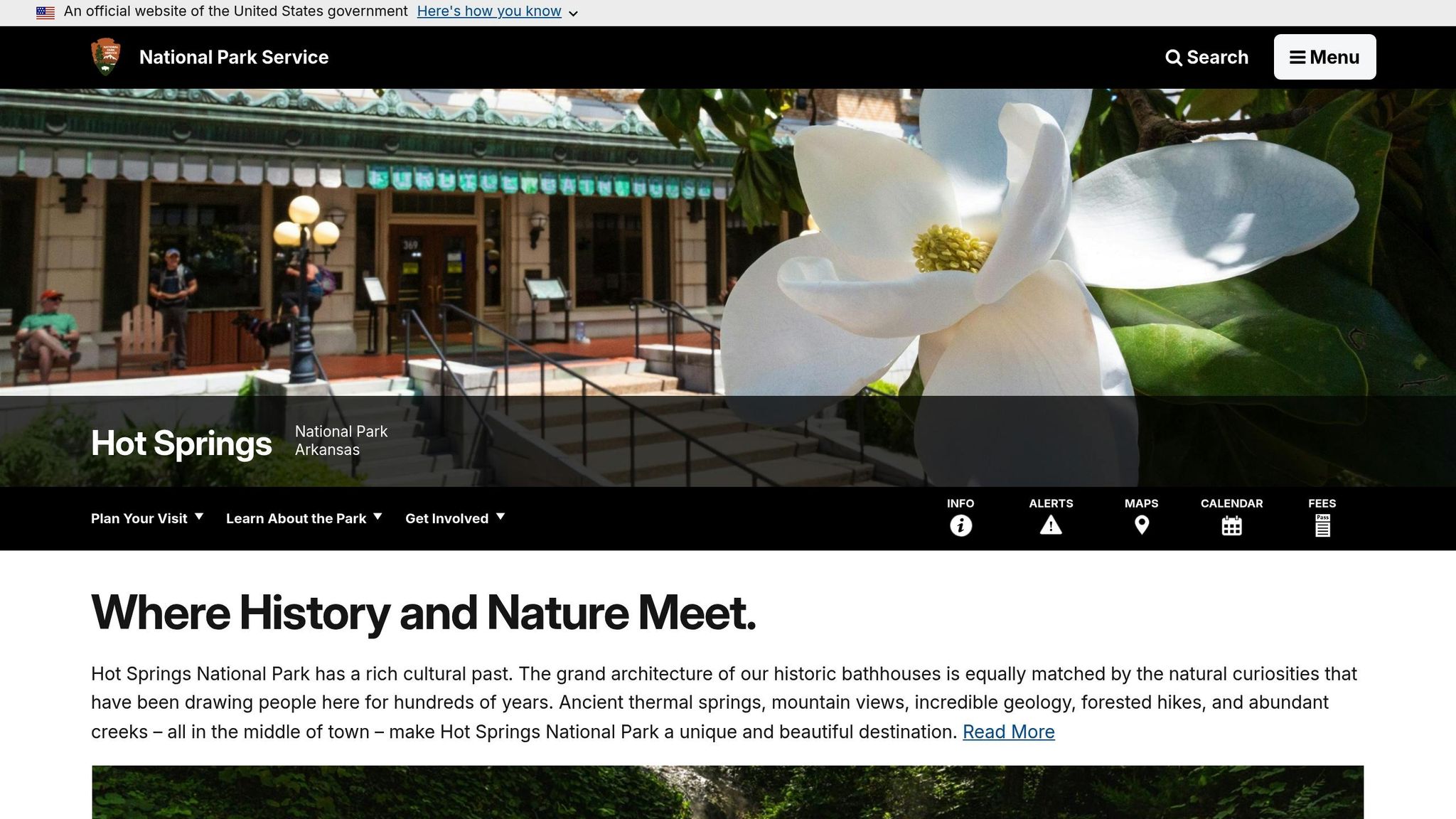
Hot Springs National Park in Arkansas offers more than just scenic beauty – it’s a gateway to Southern heritage and flavors. Just steps away in the town of Hot Springs, visitors can dive into a culinary journey that celebrates the region’s rich traditions.
Exploring the Local Eateries
The historic downtown area, especially near the iconic Bathhouse Row, is brimming with local restaurants that serve up classic Southern dishes. Many of these spots pride themselves on using fresh, locally sourced ingredients, ensuring every bite reflects the authentic taste of the region.
A Taste of Tradition
Hot Springs isn’t just about good food – it’s also about its connection to wellness and community. The town’s spa culture intertwines with its culinary offerings, creating a unique experience. Seasonal farmers’ markets and local events highlight Arkansas-grown produce and time-honored recipes, adding a fresh and personal touch to the food scene.
2. Capitol Reef National Park
Dining Options Near the Park
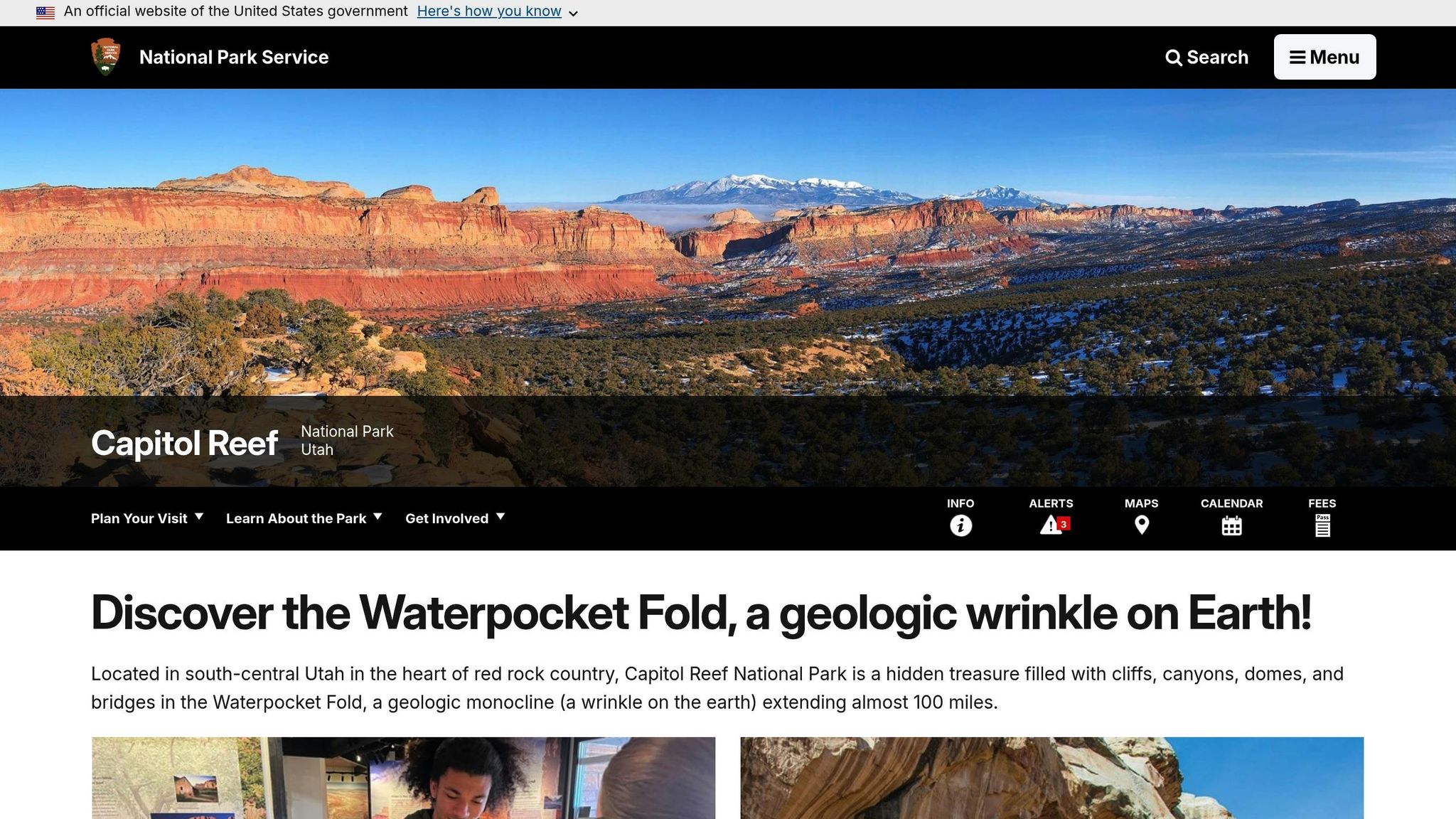
While Capitol Reef National Park in Utah might not be a foodie destination, just outside its boundaries lies a true hidden treasure: Hell’s Backbone Grill. Nestled in the remote town of Boulder, Utah – one of the most secluded spots in the country and close to Grand Staircase-Escalante National Monument – this restaurant has gained a reputation for its outstanding, locally-sourced cuisine. The grill takes pride in crafting seasonal dishes that highlight the area’s natural bounty.
Celebrating Local Flavors
Hell’s Backbone Grill is all about showcasing the best of Utah’s agricultural offerings. Their menu is built around ingredients from their own organic, "no-harm" farm, along with local grass-fed beef, fresh orchard fruits, and garden vegetables. Every dish is designed to reflect the unique flavors of the high desert region. This farm-to-table approach not only overcomes the challenges of operating in such a remote area but also creates a strong connection to the local culinary traditions by collaborating with nearby orchards and producers.
If you’re planning to visit, make sure to book a reservation in advance. The scenic drive to Boulder and the unforgettable dining experience are well worth it.
3. Acadia National Park
Signature Dishes and Regional Cuisine Highlights
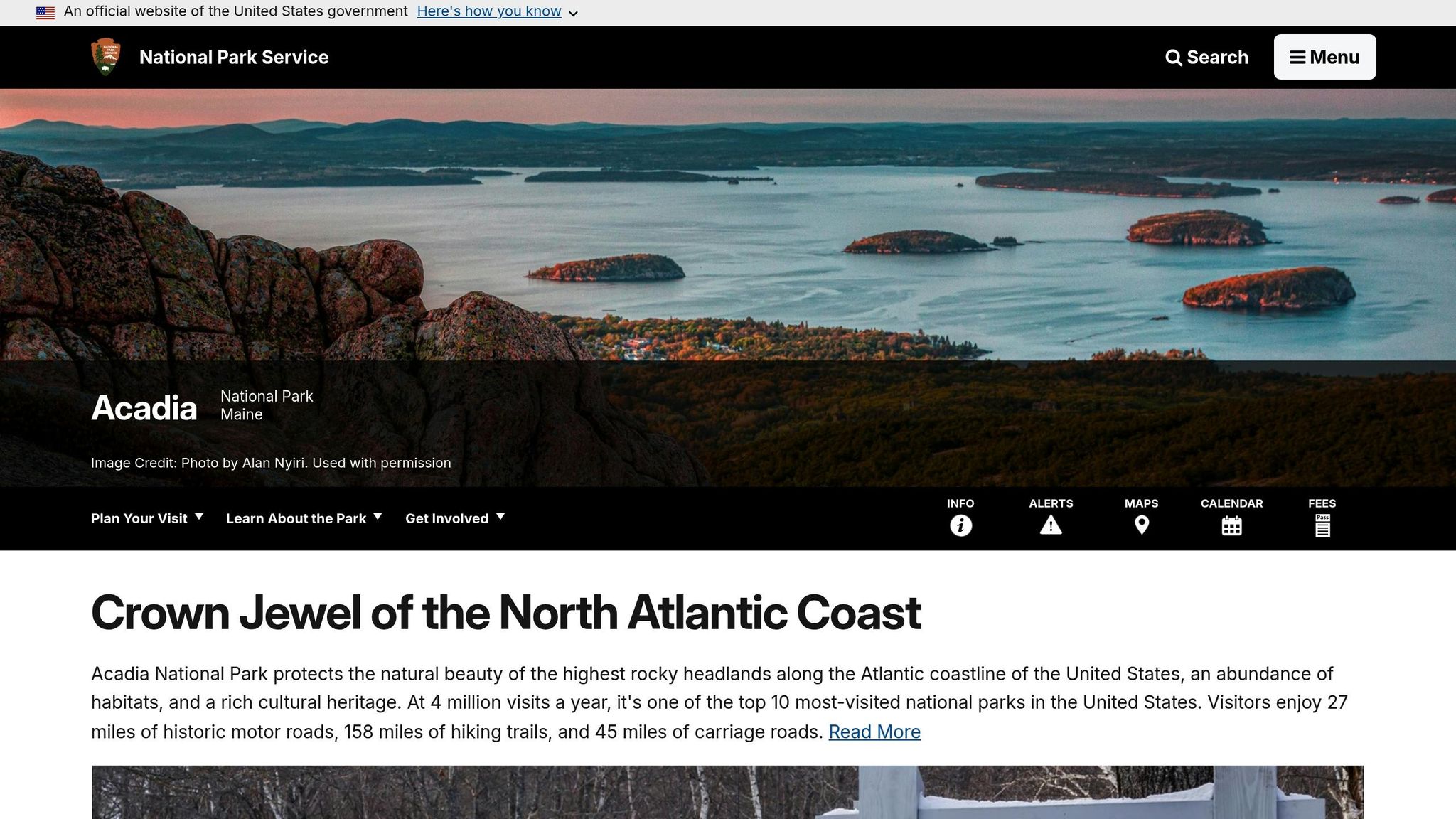
Nestled along Maine’s rugged coastline, Acadia National Park offers a taste of the region’s freshest seafood and unique local flavors. Menus in the area are brimming with options like lobster, clams, and a variety of fish, often paired with a delightful blueberry twist. Standout dishes include light, airy popovers served with sweet blueberry jam and hearty bowls of fresh fish chowder – both of which perfectly capture the essence of Acadia’s coastal charm.
Notable Dining Establishments Within or Near the Park
For those looking to savor Acadia’s signature flavors, Jordan Pond House is a must-visit spot. Located within the park itself, this iconic restaurant has become synonymous with Acadia’s culinary scene. Renowned for its popovers and fish chowder, it consistently earns rave reviews. One enthusiastic diner even proclaimed it was “the best we’ve had” when compared to dining experiences at other national parks.
Connection to Local Culinary Traditions
The dining culture in Acadia reflects Maine’s rich coastal heritage, blending fresh, locally sourced ingredients with time-honored traditions. Many restaurants collaborate directly with nearby farms and fishermen, creating a true farm-to-table experience. Blueberries, a hallmark of the region, have a particularly deep history here. Long before European settlers arrived, Native American tribes harvested wild blueberries, a practice that continues to shape the area’s culinary identity. Visiting Acadia in late summer offers a unique opportunity to enjoy these berries at their seasonal best.
Additionally, many chefs in the area are mindful of dietary needs, offering options that cater to a variety of preferences and restrictions.
4. Saguaro National Park
Signature Dishes and Regional Cuisine Highlights
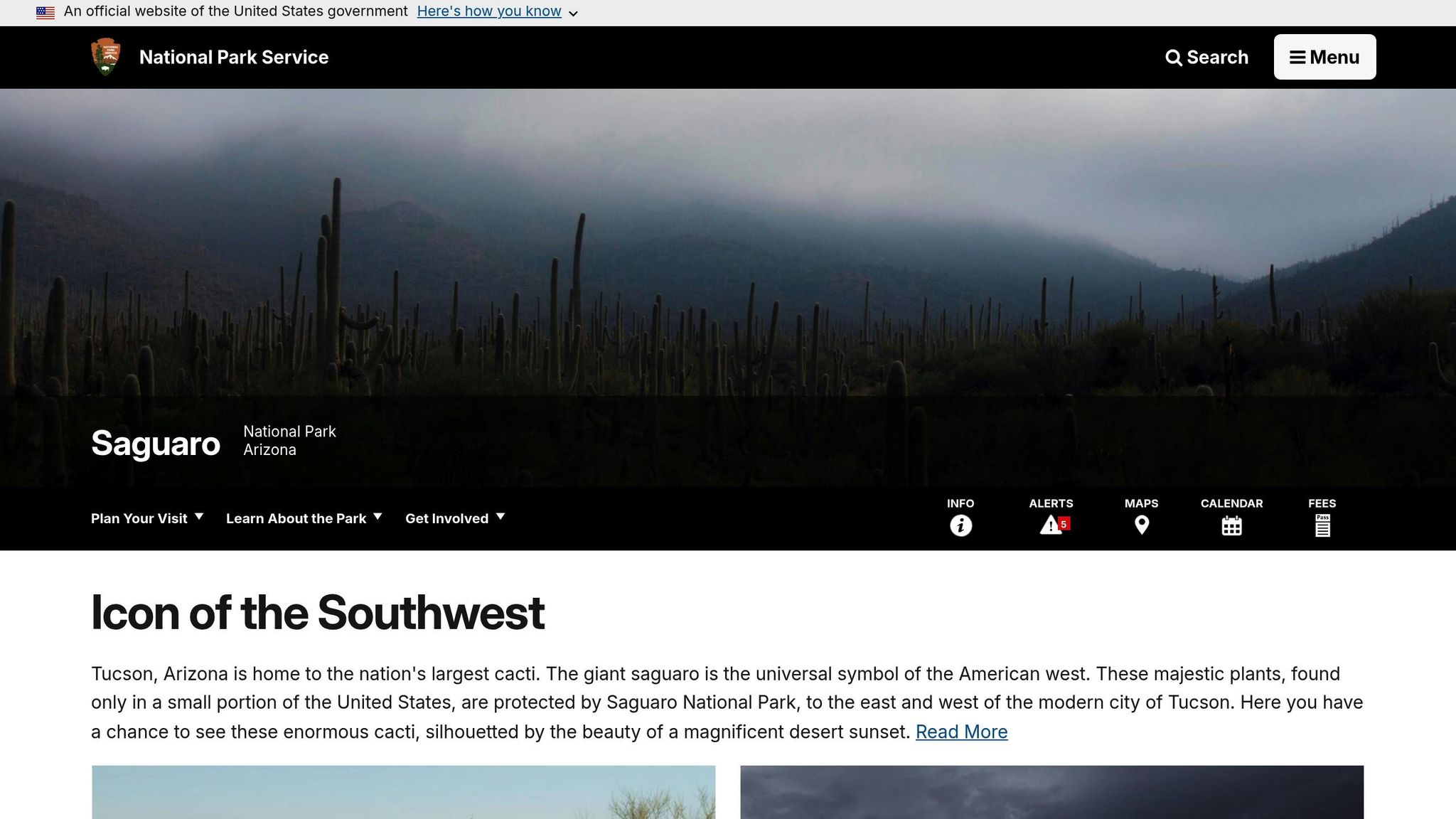
Nestled in the Sonoran Desert near Tucson, Arizona, Saguaro National Park boasts a vibrant culinary scene that blends Mexican and Southwestern flavors. The park’s proximity to the U.S.–Mexico border plays a big role in shaping its distinct food culture.
Some must-try dishes include the iconic Sonoran hot dog – a bacon-wrapped frankfurter served in a bolillo-style bun and piled high with pinto beans, grilled onions, fresh tomatoes, jalapeño salsa, mustard, and mayonnaise. Other regional favorites like carne asada tacos, green chile stew, and chimichangas also take center stage.
The local cuisine celebrates the unique ingredients of the Sonoran Desert. Prickly pear cactus is a standout, showing up in everything from margaritas to jellies. Mesquite flour, with its nutty flavor, enhances breads and desserts, while traditional ingredients like cholla buds, tepary beans, and saguaro fruit – long cherished by the Tohono O’odham people – are now making their way into modern dishes. These native flavors bring an authentic taste of the desert to the table.
Notable Dining Establishments Within or Near the Park
If you’re exploring Saguaro National Park, a short trip to Tucson will reward you with some fantastic dining options. El Güero Canelo is a local favorite, famous for its Sonoran hot dogs. For something more upscale, Café Poca Cosa in downtown Tucson offers an ever-changing menu of creative Mexican dishes that highlight seasonal ingredients. Meanwhile, Mi Nidito serves hearty plates that reflect the rich Mexican-American culinary traditions of the area.
Connection to Local Culinary Traditions
The park’s culinary offerings are deeply tied to the region’s rich history and traditions. Indigenous groups like the Tohono O’odham have long harvested native desert plants, while Spanish and Mexican influences introduced new ingredients and cooking techniques. This blending of cultures has shaped what is now known as Tucson cuisine. Many local restaurants honor this heritage by partnering with regional farmers and indigenous food producers, crafting dishes that celebrate native ingredients and reflect the beauty of the surrounding desert landscape.
5. Badlands National Park
Signature Dishes and Regional Cuisine Highlights
Badlands National Park, located in the heart of South Dakota’s Great Plains ranching country, offers a dining experience that reflects the area’s frontier roots and Native American heritage. The spotlight here is on bison and beef, staples of the region’s culinary identity. Visitors often rave about the bison steaks, a must-try for anyone exploring the park. Another standout is Native American fry bread, which can be enjoyed plain or as the base for Indian tacos – a dish bursting with flavor and history.
Menus in the area shift with the seasons. In the summer, expect dishes featuring fresh, light produce, while winter menus lean into hearty, comforting fare to warm you up after a day of exploration.
Notable Dining Establishments Within or Near the Park
For dining options, the town of Wall, South Dakota, serves as the main hub for visitors. Located near one of the park’s entrances, Wall offers a variety of casual and family-friendly restaurants. Many of these establishments focus on locally sourced meats and classic American dishes, making it easy to enjoy a meal that reflects the region’s character.
If you’re looking for alternatives, the nearby town of Interior also has a few dining spots, though the choices there are more limited. Keep in mind that dining hours often change with the seasons to accommodate visitor traffic.
Connection to Local Culinary Traditions and Unique Food Experiences
The food culture around Badlands National Park is deeply tied to the land and its history. The park’s proximity to the Pine Ridge Indian Reservation helps keep Oglala Lakota culinary traditions alive and accessible. Traditional dishes, like wojapi – a rich berry sauce made from native fruits – are a testament to this heritage and can often be found on local menus.
Bison, a cornerstone of the region’s cuisine, honors age-old traditions while also supporting sustainable ranching practices that are integral to the area. By sourcing ingredients locally, the dishes served near Badlands are not just flavorful – they’re a direct reflection of the landscape and the people who call it home.
6. Grand Canyon National Park
Signature Dishes and Regional Cuisine Highlights
The Grand Canyon isn’t just a feast for the eyes – it’s also a destination for food that reflects its rich cultural and natural heritage. The local cuisine draws heavily from Native American and Mexican traditions, with staples like corn, beans, and chiles taking center stage. Add in locally sourced meats and produce, and you have flavors that echo the essence of the desert landscape.
Around the canyon, you’ll find dishes that bring authentic Southwestern and traditional Mexican flavors to life. These meals do more than satisfy hunger – they offer a glimpse into the centuries-old culinary traditions of Native American tribes such as the Navajo and Hopi. It’s a dining experience that feels as timeless as the canyon itself.
Notable Dining Establishments Within or Near the Park
One of the most iconic spots is El Tovar Restaurant, perched right on the South Rim since 1905. With its stunning canyon views, it’s a favorite for visitors seeking a special dining experience. The menu here has evolved to reflect modern culinary trends while staying true to its roots in quality and tradition. It’s the perfect place to toast a successful hike, especially after tackling something as ambitious as a rim-to-rim trek.
For those venturing deeper into the canyon, Phantom Ranch offers a truly unique experience. Accessible only by hiking, mule ride, or rafting, this remote spot serves up hearty, family-style meals. Dining here feels like a well-deserved reward after the effort it takes to reach the canyon floor, making it an unforgettable part of any overnight stay.
Connection to Local Culinary Traditions and Unique Food Experiences
Dining at the Grand Canyon is more than just a meal – it’s a connection to the Southwest’s cultural roots. The use of indigenous ingredients and traditional cooking methods brings the region’s history to your plate.
Whether you’re savoring the historic charm and panoramic views at El Tovar or enjoying a communal meal at Phantom Ranch, the food adds another layer to your Grand Canyon experience. Be sure to check current dining hours through park resources or The National Park Guide before planning your visit.
7. Grand Teton National Park
Signature Dishes and Regional Cuisine Highlights
Grand Teton National Park offers a taste of Wyoming’s ranching roots with hearty mountain-inspired cuisine. Local menus often feature game meats like bison burgers and elk steaks, paired with fresh trout that brings the park’s natural bounty to the table. These dishes reflect the region’s deep connection to hunting, fishing, and ranching traditions.
One standout ingredient is huckleberries. These sweet-tart berries are a local favorite, appearing in everything from pancakes and jams to savory sauces that elevate dishes like elk or trout. The focus on seasonal and locally sourced ingredients ensures that every bite feels tied to the surrounding landscape. Whether it’s a tender elk steak, a perfectly cooked trout fillet, or a dessert bursting with wild berries, the flavors of this region offer an unforgettable culinary experience.
Notable Dining Establishments Within or Near the Park
For an elevated dining experience with breathtaking views, head to The Mural Room at Jackson Lake Lodge. Here, you’ll find dishes like elk tenderloin and wild salmon, served with a refined touch that matches the stunning Teton backdrop.
If you’re in the mood for something more casual, Dornan’s Restaurant in Moose is a great choice. Known for its classic American fare with a local twist, it’s a favorite among both visitors and locals. Their hearty burgers and fresh salads are perfect after a day of exploring the park.
Just outside the park in Jackson Hole, Snake River Grill is known for its creative takes on regional game and fresh fish dishes. For a quick but delightful stop, Persephone Bakery offers artisanal breads and pastries made with local ingredients – ideal for a trail-ready snack or a relaxed coffee break. For a special evening, The Blue Lion in Jackson Hole serves upscale American cuisine alongside an impressive wine list, making it a great spot to unwind after a day in the wilderness.
Connection to Local Culinary Traditions and Unique Food Experiences
The local dining scene goes beyond just great food – it’s a celebration of Wyoming’s frontier heritage. Places like Jackson Lake Lodge offer more than meals; they create moments where the Tetons become part of the experience. Dining here feels like a connection to the land itself.
Seasonal events, like huckleberry festivals, highlight the region’s cherished ingredients and provide a chance to sample handcrafted treats while learning about local food traditions. Farmers’ markets in Jackson Hole add another layer to the experience, offering fresh regional specialties and the opportunity to meet the people who grow and prepare them.
For those eager to dig deeper, culinary tours and occasional cooking classes provide a hands-on way to explore traditional recipes and the stories behind them. These experiences offer a richer appreciation of how the area’s history and natural resources shape its cuisine.
Before you plan your meals, check restaurant hours and seasonal availability through The National Park Guide to ensure everything is open during your visit. Grand Teton’s blend of tradition, natural flavors, and culinary creativity makes dining here as memorable as the park’s stunning scenery.
sbb-itb-00512f3
8. Yellowstone National Park
Signature Dishes and Regional Cuisine Highlights
Yellowstone’s food scene celebrates the hearty traditions of the American West. A must-try is the Roosevelt baked beans – a rich, four-bean dish named after President Theodore Roosevelt, embodying the park’s historic charm. Another standout is the bison short ribs, a flavorful nod to the region’s ranching roots and iconic wildlife. The menus here focus on hearty, classic American dishes designed to fuel your adventures in the park, making every meal part of the Yellowstone experience.
Notable Dining Establishments Within or Near the Park
Dining in Yellowstone is centered around its lodge-based restaurants, which offer both convenience and stunning views. These establishments provide a chance to enjoy a meal without venturing far from the park’s breathtaking landscapes. Be sure to make reservations in advance to secure your spot and take in the scenery while savoring your meal.
Connection to Local Culinary Traditions
Yellowstone’s cuisine is steeped in the practical, hearty flavors of frontier cooking. Dishes like Roosevelt baked beans are a delicious nod to early conservation efforts, while bison offerings highlight the park’s ecological heritage. These traditional, no-frills meals pair perfectly with the rugged beauty of the park, adding depth to your visit.
Before heading to Yellowstone, check restaurant hours and availability through The National Park Guide to ensure you can enjoy these signature dishes in the unique setting of America’s first national park.
9. Olympic National Park

Signature Dishes and Regional Cuisine Highlights
Olympic National Park is a haven for Pacific Northwest cuisine, with a spotlight on fresh, local seafood. One standout dish is the smoked salmon hash with poached eggs served at Kalaoch Lodge. This dish perfectly captures the essence of the region’s culinary heritage, combining local seafood with seasonal ingredients that reflect the area’s natural bounty.
Menus throughout the park emphasize locally sourced ingredients, showcasing the best of the Pacific Northwest. From freshly caught seafood to wild blackberries foraged nearby, the focus on seasonal produce ensures every dish is served at its peak flavor.
Notable Dining Establishments Within or Near the Park
The park is home to several dining spots that have earned a reputation for excellence.
- Lake Crescent Lodge: Known as one of the best dining destinations in Olympic National Park, this lodge consistently receives high praise. One visitor described their experience as enjoying "really really great dinners".
- Kalaoch Lodge: Famous for its breakfast offerings, this lodge stands out for its coastal charm and exceptional seafood dishes.
Connection to Local Culinary Traditions
The food served in Olympic National Park reflects the deep maritime roots of the Pacific Northwest. Smoked salmon, a hallmark of the region, is not just a dish but a tradition passed down through generations. Today, the park’s restaurants honor this legacy by using fresh, locally sourced ingredients, creating meals that celebrate the surrounding waters and forests.
For the latest dining hours and seasonal menu updates, refer to The National Park Guide.
10. Great Smoky Mountains National Park
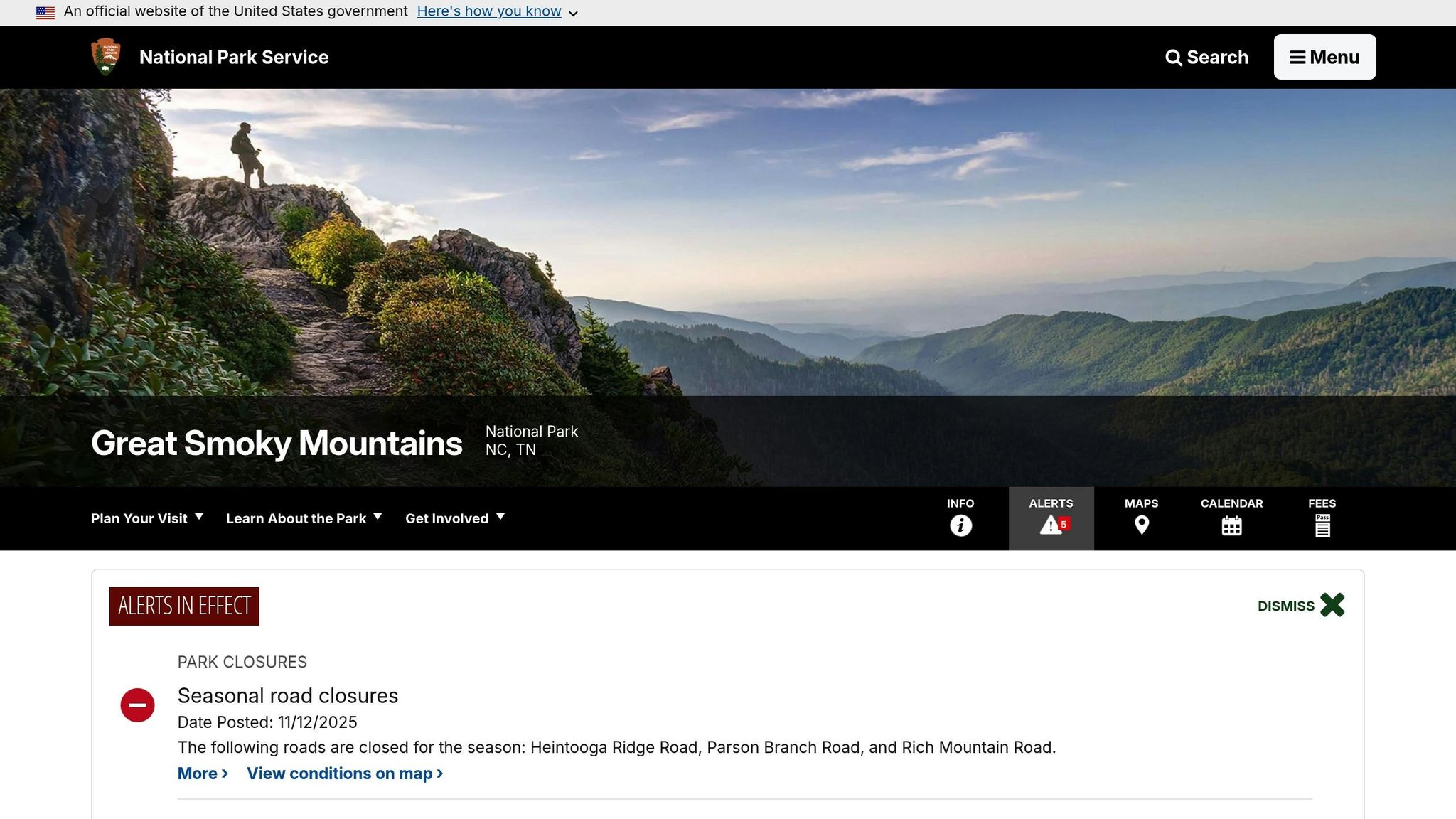
Signature Dishes and Regional Cuisine Highlights
When it comes to food, Great Smoky Mountains National Park offers a taste of Southern Appalachian tradition. The cuisine here is a comforting mix of hearty dishes, showcasing influences from both Tennessee and North Carolina. Think of it as a culinary crossroads where each barbecue style tells its own flavorful story. The recipes, steeped in history, echo the region’s deep-rooted heritage.
Notable Dining Establishments Within or Near the Park
Dining inside the park is fairly limited, but the surrounding gateway towns more than make up for it. These nearby spots boast a range of options, from rustic diners to chic bistros, all celebrating the region’s ingredients and flavors. Whether you’re craving a classic Appalachian dish or a creative spin on a local favorite, these eateries promise a memorable culinary experience that pairs perfectly with the park’s charm.
Connection to Local Culinary Traditions
The food culture of the Great Smoky Mountains is a melting pot of influences, drawing from Native American, Scottish-Irish, and African American roots. This blend has shaped a cuisine that thrives on resourcefulness and fresh, local ingredients. Whether you’re digging into a simple meal at a cozy diner or savoring a more refined dish in a modern setting, the flavors carry the essence of the region’s enduring traditions.
For the latest dining options and seasonal specialties, check out The National Park Guide at https://thenationalparkguide.com.
Top 3 National Parks with the Best Food!
Park Comparison Table
Here’s a quick look at the standout culinary offerings across some of the most celebrated national parks. From iconic dishes to must-visit dining spots, this table highlights the flavors and experiences that make each park special.
| Park Name | Signature Dishes | Recommended Restaurants | Regional Cuisine Type | Special Features |
|---|---|---|---|---|
| Capitol Reef National Park | Organic farm vegetables, grass-fed beef, sustainable ingredients | Hell’s Backbone Grill | Utah regional, sustainable | Features its own "no-harm" organic farm and sources produce from local orchards |
| Acadia National Park | Popovers with blueberry jam, fresh lobster, whoopie pies, blueberry pancakes | Jordan Pond House, Trenton Lobster Pound, The Pickled Wrinkle | Maine coastal, seafood | Year-round popover service at Jordan Pond House |
| Grand Canyon National Park | Free-range products, vegan options, vegetarian dishes, Southwestern flavors | Grand Canyon Lodge (North Rim), El Tovar Dining Room (South Rim) | Southwestern regional | Part of the "Healthy Parks Healthy People" initiative, offering diverse dietary options |
| Yellowstone National Park | Bison short ribs, Roosevelt baked beans (four bean variety), wild game | Old Faithful Inn Dining Room, Lake Hotel Dining Room | American regional, Western | Enjoy historic lodge dining with stunning park views |
| Olympic National Park | Fresh Pacific seafood, Dungeness crab, wild salmon, foraged mushrooms | Lake Crescent Lodge, Kalaloch Lodge | Pacific Northwest coastal | Highlights locally caught seafood and seasonal ingredients |
Whether you’re craving fresh seafood, hearty Western flavors, or farm-to-table dining, these parks offer unforgettable meals alongside breathtaking scenery.
Conclusion
As we’ve explored, each national park offers more than just stunning landscapes – they’re also home to some of the most flavorful and regionally inspired dishes in the United States. From the smoked salmon hash at Kalaoch Lodge in Olympic National Park to the farm-to-table creations near Capitol Reef, these destinations blend outdoor exploration with culinary delight. After a day of hiking in Grand Teton, sitting down to a locally sourced meal adds a whole new layer to the experience.
The variety of dining options ensures something for everyone, whether you’re after a casual bite with the family or an elegant meal paired with a breathtaking sunset. Each of the ten parks highlighted here showcases a distinct culinary identity, rooted in local traditions and ingredients that have defined these regions for generations.
Seasonal menus add another dimension to the experience, offering fresh summer produce or hearty winter dishes that complement the park’s natural beauty. Whether you’re savoring the popovers at Jordan Pond House, indulging in bison short ribs at Old Faithful Inn, or enjoying the smoked salmon hash at Kalaoch Lodge, these parks demonstrate how food and adventure beautifully intersect.
To make the most of your trip, plan ahead. Research dining options, especially if you’re visiting places with seasonal menus or limited seating. Time your visit to enjoy peak local ingredients, and don’t forget to communicate any dietary needs when making reservations. The National Park Guide’s Local Guide tool is a helpful resource for finding nearby accommodations and restaurants to complete your adventure.
These ten national parks prove that outdoor exploration and exceptional dining truly go hand in hand. Start planning your next trip with The National Park Guide and discover these culinary gems for yourself.
FAQs
How can I make the most of dining at national parks, especially with limited seating and seasonal menus?
Planning ahead is key to having a memorable dining experience at national parks. Many restaurants in these areas operate seasonally or have limited seating, so it’s smart to check their hours and availability before your visit. If reservations are an option, especially during busy travel seasons, booking in advance can save you the hassle of waiting.
Take the opportunity to dive into the local and regional flavors unique to the park. Ask park staff or locals for recommendations on standout dishes you shouldn’t miss. To beat the crowds, consider dining during off-peak hours. And just in case seating is full or the wait is longer than expected, packing snacks or a picnic can be a lifesaver.
How do the food options at these national parks showcase the local culture and history of their regions?
The food experiences at national parks often mirror the distinct cultures, histories, and natural surroundings of their locations. Many parks highlight locally-sourced ingredients, traditional recipes, and flavors rooted in the heritage of the area. For instance, coastal parks might serve up fresh seafood, mountain regions could feature hearty game dishes, and areas with deep Native American roots may offer meals inspired by indigenous traditions.
Dining at these parks is more than just satisfying your appetite – it’s an opportunity to immerse yourself in the stories and customs of the region. Whether you’re enjoying a meal at a cozy lodge, a small café, or even exploring nearby farmers’ markets, every bite reveals a deeper connection to the park’s rich history and cultural identity.
When is the best time to visit these national parks to enjoy their signature dishes at their finest?
The ideal time to explore these national parks and enjoy their standout dishes often hinges on the seasonality of ingredients and special culinary events. Many parks celebrate local flavors with food festivals or menus featuring fresh, regionally-sourced ingredients that shine during specific times of the year.
Planning your visit for late spring or early fall is a smart choice. During these seasons, parks often highlight seasonal dishes, and the weather is typically perfect for outdoor adventures. Be sure to check with the parks or their dining venues ahead of time to discover their current seasonal specialties and make the most of your culinary experience.