
Looking for the perfect national park for a family camping trip? Here’s a quick guide to seven parks that cater to all ages, with activities ranging from easy trails to adventurous hikes, wildlife spotting, and scenic drives. Each park offers unique landscapes, family-friendly amenities, and seasonal highlights to make your trip memorable.
Top Picks for Family Camping:
- Yellowstone: Famous for geysers and wildlife, with stroller-friendly trails and educational programs like the Junior Ranger and Young Scientist initiatives.
- Yosemite: Stunning waterfalls and granite cliffs, with accessible trails and a free shuttle for easy navigation.
- Zion: Towering red rock canyons, easy rim hikes, and proximity to Springdale for extra conveniences.
- Rocky Mountain: Scenic drives, wildlife viewing, and over 350 miles of trails near the family-friendly Estes Park.
- Glacier: Known for glacial lakes, wildlife, and water activities like kayaking and fishing.
- Grand Canyon: Iconic views, rim trails, and ranger-led programs that bring geology to life.
- Joshua Tree: Flat terrain, unique rock formations, and some of the best stargazing opportunities.
Key Tips:
- Best Seasons: Summer is ideal for Yellowstone, Glacier, and Rocky Mountain. Spring and fall are quieter and cooler for Zion, Yosemite, and the Grand Canyon. Visit Joshua Tree in fall through spring to avoid the desert heat.
- Reservations: Many campgrounds fill up quickly, so book early via Recreation.gov.
- Free Entry: Families with a 4th grader can get a free National Park pass for a year.
Each park offers a mix of easy trails, educational programs, and stunning views, ensuring there’s something for everyone in your family. Read on for detailed insights into each destination.
Top Ten National Parks for Kids – RV Family Best Parks
1. Yellowstone National Park
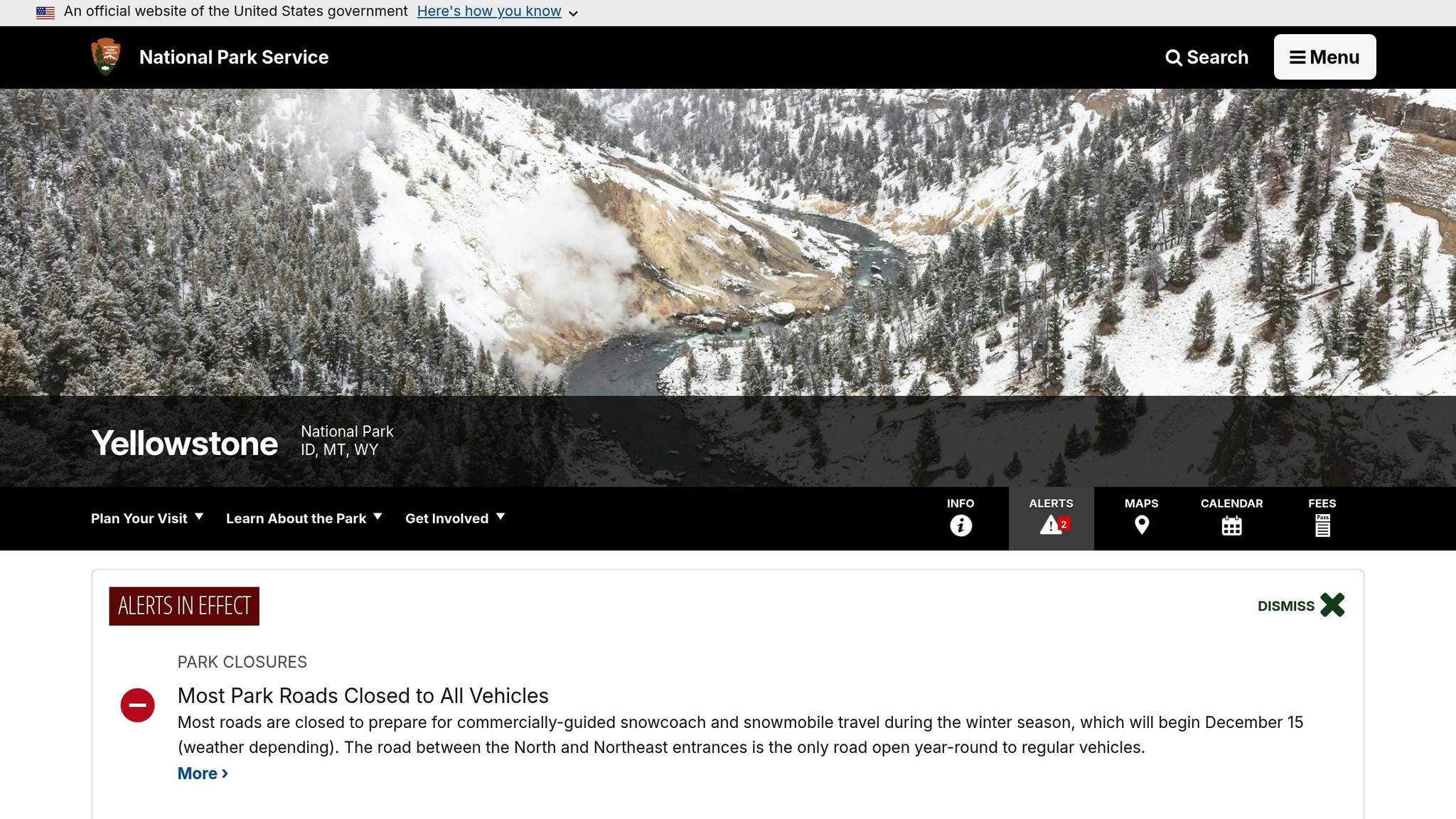
Yellowstone, the second most visited national park in the U.S., offers families a one-of-a-kind experience with its geothermal wonders and diverse wildlife. From iconic geysers to accessible activities for all ages, it’s a destination that captivates everyone – from toddlers to teens. Below, we dive into how Yellowstone’s amenities, activities, and seasonal perks make it a must-visit for families.
Family-Friendly Amenities
Yellowstone is well-equipped to welcome families, offering camping options and visitor centers designed with convenience in mind. Scattered throughout the park, these centers provide restrooms, educational exhibits, and helpful information, making exploration easier for families with young kids.
At the Old Faithful Visitor Center, children can participate in the Young Scientist Program, which introduces them to Yellowstone’s geothermal features through interactive, hands-on learning. Another favorite is the Junior Ranger program, where kids complete fun, age-appropriate activities to earn badges or certificates, turning their visit into a memorable educational adventure.
For overnight stays, Yellowstone’s campgrounds cater to both tent and RV campers. Reservations are highly recommended, especially during the bustling summer months, as spots fill up quickly.
Activities for All Ages
Yellowstone’s vast landscape offers something for everyone, whether your family prefers quiet moments in nature or action-packed exploration. Wildlife viewing is a perennial favorite – bears, elk, and moose can often be spotted from the comfort of scenic drives. Early mornings or evenings are the best times to catch these animals in action, creating unforgettable memories for kids.
The park’s geothermal features, like shooting geysers and colorful hot springs, are particularly exciting for younger children aged 4–10. Many of these attractions are stroller-friendly, making them accessible even for families with little ones.
Accessibility and Terrain
Yellowstone ensures accessibility with its well-maintained boardwalks and scenic drives, allowing families to enjoy major attractions like Old Faithful without the need for strenuous hikes. For those traveling with young children or anyone who prefers less physical activity, scenic drives are an excellent way to explore the park, spot wildlife, and reach key sites without leaving the car.
For more adventurous families, Yellowstone offers a range of hiking trails suited to different ages and fitness levels. Short, easy walks lead to stunning viewpoints and geothermal features, while older kids and teens might enjoy tackling more challenging day hikes. Park rangers at visitor centers can recommend trails tailored to your family’s needs.
Best Seasons for Camping
Summer (June through August) is the most family-friendly time to visit Yellowstone. Roads and facilities are fully operational, and daytime temperatures are comfortable, though evenings can be chilly due to the park’s elevation. Packing layers is a smart move.
Summer also brings ranger-led programs, open visitor centers, and prime wildlife viewing. However, it’s the busiest time of year, so securing campground reservations well in advance is essential.
Spring and fall offer quieter experiences but come with unpredictable weather and limited facility access, making these seasons better suited for experienced campers. Winter camping, on the other hand, demands specialized gear and expertise, making it less ideal for most families.
For the best experience, check Yellowstone’s website for up-to-date conditions before your trip. Bringing binoculars can enhance wildlife spotting, and insect repellent is a must during early summer. With a mix of educational programs, wildlife encounters, scenic drives, and hiking, Yellowstone promises a trip that will keep every family member engaged and entertained.
2. Yosemite National Park
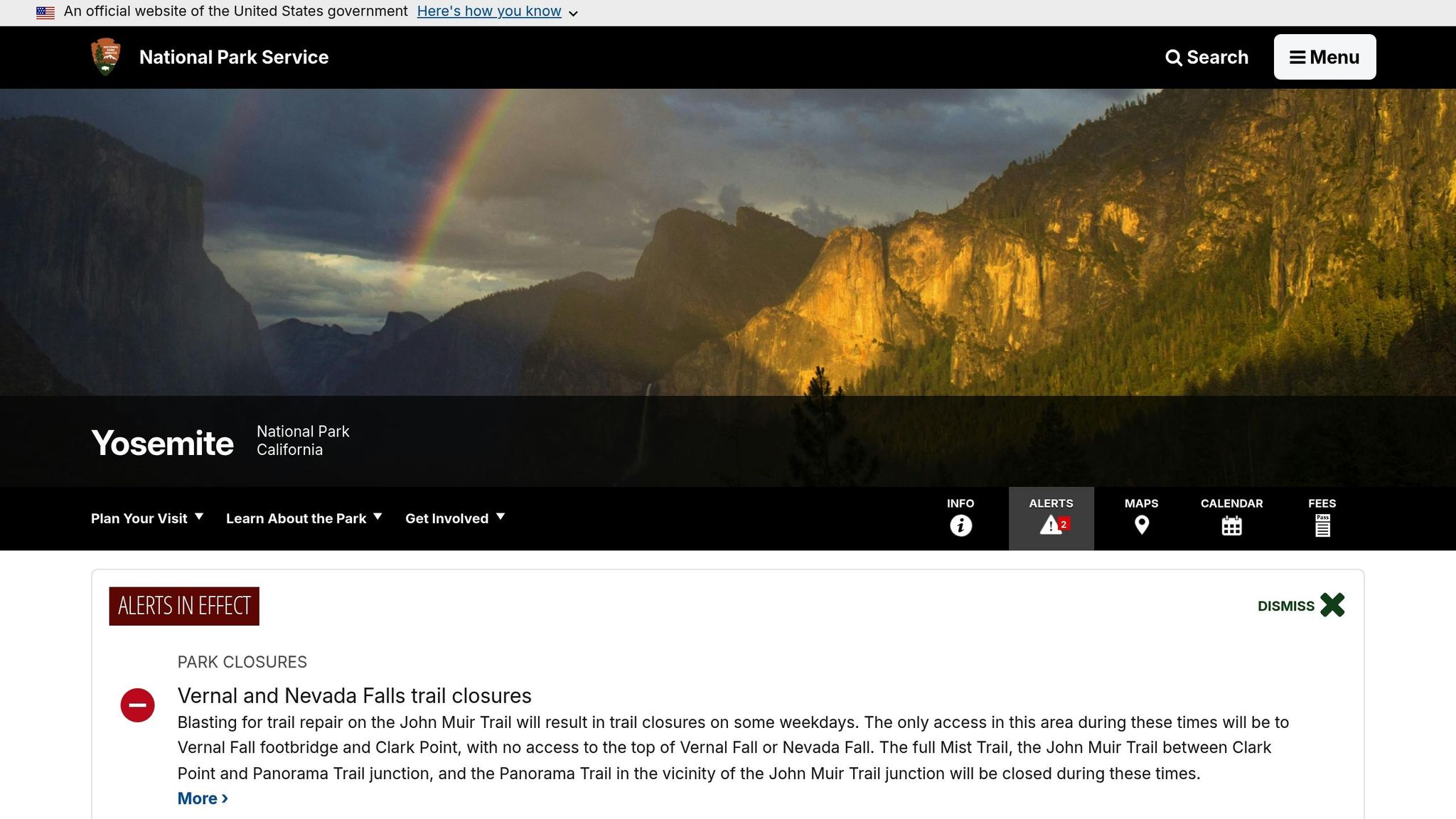
Yosemite National Park is a must-visit for families seeking a camping experience surrounded by stunning natural beauty. Known for its iconic granite cliffs, cascading waterfalls, and diverse landscapes, Yosemite offers 10 campgrounds with 1,220 camping spots, making it a prime destination to connect with nature. On top of that, the park is equipped with family-friendly amenities to ensure a comfortable stay.
Family-Friendly Amenities
Yosemite’s campgrounds are conveniently located near major attractions and trailheads, offering restrooms, water stations, and picnic areas to make your visit as seamless as possible. The visitor centers act as hubs for family adventures, complete with educational exhibits and helpful rangers ready to assist. Kids can join ranger-led programs that dive into the park’s geology, wildlife, and history, adding a fun and educational twist to the trip.
For added comfort, nearby communities like Mariposa, Oakhurst, and El Portal offer private campgrounds, vacation rentals, and lodges. These options come with perks like hot showers, laundry facilities, and even local dining spots – perfect for families looking for a little extra convenience.
Activities for All Ages
Yosemite’s diverse terrain ensures there’s something for everyone. Rivers, waterfalls, and designated swimming areas become family favorites during the warmer months, while hiking trails cater to all skill levels. Whether it’s a gentle valley walk or a challenging hike for adventurous teens, there’s a trail for every family member.
The park’s free shuttle system makes it easy to hop between trailheads and viewpoints without the stress of finding parking. For those who prefer a scenic drive, Tioga Road offers 46 miles of breathtaking views, complete with pullouts for photo stops. Along the way, families can take in the park’s wide-ranging ecosystems, from lush valley forests to serene alpine meadows.
Wildlife spotting is another highlight. Families may catch glimpses of black bears, mule deer, coyotes, and various bird species as they explore. For a deeper dive into the park’s ecology, ranger-led nature walks provide fascinating insights into animal behavior and the surrounding environment.
Accessibility and Terrain
Yosemite is thoughtfully designed to accommodate families with young children or those with mobility challenges. Many iconic viewpoints, like those of Half Dome and El Capitan, are accessible via scenic drives and short walks, eliminating the need for strenuous hikes. Paved trails and accessible pathways make it easy to navigate with strollers or child carriers at popular spots.
While Yosemite Valley offers relatively flat terrain, the park’s elevation ranges from 2,000 to 13,000 feet. This means visitors should be prepared for altitude changes. Staying hydrated and gradually adjusting to higher elevations can help prevent altitude-related discomfort.
Best Seasons for Camping
Yosemite’s charm shifts with the seasons, offering unique experiences throughout the year. Summer (June through August) is the most popular time, with warm weather and full access to trails and facilities. It’s ideal for water-based activities and exploring the park in its entirety, though it does come with larger crowds.
Spring (April through May) and fall (September through October) bring milder weather, fewer visitors, and seasonal beauty. Spring showcases vibrant wildflowers, while fall offers stunning foliage – both providing a quieter, more relaxed atmosphere. Winter camping, while less common, is an option for those equipped with the right gear and experience, as snow and cold temperatures dominate the season.
Since Yosemite’s campgrounds fill up quickly, families should secure reservations on Recreation.gov well in advance. Checking current conditions and closures before your trip is essential. To ensure a safe and enjoyable adventure, remember to follow safety guidelines, store food properly, pack layers for fluctuating temperatures, and use sun protection. With a little preparation, Yosemite promises an unforgettable family camping experience.
3. Zion National Park
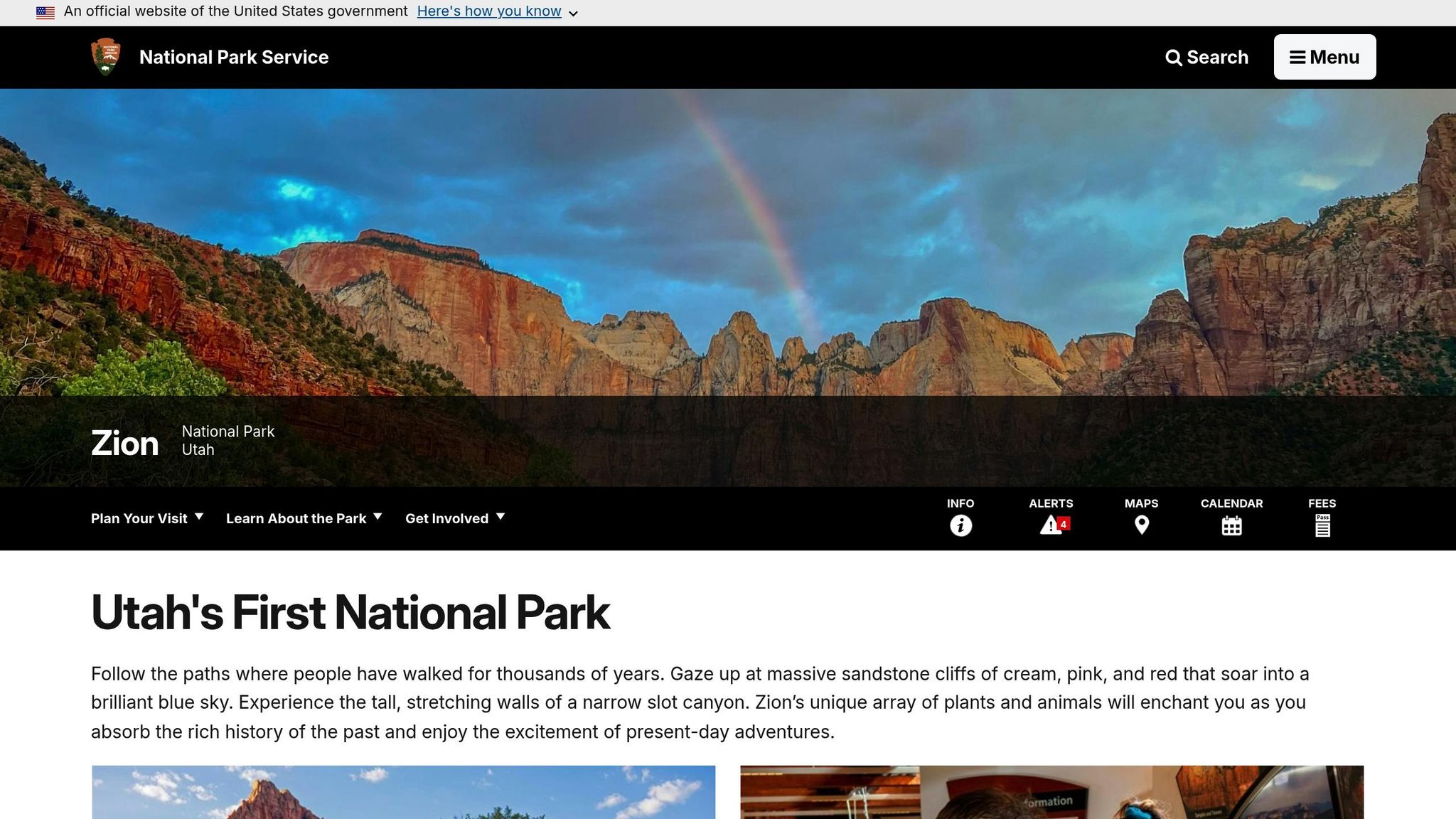
Zion National Park is a fantastic spot for family camping, blending breathtaking outdoor adventures with the convenience of nearby amenities. Located close to Springdale, Utah, this park lets families explore awe-inspiring red rock canyons and towering cliffs while staying within easy reach of restaurants, hotels, and shops – a big plus when camping with kids.
Family-Friendly Amenities
Zion makes camping with kids easier thanks to its well-equipped visitor centers and educational programs. At the visitor centers, knowledgeable rangers can guide you to trails suited to your family’s abilities. Plus, the Junior Ranger programs offer kids hands-on activities that teach them about the park’s geology, wildlife, and conservation efforts, turning their adventure into a fun learning experience.
Another bonus is how close Zion is to Springdale. This nearby town has everything you might need – supplies, dining, and even lodging – making it a great safety net if backcountry camping gets a little too challenging. These conveniences make Zion a flexible and family-friendly destination.
Activities for All Ages
Zion’s landscape is full of opportunities for families to enjoy, no matter the age or fitness level of your group. The park features easier rim hikes that deliver stunning views without requiring too much effort, perfect for families with young kids or those looking for a more relaxed outing.
For families with older kids or teens, there are plenty of trail options ranging from gentle walks to more adventurous routes. Park rangers are always on hand to recommend trails tailored to your family’s needs, whether you’re carrying a toddler or traveling with teens eager for a challenge.
Accessibility and Terrain
Zion is designed to accommodate families with varying levels of physical ability. The park offers a mix of challenging hikes for seasoned adventurers and easier, more accessible trails for those with young children or mobility concerns. The visitor center staff can help you choose the best trails based on your family’s needs. And if you need a break, Springdale is just a short drive away, offering a chance to recharge before diving back into the park’s activities.
Best Seasons for Camping
Zion’s year-round appeal makes it an excellent camping destination, with each season bringing its own perks. Spring and fall are particularly popular, offering mild temperatures and fewer crowds – perfect for hiking and exploring. Summers can get hot, especially in the canyons, so plan to hike early in the morning or late in the day, and don’t forget water and sun protection. Winter camping is an option for more experienced families with the right gear, but always check weather and trail conditions before heading out. If you’re visiting during peak seasons, be sure to book your campsite well in advance to secure your spot.
4. Rocky Mountain National Park
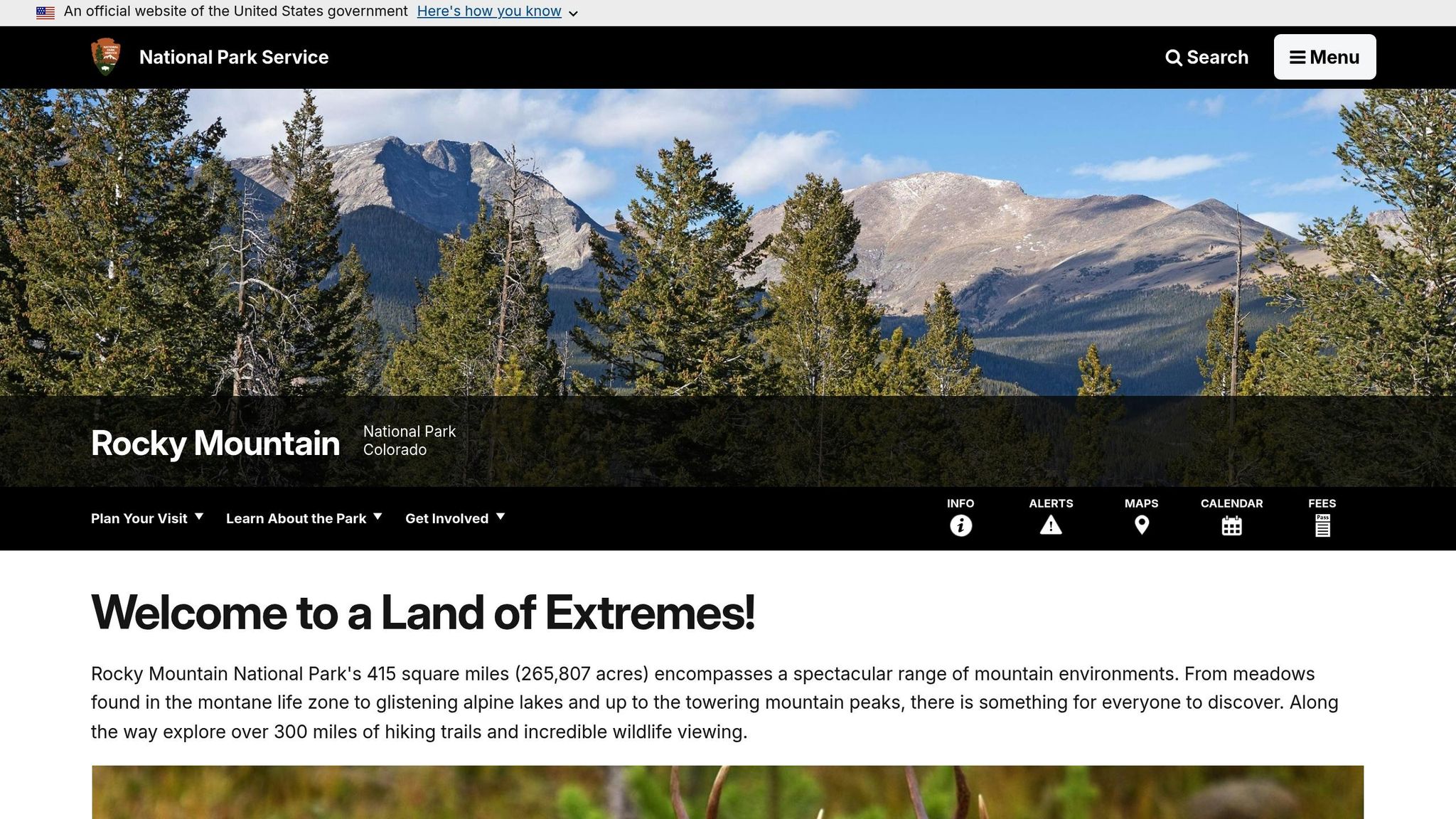
Nestled in northwestern Colorado, Rocky Mountain National Park spans the Continental Divide, showcasing stunning mountain peaks and alpine tundra. Often referred to as "the gem of the Rockies", this park offers a perfect blend of rugged wilderness and family-friendly amenities. With over 350 miles of hiking trails and its close proximity to the charming town of Estes Park, it’s an ideal destination for families seeking both adventure and relaxation.
Family-Friendly Amenities
The nearby town of Estes Park is packed with activities to keep the whole family entertained. From mini golf and adventure parks to horseback riding, shopping, and dining, there’s something for everyone. After a day of exploring the park, these amenities provide a great way to unwind and treat the kids.
Inside the park, families can enjoy ranger-led programs like campfire talks and guided hikes. These activities not only entertain but also educate kids about the area’s wildlife, plants, and geology – all without requiring too much physical effort. For overnight stays, the park’s campgrounds cater to various needs, whether you’re pitching a tent or parking an RV.
For an extra-special experience, Winding River Resort near the park offers campsites with fun extras like an on-site animal farm, horseback riding, fishing, and water activities.
Activities for All Ages
Rocky Mountain National Park is packed with activities that cater to every age group. Families with younger kids can enjoy scenic drives, where breathtaking mountain views are accessible from numerous pull-offs and viewpoints. If you’re looking for an easy hike, the trail to Adams Falls in Grand Lake is stroller-friendly and leads to a beautiful waterfall.
For older kids and teens, the park offers more challenging hikes with rewarding elevation gains and expansive views. Wildlife watching is another favorite activity. The park is home to over 800 elk, along with moose, bighorn sheep, and pronghorns. Ranger-led programs enhance these experiences by offering fascinating insights into the ecosystem while ensuring safe wildlife viewing.
In the winter months, families can swap hiking boots for snowmobiles to explore the park’s snowy terrain. No matter the season, there’s always something to keep everyone engaged.
Accessibility and Terrain
The park’s varied terrain ensures that families with different fitness levels can enjoy their visit. Scenic drives allow you to soak in the stunning mountain views from the comfort of your car, making them perfect for families with young kids or those with mobility concerns. For those ready to hit the trails, options range from flat, easy paths to more strenuous mountain hikes. This flexibility makes it easy to plan a day that balances relaxation with adventure.
Whether you’re taking a leisurely morning stroll or tackling a more ambitious hike in the afternoon, the park’s diverse landscape offers something for everyone.
Best Seasons for Camping
Summer is the peak season for family camping at Rocky Mountain National Park, with pleasant weather making it ideal for outdoor activities. Wildflowers bloom on the higher elevation trails in late July and August, adding vibrant colors to your hikes. However, due to the park’s elevation changes, temperatures can fluctuate, so it’s wise to pack layers.
The park remains open year-round, and winter offers its own unique charm. Families equipped with proper cold-weather gear can enjoy activities like snowmobiling amidst the snowy landscapes. If you’re planning a summer trip, it’s a good idea to book your campsite early, as the most popular spots fill up quickly during this busy season.
sbb-itb-00512f3
5. Glacier National Park
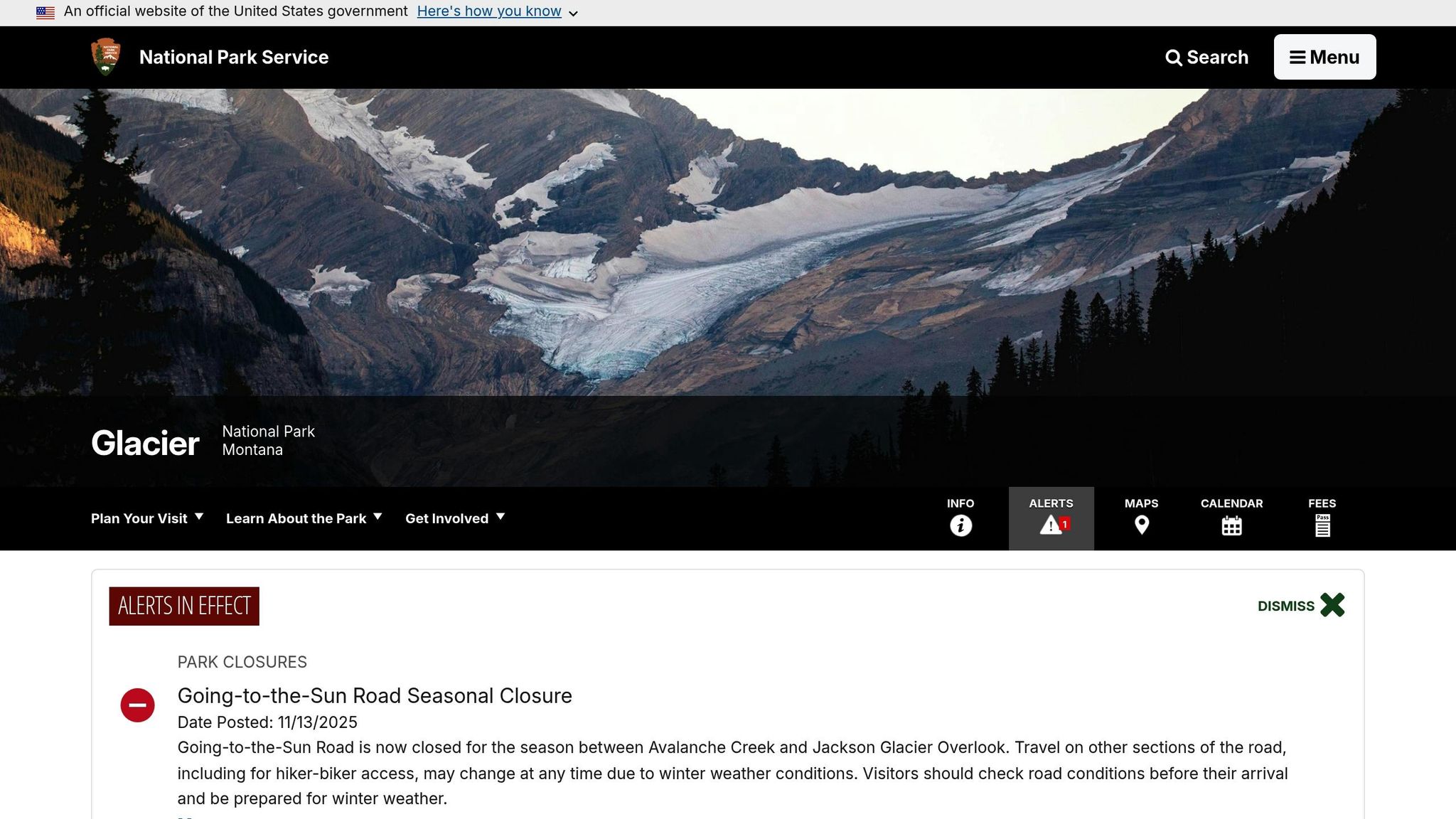
Nestled in Montana, Glacier National Park stretches across the Continental Divide, offering visitors a stunning mix of towering mountains and crystal-clear glacial lakes. With its vast network of hiking trails and well-equipped camping facilities, it’s a perfect destination for families looking to immerse themselves in nature while still enjoying some modern comforts.
Family-Friendly Amenities
Glacier National Park is geared toward tent campers and smaller RVs, with campgrounds featuring essentials like picnic tables, fire rings, water, and restrooms. For families wanting a bit more convenience, Mountain Meadow RV Park & Cabins is just nine miles from the park’s west entrance. This 33-acre forest retreat provides RV and tent sites, cozy cabins, and family-friendly perks such as showers, laundry facilities, complimentary Wi-Fi, and even a trout pond where kids can try fishing.
To enrich the experience, the park offers ranger-led programs that delve into Glacier’s unique glacial landscapes and mountain ecosystems. These programs are especially helpful for families new to camping, providing an educational and engaging way to explore the park’s natural wonders.
Activities for All Ages
Glacier National Park combines rugged wilderness with activities that appeal to a range of ages. Families can enjoy scenic drives that highlight the park’s breathtaking mountain views, with plenty of pullouts for snapping photos or simply soaking in the scenery. Wildlife enthusiasts will love the chance to spot elk, moose, bighorn sheep, and pronghorn – early mornings and evenings are often the best times for sightings.
The park’s extensive trail system caters to all skill levels. Families with younger kids can stick to shorter, more manageable paths leading to picturesque viewpoints, while older children and teens might prefer tackling trails with steeper climbs. The glacial lakes also provide a serene setting for lakeside picnics, offering a chance to relax amidst the beauty of nature.
For those seeking more variety, Glacier also offers opportunities for horseback riding and fishing, rounding out the list of activities that make it a top destination for family adventures.
Accessibility and Terrain
Glacier National Park ensures that families of all fitness levels can enjoy its stunning landscapes. While its mountainous terrain may seem daunting, the park features well-maintained scenic roads with pullouts, making it easy for everyone – including visitors with mobility limitations – to take in the dramatic views without strenuous effort. For those ready to hit the trails, options range from flat, accessible paths to more challenging routes that climb toward alpine meadows. The elevation changes mean you can experience everything from lush forested valleys to breathtaking mountain vistas in a single hike.
Keep in mind that the weather in Glacier can shift quickly due to its high-altitude environment. It’s important to research trails and campgrounds in advance to ensure they match your family’s abilities and comfort level.
Best Seasons for Camping
Summer is the ideal time for family camping at Glacier National Park. The warm weather is perfect for hiking, wildlife watching, and scenic drives, and late July through August offers an extra treat as wildflowers bloom along the trails. Be sure to pack layers, as the park’s high elevation can bring sudden temperature changes.
Since summer is also the busiest season, campgrounds fill up fast. Booking your campsite well in advance is highly recommended. While Glacier’s beauty is undeniable year-round, the summer months provide the best mix of comfortable weather, accessibility, and activities for families looking to make the most of their visit.
6. Grand Canyon National Park
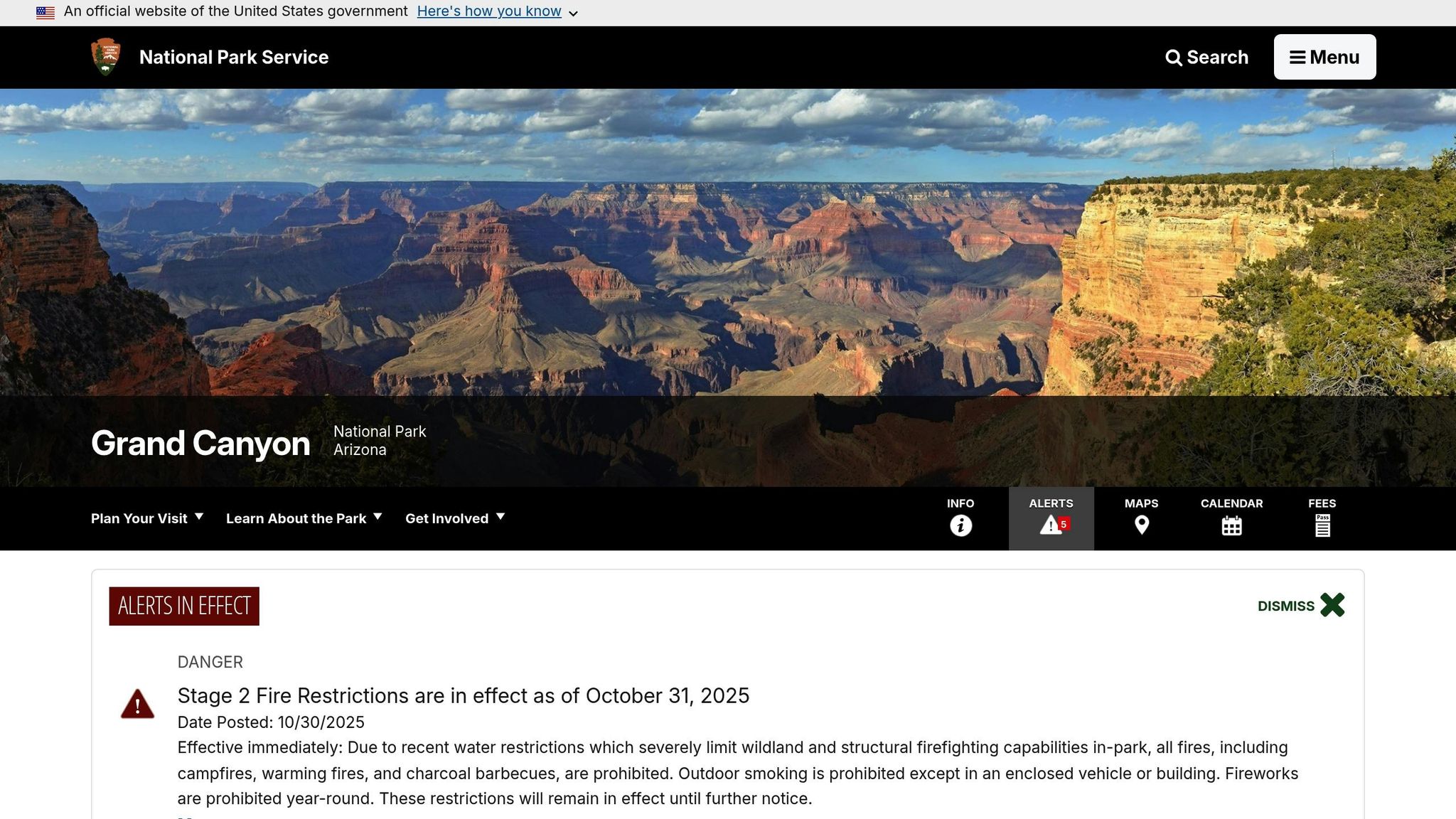
Grand Canyon National Park in Arizona is a must-visit destination for families looking to combine camping with jaw-dropping natural beauty. Known for its stunning geological formations and dramatic vistas, the park offers a camping experience that doesn’t require strenuous hikes, making it perfect for visitors of all ages.
Family-Friendly Amenities
The park features a variety of campgrounds designed to meet different family needs. In the South Rim area, you’ll find developed campgrounds equipped with picnic tables, fire rings, and restroom facilities. Whether you’re pitching a tent or parking an RV, these sites provide a comfortable base for exploring. Be sure to check specific site requirements when making reservations to ensure your setup is allowed.
The visitor centers are a treasure trove of information and a great starting point for families. They showcase exhibits on the canyon’s geology and its deep ties to Native American history. Ranger-led programs are a hit with kids, offering hands-on learning about how the canyon was formed over millions of years. The Junior Ranger program adds an extra layer of fun, as children can earn badges by completing interactive activities that highlight the park’s unique features.
Nearby towns like Tusayan and Flagstaff provide convenient access to restaurants, grocery stores, and other essentials. The South Rim, in particular, is well-developed, offering families easy access to supplies and services. This makes it simple to enjoy a variety of activities without worrying about logistics.
Activities for All Ages
One of the Grand Canyon’s biggest strengths is its ability to cater to families with different energy levels and interests. Scenic viewpoints, many just a short walk or directly accessible from parking areas, allow even the youngest members of the family to take in the canyon’s breathtaking views. These spots are ideal for family photos and moments of shared wonder.
For those who enjoy a bit more activity, the rim walks are a fantastic option. These paved trails offer panoramic views without requiring much effort, making them perfect for families with young children or strollers. Teens and older kids often enjoy venturing slightly below the rim on trails that reveal the canyon’s layered rock formations from a different perspective.
Educational programs led by park rangers bring the Grand Canyon’s story to life. From erosion to geological time scales, these guided walks and presentations make abstract concepts tangible and engaging. The park itself becomes a living classroom, sparking curiosity and excitement in kids and adults alike.
For families into photography, the Grand Canyon delivers endless inspiration. From the shifting colors of the canyon walls at sunrise and sunset to the interplay of light and shadow throughout the day, there’s no shortage of incredible shots. While wildlife sightings are less frequent here compared to places like Yellowstone, the occasional glimpse of a condor or mule deer adds to the experience.
Accessibility and Terrain
The Grand Canyon is particularly accommodating for families with varying mobility levels. Many of the park’s most awe-inspiring views are easily accessible by vehicle or short walks from parking areas, making it possible for everyone to enjoy the scenery. Strollers and wheelchairs can navigate paved paths along the South Rim, which is open year-round and offers the most developed infrastructure.
The North Rim, while quieter and more remote, provides a more secluded experience but is only open seasonally, typically closing during the winter months. Shuttle services on the South Rim, available during peak seasons, make it easy to hop between viewpoints without the hassle of parking. This is especially convenient for families with young children who might tire out from too much walking.
It’s worth noting that trails descending into the canyon require careful planning. The steep elevation changes and desert climate can be challenging, particularly for younger kids. Sticking to the rim trails and viewpoints ensures a safer and more manageable experience for families.
Best Seasons for Camping
For the most comfortable family camping experience, spring (March through May) and fall (September through November) are ideal. During these months, daytime temperatures at the rim range from the 50s to 70s°F, with cooler evenings perfect for gathering around a campfire.
Summer (June through August) brings larger crowds and hotter temperatures. While the rim stays relatively mild, lower elevations can become uncomfortably hot, with temperatures exceeding 85°F (29°C). Families visiting in summer should plan activities for early morning or late afternoon to avoid the midday heat, and staying hydrated is a must.
Winter camping offers a quieter, more adventurous experience. The South Rim remains accessible, and the sight of the canyon dusted with snow is unforgettable. However, temperatures can drop below freezing, so families need to pack appropriate gear and be prepared for cold weather. The North Rim is closed during winter due to heavy snow and limited access.
Campsites fill up quickly, especially during peak seasons, so it’s wise to book well in advance through Recreation.gov or the National Park Service website. Early planning ensures you’ll secure your preferred spot and have plenty of time to prepare for the season you choose to visit.
7. Joshua Tree National Park
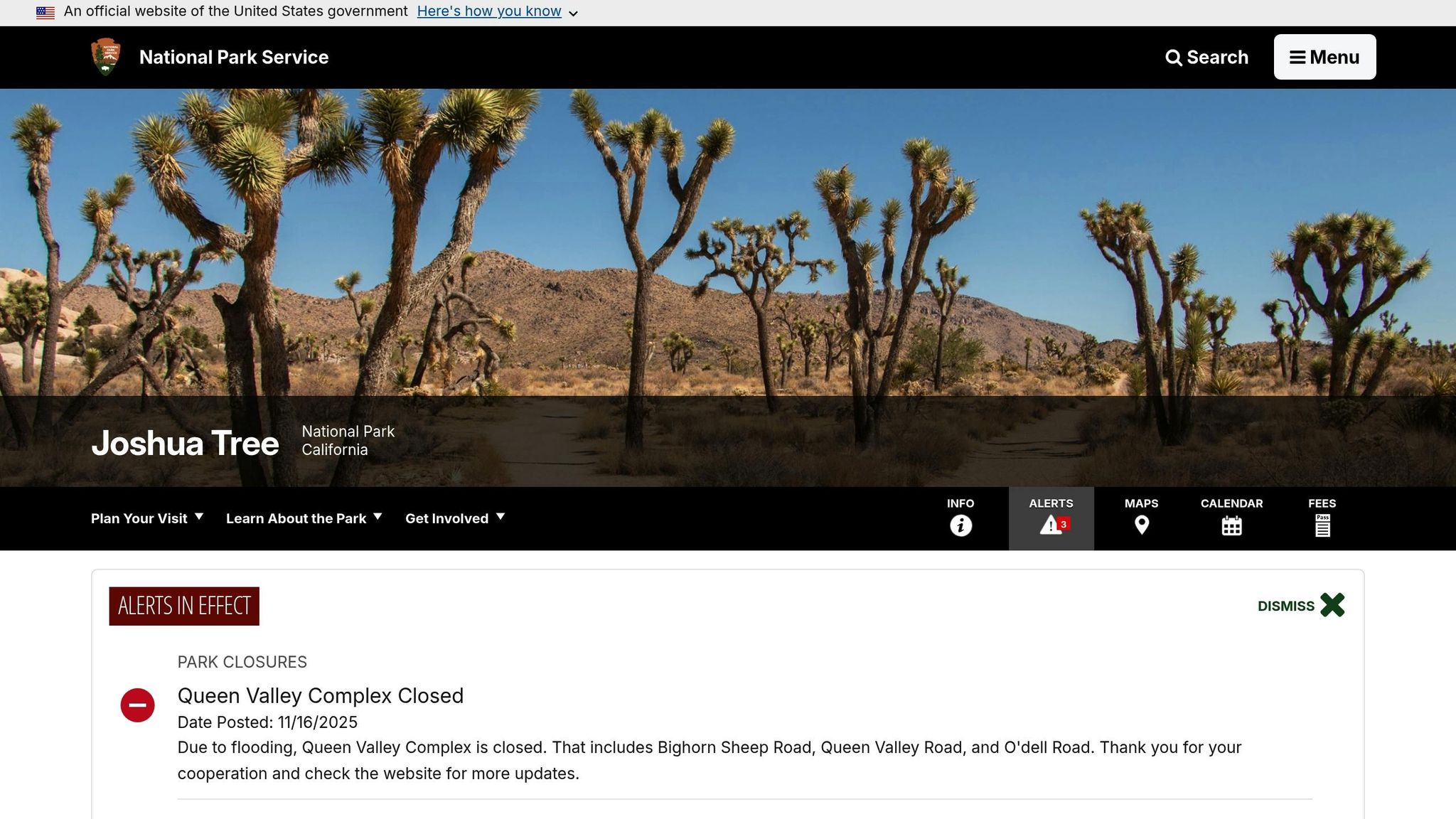
Nestled in Southern California, Joshua Tree National Park provides families with a camping experience unlike any other. This park is where two desert ecosystems – the Mojave and Colorado – meet, creating a landscape that’s as striking as it is diverse. With its signature Joshua trees and dramatic rock formations, the park’s relatively flat terrain makes exploring its iconic features a breeze, making it an inviting destination for family adventures.
Family-Friendly Amenities
The campgrounds at Joshua Tree deliver a rustic experience while offering essential facilities to ensure a comfortable stay. Before heading out, it’s a good idea for families to check with park services for the latest updates on available amenities. Visitor centers are a great starting point, offering resources to help you learn about the fascinating desert ecology and geology of the area. For added convenience, nearby communities often provide access to additional supplies, dining options, and even alternative lodging if needed. This combination of natural beauty and practical amenities makes camping at Joshua Tree both enjoyable and easy for families.
Activities for All Ages
Joshua Tree’s unique rock formations double as natural playgrounds for kids, offering endless opportunities for climbing, exploring, and imaginative play. Younger children will enjoy the easy scrambles, while older kids and teens may be drawn to more adventurous activities like top rope climbing. The park’s layout is incredibly family-friendly, with short nature trails leading to many of its iconic sights – perfect for visitors of all ages and fitness levels.
For those who love photography, the park is a dream. Capture the striking silhouettes of Joshua trees set against the vast desert skies or the rugged textures of its rock formations. And when the sun sets, the park’s clear, dark skies provide a stargazing experience that will leave everyone in awe, no matter their age.
Accessibility and Terrain
One of Joshua Tree’s standout features is its accessibility. The park’s flat terrain makes it easy for families to explore without needing to tackle strenuous hikes. Many of the most photogenic spots are just a short walk from parking areas or can even be enjoyed from roadside pullouts. This ensures that everyone, regardless of age or physical ability, can take in the park’s stunning scenery.
Best Seasons for Camping
Choosing the right time to visit can make all the difference. Spring and fall are particularly popular, offering mild weather that’s perfect for outdoor activities and stargazing under the night sky. Winter is another great option, with cooler temperatures and fewer visitors, though you’ll want to pack warm gear for the chilly nights. Summer, on the other hand, can be intensely hot. If visiting during this season, plan your activities for early morning or late afternoon, and always stay hydrated while protecting yourself from the sun’s intense rays.
Comparison of Parks
When planning a family trip, choosing the right park depends on factors like terrain, the season, family-friendly programs, and nearby services. Here’s a breakdown to help you decide which park best suits your needs. Each park offers its own mix of landscapes, activities, and amenities.
Terrain and Accessibility
The type of terrain can make or break a family trip, depending on the ages and abilities of your group. Joshua Tree is a great choice for those seeking a relatively flat landscape, perfect for families with younger kids or anyone looking for less strenuous activities. On the other hand, Glacier and Zion cater to families with older children or teens who enjoy steeper trails and elevation changes. Rocky Mountain and Yellowstone strike a balance, offering both scenic drives and moderate hiking options that work well for families with kids of varying ages.
Seasonal Planning
Timing is everything when it comes to visiting national parks. Summer is ideal for Glacier, Rocky Mountain, and Yellowstone, as trails are clear and facilities are fully operational. If you’re considering Zion, Yosemite, or the Grand Canyon, spring and fall offer mild weather and fewer crowds. Joshua Tree, with its desert climate, is best visited in the cooler months – fall, winter, or spring – to avoid the intense summer heat.
Family Programs and Amenities
For families looking for educational and engaging programs, Yellowstone shines with its Young Scientist Program at the Old Faithful Visitor Center and its robust Junior Ranger activities. Zion also offers a popular Junior Ranger program and informative visitor centers to enhance the experience. Rocky Mountain boasts over 350 miles of hiking trails and proximity to Estes Park, a family-friendly town with plenty of attractions. Meanwhile, Glacier stands out for water-based adventures like kayaking, rafting, and swimming, making it a hit for families who love the water.
Proximity to Towns and Services
Access to nearby towns can be a deciding factor, especially for families who value convenience. Zion is located near Springdale, where restaurants, shops, and hotels are just minutes away. Similarly, Rocky Mountain benefits from its close proximity to Estes Park, a hub for family-oriented activities. Yosemite and the Grand Canyon also have nearby gateway communities offering essential services. In contrast, Joshua Tree and Glacier are more remote, requiring families to plan ahead and be more self-sufficient.
Here’s a quick comparison table to help you evaluate key factors:
| Park | Terrain | Best Season | Key Activities | Nearby Town Access |
|---|---|---|---|---|
| Yellowstone | Easy to Moderate | Summer | Wildlife viewing, geysers, Junior Ranger programs | Good |
| Yosemite | Moderate to Challenging | Spring, Fall | Waterfalls, rock climbing, hiking | Good |
| Zion | Moderate to Challenging | Spring, Fall | Hiking, Junior Ranger programs | Excellent (Springdale) |
| Rocky Mountain | Easy to Moderate | Summer | Scenic drives, wildlife viewing, hiking | Excellent (Estes Park) |
| Glacier | Moderate to Challenging | Summer | Kayaking, rafting, swimming, hiking | Remote |
| Grand Canyon | Moderate to Challenging | Spring, Fall | Rim trails, mule rides, ranger programs | Good |
| Joshua Tree | Easy to Moderate | Fall, Winter, Spring | Rock scrambling, climbing, stargazing | Remote |
Wildlife Viewing Opportunities
Wildlife enthusiasts will find Yellowstone particularly rewarding, with frequent sightings of moose, bears, elk, and pronghorns. Rocky Mountain also offers great opportunities to see elk, moose, and bighorn sheep along its scenic roads and trails. While Joshua Tree and Zion are more focused on their dramatic geological landscapes, visitors may still encounter fascinating desert wildlife.
Budget Considerations
Costs can vary depending on park entry fees, lodging, and camping options. Some parks require reservations through Recreation.gov, with prices reflecting the level of amenities and services available. Parks with nearby towns, like Zion and Rocky Mountain, often have more lodging choices, though these can come at a higher price.
Choosing the right park comes down to your family’s preferences – whether it’s easy terrain and nearby conveniences for younger kids or a remote setting with challenging hikes and adventurous activities for teens. Each park offers something special, so consider what will make your trip memorable for everyone.
Conclusion
Every national park offers its own unique mix of activities and landscapes, catering to a variety of family interests. Yellowstone stands out for its incredible wildlife sightings – think moose, bears, and elk – and enriching programs like the Young Scientist Program. Zion, with its stunning canyons and proximity to Springdale, makes dining and resupplying a breeze. For families seeking water adventures, Glacier is perfect with options like kayaking and rafting. Meanwhile, Rocky Mountain boasts over 350 miles of trails and the family-friendly charm of Estes Park. If you’re traveling with younger kids, Joshua Tree’s flat terrain is ideal, while Grand Canyon offers breathtaking views that promise unforgettable memories.
If you’re watching your budget, the parks provide a range of facilities – from basic amenities to full-service campgrounds – bookable through Recreation.gov. Plus, families with a 4th grader can snag a free National Park pass, which grants access for the entire family for a year.
Timing your trip can make a huge difference. Summer is the best time to visit parks like Glacier, Rocky Mountain, and Yellowstone, when trails are clear and facilities are fully open. On the other hand, spring and fall bring smaller crowds and pleasant weather to Zion, Yosemite, and the Grand Canyon. For desert parks like Joshua Tree, cooler months from fall through spring are ideal.
To make planning easier, check out The National Park Guide (https://thenationalparkguide.com). It’s packed with tools like detailed park guides, customizable itineraries, trail maps, weather updates, packing list generators, and even a Trail Finder and Hike Difficulty Calculator. You’ll also find real-time updates on park closures or events.
Choose a park that aligns with your family’s interests and travel style – whether that’s easy trails and nearby conveniences for little ones or rugged hikes for adventurous teens. With the right planning, your national park adventure is sure to be one for the books.
FAQs
What are the best national parks for families with young children looking for easy access and family-friendly amenities?
Some of the best national parks for families with young children combine easy access, kid-friendly amenities, and plenty of exciting activities. Yellowstone National Park is a favorite, featuring campgrounds with restrooms, picnic areas, and simple trails like the boardwalks around Old Faithful. Great Smoky Mountains National Park is another great pick, offering short, scenic hikes and visitor centers packed with educational exhibits tailored for families. Over at Acadia National Park, the gentle carriage roads are perfect for biking and walking, and kids can enjoy ranger-led programs designed just for them.
When planning your visit, focus on parks that offer accessible facilities, shorter trails, and engaging ranger programs. Many parks also have Junior Ranger activities, giving kids a chance to learn about nature in a fun, hands-on way. Don’t forget to check seasonal schedules and book early – family-friendly campgrounds tend to fill up fast!
What are some tips for families to enjoy national parks during the quieter spring and fall seasons?
Spring and fall are ideal seasons for families to explore national parks. Why? Fewer crowds, cooler weather, and breathtaking seasonal landscapes make these times of the year especially appealing. To ensure your trip goes smoothly, start with some planning. Check the park’s hours, seasonal activities, and local weather forecasts. Packing layers is a smart move since temperatures can shift throughout the day. Don’t forget essentials like snacks, water, and sunscreen to keep everyone happy and comfortable.
For activities the whole family can enjoy, consider ranger-led programs, gentle hiking trails, or opportunities to spot wildlife. Many parks also feature junior ranger programs that kids find both fun and engaging. If you’re planning to stay overnight, be sure to book campsites or other accommodations early – availability can still fill up fast, even in these quieter seasons.
What should families consider when deciding between parks known for wildlife viewing and those with stunning geological landscapes?
When deciding between parks known for their wildlife and those showcasing stunning geological landscapes, it’s important to think about your family’s interests and the kids’ ages. Wildlife parks can be thrilling for children, offering chances to see animals like bison, bears, or elk. However, these experiences often require patience and quiet observation, which might be challenging for younger kids. Geological parks, with their dramatic features like canyons, geysers, or unique rock formations, tend to appeal to all ages and are perfect for capturing memorable photos.
Accessibility and activities are key factors as well. Wildlife parks might offer guided tours or safari experiences, while geological parks typically have hiking trails, ranger-led activities, or scenic drives. Don’t forget to check for family-friendly amenities like campgrounds with restrooms, picnic areas, or easy walking paths to make sure everyone has a comfortable and enjoyable visit.