
Embark on a 7-day journey through Utah’s Mighty Five national parks: Zion, Bryce Canyon, Capitol Reef, Arches, and Canyonlands. This itinerary balances adventure with manageable driving distances, covering iconic hikes, scenic drives, and breathtaking landscapes. Starting in Las Vegas or Salt Lake City, you’ll explore towering sandstone canyons, hoodoos, and desert vistas. Here’s what to expect:
- Day 1: Arrive in Salt Lake City or Las Vegas, drive to Moab.
- Day 2: Visit Arches National Park, see Delicate Arch.
- Day 3: Explore Canyonlands, drive to Capitol Reef.
- Day 4: Discover Capitol Reef, take Scenic Byway 12 to Bryce Canyon.
- Day 5: Hike Bryce Canyon, head to Zion.
- Day 6: Full day at Zion, including The Narrows or Angels Landing.
- Day 7: Return to your starting point via Las Vegas or Salt Lake City.
Key tips:
- Best seasons: Late spring (Apr–May) or fall (Sep–Oct).
- Get an America the Beautiful Pass ($80) to save on park entry fees.
- Book lodging, timed entry permits, and gear rentals well in advance.
- Stay hydrated, wear sun protection, and check park alerts for flash floods.
This guide ensures a smooth, unforgettable road trip through Utah’s stunning national parks.
How to Plan Your 7-Day Utah National Parks Road Trip
Choosing Your Starting Point and Route
Where you start your trip matters – it shapes everything from your route to your driving time. Las Vegas (LAS) is a favorite starting point, sitting just 2.5–3 hours from Zion National Park. It offers plenty of flight options and affordable car rentals. On the other hand, Salt Lake City (SLC) is a great choice if you want to begin with Arches and Canyonlands, as Moab is about a 4-hour drive away.
If you’re able to do a one-way trip, starting in Las Vegas and ending in Salt Lake City (or vice versa) makes the most sense. This way, you avoid backtracking and can visit all five parks in one smooth loop.
"I’d start in Las Vegas and finish in Salt Lake City, because it keeps the route moving in one clean line rather than forcing you to backtrack across half the state." – Helen Ross, Photographer and Travel Enthusiast, The Travel Tinker
If a one-way rental isn’t an option, keep in mind that the drive between Moab and Las Vegas takes around 6.5–7.5 hours. For a logical route, plan to visit Zion first, followed by Bryce Canyon, Capitol Reef, Canyonlands, and finally Arches. Don’t rush the drive between Bryce Canyon and Capitol Reef – Scenic Byway 12 offers some of the most stunning views in the area.
Once you’ve mapped your route, think about the best season to make the most of your trip.
Best Time of Year to Visit
Late April through early May and late September through early October are the sweet spots for visiting Utah’s national parks. The weather is mild, trails are usually open, and you’ll either catch spring wildflowers or autumn’s colorful foliage.
Summer (June–August) is the busiest time, but it’s also the hottest, with temperatures often hitting the 90s°F or higher. If you’re visiting during this time, plan to hike early – ideally before 7:00 AM – and take breaks during the afternoon heat. Winter, while quieter, brings its own challenges. Snow and icy trails may require extra gear, but the solitude and snow-covered landscapes make it worthwhile.
| Season | Temps | Crowds | Best For |
|---|---|---|---|
| Spring (Apr–May) | Mild days, cool nights | Moderate | Wildflowers, hiking, photography |
| Summer (Jun–Aug) | 90°F–100°F+ | Very High | Long daylight hours, water hikes |
| Fall (Sep–Oct) | Pleasant, crisp | Moderate to High | Fall foliage, comfortable hiking |
| Winter (Dec–Feb) | Cold, possible snow | Low | Solitude, stargazing, photography |
No matter when you visit, always check for park alerts. Flash floods are a real danger in slot canyons, especially during late-summer monsoon season. This is particularly important for hikes like The Narrows in Zion.
Booking Parks, Lodging, and a Rental Car
Booking early is key. Accommodations in park lodges and nearby towns like Springdale (Zion) and Tropic (Bryce Canyon) can sell out 6–12 months in advance. If you’re hoping to stay in iconic spots like Zion Lodge or Bryce Canyon Lodge, plan even further ahead.
For park entry, the America the Beautiful Annual Pass is a great deal at $80. It covers all five parks, saving you money since individual park fees total about $150 for the trip. You can buy the pass online, at park entrances, or even at retailers like REI.
Some parks also require additional reservations. Arches National Park has timed-entry reservations during peak season (April to October, 7:00 AM–4:00 PM), which you can book on Recreation.gov. Zion’s Angels Landing hike requires a permit, which you can get through a lottery system. Apply for the Seasonal Lottery three months in advance, or try the Day-Before Lottery by 3:00 PM MST the day before.
When it comes to transportation, pick up your rental car early from Las Vegas or Salt Lake City. A standard 2WD sedan will handle the main routes just fine. However, if you’re planning any off-road adventures – like exploring Capitol Reef’s Cathedral Valley – consider upgrading to a 4WD or AWD vehicle.
With these logistics in place, you’re ready to hit the road and explore Utah’s incredible national parks. From scenic drives to unforgettable hikes, your adventure is just beginning.
How To Plan Your Utah’s Mighty 5 Trip! | Utah National Parks’ Complete Travel Guide
Day-by-Day Mighty Five Itinerary
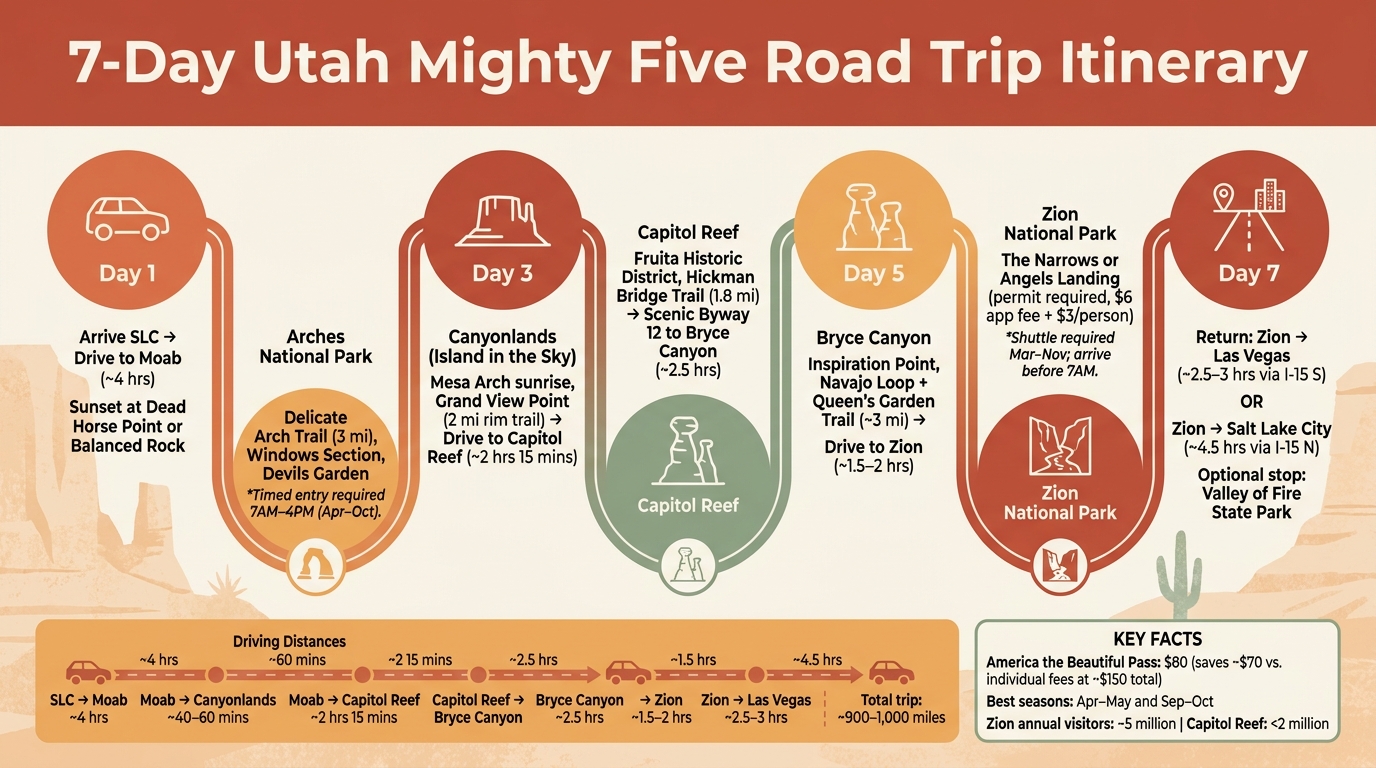
7-Day Utah Mighty Five Road Trip Itinerary at a Glance
Day 1: Arrival and Drive to Moab
Fly into Salt Lake City (SLC) and drive about 4 hours to Moab via I-15 S, I-70 E, and US-191 S. Before heading out, stock up on groceries and supplies in Salt Lake City or Moab, as options within the parks are limited. Once in Moab, ease into your adventure with a sunset stop at Dead Horse Point State Park or a visit to Balanced Rock in Arches National Park. It’s a relaxed way to kick off a packed itinerary.
Day 2: Arches National Park
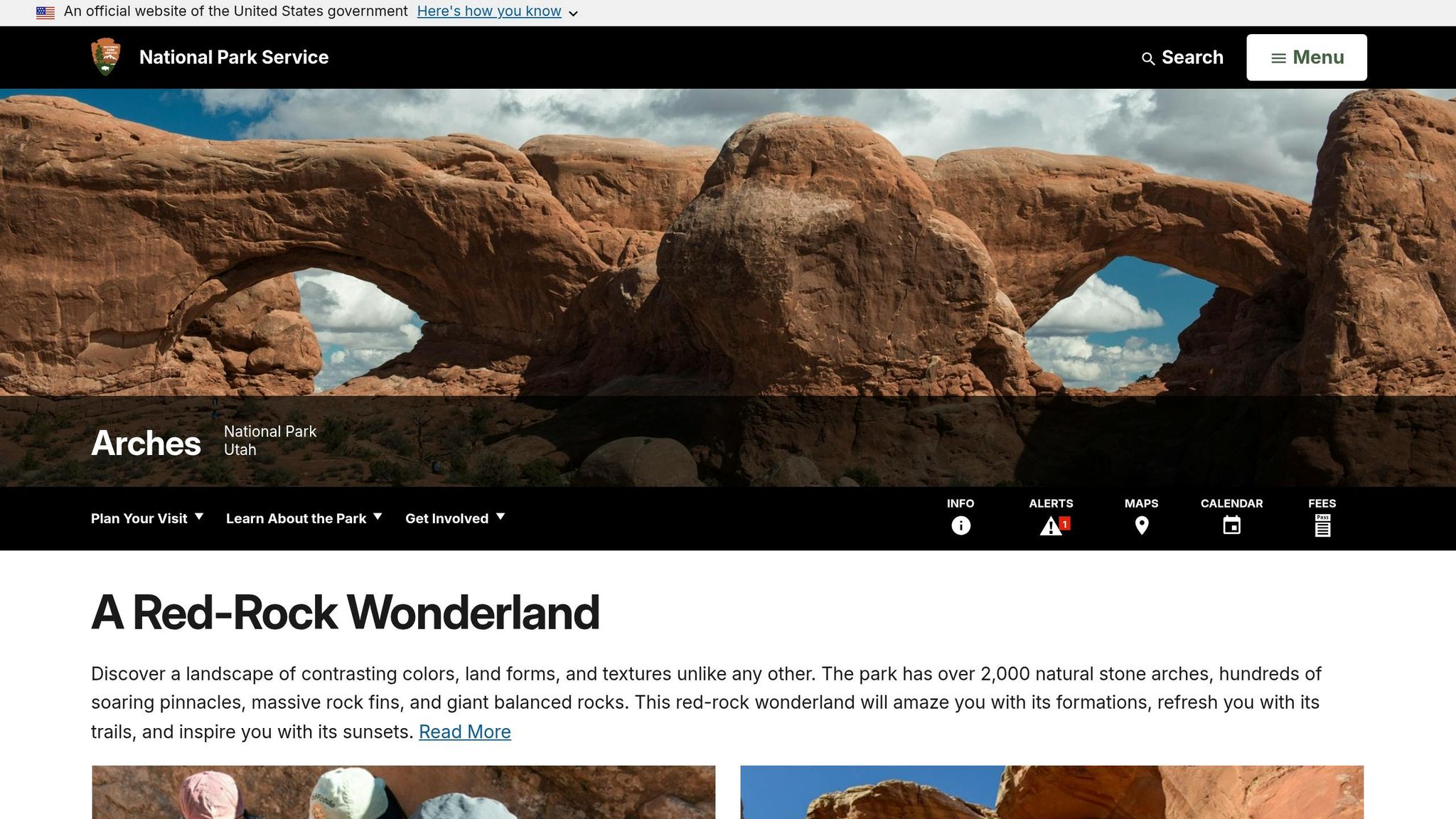
Get an early start at Arches National Park to avoid crowds – parking fills up quickly. Follow the 36-mile scenic drive to hit the park’s highlights. The Delicate Arch Trail (a 3-mile round trip) is a must, and the Windows Section, featuring North and South Windows, Turret Arch, and Double Arch, is equally stunning. If you’re feeling ambitious, tackle the Devils Garden Trail to see Landscape Arch. Keep in mind, from April to October, you’ll need a timed-entry reservation between 7:00 AM and 4:00 PM, which you can book on Recreation.gov.
Day 3: Canyonlands and Drive to Capitol Reef
Start your day by arriving 30–60 minutes early at Mesa Arch to catch an unforgettable sunrise. Follow it up with a 2-mile hike along the rim trail at Grand View Point and stop at the Green River Overlook in the Island in the Sky district. Before leaving, fuel up and pack snacks, as there are no food or gas options in Canyonlands. The drive to Capitol Reef takes about 2 hours and 15 minutes via US-191 N, I-70 W, and UT-24 W.
Day 4: Capitol Reef and the Drive to Bryce Canyon
Capitol Reef offers a more peaceful experience compared to the other parks. Explore the Fruita Historic District, where you can pick seasonal fruit and enjoy a slice of pie at the Gifford House. Then, take a short hike on the 1.8-mile Hickman Bridge Trail. Afterward, set off toward Bryce Canyon via Scenic Byway 12 (UT-12), a 120-mile All-American Road that takes about 2.5 hours. This drive is one to savor.
"Scenic Byway 12 is the bit you’ll regret rushing, especially if you like road trips for the actual road and not just the pins at either end." – Helen Ross, Photographer and Travel Enthusiast
Don’t miss the dramatic views at the "Hogback" section, a narrow ridge with steep drop-offs.
Day 5: Bryce Canyon and Drive to Zion
Bryce Canyon’s cooler elevation (8,000–9,000 feet) offers a refreshing change. Bring an extra layer, even during summer. Start at Inspiration Point or Bryce Point for panoramic views of the hoodoos, then hike the Navajo Loop and Queen’s Garden combination trail (about 3 miles) to get up close to these formations. By midday, head toward Zion National Park. The drive takes 1.5–2 hours via US-89 S and UT-9, passing through the historic 1.1-mile Zion–Mount Carmel Tunnel, completed in the 1930s.
Day 6: Full Day at Zion National Park
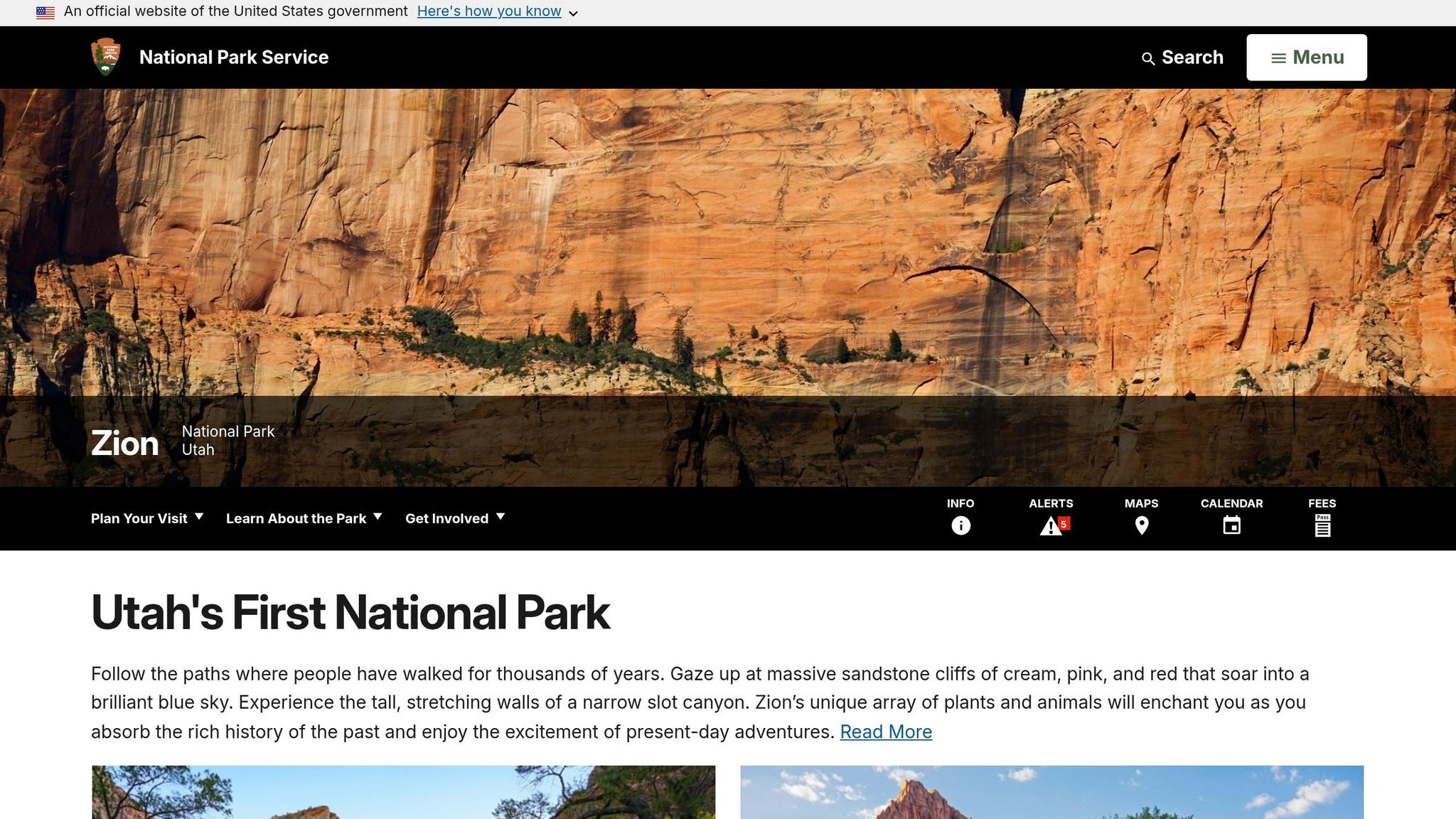
Zion offers some of the most iconic hikes of the Mighty Five. With nearly 5 million visitors annually, an early start is essential. From March to November, the park shuttle is required to access the main canyon, and the Visitor Center parking lot fills by 8:00 AM. Two standout hikes dominate Zion: The Narrows, a river trek through a slot canyon, and Angels Landing, a challenging climb requiring a permit (application fee: $6, plus $3 per person if selected). If you’re planning to hike The Narrows, rent gear (like canyoneering boots and a wooden staff) from a Springdale shop the day before. For a lighter option, the 1-mile Canyon Overlook Trail offers great views with minimal effort.
Day 7: Return Drive and Optional Stops
Your return route depends on your departure airport. If you’re flying out of Las Vegas, the drive from Zion takes 2.5–3 hours via I-15 S. For those flying out of Salt Lake City, it’s about a 4.5-hour drive via I-15 N. If heading to Las Vegas, consider a detour to Valley of Fire State Park, just 50 miles northeast, for its striking red sandstone formations. Alternatively, if you’re flying north, Kolob Canyons – a quieter section of Zion – is worth a stop. These final stops bring a fitting close to your Utah adventure.
| Leg of Trip | Drive Time | Route |
|---|---|---|
| SLC → Moab | ~4 hours | I-15 S → I-70 E → US-191 S |
| Moab → Canyonlands (Island in the Sky) | ~40–60 mins | US-191 N → UT-313 W |
| Moab → Capitol Reef | ~2 hrs 15 mins | US-191 N → I-70 W → UT-24 W |
| Capitol Reef → Bryce Canyon | ~2.5 hours | Scenic Byway 12 (UT-12) |
| Bryce Canyon → Zion | ~1.5–2 hours | US-89 S → UT-9 |
| Zion → Las Vegas | ~2.5–3 hours | I-15 S |
| Zion → Salt Lake City | ~4.5 hours | I-15 N |
sbb-itb-00512f3
Tips for a Smooth Utah Road Trip
Once your itinerary is settled, these practical tips will ensure you’re ready to handle the unique challenges of exploring Utah’s national parks. From packing the right gear to driving safely, here’s how to make your trip as smooth as possible.
What to Pack for Desert Conditions
Southern Utah’s deserts are no joke. The intense midday heat, high UV exposure, and sudden temperature drops after sunset demand careful preparation. Here’s what you’ll need:
- Water: At least 1 gallon per person per day in summer, plus a 3-liter hydration bladder for hikes.
- Electrolytes: Pack some electrolyte packets to stay hydrated.
- Sun Protection: High-SPF sunscreen, SPF lip balm, polarized sunglasses, and a wide-brimmed hat.
- Clothing: Moisture-wicking, UPF-rated clothing and a light fleece or jacket for cooler evenings.
- Footwear: Durable hiking boots. If hiking The Narrows at Zion, rent water boots and neoprene socks in Springdale (gear packages cost about $35) – your regular boots won’t survive the water.
Other essentials include a headlamp for early-morning hikes, a power bank to keep devices charged, and a satellite messenger like a Garmin inReach for stretches without cell service. These items will keep you safe and comfortable in the desert environment.
Driving Safety and Navigation
Utah’s remote roads require extra planning. Cell service is spotty – or nonexistent – on routes like Scenic Byway 12, UT-24, and inside the parks. Download offline maps via Google Maps or the NPS app before leaving each town. Don’t rely on having a signal when you need it.
Fuel up whenever you can. Gas stations are few and far between, especially between parks. Check road and weather conditions at visitor centers before heading into canyons or dirt roads. Flash floods, particularly during the summer monsoon season (July–September), can make roads impassable with little warning.
Park Rules and Trail Safety
Respecting park rules is non-negotiable – especially when it comes to the fragile desert ecosystem. The cryptobiotic soil crust covering the ground is alive and essential for preventing erosion. Stay on marked trails to avoid causing damage that can take centuries to heal.
Flash floods are a real danger, particularly in slot canyons. Before tackling The Narrows or any narrow wash, check the weather forecast and the park’s conditions page. Even storms miles away can send a dangerous surge of water through a canyon. Visitor center staff can provide the most up-to-date safety information – don’t hesitate to ask.
Here’s a quick guide to some key rules and tips for each park:
| Park | Key Rule | Best Time to Arrive |
|---|---|---|
| Zion | Shuttle required (March–November); Angels Landing needs a permit | Before 7:00 AM |
| Arches | Timed-entry reservation required (April–October) | Before 7:00 AM |
| Bryce Canyon | High altitude (8,000–9,000 ft); pace yourself and stay hydrated | At sunrise |
| Capitol Reef | Backcountry roads require high-clearance 4×4 | Early morning |
| Canyonlands | No food or water available in-park; pack everything | At sunrise |
When it comes to wildlife, follow these simple rules:
- Keep your distance – don’t approach animals for photos.
- Never feed wildlife – it’s harmful to them and illegal.
- Leave everything as you found it. Rocks, plants, and artifacts should stay exactly where they are.
Conclusion: Getting the Most Out of Your Mighty Five Road Trip
A week gives you enough time to explore all five parks, but it’s a whirlwind journey, covering roughly 900 to 1,000 miles. Think of this plan as a starting point rather than a strict schedule – if you feel like lingering at Capitol Reef or catching another sunrise in Bryce Canyon, adjust it to match your energy and preferences.
The $80 America the Beautiful Pass is a must-have for this trip. It covers entry to all five parks and immediately pays off, as individual park fees total around $150 per vehicle. Another smart move? Opt for a one-way flight between Las Vegas and Salt Lake City. This avoids backtracking and shaves off hours of driving. By planning essentials like your park pass, lodging, and flights early, you’ll set yourself up for a smoother, more efficient trip.
Take advantage of early mornings. Hitting trailheads before 8:00 AM helps you avoid the heat, skip the crowds, and snag parking at popular spots like Mesa Arch and Zion Canyon. While Zion’s nearly 5 million annual visitors make it the most crowded, quieter gems like Capitol Reef – with fewer than 2 million visitors a year – often leave the biggest impression. Its dramatic landscapes are a highlight of the route.
As you decide how to balance iconic spots with more in-depth exploration, remember this advice:
"The ideal itinerary depends entirely on how much time you have, how active you want to be, and whether you want highlights or deeper exploration." – Explore Zion Tours
If you’re craving more time, consider extending your trip. A 10-day itinerary allows for more trail time, while stretching it to 14 days gives you the chance to add rest days and dive deeper into each park. Use these tips alongside the detailed itineraries above to craft a Mighty Five road trip that fits your pace and priorities.
FAQs
Should I start in Las Vegas or Salt Lake City?
Both cities offer excellent starting points, so your decision will likely hinge on your flight options, budget, and preferred route. Many travelers opt to begin in Las Vegas and finish in Salt Lake City to minimize backtracking on a one-way trip. On the other hand, starting and ending in the same city can help you sidestep one-way rental car fees and potentially higher flight prices. For reference, Las Vegas is around a 3-hour drive to Zion, while Salt Lake City is approximately 4 hours from Moab.
Do I need reservations or permits for any parks or hikes?
Yes, some parks and trails have specific requirements for reservations or permits. For instance, hiking Angels Landing in Zion National Park requires a permit obtained through a lottery system. Arches National Park frequently implements timed-entry reservations, while Canyonlands National Park mandates permits for backcountry trips and reserving campsites. During busy seasons, Zion also enforces the use of its park shuttle system. Always review the requirements of your destination ahead of time to ensure a smooth visit.
How can I avoid crowds and parking issues?
To dodge the crowds and parking headaches, plan your trip during the shoulder seasons – April to May or September to October. If you’re visiting in the summer, aim to start your hikes before 8 a.m. or head to popular spots at sunrise or during the golden hour for a more peaceful experience. Take advantage of the free park shuttles in Zion and Bryce Canyon to make getting around easier. For a quieter adventure, consider exploring less crowded areas like Kolob Canyon or Capitol Reef. And don’t forget to check in advance for any required permits or timed-entry reservations.