
Whitewater rafting combines thrilling rapids with stunning natural landscapes, making it a perfect adventure for all skill levels. From the iconic Grand Canyon to Alaska’s remote wilderness, here are the top 10 parks for rafting in the U.S., each offering unique experiences:
- Grand Canyon National Park (Colorado River): World-class rapids (Class I–V), iconic landscapes, and multi-day trips.
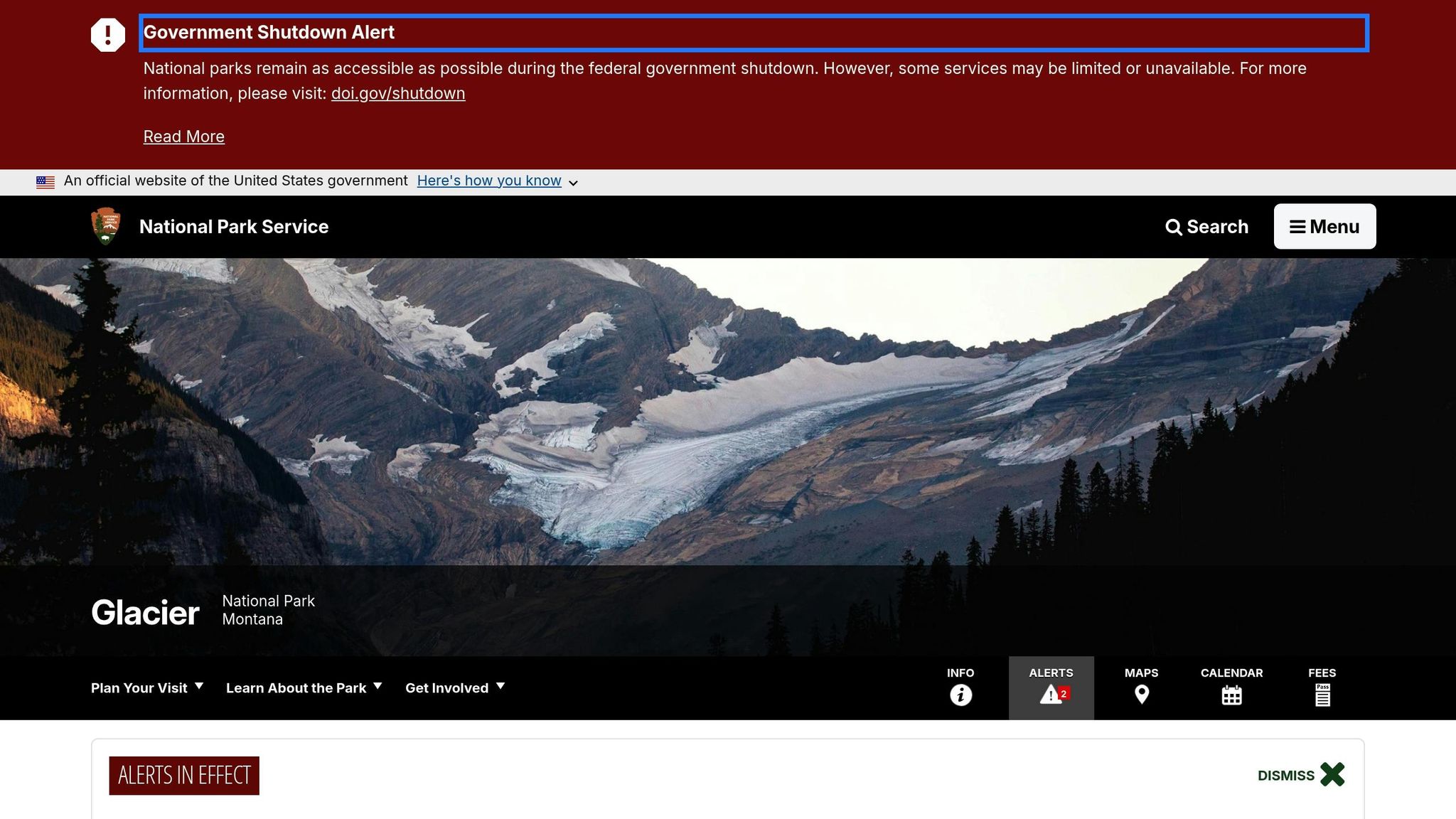
- Glacier National Park (Middle Fork of the Flathead River): Family-friendly Class II–IV rapids with mountain views.
- New River Gorge National Park (New River): Upper New River is beginner-friendly; Lower New River offers challenging Class IV–V rapids.
- Gates of the Arctic National Park (Noatak River): Remote, multi-day expeditions with Class II rapids and breathtaking Arctic scenery.
- Dinosaur National Monument (Green & Yampa Rivers): Class III–IV rapids, stunning canyons, and fossil-rich landscapes.
- Yellowstone National Park (Yellowstone River): Beginner-friendly Class II–III rapids with wildlife sightings and scenic views.
- Yosemite National Park (Merced River): Thrilling Class IV rapids in spring; calmer Class II waters in summer.
- Rocky Mountain National Park (Cache la Poudre River): Varied Class II–V rapids, perfect for all skill levels.
- Great Smoky Mountains National Park (Big Pigeon River): Class III–IV rapids for thrill-seekers; scenic floats for families.
- Denali National Park (Nenana River): Class I–IV rapids with stunning views of Mount Denali and glacial-fed waters.
Quick Comparison
| Park | River | Rapid Classes | Best Time to Visit | Skill Level | Key Features |
|---|---|---|---|---|---|
| Grand Canyon | Colorado | Class I–V | Year-round | Experienced | Multi-day trips, iconic canyon views |
| Glacier | Middle Fork Flathead | Class II–IV | June–September | All levels | Family-friendly, mountain scenery |
| New River Gorge | New River | Class III–V | Varies | Beginners to advanced | Flexible options, dramatic canyons |
| Gates of the Arctic | Noatak | Class II | Varies | Intermediate | Remote wilderness, extended expeditions |
| Dinosaur | Green & Yampa | Class III–IV | May–September | Families to experienced | Fossils, scenic canyons |
| Yellowstone | Yellowstone | Class II–III | May–September | Beginners to intermediate | Wildlife, geothermal features |
| Yosemite | Merced | Class II–IV | April–June | Beginners to advanced | Seasonal changes, Sierra Nevada views |
| Rocky Mountain | Cache la Poudre | Class II–V | May–August | All levels | Varied sections, mountain landscapes |
| Great Smoky Mountains | Big Pigeon | Class I–IV | March–September | Families to advanced | Reliable flows, accessible location |
| Denali | Nenana | Class I–IV | May–September | All levels | Mount Denali views, glacial-fed waters |
Whether you’re a beginner or an expert, these parks offer unforgettable rafting experiences. Plan your trip based on your skill level and preferred scenery to make the most of your adventure.
Legendary Whitewater Rafting in Glacier National Park
1. Grand Canyon National Park – Colorado River
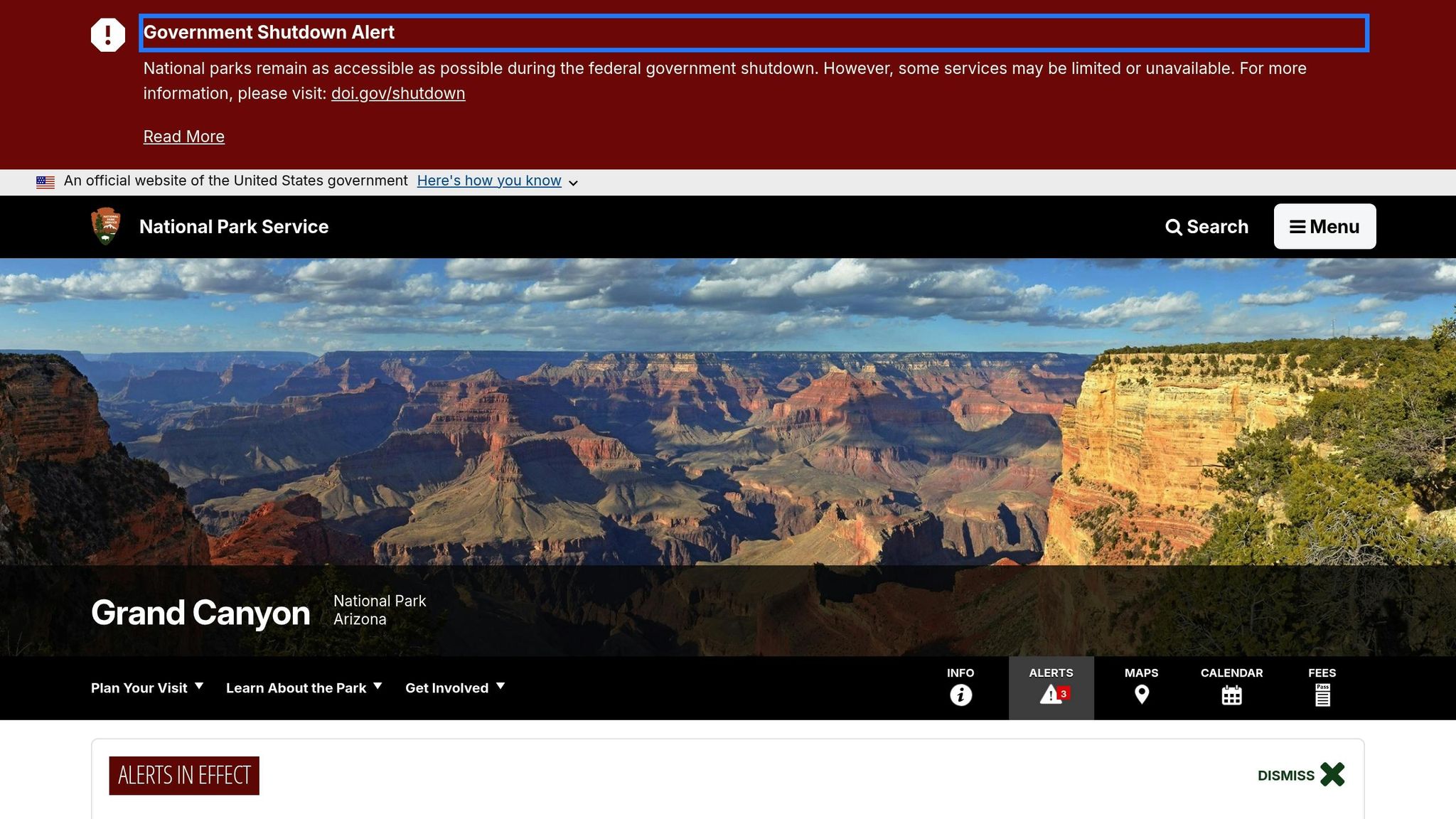
The Colorado River winding through Grand Canyon National Park offers one of the most thrilling whitewater rafting experiences in the world. Rapids here are rated on a 1–10 scale, which mirrors the International Scale of River Difficulty: 1–2 corresponds to Class I, 3–4 to Class II, 5–6 to Class III, 7–8 to Class IV, and 9–10 to Class V.
River Difficulty and Rapid Classes
The river’s flow, ranging between 10,000 and 14,000 cubic feet per second, creates constantly shifting conditions. Along the journey, several iconic rapids challenge even seasoned rafters:
- Lava Falls Rapid: With a 30-foot drop, this rapid is rated 8–10 and is one of the most formidable.
- Crystal Rapid: Known for its massive holes and complex rock gardens.
- Hermit Rapid: Famous for its powerful hydraulics and towering waves.
- Horn Creek Rapid: Requires precise navigation, especially at lower water levels.
- Hance Rapid: A technical challenge with large rocks creating intense hydraulics.
Over the course of the 280-mile journey through the canyon, rafters face 42 rapids rated 5 or higher. Beyond the adrenaline-pumping rapids, the river winds through stunning landscapes that reveal Earth’s ancient geological history.
Scenic Landscapes and Natural Features
The canyon’s towering walls, some over 4,500 feet high, expose layers of Precambrian granite, schist, and fossil-rich limestone, glowing in shades of red, orange, and gold.
"Floating down the Colorado is like a trip through geological history. The canyon walls tell stories of the Earth’s evolution."
– Rebecca Parsons, Contributing Gear Editor, The Inertia
Side canyons invite exploration, offering hidden treasures like hanging gardens and reflective pools. Waterfalls such as Deer Creek Falls and the turquoise waters of Havasu Creek with Beaver Falls add to the river’s magic. Wildlife sightings, from bighorn sheep to eagles and mule deer, enhance the wilderness experience. The canyon also holds cultural landmarks, including ancient petroglyphs left by Ancestral Puebloans and the Nankoweap Granaries built by the Anasazi.
Accessibility and Trip Options
Rafting the Grand Canyon demands careful preparation. The technical nature of the rapids and the multi-day expeditions require advanced planning. Most adventurers choose motorized trips lasting 6–8 days, while others prefer the slower pace of oar-powered journeys, which can take 12–18 days. These guided trips typically include meals, camping gear, and experienced guides who not only navigate the rapids but also share fascinating insights about the canyon’s natural and cultural significance.
Additional Park Attractions and Activities
Beyond rafting, visitors can enjoy nightly camping under the stars, explore hidden side canyons, and visit ancient petroglyphs and historical sites.
"The Grand Canyon is without a doubt one of nature’s most spectacular creations. Carved out by the Colorado River over millions of years, it’s massive – 277 miles long and over a mile deep in some areas. You can’t help but feel small when you stand at the edge, looking out at the layers of rock that stretch for what seems like forever."
– Emily Leikam, Kuhl
2. Glacier National Park – Middle Fork of the Flathead River
The Middle Fork of the Flathead River marks the southern boundary of Glacier National Park, offering a mix of rapids that range from beginner-friendly to more intense challenges, all set against a backdrop of stunning mountain scenery.
River Difficulty and Rapid Classes
The river’s difficulty shifts with the seasons, largely influenced by snowmelt and glacial runoff. During May and June, water levels rise significantly, creating Class II–IV rapids, with June being the prime time for adventurous rafting. The most popular section, an 8-mile stretch above West Glacier, includes nine pool-and-drop rapids. These are typically rated Class II–III, with one Class IV rapid depending on water conditions. Noteworthy rapids on this route include Tunnel Rapid (Class III), Bone Crusher Rapid (Class III), Big Squeeze Rapid (Class III), and the thrilling Screaming Right Hand Turn (Class IV). By late July through September, lower water levels expose more rocks and reduce the intensity of the rapids, concentrating rafting activities around the lower Middle Fork near West Glacier. For those seeking more excitement, the Bear Creek Section features Staircase Rapids (Class III), Brown’s Hole (Class IV), and Rock Garden (Class II).
Scenic Landscapes and Natural Features
The Middle Fork meanders through some of the most untouched wilderness in the U.S., surrounded by towering mountain peaks that create a dramatic and picturesque setting. The Canyon Section, leading to Teakettle, is particularly serene, offering scenic floating with mostly Class II rapids and one Class III rapid, Devil’s Elbow, which adds a bit of excitement to the otherwise tranquil journey. The crystal-clear pools along the river reflect the towering mountains, enhancing the beauty of the experience.
Accessibility and Trip Options
The Middle Fork offers a variety of trip options, catering to different adventure levels and interests.
- Glacier Raft Company provides several day trip options, including half-day whitewater adventures, scenic floats, and full-day excursions. Self-guided trips cover 11 miles in 3–5 hours, with rapids rated Class I–II. Prices range from $105 for a single-person inflatable kayak to $419 for a 14-foot oar raft.
- Wild River Adventures offers half-day scenic trips lasting 2.5–3.5 hours, suitable for kids as young as 3, starting at $81 for adults and $61 for children. Their whitewater trips, designed for ages 6 and up (minimum weight 50 lbs), span 9 miles. Full-day trips stretch 16 miles and take 6–8 hours.
- For a more immersive experience, Wilderness River Outfitters organizes 5-day, 35-mile multi-day expeditions, typically departing in June and July. These trips often start with a scenic flight to Schafer Meadows, a remote backcountry airstrip. Pricing for these expeditions is $2,890 for June 2026 and $3,090 for June 2027.
Whether you’re seeking adrenaline-pumping rapids or a peaceful float through breathtaking landscapes, the Middle Fork of the Flathead River offers something for everyone.
3. New River Gorge National Park and Preserve
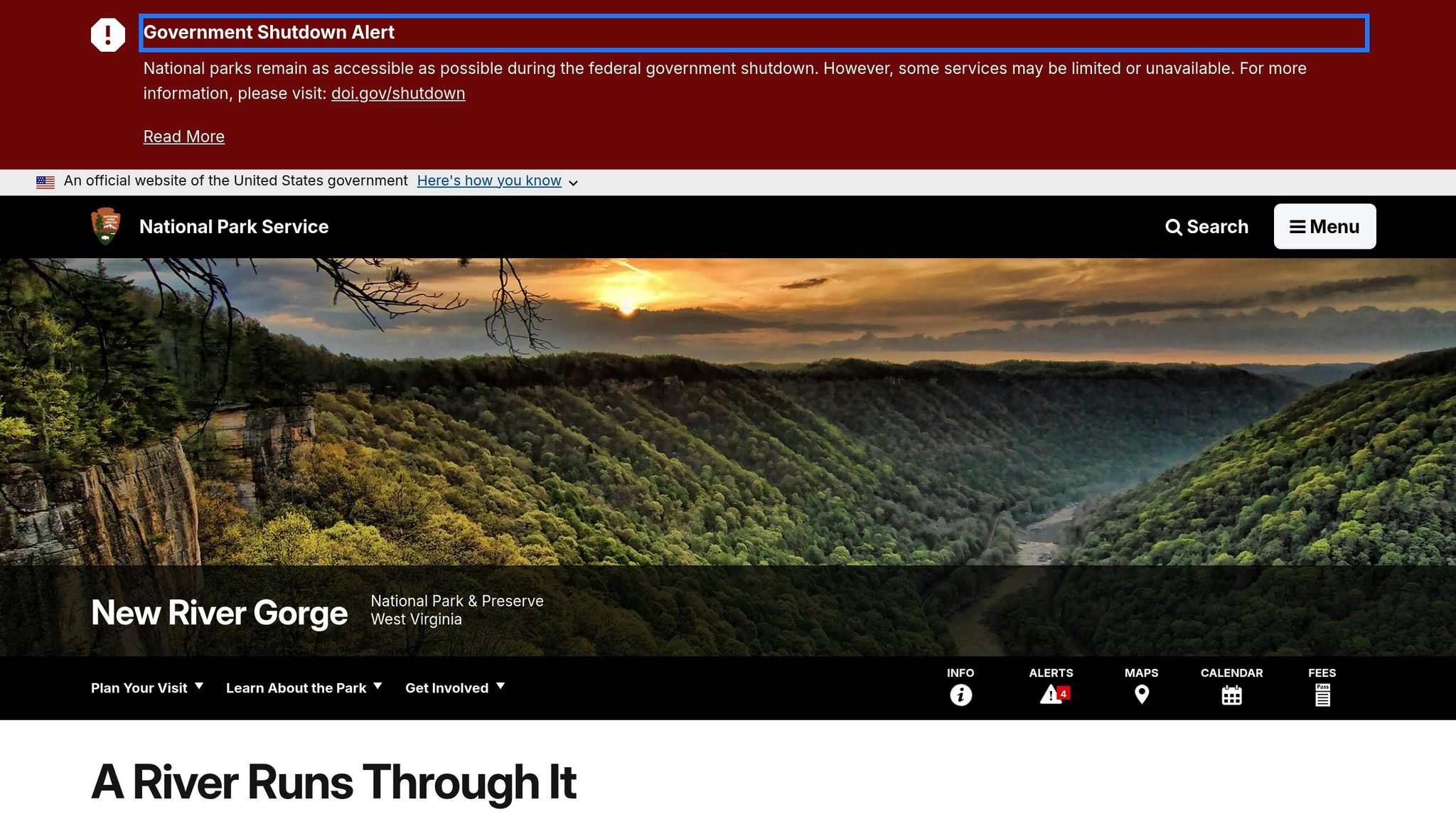
Nestled in West Virginia, New River Gorge National Park and Preserve is a haven for whitewater rafting enthusiasts. The New River is divided into two sections: the Upper New River and the Lower New River (also known as the Lower Gorge), each offering its own set of thrills and challenges.
River Difficulty and Rapid Classes
The Upper New River is perfect for beginners and families, offering calm, scenic floats to ease into the whitewater experience. On the other hand, the Lower New River ramps up the excitement with steeper, more technical rapids. This stretch, especially the Lower Gorge, boasts 22 named rapids over an eight-mile run, with most ranging from Class III to Class V difficulty. Some standout Class IV+ rapids include Lower Keeney and Double Z. When water levels rise – about six feet above normal – the rapids can intensify to Class V. This variety makes the river a great choice for both newcomers and seasoned adventurers.
Scenic Landscapes and Natural Features
The Upper New River winds gently through serene, pastoral landscapes, creating a calm and picturesque setting. In contrast, the Lower Gorge takes rafters through dramatic canyons, where towering rock walls and rugged cliffs add to the sense of adventure. This mix of tranquil countryside and rugged canyon scenery ensures that every trip is visually memorable.
Accessibility and Trip Options
Rafting trips at New River Gorge cater to a range of preferences and budgets. Options include half-day outings priced between $79 and $99, as well as multi-day overnight adventures costing around $279. Overnight trips offer a deeper dive into the experience, combining runs on both the Upper and Lower sections with perks like private riverside camping and meals prepared by expert guides. The Upper New River is especially welcoming for families, with children as young as six allowed to join. Meanwhile, the more intense rapids of the Lower New River typically require participants to be at least 12 years old.
4. Gates of the Arctic National Park – Noatak River
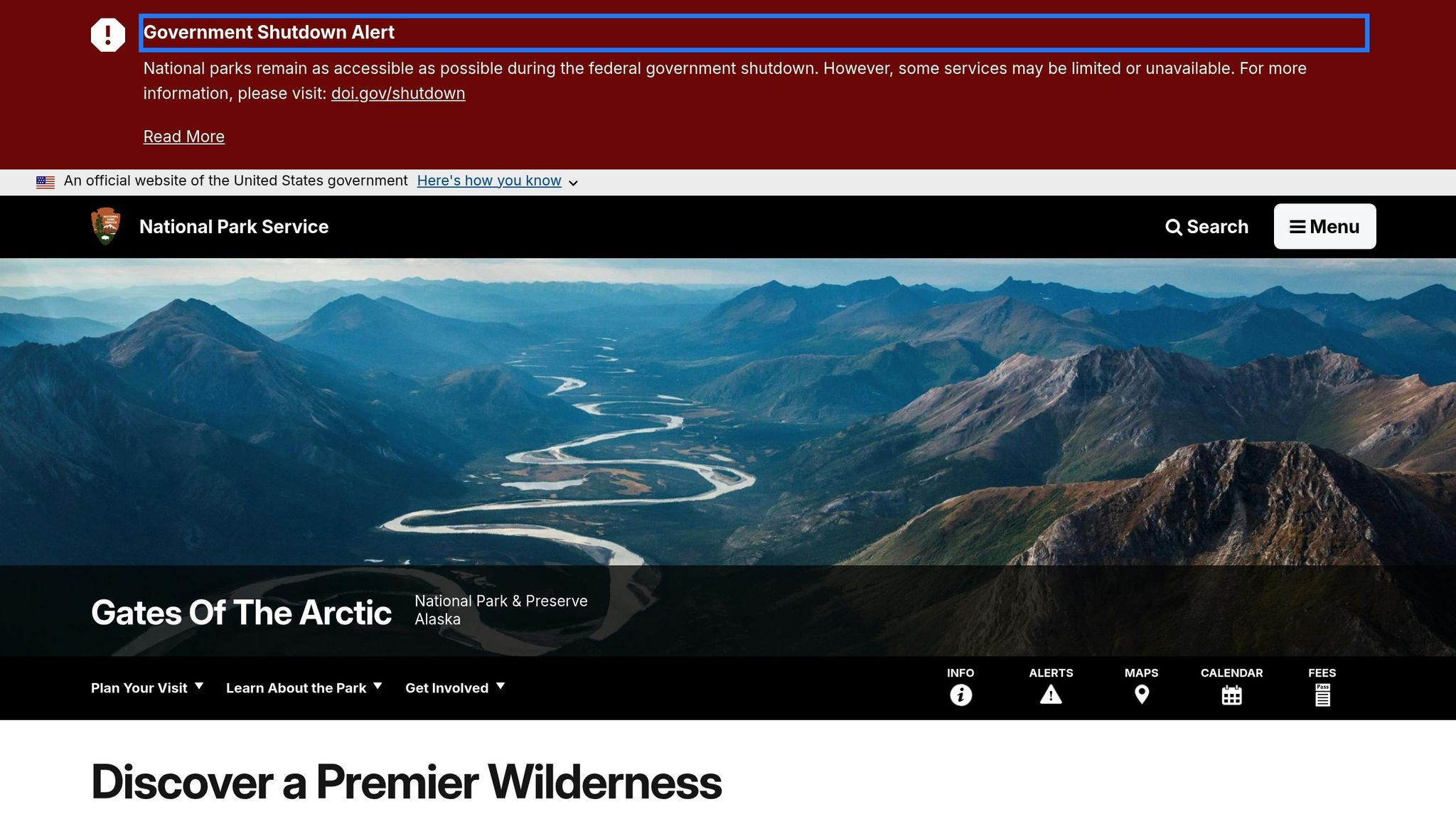
Tucked away in the remote wilderness of northern Alaska, Gates of the Arctic National Park is home to one of the most untouched whitewater experiences in the country: the Noatak River. Recognized by the U.S. National Park Service as a "nationally significant, intact, and biologically diverse arctic‐subarctic river basin ecosystem", the Noatak flows freely for 330 miles without any dams or diversions, making it the longest free-flowing river in the United States.
River Difficulty and Rapid Classes
For most of its length, the Noatak offers a mellow rafting experience with primarily Class II rapids, making it a good fit for intermediate paddlers. That said, certain sections demand extra care. About 15 miles downstream of Lake Matcharak, a 10-mile stretch features Class II rapids, a Class II+ ledge drop, and a recirculating whirlpool ominously nicknamed "The Jaws." Further downstream, a 70-mile stretch through the Grand Canyon of the Noatak presents small ledges and another Class II+ drop, requiring precise navigation. Be aware that heavy rainfall can raise the difficulty of the rapids.
Scenic Landscapes and Natural Features
The Noatak River winds through the largest mountain-ringed river basin in the United States, offering views that are nothing short of spectacular. The highlight of this journey is the Grand Canyon of the Noatak – a 65-mile-long valley carved over thousands of years, bordered by towering hills and mountains. As described by Rivers.gov:
"The terrain along much of the Noatak River is vast and open, providing ample opportunities for viewing wildlife and glacial valleys surrounded by snowcapped peaks." – Rivers.gov
Rafters will encounter an extraordinary variety of landscapes, from alpine tundra and glacial valleys to dramatic granite formations like the Arrigetch Peaks. The scenery shifts from sparse black spruce forests to groves of white spruce, aspen, and birch. Wildlife is abundant, with frequent sightings of grizzly bears, Dall sheep, moose, wolves, and a wide array of bird species. This diverse wilderness offers endless opportunities for exploration, though its remote nature requires careful preparation.
Accessibility and Trip Options
Reaching the Noatak River is no small feat and requires thorough planning. All trips are multi-day expeditions, with access dependent on air transfers from larger hubs to remote put-in and take-out points. The length and cost of trips vary depending on the route. Options range from 5–7 day excursions covering around 45 miles to month-long journeys spanning up to 400 miles. Prices typically fall between $7,500 and $10,200 per person, reflecting the logistical challenges of accessing such a remote location.
5. Dinosaur National Monument – Green River (Gates of Lodore) & Yampa River
Dinosaur National Monument, straddling the Colorado–Utah border, offers two incredible whitewater rafting adventures on the Green and Yampa Rivers. The Yampa River stands out as one of the last free-flowing rivers in the Colorado River system, providing an increasingly rare wilderness experience.
River Difficulty and Rapid Classes
Both rivers feature rapids ranging from Class II to Class IV. On the Green River, the Gates of Lodore section is known for its thrilling Class III and Class IV rapids. Among these, Hell’s Half Mile (Class III to IV) is one of North America’s most renowned rapids. Other notable Class IV rapids include Disaster Falls – where John Wesley Powell’s expedition lost its first boat in 1869 – and Triplet Falls.
The Yampa River also offers its share of excitement, with several Class III rapids and the famous Class IV Warm Springs Rapid, recognized for its powerful "Maytag" hydraulic. For those seeking more adventure, the Green River’s Split Mountain Canyon section adds another 8 miles of Class III whitewater to a Gates of Lodore trip. As always, water levels and seasonal flows require careful planning.
Scenic Landscapes and Natural Features
The monument’s canyons showcase millions of years of geological history, with towering sandstone walls and dramatic rock formations. The Gates of Lodore section stretches 44 miles through breathtaking canyon terrain, while the Yampa River flows for about 71–72 miles through equally stunning landscapes. Adding to its allure, the area is home to fossilized dinosaur bones embedded in canyon walls, a testament to its prehistoric past. Along the way, rafters might encounter narrow slot canyons, open valleys, and wildlife such as bighorn sheep, deer, and a variety of bird species.
Accessibility and Trip Options
Dinosaur National Monument caters to both guided and self-guided adventurers, with options suitable for varying skill levels. For a quick getaway, one-day trips are available through the Green River’s Split Mountain Canyon. Longer, more immersive experiences typically span 3 to 5 days, depending on the river section and water conditions. Commercial outfitters like Mild to Wild Rafting and Dinosaur River Expeditions handle all the details – permits, equipment, meals, and shuttles – making the experience hassle-free.
Here’s a breakdown of guided trip pricing:
- Yampa River trips: 4-day trips start at $1,199 for youth and $1,249 for adults, while 5-day trips are priced at $1,299 for youth and $1,399 for adults.
- Gates of Lodore trips: 3-day trips begin at $999 for youth and $1,099 for adults, with 4-day trips costing $1,149 for youth and $1,249 for adults.
An additional 9% river and land access fee applies. Age restrictions vary, with most trips requiring participants to be at least 7 years old during lower water levels and 12 years old during higher flows.
For those opting for self-guided trips, permits are required and are distributed through a competitive lottery system that opens in early January for the upcoming season. As one expert explains:
"River trips can become logistical Olympics, so make your life a little easier by hiring a commercial outfitter… Whomever you choose, they will generally provide all of your equipment, a shuttle service, and expert knowledge and stories about the river and surrounding landscape." – Visit Utah
Timing your trip is essential. Thanks to the Flaming Gorge Dam, the Green River maintains steady flows year-round, with peak conditions from late May through early July. The Yampa River, however, depends on snowmelt, offering an exceptional but short rafting season from mid-May to mid-June.
6. Yellowstone National Park – Yellowstone River
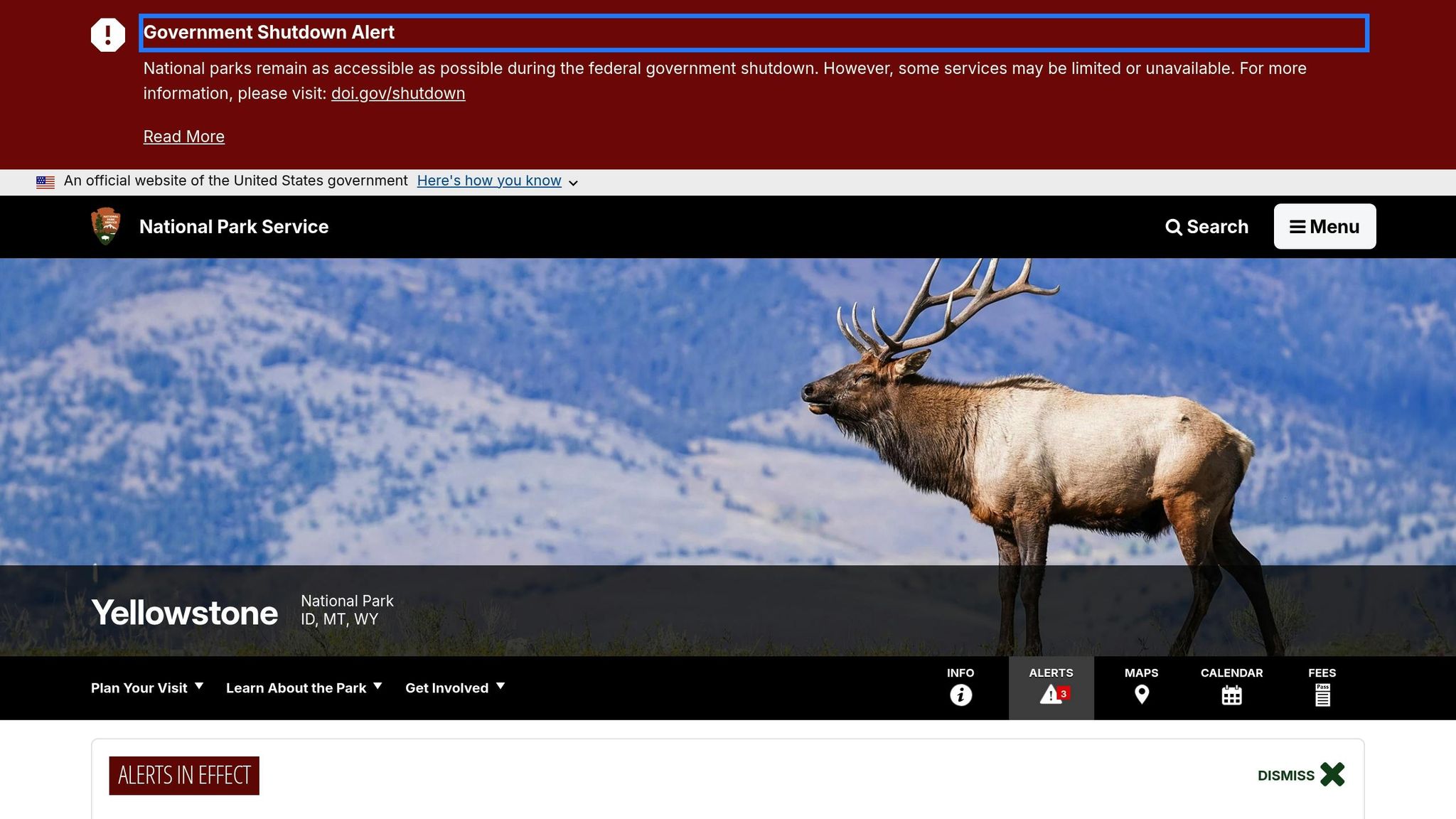
Yellowstone National Park is a favorite destination for whitewater rafting, offering the perfect mix of adventure and breathtaking scenery. While the rafting itself takes place just outside the park’s boundaries, the surrounding wilderness provides a stunning backdrop. It’s a great choice for beginners looking to dip their toes into the world of whitewater rafting.
River Difficulty and Rapid Classes
The Yellowstone River is well-suited for those new to rafting, with its dependable Class II–III rapids that provide just the right amount of excitement for beginners and intermediate rafters alike.
"Our Yellowstone River trips… The Yellowstone River is a wide deep high volume river with splashy rapids ranging from Class 1-3. This is a great family friendly, first-timer option." – Montana Whitewater Rafting & Zipline Tours
Water levels significantly influence the river’s character. Early in the season, from May to June, snowmelt leads to faster currents and more intense rapids, with some stretches occasionally reaching Class IV difficulty. By late summer, around August and September, the river calms down to gentler Class I and II rapids, making it an ideal time for families with young children or nervous first-timers. The Yankee Jim Canyon section, however, remains a consistent challenge with its Class III rapids throughout the season.
This ever-changing water flow not only keeps rafters on their toes but also shapes the dramatic landscapes surrounding the river.
Scenic Landscapes and Natural Features
Rafting on the Yellowstone River offers a unique way to experience the park’s vast wilderness. The river winds through Paradise Valley, framed by the majestic Absaroka and Gallatin mountain ranges. On longer trips, adventurers might even catch a glimpse of Electric Peak, which towers over 11,000 feet.
Wildlife sightings add an extra layer of magic to the experience. It’s not uncommon to see bison, elk, deer, osprey, and bald eagles along the riverbanks. Some rafters have even shared stories of spotting mother elk with their calves or herds of elk grazing nearby.
"With its unique combination of adventure, scenery, and wildlife encounters, Yellowstone National Park rafting provides an unforgettable experience that’s perfect for outdoor enthusiasts & families alike." – Montana Whitewater
The surrounding Big Sky Country offers countless photo opportunities, while the diverse wildlife and landscapes provide a chance to learn about the area’s ecosystem, including its iconic animals like bears, wolves, and moose.
Accessibility and Trip Options
The Yellowstone River caters to a wide range of adventurers, offering trips that suit different interests and schedules.
- Half-day trips: Covering about 8 miles in 2–3 hours, these are perfect for first-timers. Prices start at $74 for kids and $84 for adults, with a minimum weight requirement of 40 lbs for children.
- Full-day trips: Spanning approximately 18 miles over 4–5 hours, these trips often include a picnic lunch and a thrilling ride through Yankee Jim Canyon. Prices range from $145 to $160 per person.
- Multi-day adventures: For a more immersive experience, Flying Pig Adventure Company offers a 3-day, 2-night package that combines rafting with horseback riding and camping along the river. This option, suitable for kids aged 7 and up, is priced between $820 and $865.
- Private trips: Private boat options start at $650 for half-day excursions and $1,300 for full-day outings.
Most operators welcome participants aged 3 to 75, though trips are generally not recommended for pregnant individuals or those with back problems. A moderate level of physical fitness is advised.
Additional Park Attractions and Activities
The Yellowstone River area offers more than just rafting. Saddle & Paddle packages, which combine horseback riding with rafting, are available in express ($179) or deluxe ($259) options. Kayaking is another popular choice, with half-day trips costing $99 and full-day adventures priced at $169.
The North Entrance at Gardiner, Montana, serves as the main starting point for these river trips. This convenient location makes it easy to pair rafting with visits to Yellowstone’s iconic geysers, hot springs, and wildlife viewing areas. Many visitors even use rafting as a memorable way to round out their park experience.
Yellowstone Raft Company, established in 1978, was the first to offer trips on the Yellowstone River. Holding permits from both the National Park Service and the U.S. Forest Service, the company ensures regulated and reliable operations.
sbb-itb-00512f3
7. Yosemite National Park – Merced River
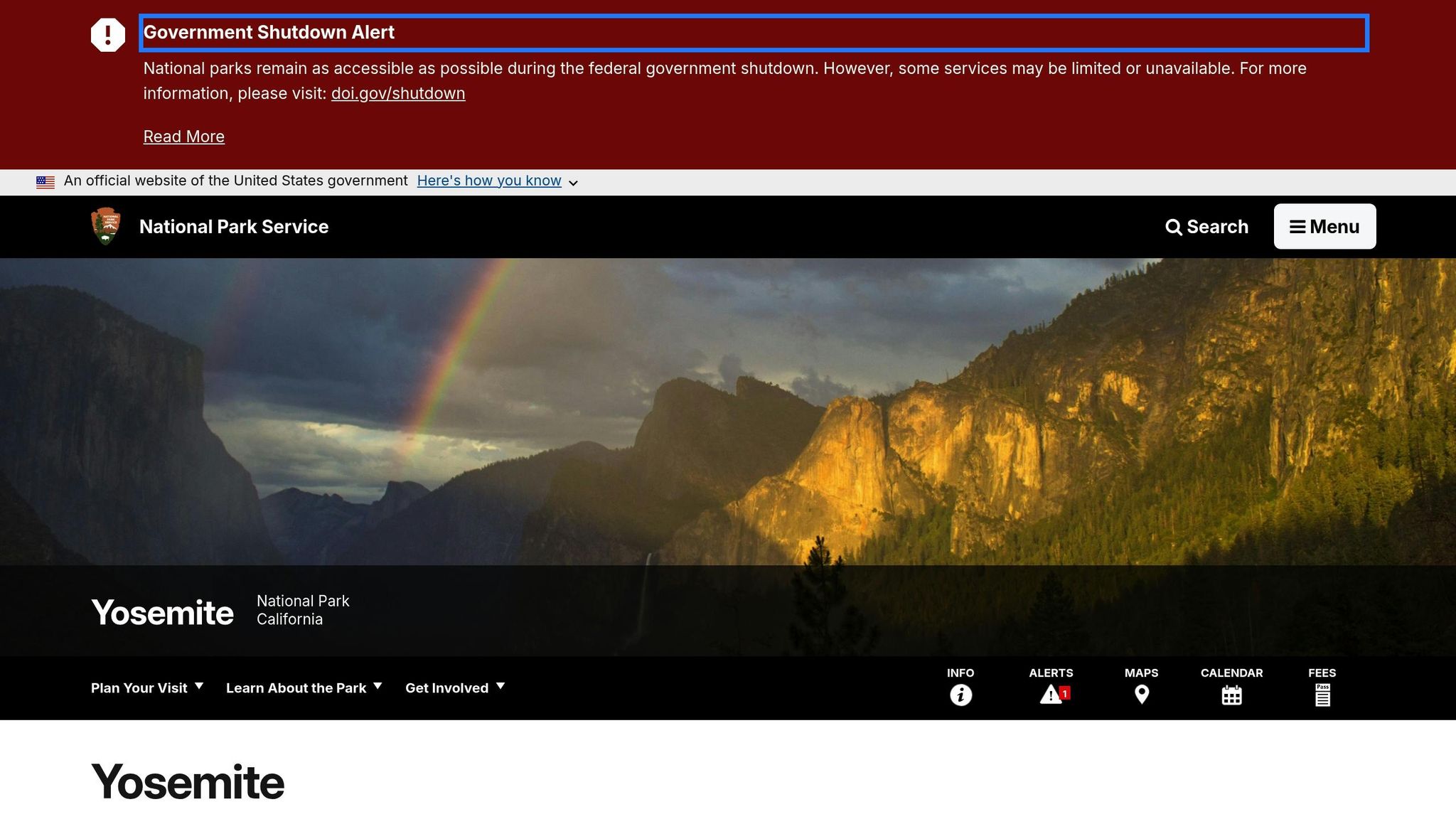
The Merced River offers an exhilarating whitewater rafting experience, blending the thrill of powerful rapids with the breathtaking beauty of the Sierra Nevada wilderness. Known for its cascading waterfalls and pristine surroundings, this river is a standout destination for adventure seekers.
River Difficulty and Rapid Classes
The Merced River is classified as a Class IV river, featuring a mix of Class II–III rapids and nine major Class IV rapids. Among the highlights is "Quarter Mile", a one-mile stretch of Class IV+ rapids that delivers nonstop excitement. Other notable rapids include "Terminator", "Grand Slam", and "Split Rock".
"This Class IV river is an excellent step up into the realm of advanced California whitewater rafting." – merced-river.com
What sets the Merced apart is its emphasis on power and volume. Expect long, rolling rapids with big waves, offering less technical maneuvering and more of a roller-coaster ride.
"The Merced is famous for large, roller-coaster waves and big crashing swells, perfect for veterans of the American and adventurous newcomers." – ARTA
Scenic Landscapes and Natural Features
Rafting the Merced immerses you in the iconic beauty of Yosemite. The river winds past dramatic granite cliffs, dense forests, and pristine wilderness, offering plenty of opportunities to spot wildlife like deer, bears, and a variety of birds.
"The Merced River flows through the Park in cascading waterfalls before gathering strength to create memorable roller-coaster-like Class III-IV rapids downstream." – All-Outdoors California Whitewater Rafting
Accessibility and Trip Options
Rafting trips on the Merced are designed to be accessible and convenient, with most starting in Midpines, California, just minutes from Yosemite’s entrance. Both half-day and full-day options are available, making it easy to fit rafting into your schedule.
- Half-day trips: Run from 8:00 a.m. to 12:30 p.m. or 1:30 p.m. to 6:00 p.m., covering about 11 miles. Prices range from $122–$132.
- Full-day trips: Cover roughly 16 miles, include a riverside lunch, and cost between $160–$229.
The rafting season typically spans late April through mid-June, though it can sometimes extend into July. Most outfitters have age requirements of 8 to 12 years old for participants.
Additional Park Attractions and Activities
For those looking to combine rafting with more of Yosemite’s wonders, Wildland Trekking offers a 4-day "Waterfalls, Views and Whitewater" tour. Priced at $2,190 per person, this trip includes half-day rafting alongside guided exploration of Yosemite’s iconic landscapes.
"The whitewater rafting was incredible! Our guide, Sass, was top notch – she was perfectly organized, made fantastic and creative meals and is just really fun to be around. Definitely recommend this trip, especially for the rafting!" – Elizabeth G
Outfitters like OARS and Whitewater Excitement consistently receive high praise, with customer ratings averaging 4.9/5.
8. Rocky Mountain National Park – Cache la Poudre River
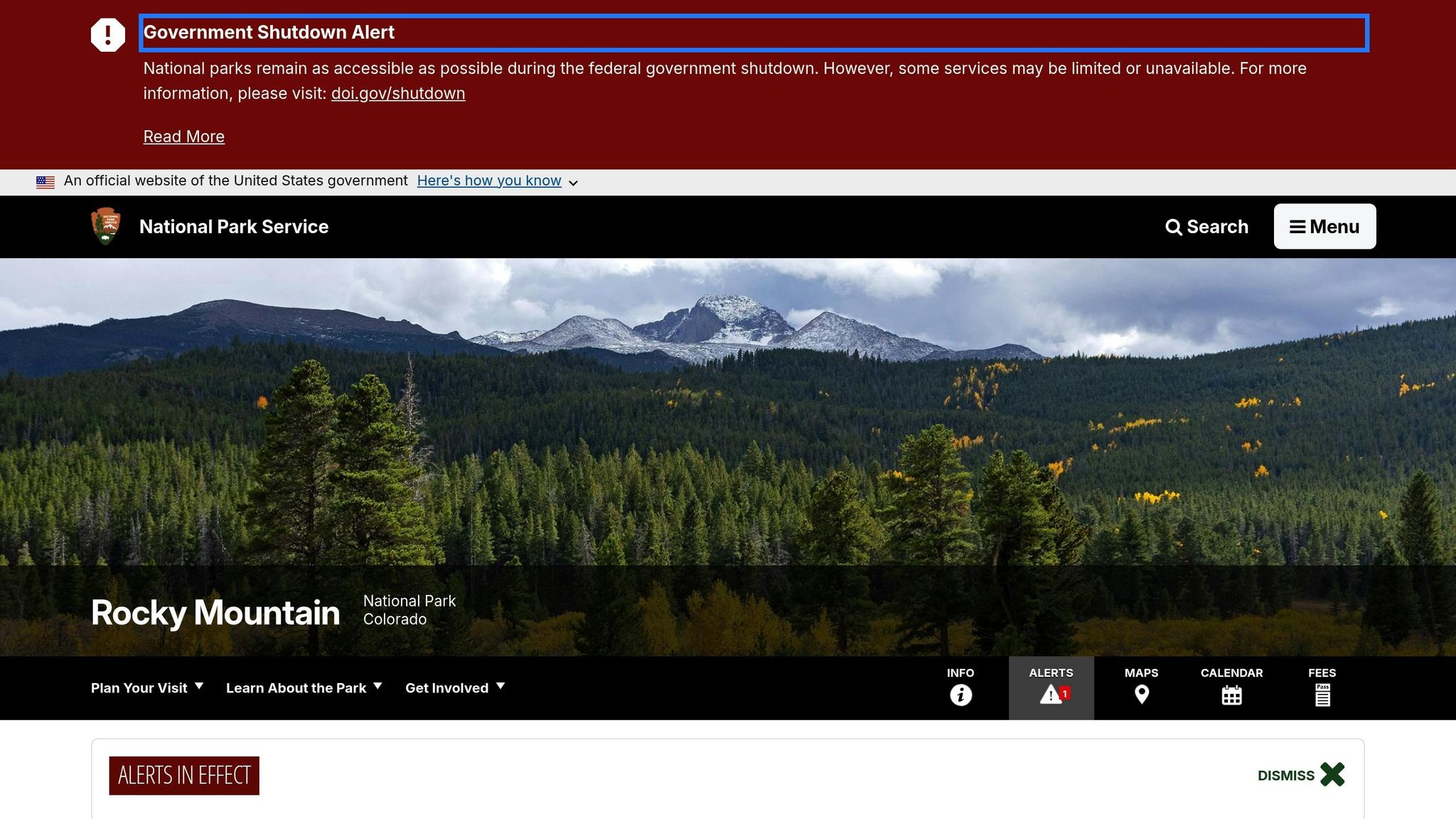
Right next to Rocky Mountain National Park, the Cache la Poudre River offers some of Colorado’s most varied whitewater adventures. Flowing through rugged mountain landscapes, it has something for everyone, whether you’re just starting out or looking for a heart-pounding challenge.
River Difficulty and Rapid Classes
The Cache la Poudre River’s intensity shifts depending on the section and the season. Rapids range from Class II to Class V, making it a destination for intermediate to advanced rafters.
During the peak snowmelt season (mid-May to July), the river surges with thrilling Class II–V rapids – perfect for adrenaline junkies. By August, the water levels drop, creating calmer stretches ideal for families and beginners.
Here’s a breakdown of the river’s sections and their unique challenges:
| Section | Rapid Classes | Key Features |
|---|---|---|
| Filter Plant | Class II, with two Class III rapids | Gentle and beginner-friendly |
| Lower Mishawaka | Class III | A manageable 3-mile stretch for new rafters |
| Upper Rustic | Class III, Class III-IV (White Mile) | A great choice for intermediate rafters |
| Poudre Park/Bridges | Class III-IV+ | Known for low bridges and steep drops |
| Upper Mishawaka | Class IV | A challenging section for seasoned rafters |
| Lower Narrows | Class V | Features long, rocky rapids that demand advanced skills |
For those seeking an extra challenge, the Upper Narrows section stands out with its technical rapids and ominously named features like "Super Collider", "Cabbage Shredder", and "Whiteline".
Scenic Landscapes and Natural Features
Rafting on the Cache la Poudre River immerses you in breathtaking scenery. Towering granite cliffs, dense pine forests, and dramatic canyons create a stunning backdrop. As you navigate the river, you might also spot wildlife like elk and deer along the banks, adding to the experience.
Accessibility and Trip Options
The Cache la Poudre River is perfect for half-day or full-day rafting trips, making it a convenient choice for visitors with tight schedules. Several outfitters cater to various skill levels and group needs:
- Rapid Transit Rafting: Offers three daily departures (6:45 AM, 9:30 AM, and 12:30 PM) from late May to early September. Trips last about 6 hours, with 1.5–2 hours on the river. Participants must be at least 7 years old and weigh 50 pounds.
- A Wanderlust Adventure: Provides two options: the "Taste of Whitewater" (Class II–III, minimum age 7) for families and beginners, and the "Blast of Whitewater" (Class III–IV, minimum age 14) for thrill-seekers. These trips last 3–4 hours, with 2–3 hours spent on the river.
- Rocky Mountain Adventures: Offers full-day and half-day guided trips, with post-August 10th options priced at $99 per person.
All outfitters supply essential gear, and the rafting season runs from mid-May to early September. Due to U.S. Forest Service regulations, spots can fill up quickly during peak times, so making reservations is highly recommended.
If guided trips aren’t your style, the river also has multiple access points for independent adventures. Combine rafting with other outdoor activities to make the most of your visit.
Additional Park Attractions and Activities
The Cache la Poudre River is highly rated by visitors, with a 4.8/5 score on Tripadvisor from 428 reviews. Many describe it as a "fun river" and an excellent place to learn the ropes of whitewater rafting. Its natural beauty and accessible adventure opportunities leave a lasting impression.
For those exploring on their own, the river’s many put-in and take-out points make it easy to plan your route. Keep an eye on the weather in Fort Collins, CO, which tends to be warmer than Estes Park due to its lower elevation.
Thanks to its proximity to Rocky Mountain National Park, a trip to the Cache la Poudre River can easily be paired with hiking, wildlife spotting, or exploring alpine lakes, offering a well-rounded Colorado adventure you won’t forget.
9. Great Smoky Mountains National Park – Big Pigeon River
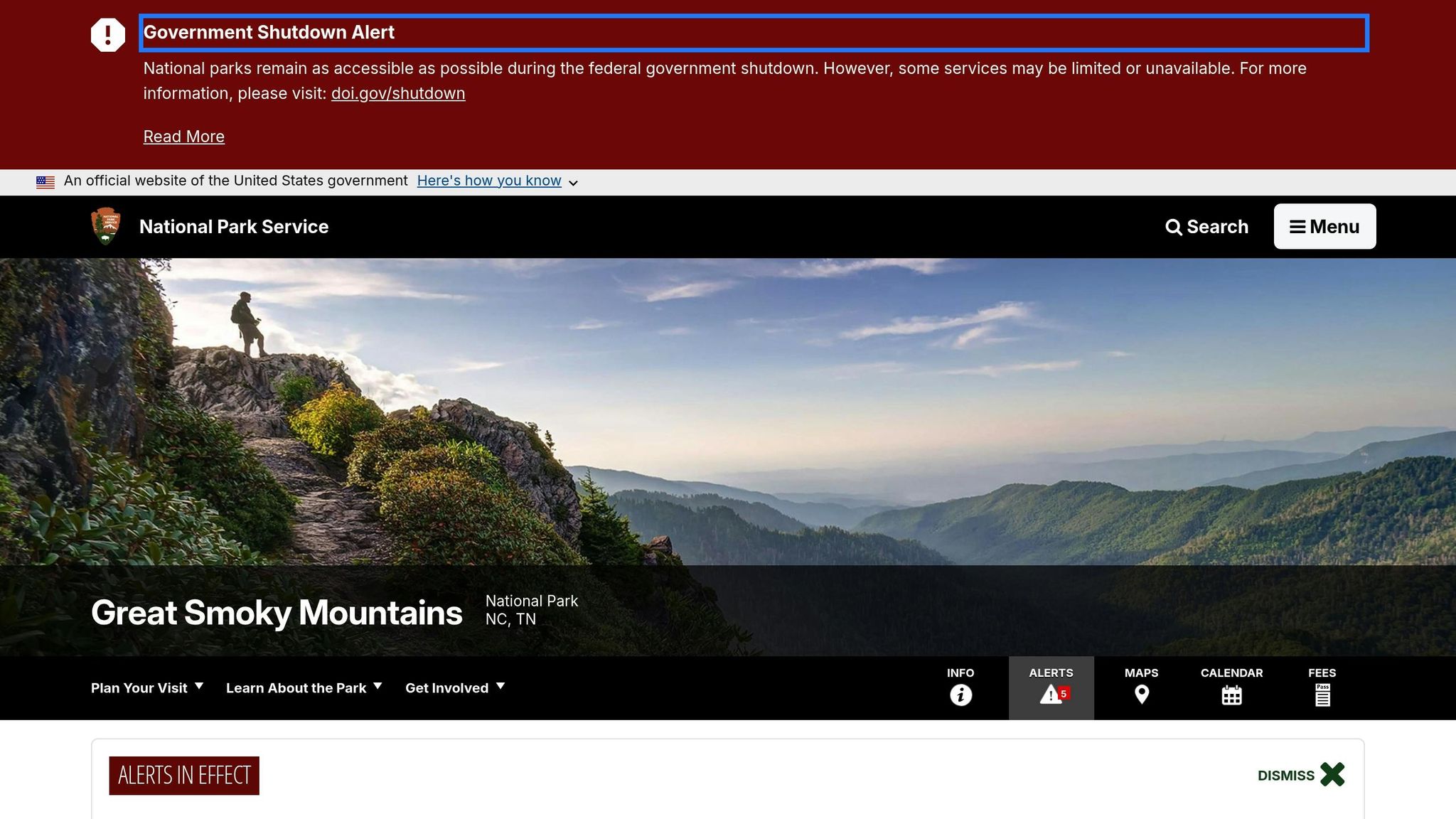
The Big Pigeon River, located just outside Great Smoky Mountains National Park, is a go-to spot for whitewater rafting. This Tennessee treasure offers two very different rafting experiences on the same river, making it perfect for families or groups with varying skill levels. Whether you’re seeking adrenaline-pumping rapids or a laid-back float, this river has something for everyone.
River Difficulty and Rapid Classes
The river splits into two sections, each offering its own unique adventure. The Upper Pigeon River is the thrill-seeker’s dream, featuring Class III and IV rapids, while the Lower Pigeon River provides a more relaxed experience with Class I and II rapids. Here’s a quick breakdown:
| Section | Rapid Classes | Best For | Highlights |
|---|---|---|---|
| Upper Pigeon River | Class III–IV | Experienced rafters | 5.5 miles with 70 rapids, including "Double Reactionary" and "Lost Guide" |
| Lower Pigeon River | Class I–II | Families and beginners | A 6-mile scenic float, featuring the "Maytag" rapid |
According to Smoky Mountain Outdoors, the Upper section delivers a high-energy ride, while the Lower section is ideal for a leisurely day on the water. This makes the Big Pigeon River a versatile destination for all types of adventurers.
Scenic Landscapes and Natural Features
The Big Pigeon River offers more than just rapids – it’s a gateway to the stunning beauty of the Tennessee Smokies. Lush hardwood forests hug the riverbanks, creating a vibrant canopy that changes with the seasons. In spring, wildflowers add pops of color, while summer brings cool, shaded waters, and fall transforms the landscape into a palette of fiery reds, oranges, and golds. The river meanders through valleys and narrow gorges, occasionally revealing breathtaking views of the surrounding mountains. Thanks to dam-regulated water levels, rafting conditions are consistent throughout the season.
Accessibility and Trip Options
Conveniently located in Hartford, Tennessee, the Big Pigeon River is just a 45-minute drive from Gatlinburg, Pigeon Forge, and Sevierville. This makes it easy to pair your rafting adventure with other Smoky Mountains activities.
Trip Durations and Costs:
- Half-day trips (2–4 hours): $30–$65 per person
- Full-day trips (5+ hours): $65–$110 per person, often including lunch
- Youth discounts: Typically $10–$20 off adult prices
Age and Fitness Requirements:
- Upper Pigeon River: Suitable for ages 8+ (minimum 70 lbs) with moderate fitness
- Lower Pigeon River: Open to children as young as 3
Several outfitters operate in the area, offering a range of options:
- Big Creek Expeditions (3671 Hartford Road, Hartford, TN): Offers Upper Pigeon whitewater adventures, Lower Pigeon floats, and full-day combo trips. Their season runs from March to September.
- Nantahala Outdoor Center (3485 Hartford Road, Hartford, TN): Provides Upper Pigeon rafting starting at $45 for ages 8+ (70 lbs minimum) and Lower Pigeon float trips. Open May through September.
- Smoky Mountain River Rat (3630 Hartford Road, Hartford, TN): Known for its "Daycation Rafting", featuring two expeditions (4.5–5.5 hours total). Options include two Upper trips or a combo of Upper and Lower sections, with an "Xtreme Upper" upgrade available.
Notably, after Hurricane Helene in September 2024, recovery efforts restored the river’s conditions, reshaping some lower-section rapids and ensuring clear, safe waters for the 2025 season.
Additional Park Attractions and Activities
Being so close to Great Smoky Mountains National Park, the Big Pigeon River is a great starting point for other adventures. You can explore spots like Cataract Falls, Cades Cove, or sections of the Appalachian Trail. Outfitters provide all the gear you’ll need, along with facilities like changing rooms and showers. Just make sure to wear water-friendly clothing and secure footwear – flip-flops are a no-go on the river.
With its mix of thrilling rapids, scenic floats, and easy access to one of the nation’s most beloved national parks, the Big Pigeon River is a must-visit for outdoor enthusiasts and families alike.
10. Denali National Park – Nenana River
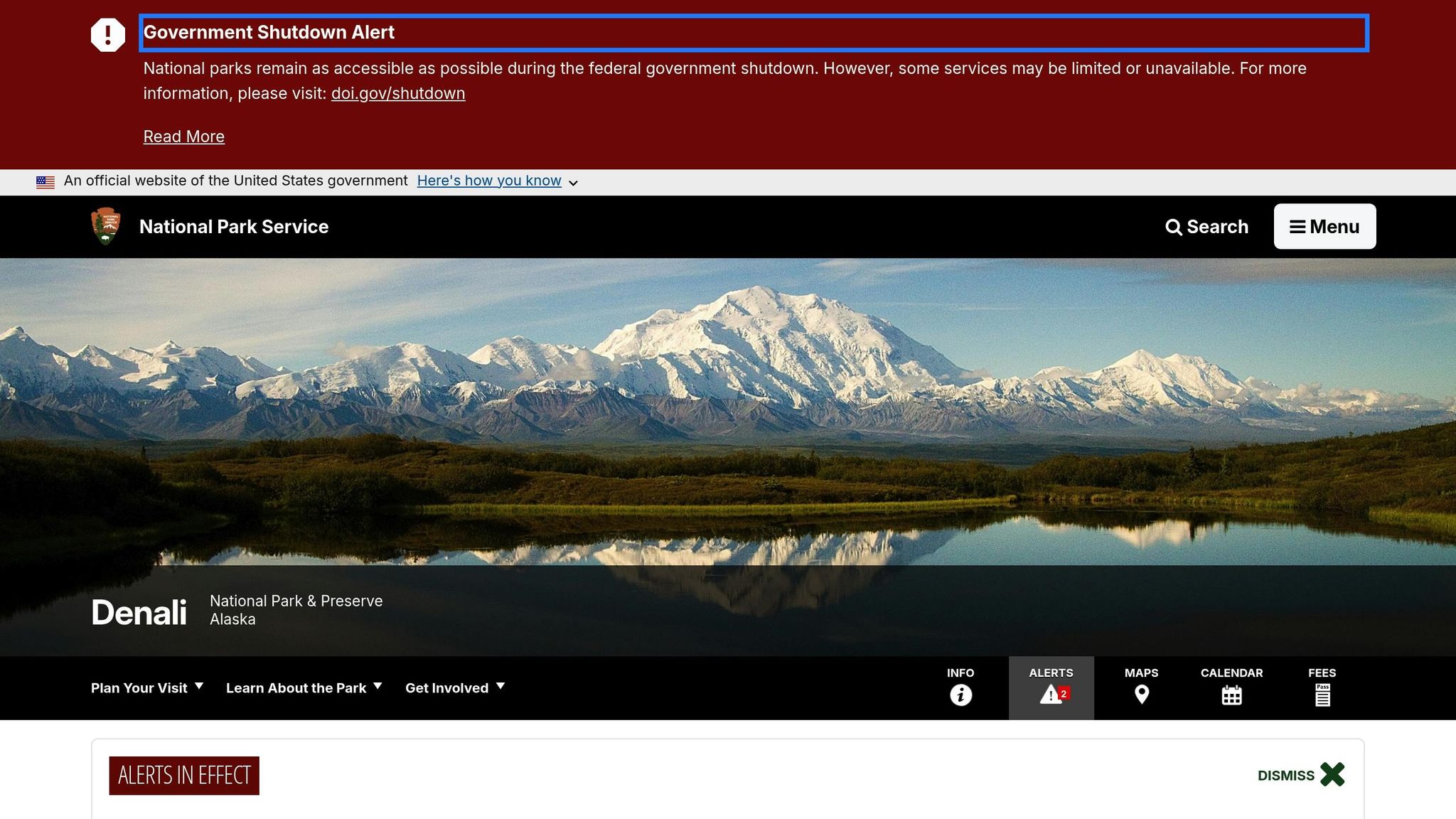
The Nenana River in Denali National Park offers a range of whitewater adventures, from peaceful family-friendly floats to adrenaline-pumping rapids, all set against the breathtaking backdrop of Mount Denali and the Alaska Range.
River Difficulty and Rapid Classes
The Nenana River caters to all skill levels, with rapids ranging from Class I to Class V. Near the Denali Highway, the rapids are mostly Class II, making them ideal for beginners. Between Windy Bridge and McKinley Village, you’ll encounter Class II–III rapids, while the stretch from McKinley Village to Riley Creek offers Class III–III+ challenges.
The crown jewel of the river is the Nenana River Gorge, a 10-mile section reserved for seasoned experts. Here, Class IV rapids like Razorback and Cable Car demand razor-sharp precision. Cable Car, in particular, is known as a "serious, solid, Class IV rapid" that challenges even the most experienced rafters.
"Big, wide, and powerful, the Nenana River offers whitewater rafters a variety of trips from which to choose. Class II float trips are perfect for families with younger children, or people looking for a relaxing day on the river. People looking for an adrenaline rush will enjoy the more challenging Class III-V section of the river."
For thrill-seekers, rapids such as Roostertail and Boxcar can escalate to Class III–V depending on water levels. Fed by glaciers, the river stays icy cold, with temperatures around 38–40°F, adding an extra layer of intensity to the experience. The combination of thrilling rapids and stunning surroundings makes the Nenana River a standout destination.
Scenic Landscapes and Natural Features
The Nenana River flows through an ever-changing wilderness, carving new channels and reshaping its floodplains as it goes. This dynamic ecosystem is a showcase of Alaska’s raw beauty.
"One cannot help but be captivated by the stunning natural beauty that surrounds the Nenana River."
The riverbanks are alive with Arctic flora, including the vibrant magenta of Alaskan Fireweed, Arctic Lupine, and pink Dwarf Fireweed. In autumn, golden Cottonwoods stand out among Birch trees, Alder shrubs, and patches of Arctic Moss. The river winds through diverse landscapes, from taiga forests in the lowlands to subalpine woodlands higher up. Highlights include the dramatic Nenana River canyon and a high bluff overlooking its confluence with the Yanert River.
Dominating the scenery is the Alaska Range, crowned by Mount Denali, which boasts the highest vertical relief of any peak on Earth. The park’s six million acres include a geological wonderland, with about 16% of the area covered by glacial ice or snowfields that feed the river.
Accessibility and Trip Options
Whether you’re looking for a quick adventure or a multi-day journey, the Nenana River has options for every schedule and skill level. Day trips are particularly popular and easy to arrange.
- Denali Raft Adventures offers three day-trip options during its May 20–September 10 season, with up to eight launches daily:
- Canyon Run: Class III/IV whitewater (2 hours) for $140 per person (ages 12+)
- Wilderness Run: Class I/II mildwater (2 hours) for $140 per adult and $100 per child (ages 5–11)
- Healy Express: Class II/IV mild and wild (5 hours) for $240 per person (ages 12+)
- New Wave Adventures provides trips lasting 3.5–5.5 hours, starting at $140+.
- Denali Princess Tours offers a Canyon Wave Whitewater experience lasting about 3.5 hours for $149.95 per person.
- For a more immersive experience, Traverse Alaska Rafting & Packrafting specializes in custom multi-day expeditions, including unique day-and-a-half packrafting options.
Participants can choose between paddle rafting, for a hands-on experience, or oar boats, where guides handle the navigation. Paddle-raft trips tend to be more intense, with a higher chance of swimmers. All outfitters provide dry suits to protect against the icy water, and age requirements vary: mildwater trips welcome children as young as 5, while whitewater adventures usually require participants to be 12 or older – sometimes 15+ for paddle rafting.
"Class IV whitewater raft trips on large-volume glacial rivers in Alaska are not the same as amusement park thrill rides such as a roller coaster. They have serious risks." – John White, Owner and Founder, Nenana Raft Adventures, Inc.
Additional Park Attractions and Activities
Rafting is just one way to experience Denali National Park. The area is also a haven for wildlife enthusiasts and outdoor adventurers. Visitors might spot wild sheep or nesting golden eagles near the Nenana River Gorge. Mount Denali itself draws climbers and sightseers from around the world, while the park’s extensive trail system offers something for hikers of all abilities. The park’s dramatic elevation changes create a variety of ecosystems, from taiga forests to alpine tundra, adding to the richness of the experience.
Whether you’re chasing whitewater thrills or exploring the park’s natural wonders, the Nenana River offers an unforgettable adventure.
Park Comparison Table
Use the table below to find the perfect park for your rafting adventure, based on skill level, trip duration, and scenery.
| Park | River | Rapid Classes | Trip Length | Best Time to Visit | Skill Level | Key Features |
|---|---|---|---|---|---|---|
| Grand Canyon National Park | Colorado River | 1–10 scale (10 = Class V) | 1 day to 25 days | Year-round (7,000–15,000 CFS) | Experienced rafters | Reliable dam-controlled flows, iconic canyon landscapes |
| Glacier National Park | Middle Fork of the Flathead River | Varies | Day trips to multi-day | June–September | Varies | High flows in June, family-friendly by late summer |
| New River Gorge National Park and Preserve | New River | Upper: Class III, Lower: Class IV–V | Several hours to several days | Varies | Upper: Beginners, Lower: Advanced | Flexible options with varying difficulty |
| Gates of the Arctic National Park | Noatak River | Varies | Multi-day to month-long | Varies | Varies | Remote wilderness, extended expeditions |
| Dinosaur National Monument | Green River & Yampa | Class III–IV | 3–5 days | Late May to early September | Families to experienced | Yampa peaks at 13,000 CFS in late May |
| Yellowstone National Park | Yellowstone River | Varies | Day trips to multi-day | Varies | All levels | Wildlife spotting, geothermal features |
| Yosemite National Park | Merced River | Class IV (spring), Class II (summer) | 1 day | Mid-April to June | Spring: Advanced, Summer: Beginners | Seasonal changes in difficulty |
| Rocky Mountain National Park | Cache la Poudre River | Varies | Day trips | Varies | Varies | Scenic high-altitude routes, snowmelt-dependent flows |
| Great Smoky Mountains National Park | Big Pigeon River | Class III | Day trips | Varies | Families, beginners to intermediates | Reliable flows, easily accessible |
| Denali National Park | Nenana River | Varies | Day trips | Varies | Varies | Stunning Mount Denali views, glacial-fed waters |
Rapid Classifications and Seasonal Tips
When selecting a rafting trip, understanding rapid classifications is key. Here’s a quick breakdown:
- Class I: Gentle currents and small waves, perfect for kids as young as four.
- Class II: Mild rapids with medium waves, great for beginners with minimal training.
- Class III: Moderate rapids requiring quick maneuvering, ideal for families seeking a bit of adventure.
- Class IV: Intense rapids demanding strong handling skills; prior Class III experience advised.
- Class V: Extreme rapids for experts only, requiring advanced skills and rescue knowledge.
Seasonal timing also plays a big role in planning. Seth Davis, OARS Operations Director, explains:
"2025 is shaping up to be a bit of a sampler platter for rafters, with a general trend of above-average conditions in the majority of the Northwest, and average to below-average conditions toward the Four Corners".
For thrilling high-water adventures, aim for May to early June. Families with younger kids may prefer the steadier flows from mid-June through early September.
Choosing the Right Trip
- Day trips (e.g., Yosemite, Great Smoky Mountains, Denali) are great for first-timers or short outings.
- Multi-day trips (e.g., Dinosaur National Monument, New River Gorge) provide a more immersive experience.
- Extended expeditions (e.g., Grand Canyon, Gates of the Arctic) are perfect for those seeking a deeper wilderness adventure.
The Grand Canyon is particularly reliable year-round. Lars Haarr, OARS Grand Canyon Operations Manager, notes:
"Grand Canyon river trips will stay steady and splashy all season, thanks to carefully managed dam releases that will provide consistent flows ranging from 7,000 to 15,000 CFS".
This consistency ensures it’s always a solid choice for planning your rafting trip.
Conclusion
America’s national parks offer some of the most breathtaking whitewater rafting experiences you can find. From the iconic rapids of the Colorado River in the Grand Canyon to the untouched wilderness of Alaska’s Gates of the Arctic, these parks cater to every kind of rafter. Whether you’re looking for a gentle float with the family or an adrenaline-pumping ride through roaring rapids, there’s something for everyone.
That said, safety should always come first. Stick with reputable outfitters, rely on experienced guides, and always use US Coast Guard–approved flotation gear. And remember – rafting alone is never a good idea.
Water levels can fluctuate significantly throughout the year due to snowmelt or heavy rains, which can change the dynamics of rapids in surprising ways. As Courtney Sweeney explains:
"Every river and rapid reacts differently to changes in water levels, which is why local knowledge and experience are key to understanding current conditions".
For instance, a rapid that feels manageable under normal water flow can become far more intense during high water conditions. Understanding these variations is crucial for a safe and enjoyable trip.
To ensure you’re tackling the right challenge for your skill level, refer to the International Scale of River Difficulty (Class I–VI). This tool helps you pick rapids that match your experience, so you can enjoy the adventure without unnecessary risks.
For detailed planning tips and insights into rafting opportunities across the national parks, check out The National Park Guide. It’s a great resource for finding the perfect trip, whether you’re a first-timer or a seasoned rafter chasing your next big thrill. With careful preparation and respect for the power of the water, you can enjoy unforgettable adventures in America’s incredible whitewater destinations.
FAQs
What safety tips should I follow for a whitewater rafting trip in national parks?
When gearing up for whitewater rafting in national parks, safety should always come first. Start by wearing essential safety gear like a Coast Guard-approved life jacket and a helmet – both should fit snugly to provide proper protection. Before hitting the water, attend a safety briefing and pay close attention to your guide’s instructions.
If you have health concerns, such as back or heart problems, it’s best to skip rafting, as it can be physically intense. Dress in suitable clothing and sturdy shoes to prevent slipping or injuries, and focus on maintaining your balance in the raft to avoid falling out. Above all, stay alert and respect the river’s strength to ensure your adventure is both safe and exhilarating.
How can I choose the best park for my whitewater rafting experience?
When deciding on a park for whitewater rafting, it’s important to match your experience level with the kind of challenge you’re after.
- For beginners, parks with Class I or II rapids are ideal. These calmer waters are great for learning the basics or enjoying a relaxed, family-friendly outing.
- Intermediate rafters might prefer Class III or IV rapids, which bring a blend of fun and technical maneuvers that add a bit more thrill to the ride.
- Seasoned adventurers can take on Class V rapids. These are intense, demanding advanced skills and strong swimming abilities, making them perfect for those seeking an adrenaline rush.
Before heading out, review the park’s river classifications and talk to local outfitters. They can help ensure the trip aligns with your skill level, keeping your adventure both safe and enjoyable.
When is the best time to go whitewater rafting in national parks for ideal conditions?
The prime time for whitewater rafting in U.S. national parks generally falls between April and September, with the best conditions typically from late spring to summer (May through August). During these months, snowmelt and seasonal rains boost water levels, creating thrilling rapids and an optimal flow for adventurers.
In areas like Yellowstone and near Jackson Hole, the season shines from late May to early September. Meanwhile, parks such as those in Colorado and Glacier National Park offer rafting opportunities from May to September. Early spring brings faster, more intense rapids thanks to higher water levels, while late summer offers a gentler, more laid-back experience on the water.